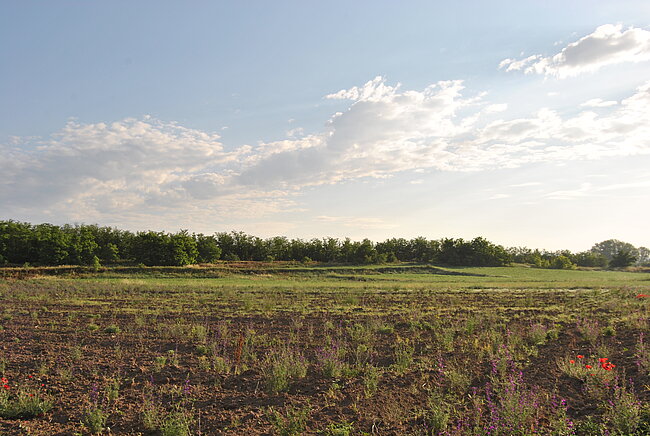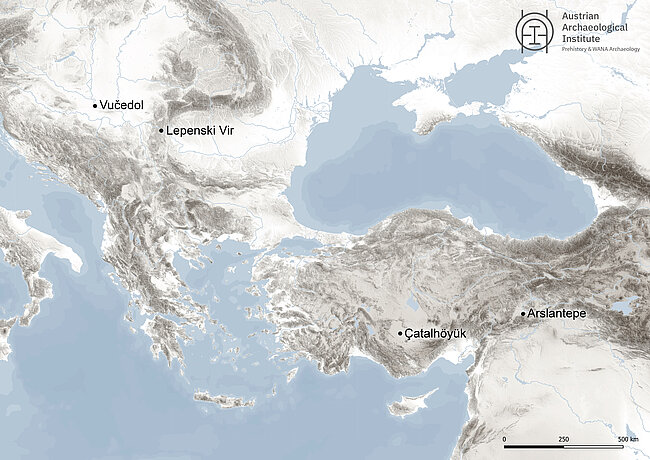
Die Forschungsgruppe »Prehistoric Phenomena« untersucht die entscheidenden Veränderungen der menschlichen Gesellschafts- und Lebensmodelle, die vom frühen Holozän bis zu den beginnenden Metallzeiten (ca. 10.–3. Jahrtausend v. Chr.) im Gebiet von Asien bis Südosteuropa zu beobachten sind. Im Fokus stehen die ersten sesshaften Ackerbaukulturen im Neolithikum, ihre soziokulturellen Strukturen sowie technologische und innovative Prozesse bis zur Entstehung erster protourbaner Gesellschaften im Verlauf der Kupfer- und frühen Bronzezeit.

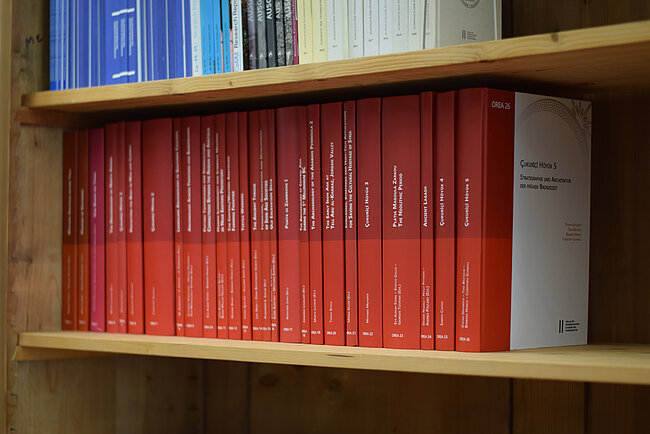
Online Repository of Publications

Online Repository of Publications

The repository lists the publications of research group Prehistoric Phenomena since its founding by B. Horejs in 2011. It contains archaeological/interdisciplinary studies in Asian and European prehistory, focusing on Anatolia, the Near East and the Balkans.

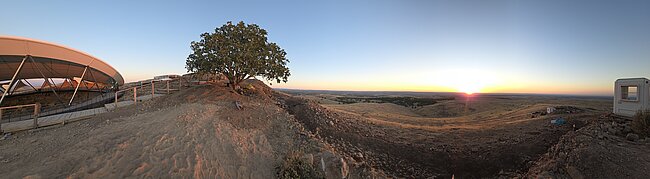
Svinjarička Čuka, Serbia

Svinjarička Čuka, Serbia

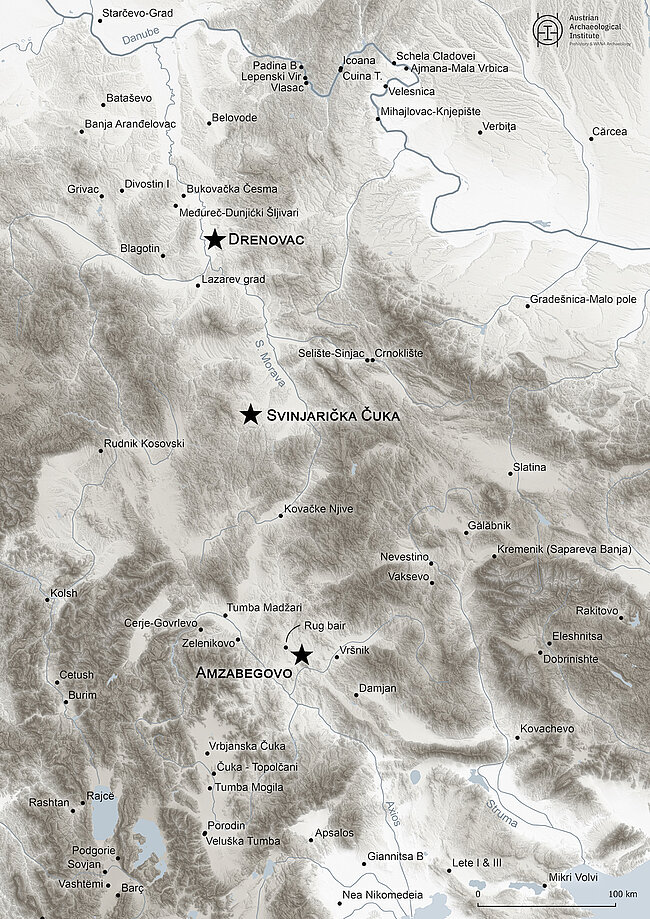
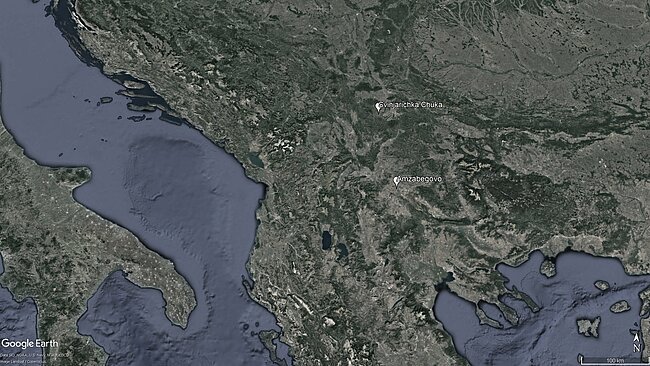
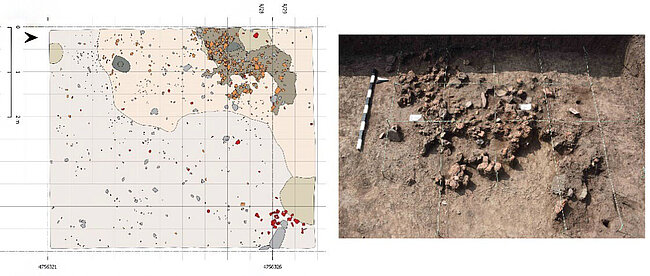
The NEOTECH Project aims to shed new light on the Neolithisation process in the central Balkans. Excavations were conducted at the site of Svinjarička Čuka, during which remains of the Neolithic and the Metal Ages could be identified. This data will be…

Geoarchäologie in Göbeklitepe

Geoarchäologie in Göbeklitepe

A new collaboration with the Göbeklitepe excavations of the Taş Tepeler project was initiated in 2025 to start new state-of-the-art and multi-level geoarchaeological investigations at Göbeklitepe in the context of its landscape. Understanding the dimensions of this…

Neolithisches Amzabegovo

Neolithisches Amzabegovo

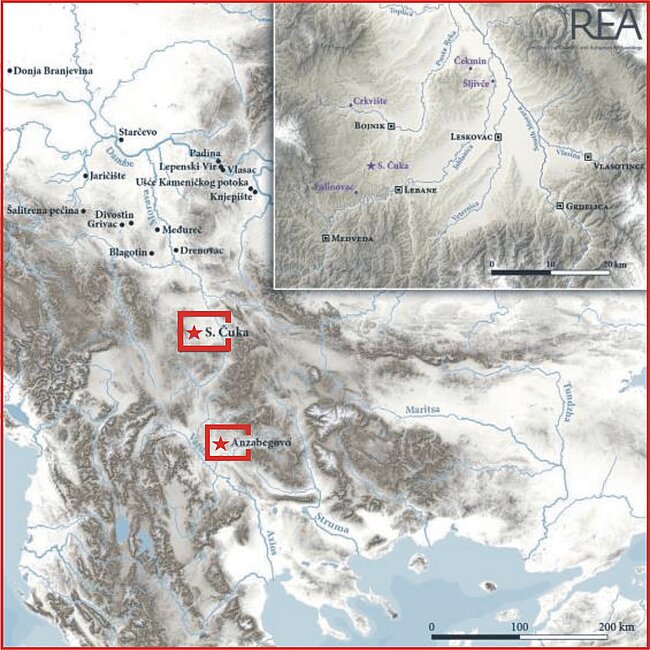
A new research project was initiated in 2019 at the famous Neolithic site Amzabegovo in Macedonia (Central Balkans), half a century after the notorious campaigns by Marija Gimbutas (UCLA) and Milutin Garašanin (University of Belgrade). Since 2022, after…

Prehistoric Anatolia

Prehistoric Anatolia

Dieses Projekt konzentriert sich auf die ersten permanenten Siedlungen im Neolithikum und die Entwicklung zu proto-urbanen Zentren in der frühen Bronzezeit. Die Kombination beider Forschungsthemen ermöglicht ein breites Spektrum kultureller Modellierungen,…

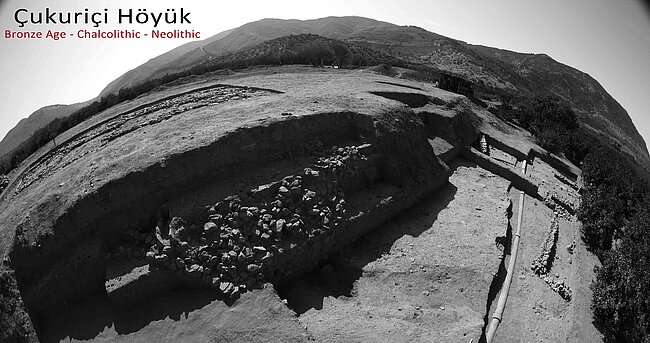
14C Modelling of Çukuriçi Höyük

14C Modelling of Çukuriçi Höyük

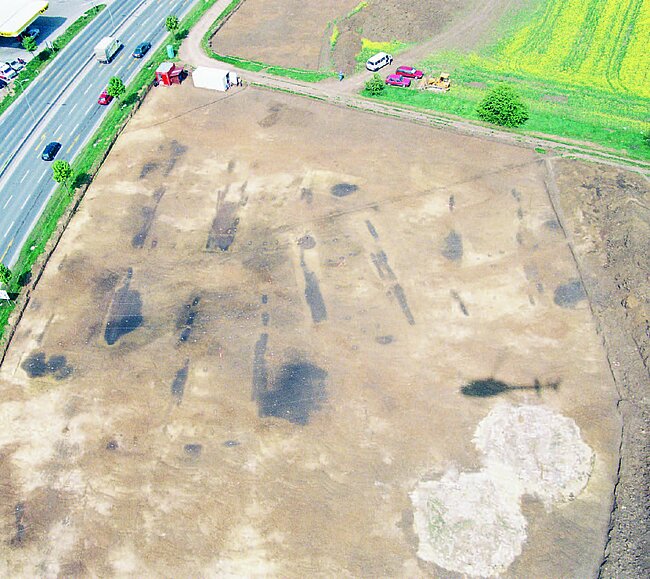
This interdisciplinary project explores personal relations, gender and family structures at Bronze Age communities across the Austrian and Czech border (c. 1600–800 BC).

Neolithische Steinäxte aus Çukuriçi Höyük

Neolithische Steinäxte aus Çukuriçi Höyük

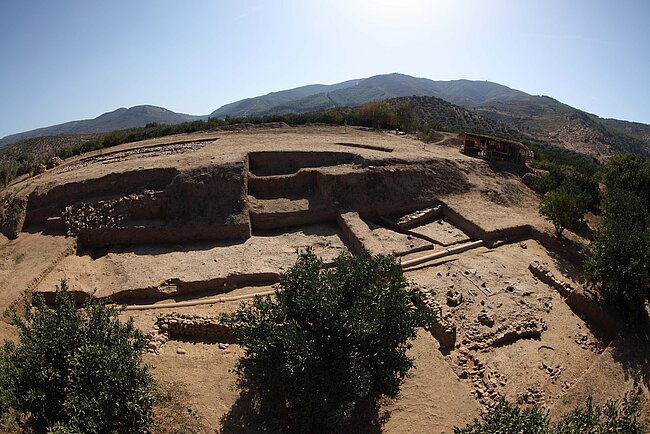
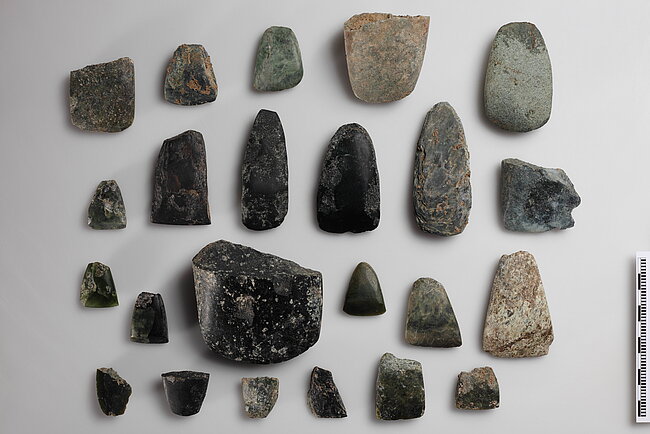
Die neolithische bis bronzezeitliche multistratifizierte Siedlung von Çukuriçi Höyük, Türkei wurde zwischen 2011-2016 im Rahmen mehrerer FWF und ERC-geförderter Projekte (PI Prof. Dr. Barbara Horejs) ausführlich untersucht. In mehreren Grabungsschnitten wurden…

NEOSOL

NEOSOL

Das NEOSOL-Projekt wird unser Bild vom frühen Siedlungsleben entlang des Vardar-Morava-Korridors (heutiges Serbien und Nordmazedonien) bereichern, indem es neue Erkenntnisse aus den in den archäologischen Sedimenten verborgenen »Mikro«-Überresten liefert.

X-KIN

X-KIN

During the past decade, the »ancient DNA revolution« has reopened key questions about prehistoric kinship that within archaeogenetics is narrowly viewed as genetic proximity. From a socio-cultural anthropological perspective, however, kinship is not only a…

Social interactions: Neolithic Balkans and Adriatic
Social interactions: Neolithic Balkans and Adriatic
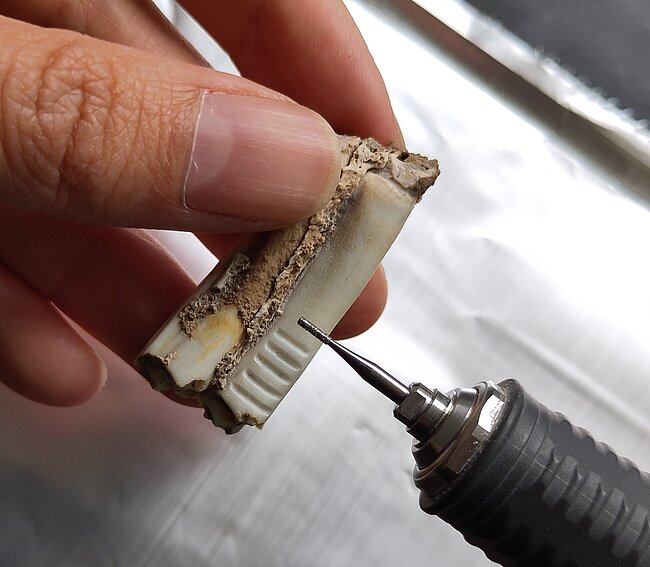
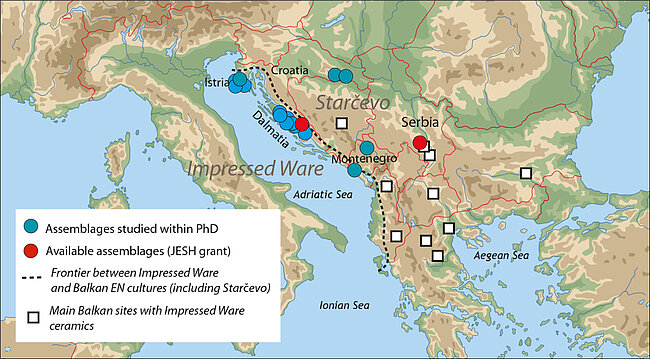
In Southeastern Europe, the emergence of the Neolithic (c. 6000 cal BC) is associated with the development of two main Neolithic horizons, which have been identified based on two different ceramic styles: the Impressed Ware in the coastal areas (Adriatic) and the…

Neolithic Animal Husbandry

Neolithic Animal Husbandry

In this project, stable isotope ratio analyses of archaeological bones and teeth from Çukuriçi Höyük (Western Anatolia) and Svinjarička Čuka (Serbia) will be used to reveal new insights into Neolithic animal husbandry practices.

Neolithic Imagery

Neolithic Imagery

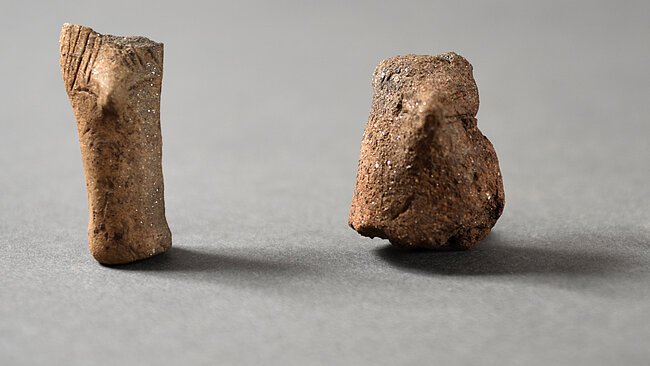
Starting point of the studies on Neolithic Imagery are the excavated objects depicting anthropomorphic and zoomorphic figures as well as fantastic creatures at Çukuriçi Höyük (Türkiye) and in Svinjarička Čuka (Serbia), both representing pioneers in early to middle…

Crossing the Neolithic Balkans

Crossing the Neolithic Balkans

The project aims to shed new light on the Neolithization process in the Central Balkans by analyzing green amulets from sites all over the Balkan region with the potential impact of new production technologies and the localization of deposits or Nephrite in the…

The Vardar-Morava neolithization corridor

The Vardar-Morava neolithization corridor

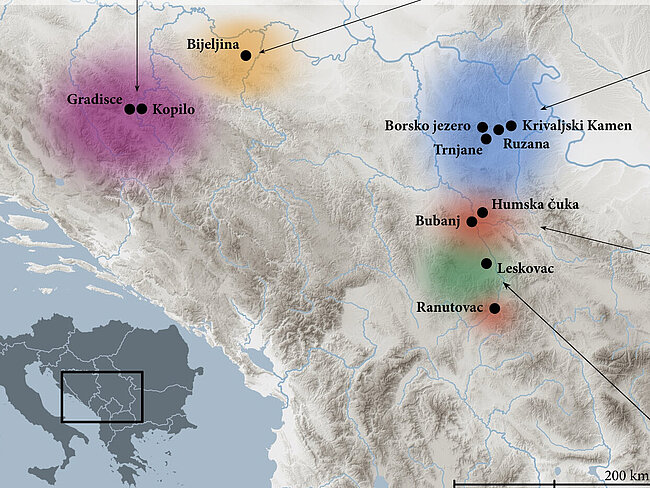
The importance of the neolithization process lies in its position as being a milestone in our social evolution when essential changes took place. These changes include: 1) a shift from mobile to sedentary lifestyle and development of architecture, 2) developed…

Foodways

Foodways

Das Projekt zielt darauf ab, die neolithischen Ernährungsgewohnheiten zu rekonstruieren, d. h. sowohl die pflanzlichen Nahrungsquellen als auch die zubereiteten Mahlzeiten, ausgehend von den archäologischen Funden, d. h. von den Gegenständen, die zur Zubereitung…

LITRAK

LITRAK

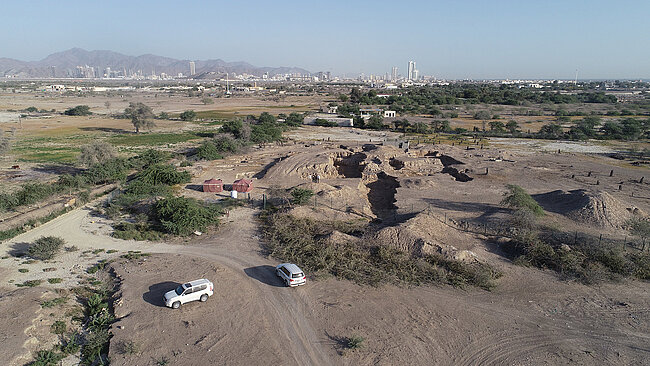
Vor rund 4500 Jahren können erstmals weitreichende Handelsnetzwerke nachgewiesen werden, die vom Indusgebiet bis in die Ägäis reichen. Im Rahmen des Projektes werden diese Netzwerke anhand einer Fallstudie am Fundort Kalba auf der südöstlichen Arabischen Halbinsel…

ARROWFUNC

ARROWFUNC

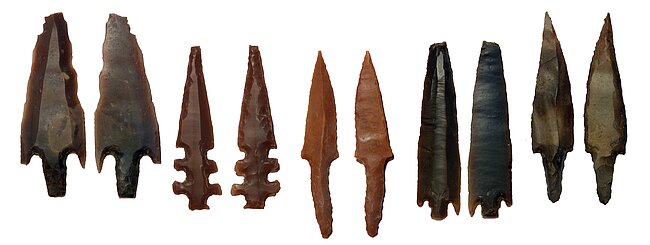
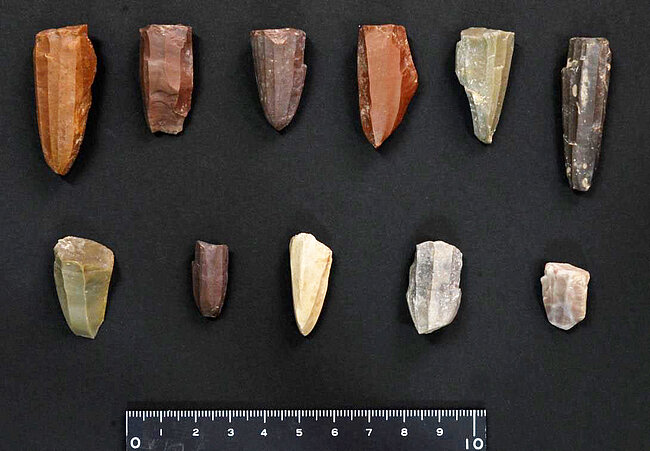
The transition from hunting and gathering to farming and herding stands as one of the major economic changes in the human past. The origins of the Neolithic in the Near East and its expansion into western Anatolia and the Aegean basin are equally crucial for…

Iran

Iran

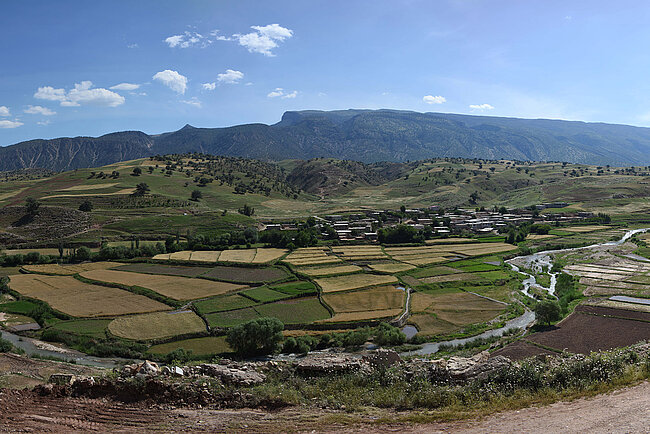
The Prehistoric Sirvan Project deals with the prehistory of the Sirvan and Chardavol Valleys, especially the documentation of prehistoric activities, based on the outcomes of archaeological, environmental, and geological surveys and GIS analyses. Focus of the…

How did bread come to Central Europe?

How did bread come to Central Europe?

Food is the basis of metabolism and, therefore, of life. The Early Neolithic settlement of Brunn am Gebirge (5700-5100 BC) provides important archaeological evidence of a significant shift in food habits and cereal meal processing techniques, which subsequently…

Starčevo hut

Starčevo hut

The Prehistoric Sirvan Project deals with the prehistory of the Sirvan and Chardavol Valleys, especially the documentation of prehistoric activities, based on the outcomes of archaeological, environmental, and geological surveys and GIS analyses. Focus of the…

Visualizing the Unknown Balkans

Visualizing the Unknown Balkans

The aim of this project is to take an innovative and explorative approach to understanding of the past in the Balkans by assembling the results of cross-border and diachronic archaeological research with the use of responsive, wide-ranging visualization tools.

Prehistoric Sirvan

Prehistoric Sirvan

The Prehistoric Sirvan Project deals with the prehistory of the Sirvan and Chardavol Valleys, especially the documentation of prehistoric activities, based on the outcomes of archaeological, environmental, and geological surveys and GIS analyses. Focus of the…

Muster des Keramikrecyclings

Muster des Keramikrecyclings

Während des frühen und mittleren Neolithikums (ca. 6000–5500 v. Chr.) förderte die Entstehung sesshafter Bauerngemeinschaften auf dem zentralen Balkan neue technologische und soziale Praktiken. Unter diesen spielte die Keramik eine zentrale Rolle, da sie eine…

Project Record

Project Record