This project uses the results of a previous OeAI project on Roman pottery production in the border region of Moesia Inferior and Thracia to foster and nuance possibilities for provenance determination or “fingerprinting” of local pottery in the Danube and Balkan provinces of the Roman Empire by broadening the material database of local productions in Moesia, Dacia, and Thracia and testing various archaeometric methods against each other.
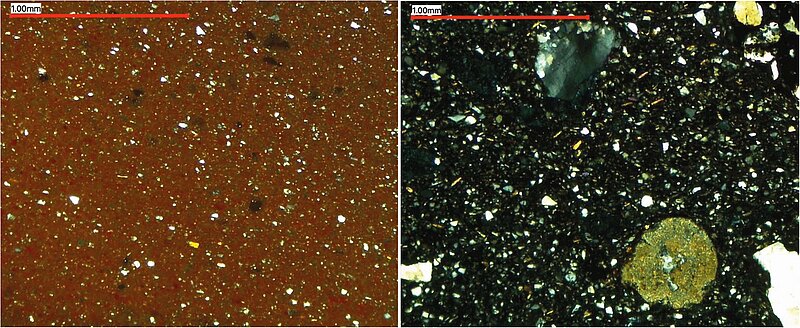
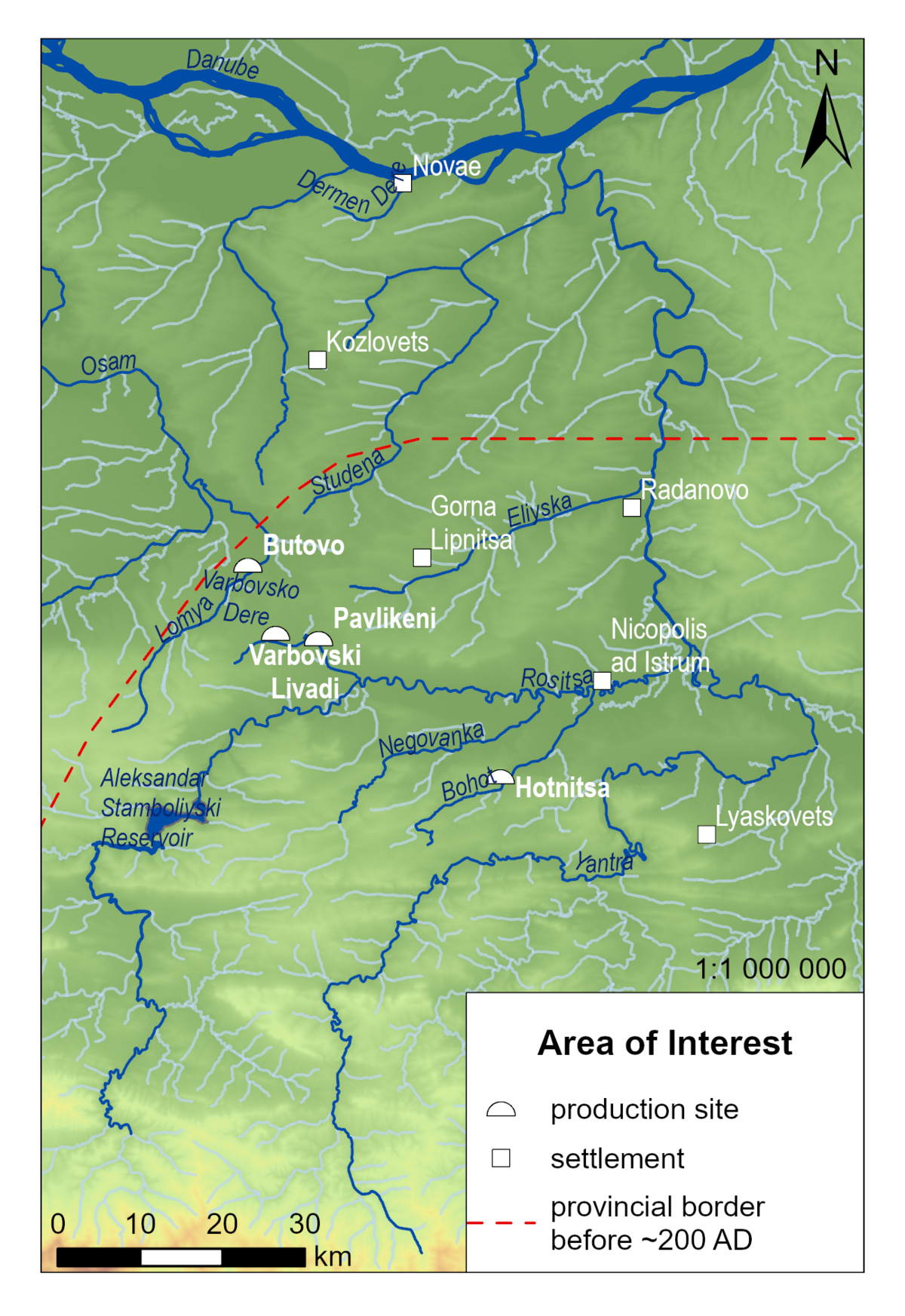
This project builds on an FWF ESPRIT project that was conducted by the PI at the Austrian Archaeological Institute in 2022–2025. This project was able to foster the thorough understanding of the Roman, 2nd–4th century AD pottery production sites of Varbovski Livadi, Butovo, Pavlikeni, and Hotnitsa in the border region of the Roman provinces of Moesia Inferior and Thracia in today’s northern Bulgaria (Central Danubian Plain) by addressing them in an encompassing way for the first time.
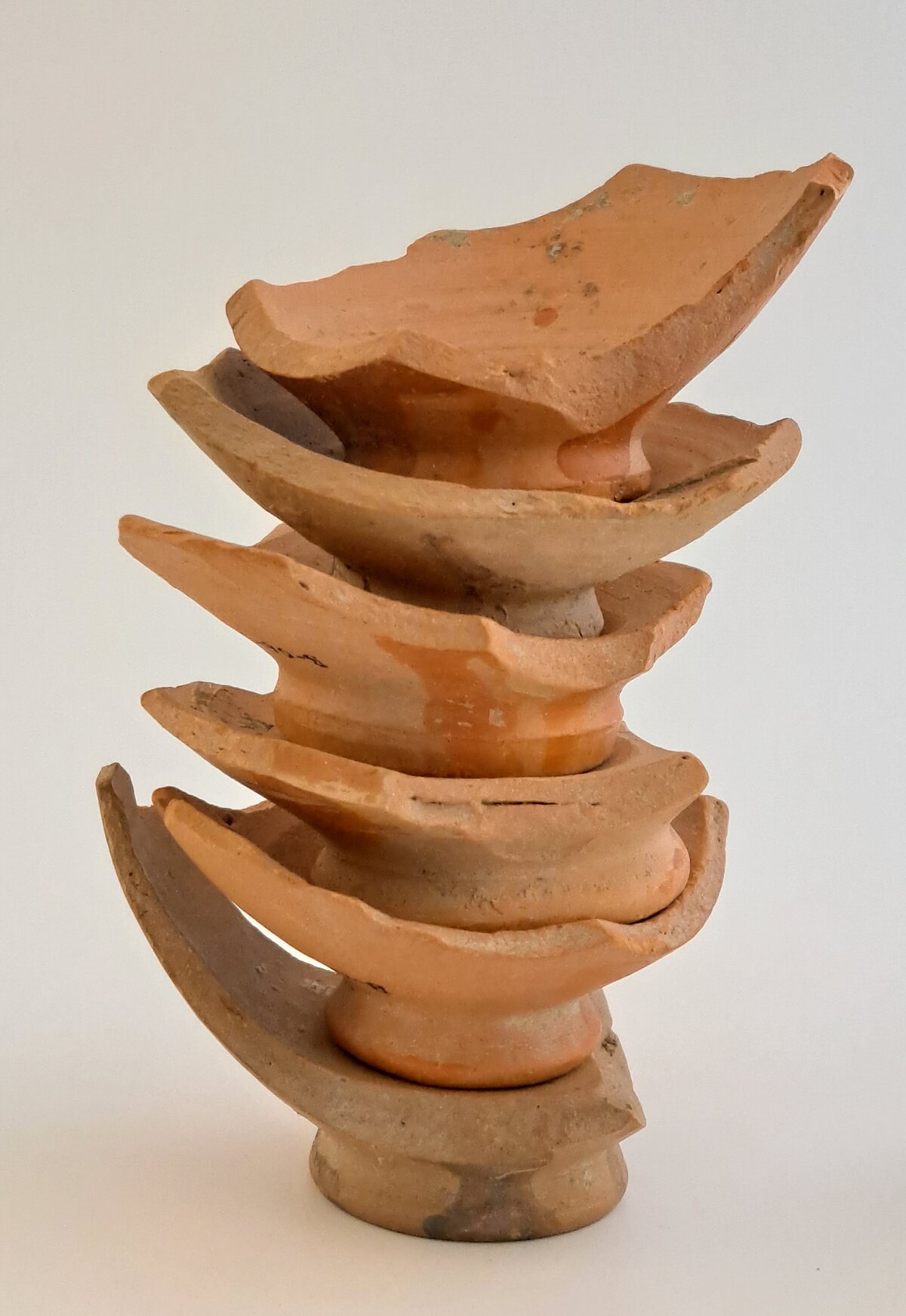
The production sites of Varbovski Livadi, Butovo, Pavlikeni, and Hotnitsa mainly manufactured red slip ware and cooking ware, i.e. vessels for the preparation, consumption, and storage of food and drink, and their distinct typo-chronological and archaeometric characterisation as well as exact provenance determination within the regional setting of their production and distribution had been a desideratum of Roman Archaeology Pottery Studies before.
Now, using a broad database of depot materials from the production sites and a combination of thin-section petrography and Neutron Activation Analysis, it was possible to take a significant step towards the establishment of »fingerprints«, i.e. a specific combination of raw material and tempering, for the four local productions. Applied to red slip ware and cooking ware material from six consumer sites in the wider surroundings of the production sites (Nicopolis ad Istrum, Novae, Kozlovets, Gorna Lipnitsa, Radanovo, Lyaskovets), it was also possible to identify these tentative fingerprints in the archaeological record of other sites and, thus, establish hints at the functioning of regional distribution networks.
This current follow-up project now pursues two main lines of inquiry, building on both the methodological approaches and results of the previous project.
On one hand, additional archaeometric methods other than thin-section petrography and NAA are tested for their potential in nuancing the initial geological and geochemical fingerprints of the production sites at Varbovski Livadi, Butovo, Pavlikeni, and Hotnitsa. XRD, SEM, and experimental refiring may be able to differentiate between the four productions more clearly by revealing differing technological choices or refining the existing elemental composition results.
On the other hand, the applicability of the previous combined approach of thin-section petrography and NAA is tested by adding red slip ware and cooking ware material from other local Roman pottery production in the Danube and Balkan Peninsula area to the overall database: Local productions from neighbouring regions of the border between Moesia Inferior and Thracia are studied in order to broaden the reference datasets necessary for thorough provenance studies. For this, the sites of Troesmis (eastern Moesia Inferior, Pontic area), Yurta-Stroyno (southern Thracia south of the Stara Planina), and Porolissum (Dacia Porolissensis) have been selected. Eventually, the synthesis of both project pillars will allow for the discussion of best practice models in archaeometric studies of Danube and Balkan Peninsula local Roman pottery.
09/2026–02/2030