The project Historizing »Interrituality with the Environment and Religious Orography in Topographic Interactions (HIEROTOPOI)« explores how ancient Greek and Roman communities turned organic nature into sacred landscapes. Combining archaeology, history and religious studies, the project examines how rituals, myths and daily practices shaped human–nature relations and asks what these past worldviews can offer to current ecological debates.

Mountains, springs and coastlines were not just scenery for the people of ancient Greece and Rome. Many of these places were seen as the homes of gods and mythological creatures, or as settings for important rituals. This research project explores how religious ideas and practices shaped natural landscapes in the ancient Mediterranean and how, in turn, these landscapes shaped people’s lives and beliefs.

HIEROTOPOI focuses on the dynamic interplay between religion and nature in ancient Greek and Roman societies, shifting the approach from urban contexts to landscapes shaped through religious interactions. The project includes functionalist views emphasizing socio-political roles of landscapes with phenomenological perspectives highlighting their symbolic and experiential dimensions.
The project aims to understand how ancient communities sacralised their environments and how these religious constructions shaped human-nature relations. Key questions include: How were religious landscapes created and experienced? What methods embedded religious meaning into natural spaces? Can ancient religious practices offer sustainable insights for contemporary ecological discourse?
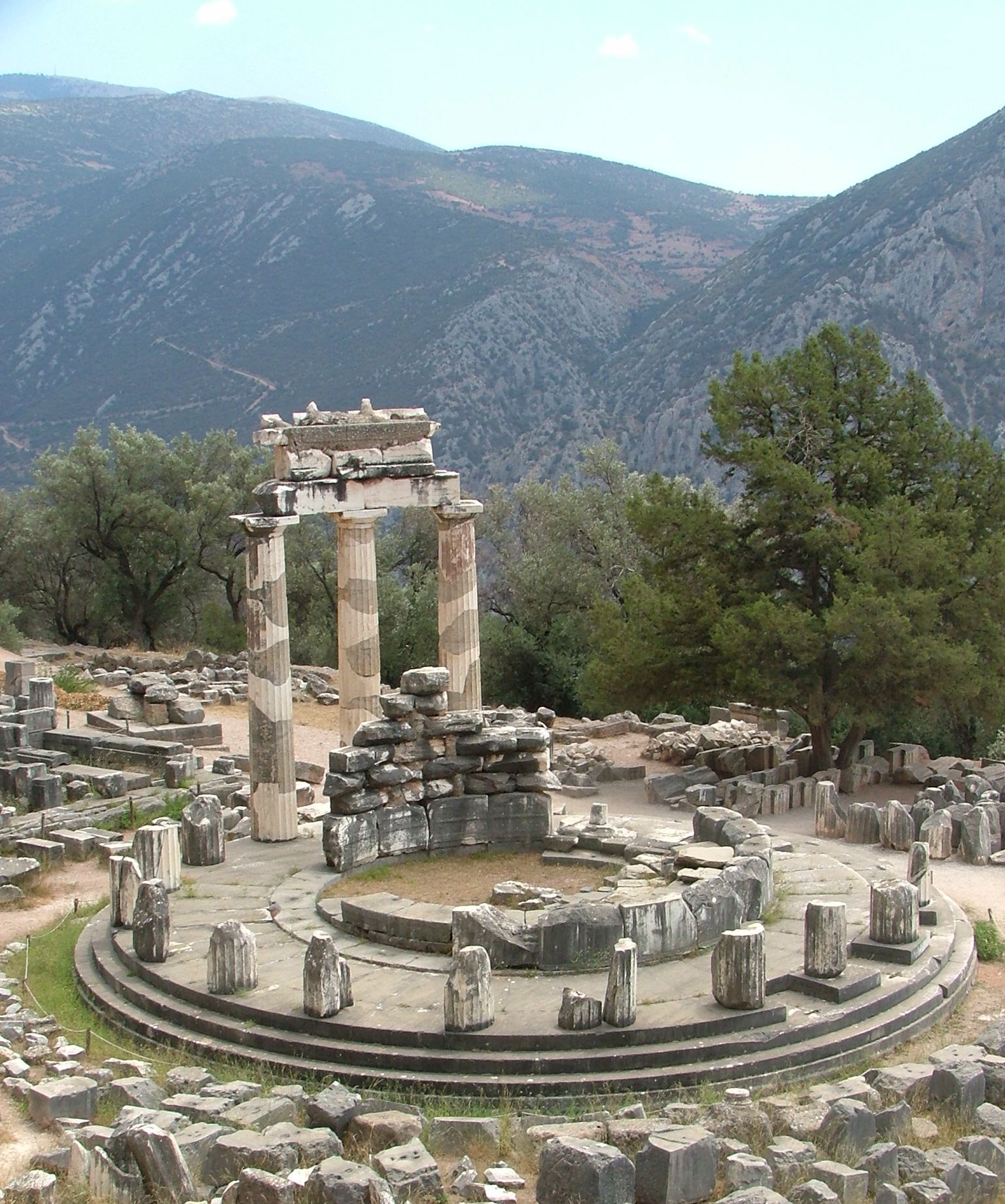
HIEROTOPOI adopts an interdisciplinary methodology comprising textual analysis, archaeological investigation, and gender studies. Individual case studies are conducted by historians, philologists, and archaeologists using discipline-specific methods, such as epigraphy, iconography, and spatial analysis. These studies are unified through a theoretical framework informed by ritual theory, phenomenology, and relational sociology. The methodological structure operates at three levels: detailed case studies, theoretical synthesis across case studies, and continuous coordination and reflexive dialogue within the research team. This layered approach ensures methodological rigor and facilitates interdisciplinary synthesis.
The project integrates theoretical insights from contemporary relational sociology and cultural anthropology into classical studies. HIEROTOPOI combines empirical depth with conceptual originality, proposing new definitions to key terms such as ancient religion, religious landscape, and ritual. Moreover, HIEROTOPOI innovatively engages contemporary ecological concerns by using ancient world-relations as potential models for sustainable human-nature interactions.
In sum, by looking closely at specific places – such as mountain sanctuaries, healing springs or coastal shrines – and then comparing them, the project aims to offer a new, more holistic view of ancient religion. At the same time, it speaks to broader questions that concern us today: how human societies give meaning to their environments, how sacred places can shape social and political life, and how past ideas about the natural world might inspire more sustainable ways of living with our landscapes in the future.
03/2026–03/2029


