With the rise of Urnfield Cultures (14th–11th c. BC), metal exchange networks spread across Europe due to unequal resource distribution. The MeTEx project investigates copper exchange between Central Europe's metal-producing and consuming regions. It explores whether copper circulated as standardized, shape-based ingots (e.g., axes, sickles, rings), combining archaeological, chemical, and network analyses to trace provenance and trade intensity.
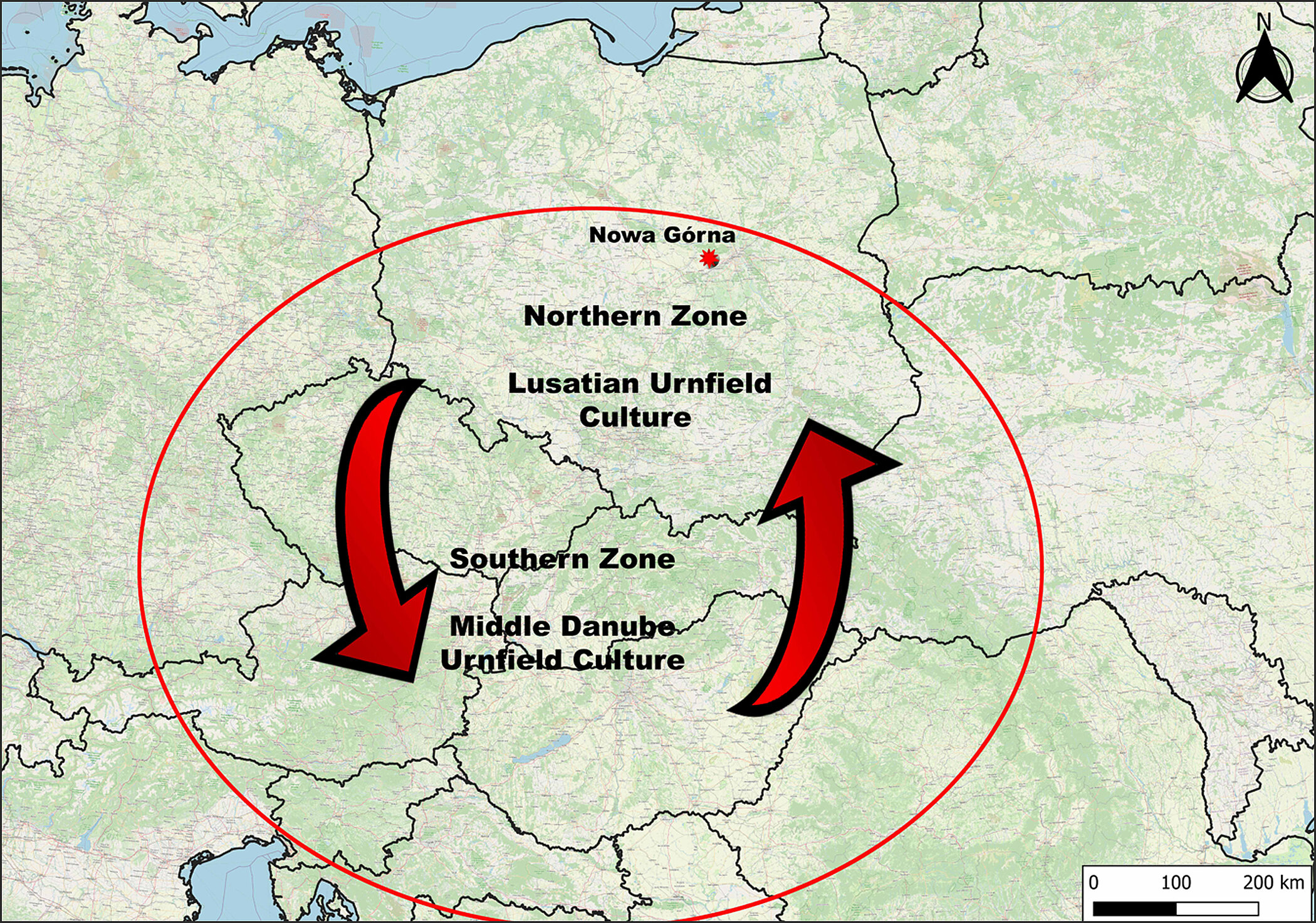
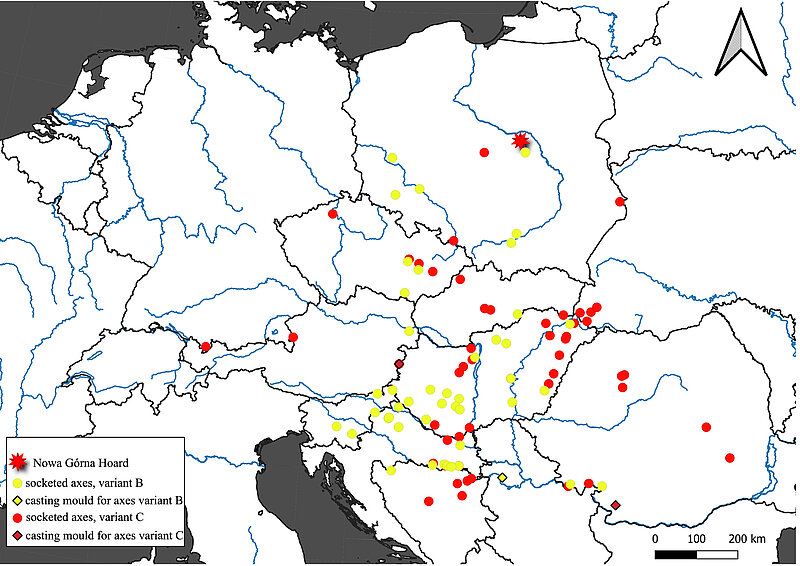
With the emergence of the Bronze Age Urnfield cultures across much of Europe (14th–11th centuries BC), long-distance interpersonal and intercultural contacts flourished. A major driving force behind these interactions was the desire to participate in the exchange of metals. Because raw materials were unevenly distributed, communities lacking natural resources depended on extensive networks linking producers, traders, and specialist craftsmen, all engaged in a broad system of exchange.
One of the key aims of modern archaeometallurgical research is to determine the provenance of metals and reconstruct their distribution patterns. The principal objective of the MeTEx project is to investigate the nature of metal exchange in Central Europe, focusing on the relationships between metal-producing and metal-consuming regions. A central question of the project is to identify the range and intensity of interactions between two major zones – the Northern and Southern regions – particularly with respect to the supply of copper.
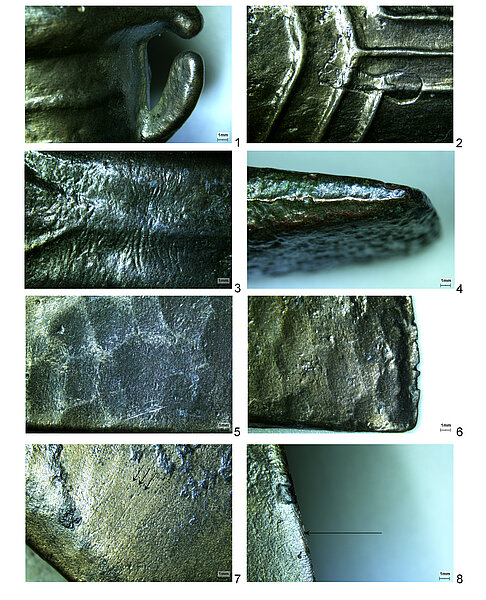
The project’s working hypothesis proposes that metal artefacts played diverse roles within exchange systems. Some objects, such as axes, sickles, and rings, functioned as shape-based portions of raw material, transported over long distances, fragmented, and remelted to create new, locally distinctive items. By conducting detailed analyses of selected metalwork from Central and Southern Europe, the project will test whether copper in the Central European Urnfield cultures was distributed in the form of standardized “shape-based ingots.”
The MeTEx project will generate a comprehensive dataset of new analytical results from metal artefacts and reconstruct the copper exchange networks of Central Europe. Through an interdisciplinary approach—combining archaeological evidence with physical, chemical, and network analyses—the project will determine metal provenance across distinct prehistoric zones and highlight the significance of a previously unexplored “shape-based” copper economy in the Bronze Age.
01/2025–31/2026