The procurement of raw materials reflects not only ecological, economic, and functional considerations but also social and symbolic factors. A comprehensive interpretation must incorporate these diverse perspectives within a holistic framework, considering the interplay between the material properties of clays, the physical landscape around their sources, and how people perceive and value them.
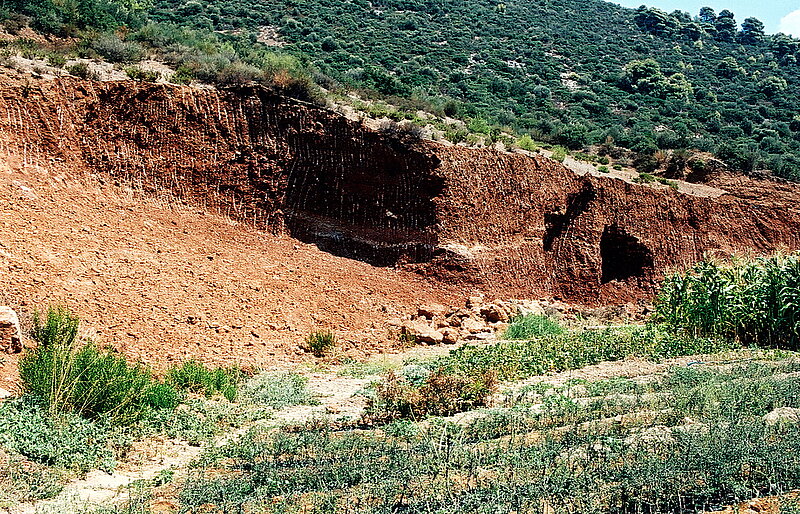
Reference collections based on raw material analyses are crucial for tracing the origins and trade of ancient artifacts. They reveal diverse local strategies for sourcing and processing materials, highlighting different manufacturing traditions across regions. These collections shed light on ancient potters’ choices and understanding of natural resources to create optimal products.
Ephesos sits in the Küçük Menderes valley, between the Cycladic Metamorphic Complex and the Menderes Massif, both characterized by high-pressure metamorphic rocks. These formations extend beyond the valley, creating a geological homogeneity that still poses challenges for archaeometric studies in distinguishing regional exchange networks. Consequently, key aspects of ancient pottery production remain unclear, such as whether multiple independent centers existed or if a few specialized workshops served the entire region.
Since the 1990s, scholars have surveyed the area around Ephesos to locate ancient clay sources for ceramic production. This research also led to encounters with traditional potters and brick-makers, turning the project into an ethnographic survey that captured now-lost crafts and communities. While primarily focused on the surroundings of the ancient city and the Küçük Menderes Valley, the survey expanded to the Büyük Menderes Valley, Samos Island, and the Gediz River. Special attention was given to clay deposits near significant ancient centers of central-western Asia Minor—such as Miletus, Didyma, Phocaea, and Pergamon—closely connected to the history of Ephesos. The collected clay samples were analyzed using techniques such as thin section, mineralogical (XRD), heavy mineral, and geochemical (XRFWDS and NAA).
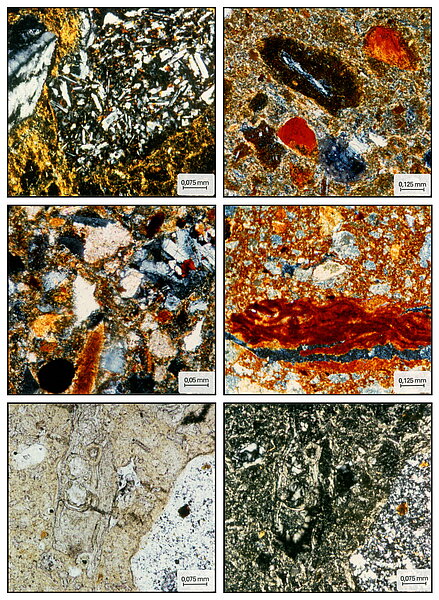
The project will enable a more comprehensice reconstruction of the pottery production throughout the long and varied occupation of Ephesos, from archaic to byzantine times. Key outcomes include:
since 2022