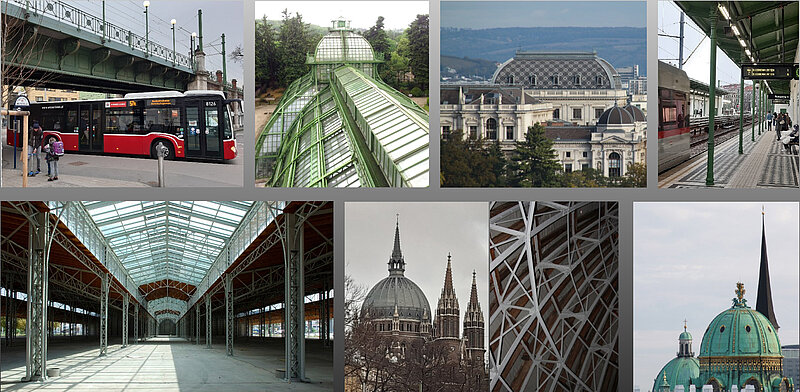
The bold, often wide-span iron structures such as bridges, viaducts, halls, but also domes, glass roofs, and greenhouses still bear witness today to the innovative power and technical know-how of the building culture in the Austrian monarchy in the second half of the 19th century.
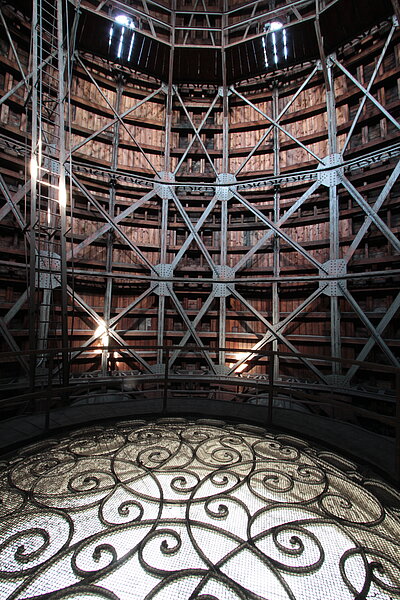
However, scientific research into the widespread use of iron as a building material in the Austrian monarchy is rare and has so far been conducted primarily from the perspectives of economic history, industrial archaeology, and architectural history. Less attention has been paid to the preserved structures themselves, their underlying construction principles, advanced calculation methods, improved material qualities, manufacturing processes, and construction methods. This desideratum becomes even more apparent in view of pressing monument preservation issues concerning the preservation of structures still in use. Increased safety requirements, additional payloads, and the effects of climate change make efficient analysis methods and reliable data collection indispensable.
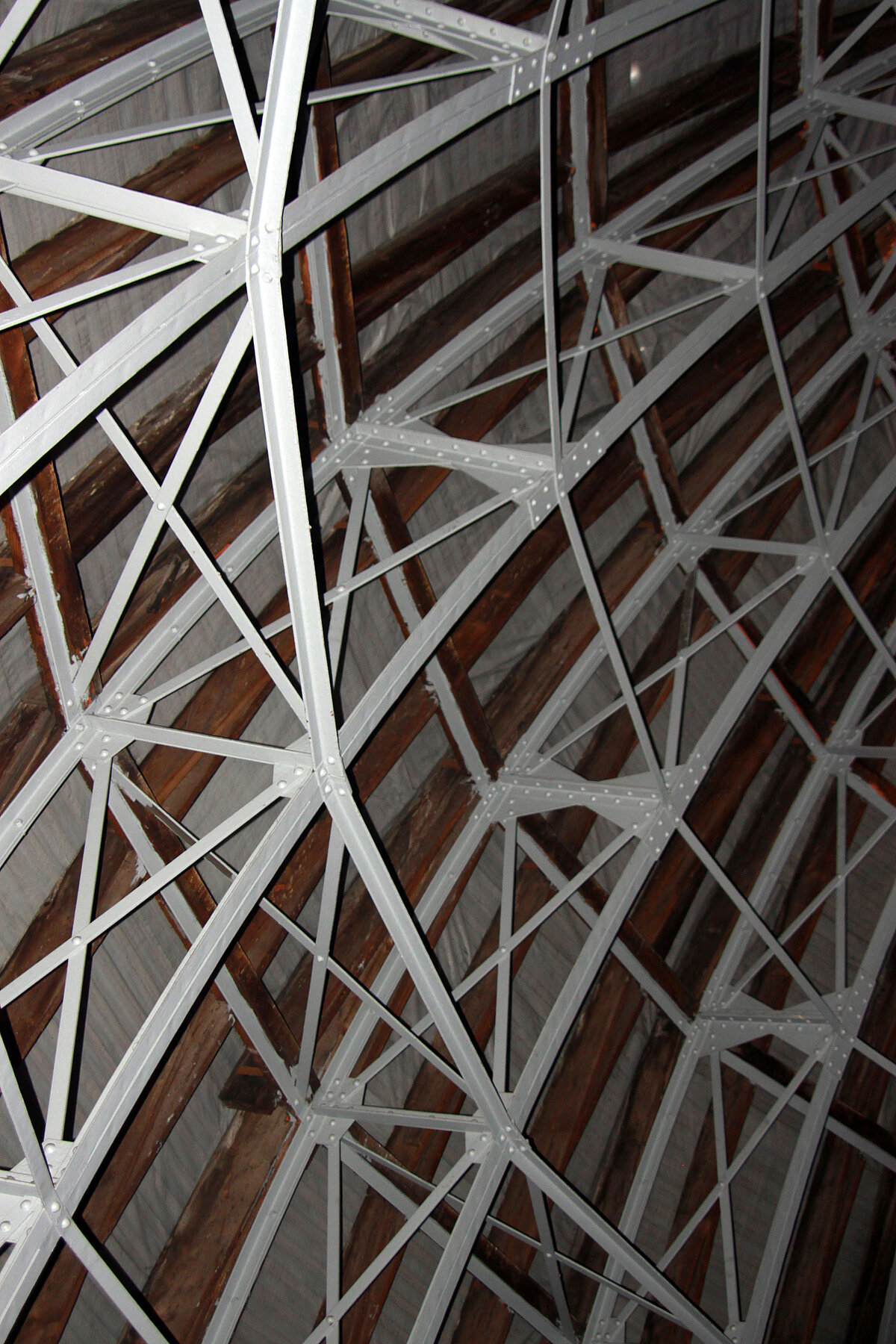
In an exemplary but detailed interdisciplinary analysis with specialized partners from the humanities, natural sciences, and engineering, iron structures are examined with the aim of sustainable, systematic, and consistent recording and evaluation. For the first time, issues relating to building research, the humanities, monument preservation, and materials science will be addressed in a coherent manner by analyzing selected iron structures in terms of materials and construction, but also in terms of their historical significance. This approach opens up new research perspectives with the aim of providing a coherent analysis and presentation of industrial and construction activities in 19th-century iron construction in the Austrian monarchy on the basis of a wide range of recorded object data and historical source material.
The equally necessary basic and application-oriented research expands the basis for conservation strategies for these monuments and makes a valuable contribution to the state of European research in this field.
04/2026-03/2030