
The research topic Language Dynamics combines research projects that focus on aspects of language variation and/or language change in different languages and varieties. A linguistic-geographical and sociolinguistic focus is on languages and varieties in the Austrian context yesterday and today (especially varieties of German and Slavic); see the long-term project Language Dynamics in Austria (DynAT). Another areal linguistic focus bundles projects on Arabic.

The theoretical paradigms in which the department’s research on language dynamics is embedded include variation and sociolinguistics, dialectology, historical linguistics and language change research as well as language attitudes research.
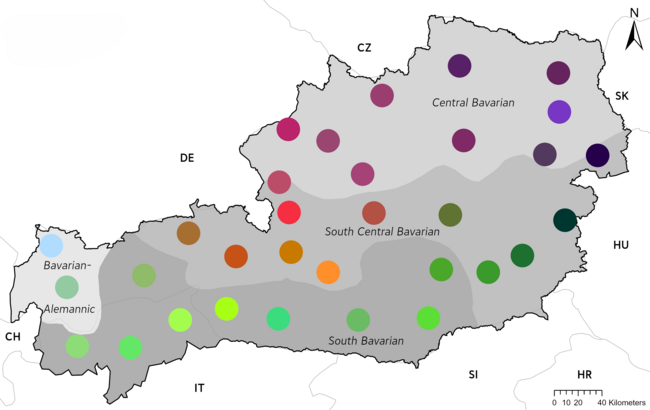
 

Aspects of (multi-)lingualism in Austria

Aspects of (multi-)lingualism in Austria

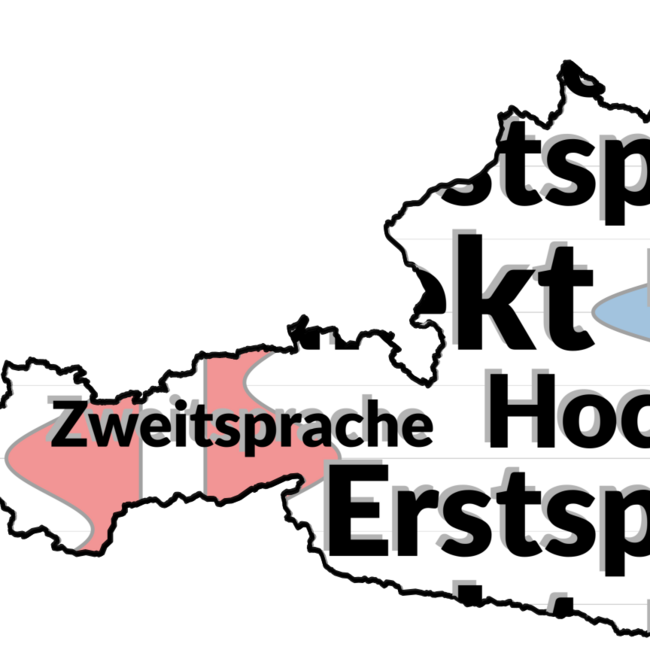
This project conducts a survey on “Aspects of (multi-)lingualism in Austria” that is representative for Austria’s electorate population.

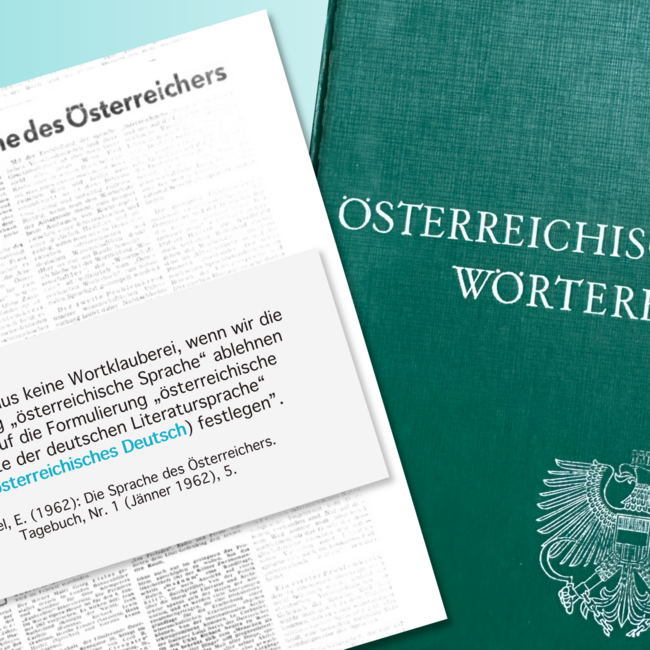
Austriacisms – AMC meets Variationist Linguistics

Austriacisms – AMC meets Variationist Linguistics

A joint pilot project of the RU Linguistics and the SFB “German in Austria” focuses lexical variation, providing innovative analyses based on both present day and historic data.

BASyQ

BASyQ

At the heart of the project lies the quantitative analysis of the spatial structure and dynamics of the Bavarian base dialects in Austria and South Tyrol, drawing on material from the Dictionary of Bavarian Dialects in Austria (WBÖ).

History and Philosophy of Linguistics

History and Philosophy of Linguistics

The linguistic research on the German language in Austria is being reflected and contextualized in this project from the perspectives of history of science and philosophy of science (as well as sociology of knowledge).

LexAT21 – Atlas on lexical variation in Austria in the 21st century
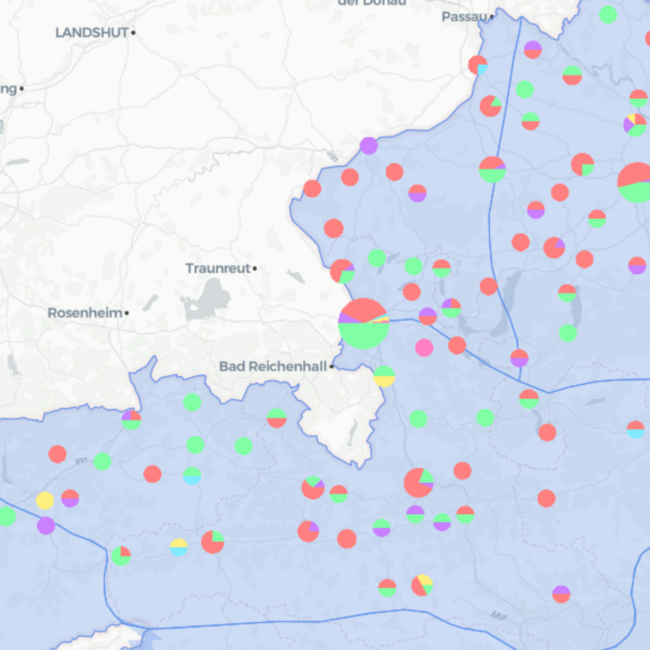
LexAT21 – Atlas on lexical variation in Austria in the 21st century

LexAT visualizes lexical variation of the spoken language in Austria on the whole dialect-standard-axis multi-perspectively and interactively through an innovative mapping tool.

LexVAD20 – Lexical Variation of Austrian Dialects in the 20th century

LexVAD20 – Lexical Variation of Austrian Dialects in the 20th century
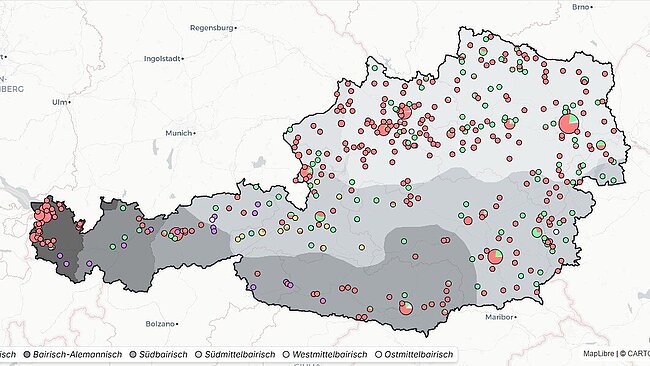
The project’s central objective is to make historical dialect data collected in the context of the Marburg research project German Word Atlas / Deutscher Wortatlas accessible, as well as to carry out geolinguistic mapping and analytical investigations of the data.

DynAT – Language Dynamics in Austria

DynAT – Language Dynamics in Austria

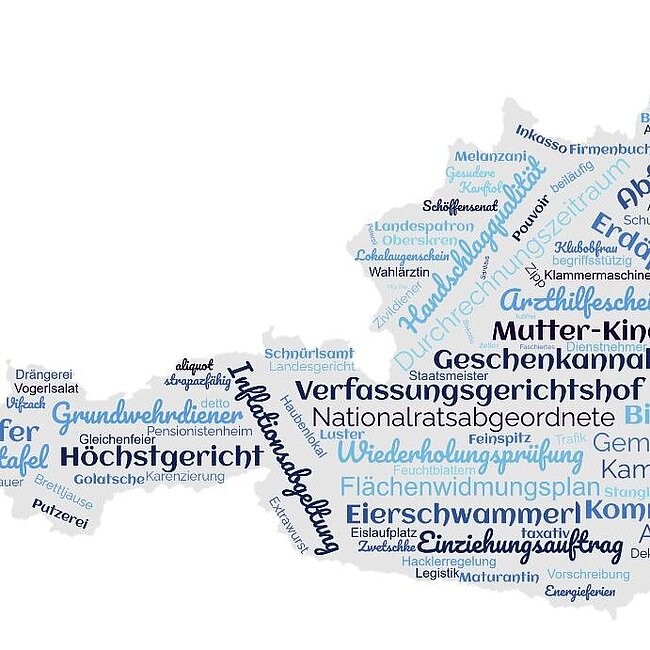
The project Language Dynamics in Austria (DynAT) is a long-term project of the Austrian Academy of Sciences (ÖAW). The aim of the project is to document and analyze processes of language variation and language change in Austria.

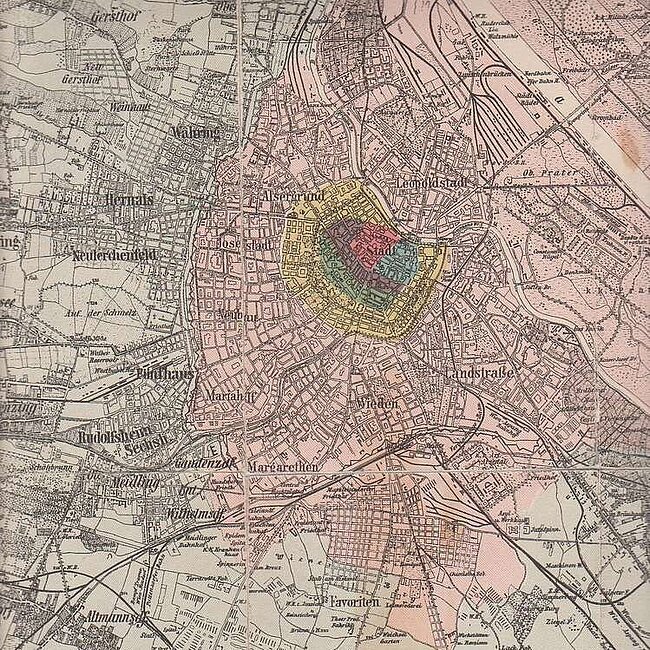
Nestroy’s Vienna

Nestroy’s Vienna

Georeferencing of place names and collection of persons and scientific terminology in Nestroy's work.

RAHiG – Relational Adjectives in the History of German
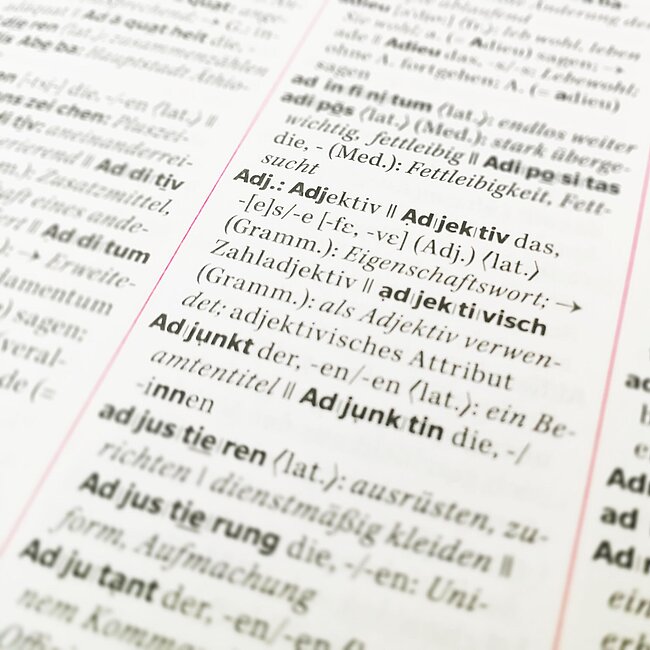
RAHiG – Relational Adjectives in the History of German

The project deals with relational adjectives and their historical development in German.

SFB “German in Austria"

SFB “German in Austria"

Collaborative efforts of the research unit "Linguistics" regarding its sociolinguistic scope with the SFB "German in Austria"

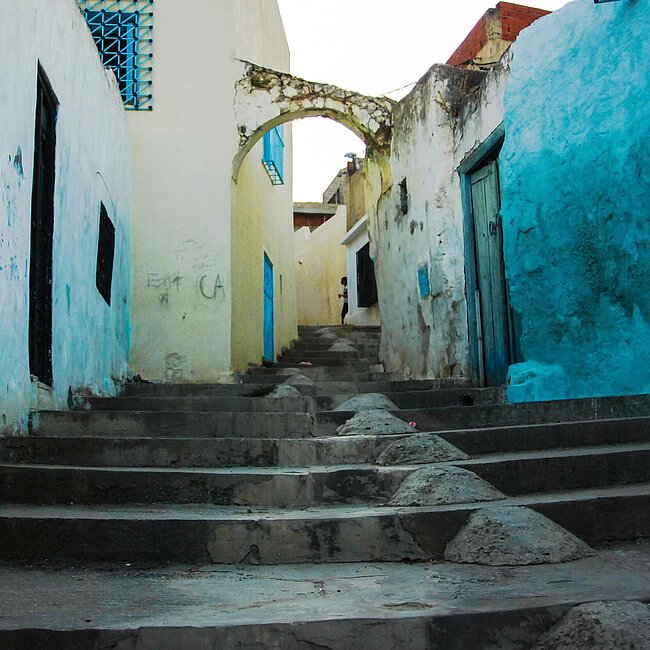
TUNOCENT – Tunisia’s Linguistic terra incognita

TUNOCENT – Tunisia’s Linguistic terra incognita

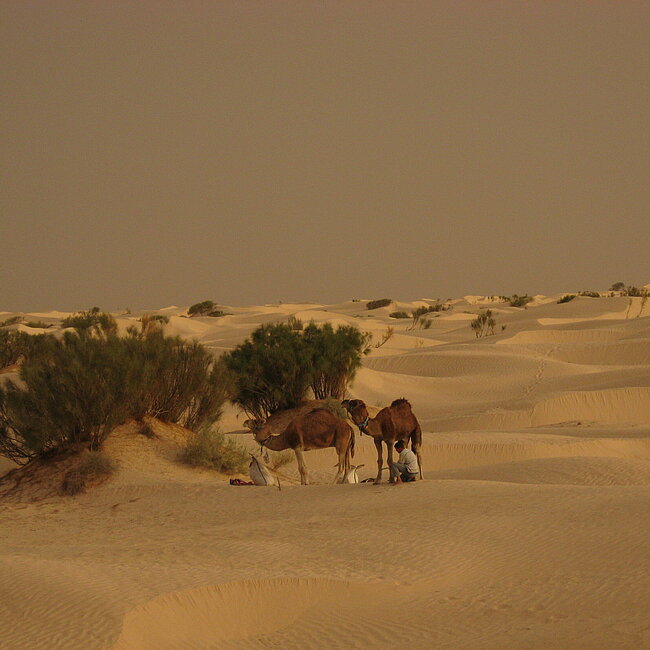
TUNOCENT will provide up-to-date linguistic data and analysis for the hitherto almost unknown Arabic varieties spoken in northwestern and central Tunisia.

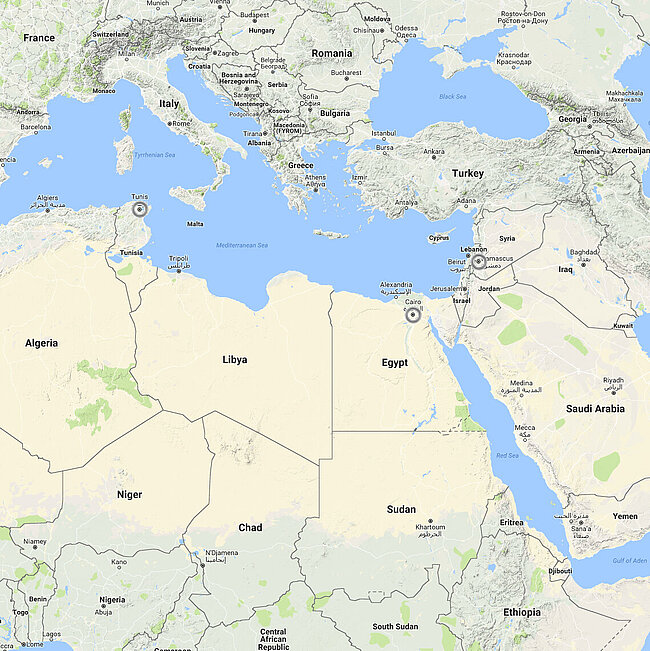
VICAV – Vienna Corpus of Arabic Varieties

VICAV – Vienna Corpus of Arabic Varieties

This online Corpus of Arabic varieties is a virtual research platform for Arabic dialectology and a testing ground for new text technological methods.

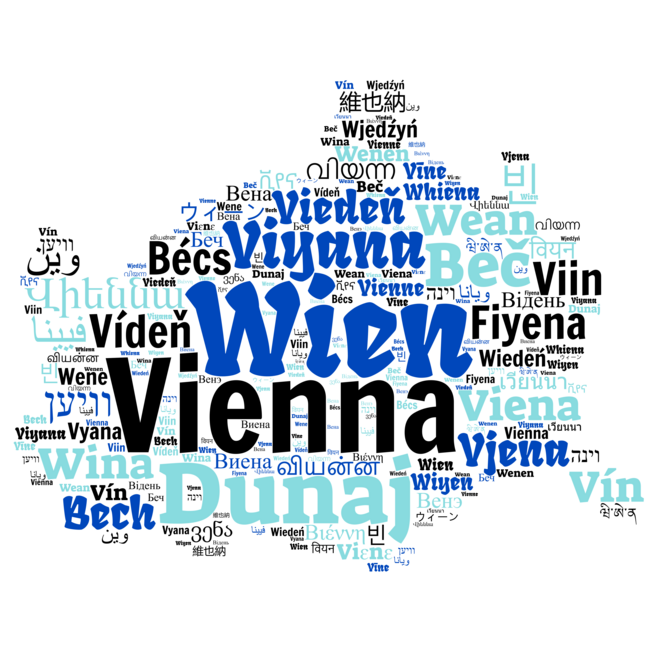
Vienna – different and multi.lingual

Vienna – different and multi.lingual

Vienna is particularly multilingual. To show the diversity of the city, the project surveys the competences and use of different languages and varieties of German in Vienna.

WIBARAB – What is bedouin-type Arabic?

WIBARAB – What is bedouin-type Arabic?

The linguistic and socio-historical realities behind the millennia-old dichotomous concept of nomadic and sedentary people in the Middle East and North Africa