


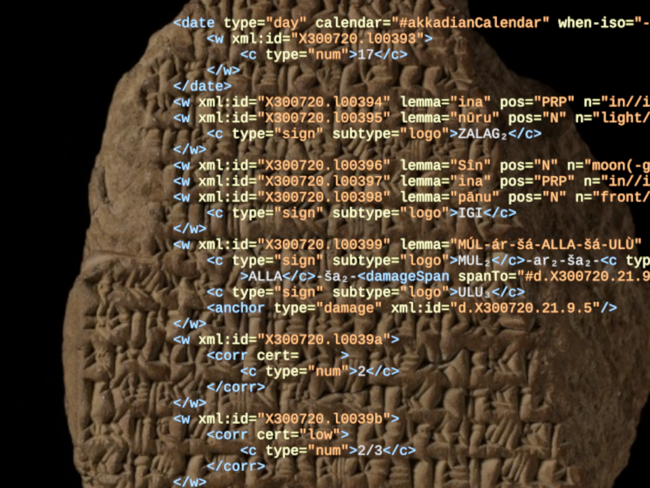
Data processing and analysis are crucial operations in data-driven humanities scholarship and thus an integral part of the research data lifecycle in many projects. These activities comprise a broad range of tasks, from natural language processing (NLP) to conversion of datasets between formats and creation of automated, re-usable pipelines for data enrichment.
Given the special nature of humanities data, it is necessary to combine automated processing with manual review and curation into hybrid workflows. This approach requires robust data management practices to maintain data integrity and to ensure accurate attribution of human labour. This is especially relevant with Artificial intelligence (AI) being increasingly utilized in data analysis which offers powerful techniques for handling, interpreting and enriching large amounts of data. While machine learning algorithms can support the identification of patterns and relationships within data and have great potential to generate new insights that might not be apparent through traditional analysis methods, an exclusively statistical approach falls short given the complexity of Digital Humanities and cultural heritage data. In the spirit of open science principles, we therefore strive to ensure transparency and reproducibility of the applied procedures.
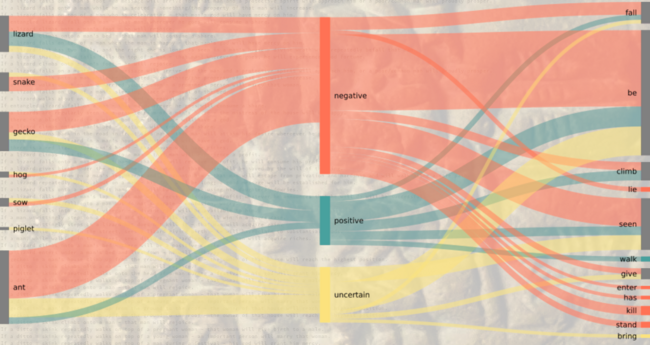
Data processing has to work in tandem with web development and visualization. Creating user-friendly interfaces and platforms that enable researchers to interact with and manipulate their data effectively is a crucial prerequisite especially for hybrid workflows. Rich interactive visualization techniques not only aid in uncovering hidden patterns and trends in the collected data but also facilitate more effective communication of research findings to a broader audience. In humanities scholarship, visualizations can make abstract concepts tangible, helping scholars illustrate their arguments and engage with their data in a more intuitive manner.
Bestiarium Mesopotamicum – Animal Omens in Ancient Mesopotamia