


Archaeology and classical studies
Austrian Archaeological Institute - OeAI
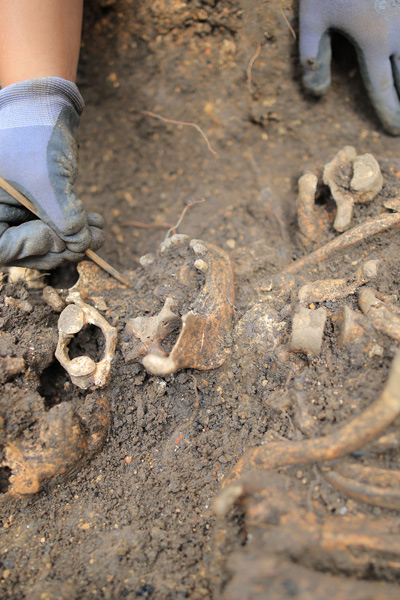
The OeAI brings together basic research in the fields of archaeology and classical studies. Its core mission is to investigate human history from the Quaternary period through to modern times. The departments of Prehistory & West Asian/Northeast African Archaeology, Historical Archaeology, and Classical Studies cover the full range of subjects and methodological approaches within their respective disciplines. The institute has been leading excavations in Ephesus for more than 130 years. With excellent laboratory facilities, diverse expertise, and an interdisciplinary approach, the OeAI is regarded as a center of international cutting-edge archaeological research.
Dominikanerbastei 16, 1010 Vienna
Asian studies and social anthropology
Institute of Iranian Studies - IIS
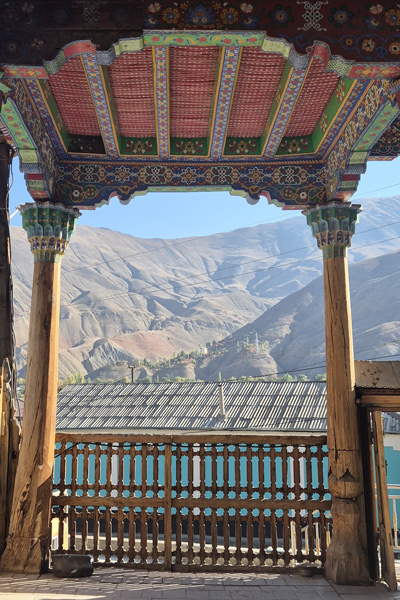
As the largest Iranian studies research institute in Europe, the IIS conducts interdisciplinary research on the history, languages, literature, religions, and material culture of Iran from prehistory to the present. Particular attention is paid to Iran’s close historical and cultural ties with Central Asia, the Caucasus, and South Asia. The IIS’s research supports the de-ideologization of common explanatory models of the history of this region and promotes an understanding of its diverse Afro-Eurasian and global interconnections.
Dominikanerbastei 16, 1010 Vienna
Institute for the Cultural and Intellectual History of Asia - IKGA

The goal of the IKGA is long-term research into the cultures of East, Southeast, South, and Central Asia. The research is based on primary sources and uses a philological-historical methodological framework with a focus on cultural studies. Research projects are dedicated to editing important primary sources, compiling specialized dictionaries, and investigating historical questions. The results of the institute’s work advance knowledge of the cultures and societies of Asia, which are becoming increasingly intertwined with Europe.
Dominikanerbastei 16, 1010 Vienna
Institute for Social Anthropology - ISA
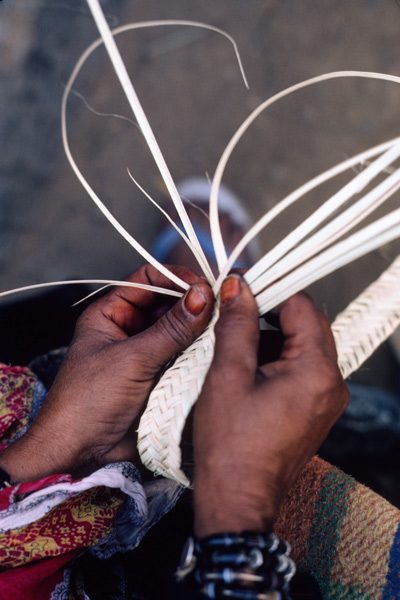
The ISA conducts basic research in ethnography, history, and the history of science in the Middle East, Inner Asia, and Southeast Asia. The focus is on spatial, social, political, and religious movements, as well as social and ecological changes. The institute is distinguished by its academic diversity, expertise in art-based research and material culture, and public events. The ISA also curates and researches significant collections in social anthropology, such as the Ranajit Guha archive.
Dominikanerbastei 16, 1010 Vienna
Historical sciences
Institute for Habsburg and Balkan Studies - IHB
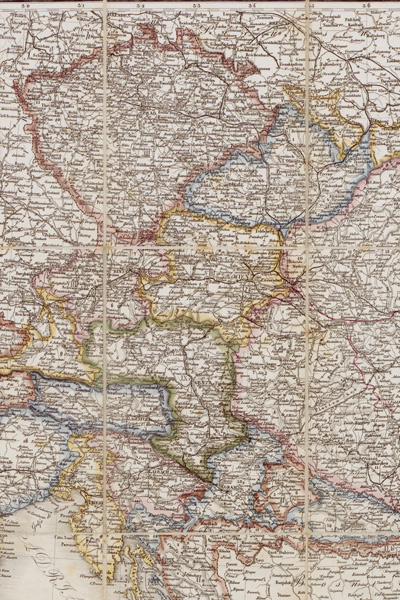
The IHB studies the Habsburg Monarchy and the Balkan region from historical, art-historical, linguistic, and anthropological perspectives. In doing so, it makes important contributions to processing, preserving, and interpreting the cultural heritage of Austria and Southeast Europe. Spanning various historical periods and using a wide range of methodologies, the institute’s projects address historical and cultural studies questions, making extensive use of digital humanities techniques.
Dominikanerbastei 16, 1010 Vienna
Institute for Medieval Research - IMAFO
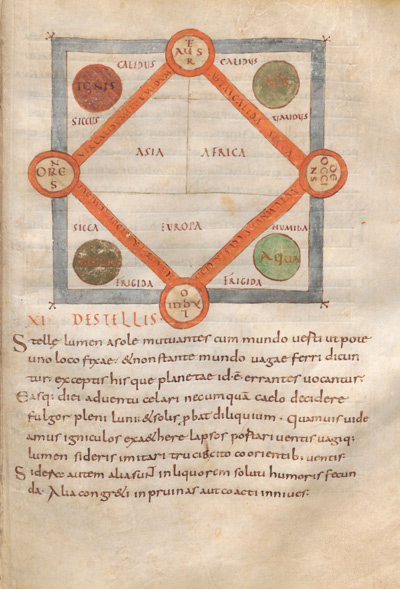
As a leading international research center on the Greco-Latin Middle Ages and Eastern Christianity, the IMAFO engages in the processing and interpretation of medieval heritage – particularly manuscript culture – through historical-philological source research and innovative digital methods. Within an interdisciplinary framework, the institute addresses cutting-edge research questions on knowledge cultures and multilingualism, identity and community building, environmental history and resilience, as well as mobility and global networks.
Dominikanerbastei 16, 1010 Vienna
Cultural Studies and Digital Humanities
Austrian Centre for Digital Humanities - ACDH

The ACDH promotes basic research in the humanities focused on processing, documenting, analyzing, and interpreting historical and contemporary research objects through the targeted use of digital methods and develops innovative technologies for the humanities. The institute serves as a bridge at the intersection of AI research and the humanities. With its broad range of subject-specific and technical expertise and its high-quality, curated data, the ACDH is ideally positioned to further develop specialized models.
Bäckerstraße 13, 1010 Vienna
Institute of Culture Studies - IKW

The IKW investigates how knowledge is produced, shared, culturally encoded, and remembered, and how identities are constructed with it at the local, national, and global levels. It examines the questions of what social functions knowledge fulfills, which past is remembered and which is forgotten, and how societies grapple with traumatic experiences (the Holocaust, genocides, colonialism), as well as contemporary manifestations of antisemitism in their historical dimensions and current implications. The aim is to foster a critical understanding of current norms governing social behavior.
Bäckerstraße 13, 1010 Vienna
Social Sciences and Law
Vienna Institute of Demography - VID

The research of the Vienna Institute of Demography (VID) focuses on trends and determinants of family formation and fertility, migration, health, and longevity, as well as analyses in the field of population economics. The impact on society, the economy, and the environment is also examined. Overarching research areas include the demography of human capital and the comparative demography of Europe, with a particular focus on population trends in Austria. As part of the Wittgenstein Centre for Demography and Global Human Capital, the VID collaborates closely with the IIASA and the University of Vienna.
Dominikanerbastei 16, 1010 Vienna
Institute for Urban and Regional Research - ISR
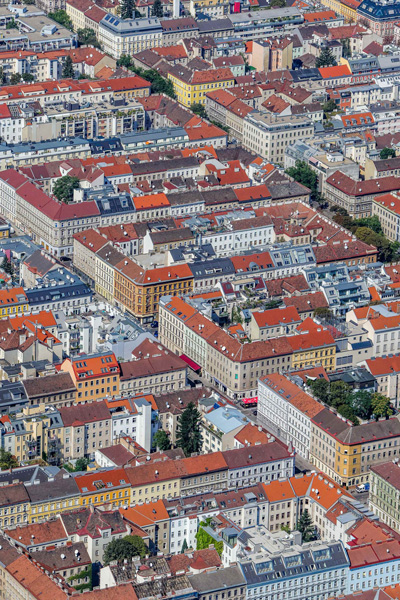
The ISR focuses on the analysis of spatial structures and dynamics in an urban context. Its work centers on the interplay between social dynamics, economic structural change, and the natural and built environments. The ISR’s core research areas are guided by current societal challenges – social diversity, housing markets, and the sustainability transition. The ISR takes a multi-perspective approach and aims to integrate innovative approaches – such as artificial intelligence – into urban research.
Bäckerstraße 13, 1010 Vienna
Institute for European Tort Law - ETL

The Institute for European Tort Law (ETL), run in cooperation with the University of Graz, is the leading European research institute in tort law. It investigates national, European, and transnational liability issues from a comparative and interdisciplinary perspective and serves as a European hub for exchange between academia and practice. In doing so, the ETL makes an important contribution to the further development and harmonization of tort law in Europe.
Reichsratsstraße 17, 1010 Vienna
Institute for Interdisciplinary Mountain Research - IGF

The IGF researches the impacts of climate change and globalization in mountain regions and analyzes human-environment systems in the cryosphere, lithosphere, biosphere, and anthroposphere. Using innovative approaches, extensive databases, and models, the institute investigates processes such as glacier retreat, natural hazards, changes in biodiversity, and land-use change. The focus is on the Alps, but international collaborations enable global perspectives. The IGF’s long-standing basic research contributes to addressing challenges such as sustainability and climate change.
Innrain 25, 3. OG, 6020 Innsbruck
Institute for Comparative Media and Communication Studies - CMC

The CMC, operated by the OeAW and the University of Klagenfurt, examines the evolving role of media and journalism in public communication. Its three working groups each focus on key institutions of the public sphere: media, politics, and science. The working groups’ perspectives differ in their approach to questions of ethics and responsibility, democracy and participation, as well as truth and factuality. Thus, they each address distinct research fields that intersect and complement one another.
Bäckerstraße 13, 1010 Vienna
Life Sciences
AITHYRA – Research Institute for Biomedical Artificial Intelligence
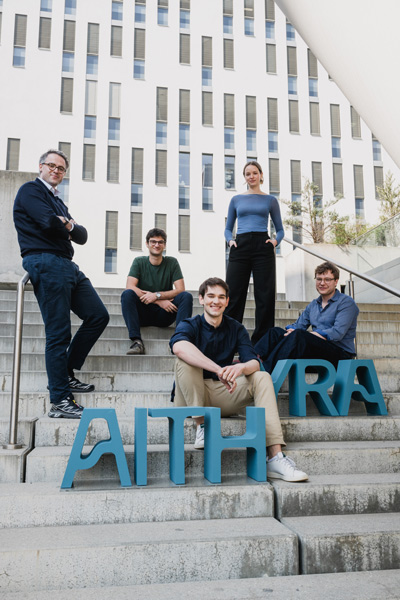
Founded in 2024, the AITHYRA Research Institute for Biomedical Artificial Intelligence pursues the ambitious goal of fundamentally transforming the biological sciences through AI-based approaches. With this visionary strategy, AITHYRA aims to enable sustainable progress for human health. As a new OeAW institute with financial support from the Boehringer Ingelheim Foundation, AITHYRA is based in Vienna, one of the central hubs of European life sciences research.
Helmut-Qualtinger-Gasse 2/Stiege 2, 1030 Vienna
CeMM - Research Center for Molecular Medicine
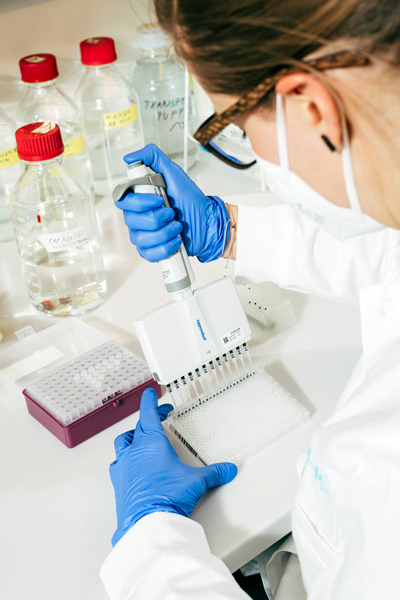
Located on the campus of the Medical University and Vienna General Hospital, the highly international and interdisciplinary CeMM combines basic research with clinical expertise to develop innovative approaches for precision medicine. Key research areas include cancer, the immune system, metabolism, and cellular aging processes. Close collaboration with clinical practice enables the further development of chemical substances, biological elements (proteins, antibodies, RNA), and cells to treat diseases in a targeted manner.
Lazarettgasse 14, AKH BT 25.3, 1090 Vienna
Cori Institute of Molecular and Computational Metabolism - CORI
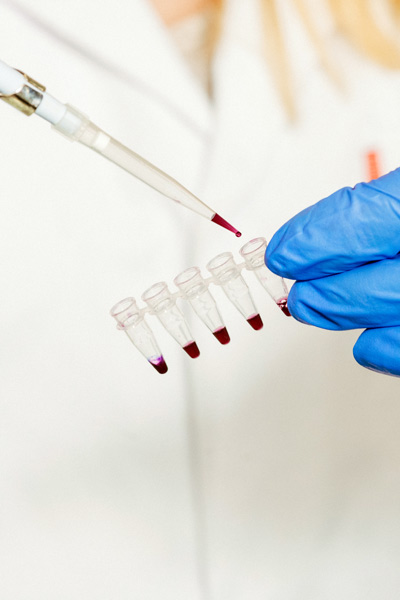
The Cori’s central research focus is the study of complex human metabolic processes. These are to be investigated both experimentally – for example, by studying biochemical processes – and with the aid of mathematical models, such as through computer-aided methods and artificial intelligence. The Cori aims to contribute to a deeper understanding of widespread diseases such as diabetes, cancer, and cardiovascular diseases, thereby laying the groundwork for the development of new therapeutic approaches.
Graz
GMI - Gregor Mendel Institute of Molecular Plant Biology
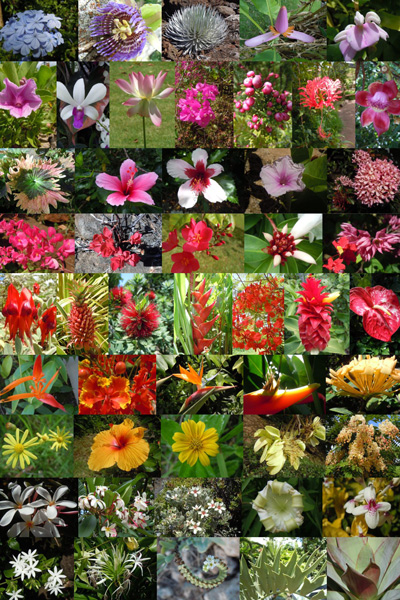
The GMI is a world-leading institute for basic plant research. Research at the GMI aims to understand growth, development, and environmental interactions at the genetic and molecular level. The spectrum ranges from the analysis of individual molecules to complex ecosystems, with a wide variety of plants used as model organisms depending on the research question. With this focus, the GMI makes a decisive contribution to issues of global relevance such as climate change and sustainable food security.
Dr. Bohr-Gasse 3-5, 1030 Vienna
IMBA - Institute of Molecular Biotechnology
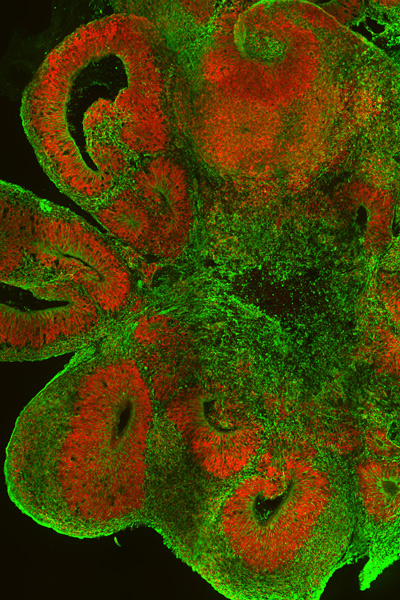
IMBA is a leading European institute in the field of basic biomedical research. IMBA researchers address a broad spectrum of molecular biology topics. The main areas of focus are stem cells and regeneration, the development of disease models including organoids, and chromosome biology including genome defense. IMBA research has the potential to enable medical innovations and entrepreneurship. The institute offers an integrative and positive work environment where tomorrow’s leading researchers are trained.
Dr. Bohr-Gasse 3-5, 1030 Vienna
Mathematics, physics, space research and materials sciences
Johann Radon Institute for Computational and Applied Mathematics - RICAM

RICAM is an OeAW research institute in the field of applied mathematics that brings together modeling, simulation, inverse problems, optimization, symbolic computation, and data-driven methods under one roof. The research groups work flexibly and in an interdisciplinary manner with universities, industry, and international networks, and primarily support postdocs and PhD students in their work. RICAM participates in major research consortia and contributes significantly to the advancement of applied mathematics in Austria and Europe.
Altenbergerstrasse 69, 4040 Linz
Institute for Quantum Optics and Quantum Information - IQOQI Innsbruck
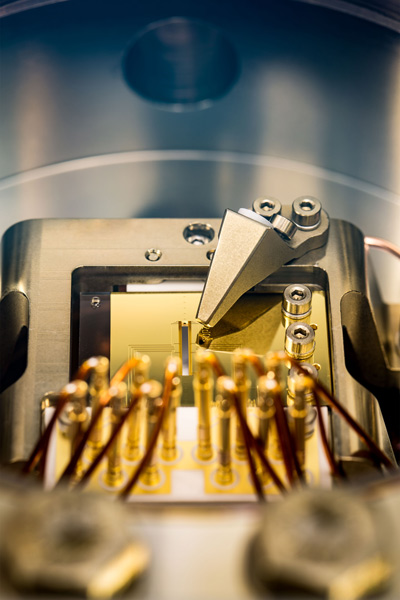
The IQOQI Innsbruck is dedicated to theoretical and experimental basic research in the quantum sciences. Topics range from the fundamental principles of quantum physics and the structure of quantum matter to their applications, including metrology, sensor technology, quantum simulations, and quantum information processing. A cluster of spin-off activities is forming around the institute and its partners at the University of Innsbruck. These spin-offs hold a leading position in the global race to build a quantum computer.
Technikerstraße 21a, 6020 Innsbruck
Institute for Quantum Optics and Quantum Information - IQOQI Vienna
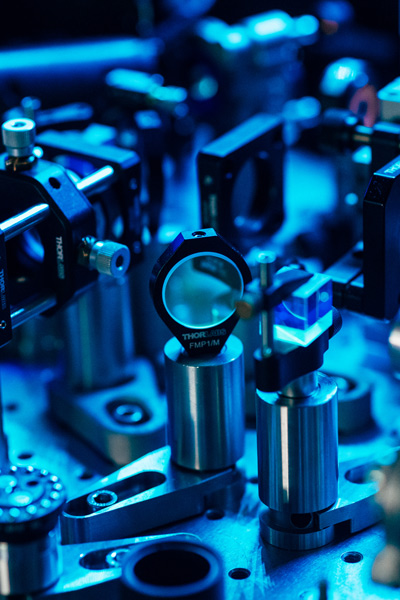
IQOQI Vienna, where Nobel laureate Anton Zeilinger works, investigates the scientific foundations of quantum physics, quantum information, and the physics of spacetime. Groundbreaking contributions to quantum mechanical entanglement and research into the interface between quantum physics and gravity position IQOQI Vienna at the international forefront of quantum research. The focus on fundamental questions, combined with the integration of theory and experiment under one roof, creates a research environment that is unique worldwide.
Boltzmanngasse 3, 1090 Vienna
Acoustics Research Institute - ARI

The ARI pursues an innovative, highly interdisciplinary research approach in acoustics. The strategy “Excellence through Synergy” promotes collaboration across disciplines and covers a broad spectrum of curiosity-driven basic research – from mathematical and numerical aspects of signal processing and machine learning to the biological and cognitive dimensions of hearing, language, and animal communication. With this broad interdisciplinary approach, the institute occupies a unique position internationally.
Dominikanerbastei 16, 1010 Vienna
Erich Schmid Institute of Materials Science - ESI
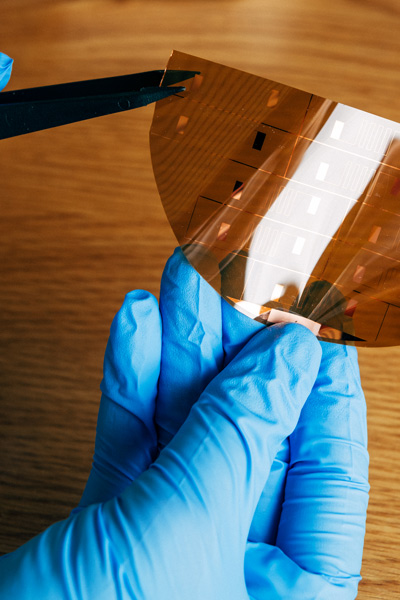
Together with the Chair of Materials Physics at the University of Leoben, the ESI conducts multiscale basic research on modern high-performance materials. This involves determining the mechanical and functional properties of these materials, in part to assess their suitability for specific applications. Issues related to energy conversion and storage are becoming increasingly important in light of the energy transition. Cutting-edge research, in cooperation with leading industry partners, lays the groundwork for new material concepts.
Jahnstraße 12, 8700 Leoben
Space Research Institute - SRI
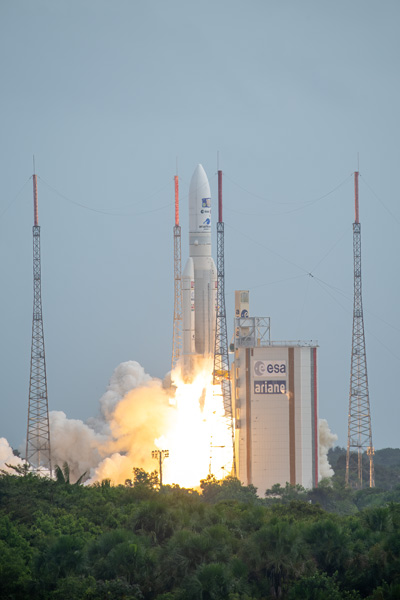
As a reliable partner to international space agencies, the SRI has been successfully launching Austria into space for over 50 years. It continues to expand its position as Austria’s leading institution for space research and technology development by designing and building high-precision instruments for space missions, analyzing the data they provide, and sharing its knowledge with the scientific community and the public. In doing so, the SRI drives basic research and technological innovation, laying the foundation for future generations of space missions.
Schmiedlstraße 6, 8042 Graz
Marietta Blau Institute for Particle Physics - MBI
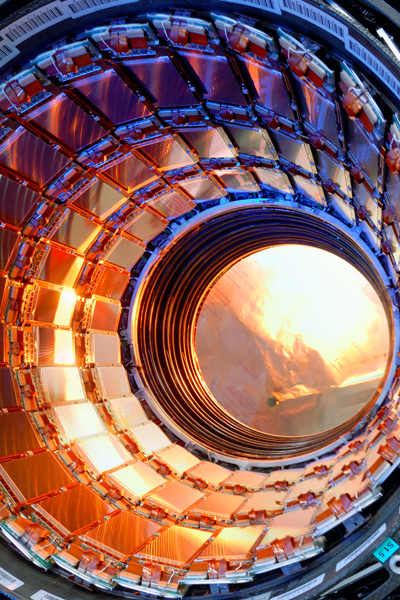
The Marietta Blau Institute for Particle Physics (MBI) is Austria’s largest center for experimental and theoretical particle physics. MBI scientists conduct research on the fundamental building blocks of the universe and their interactions with one another. The MBI makes key contributions to the largest particle physics experiments, such as those at the Large Hadron Collider (LHC) and the Antiproton Decelerator/ELENA at CERN near Geneva, the KEK High Energy Physics Laboratory in Japan, and the Laboratori Nazionali del Gran Sasso (LNGS) in Italy.
Dominikanerbastei 16, 1010 Vienna
Other research units
Institute of Technology Assessment - ITA

The ITA examines the impacts of technological change on society, the economy, the environment, and health to contribute to a better understanding of the societal relevance of technology and to further develop technology assessment. Researchers from the natural, technical, and social sciences collaborate across disciplines, and the experiences of experts, stakeholders, and users are integrated into the analyses. The recommendations developed serve as guidance and a basis for decision-making for policymakers – such as the National Council – administration, and the public.
Bäckerstraße 13, 1010 Vienna