
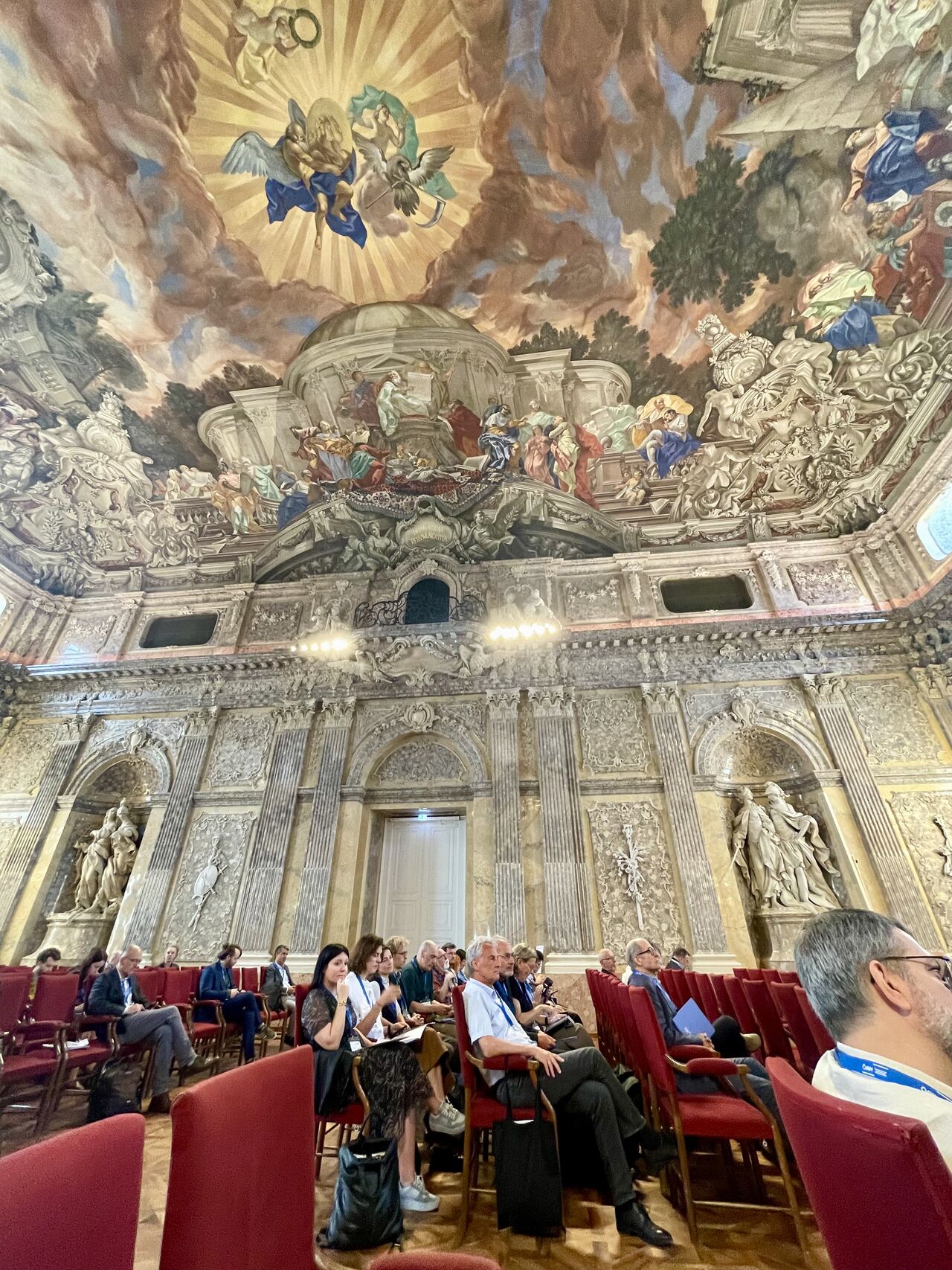
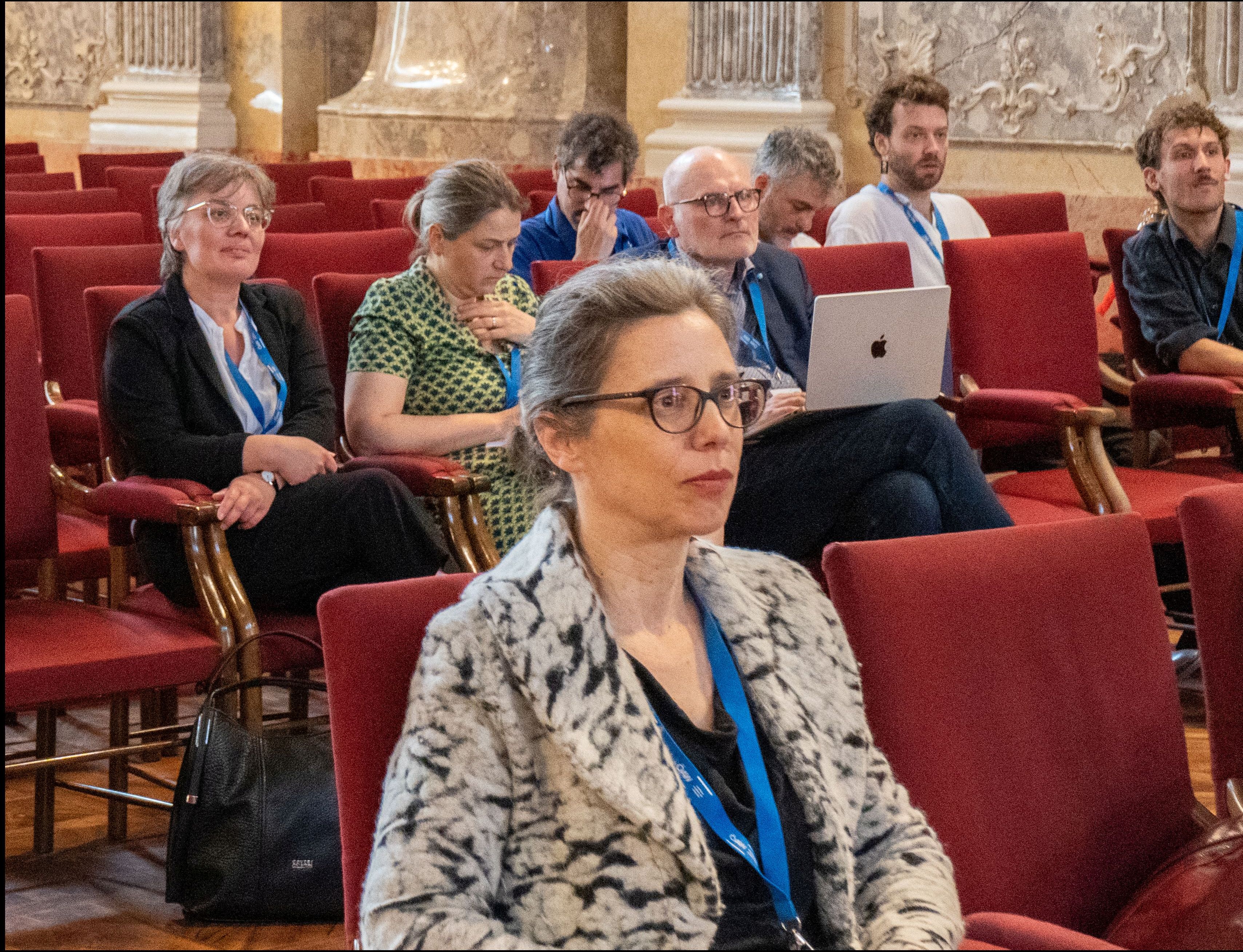
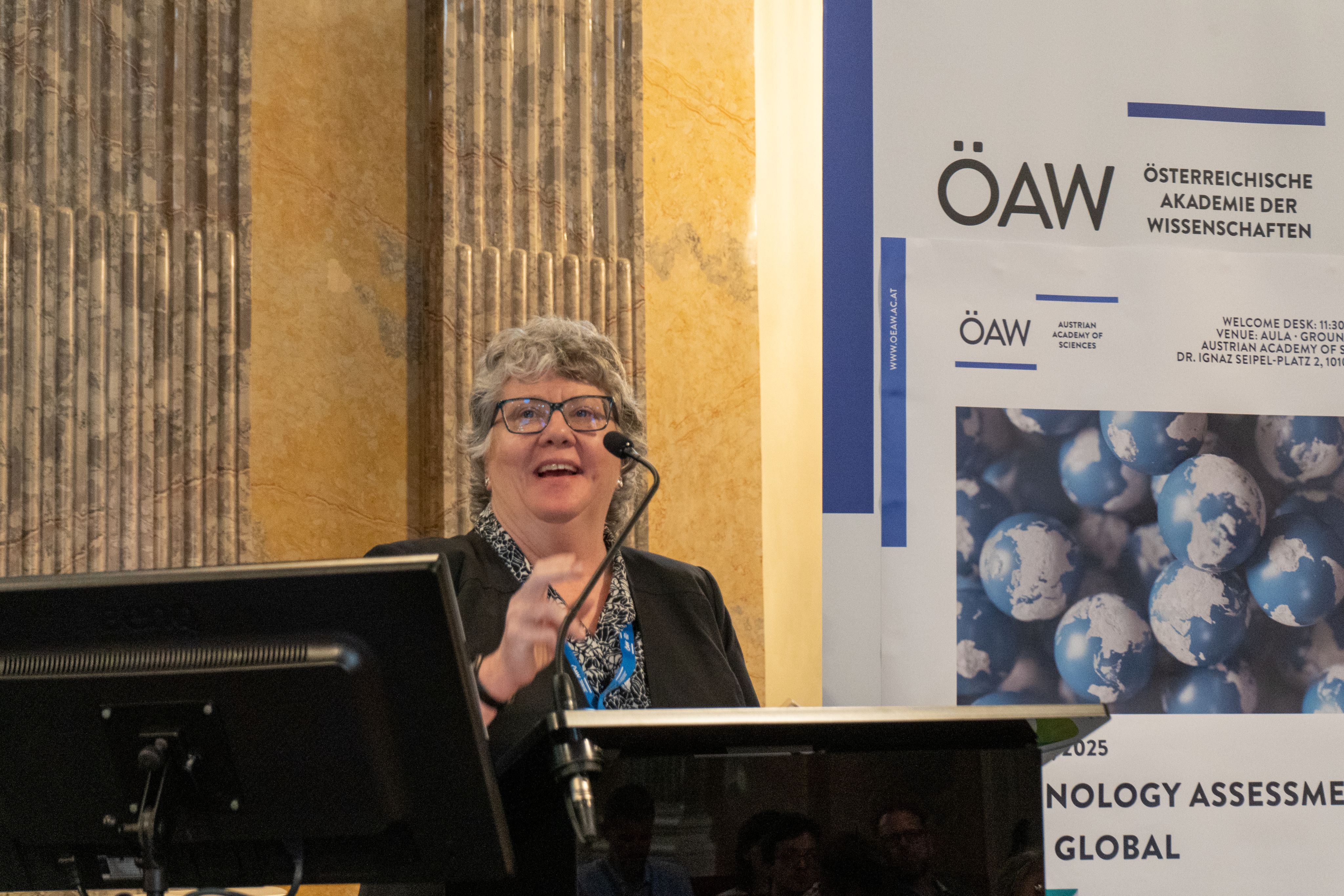
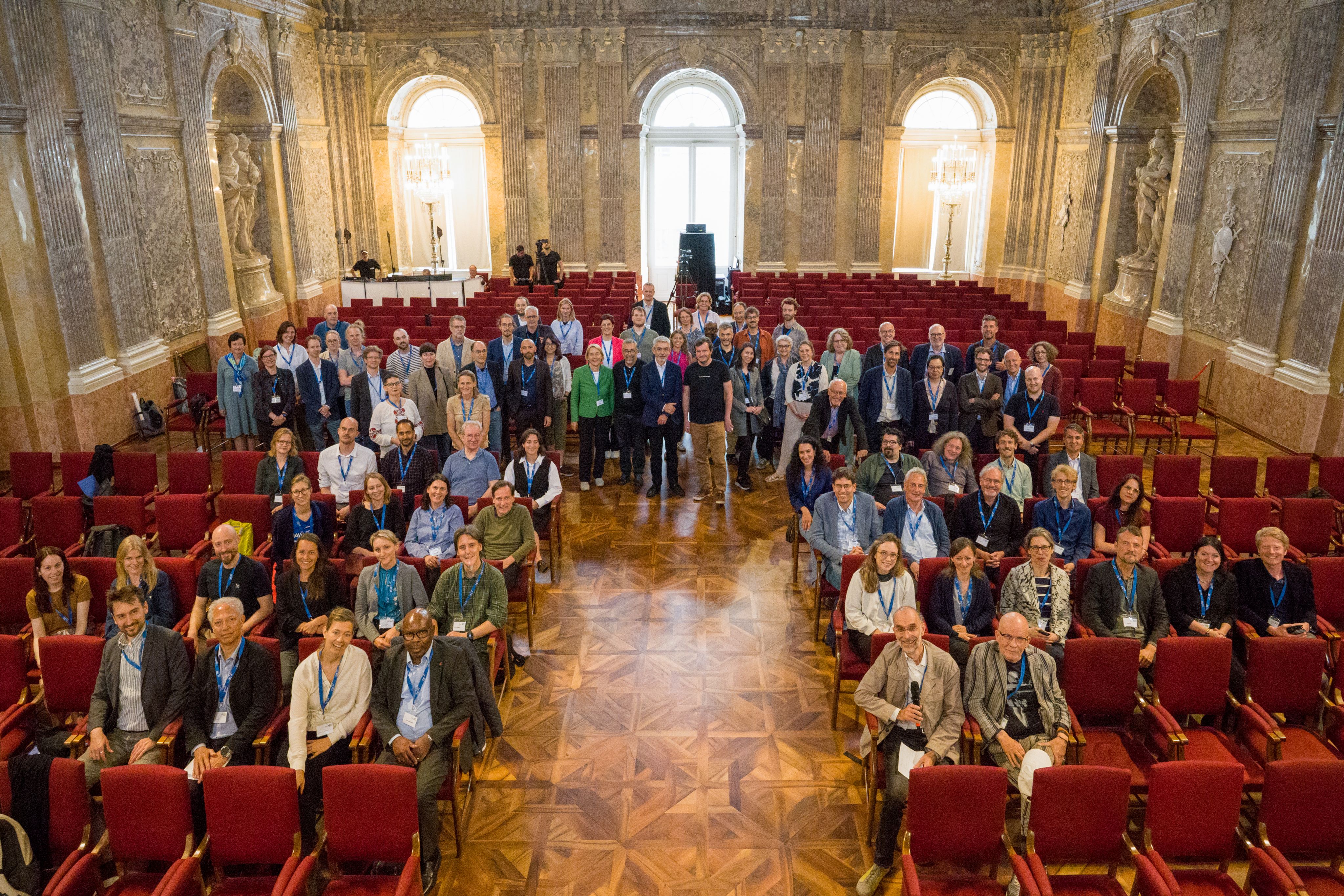
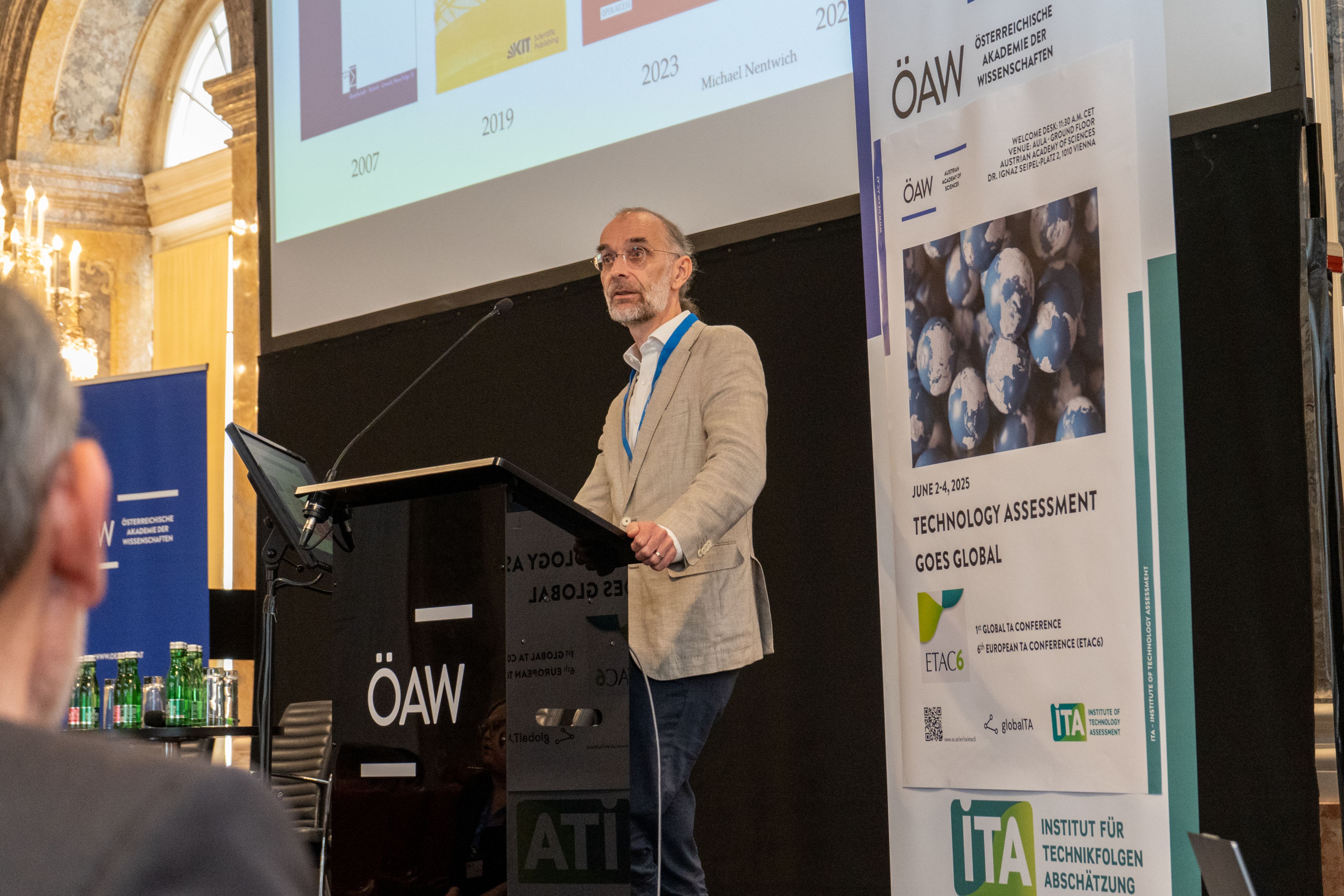

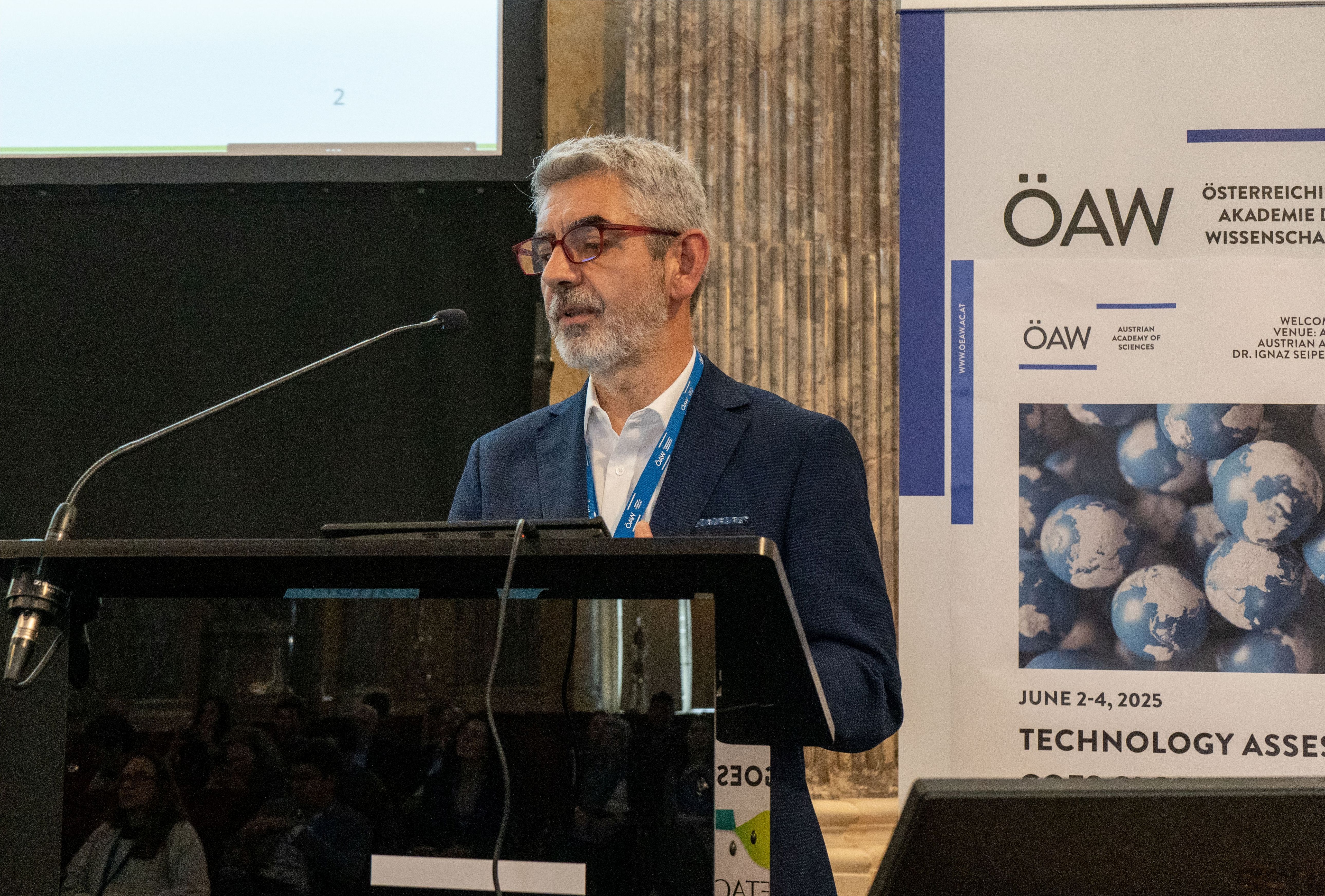


Strong and independent voices in science-based policy advice are crucial for strengthening democracy – this was the core message with which Heinz Faßmann, the president of the Austrian Academy of Science (OEAW), and co-organiser Michael Nentwich, Director of the Institute for Technology Assessment (ITA), opened the first global conference on technology assessment on 2 June in Vienna.
In his keynote speech, Raimundo Roberts, a TA expert working in the Chilean parliament, pointed out numerous challenges facing his country – from climate change and cultural diversity to energy supply. This would make it all the more important to understand technology as a global responsibility that must be properly assessed.
Experts from all continents represented
Karen Howard, Director of the Science and Technology Policy team at the US Government Accountability Office, who advises the US Congress, emphasised the importance of impartiality in her opening statement: “Impartiality is a prerequisite for our work; we advise both Republican and Democratic representatives. I believe that the majority of people always prefer a balanced approach and that research and development are necessary to be able to look to the future with confidence.” Australian energy transition expert Peta Ashworth pointed at the dire situation for democracy: “A recent report places us back in 1985, many democracies are in danger of ceasing to exist.”
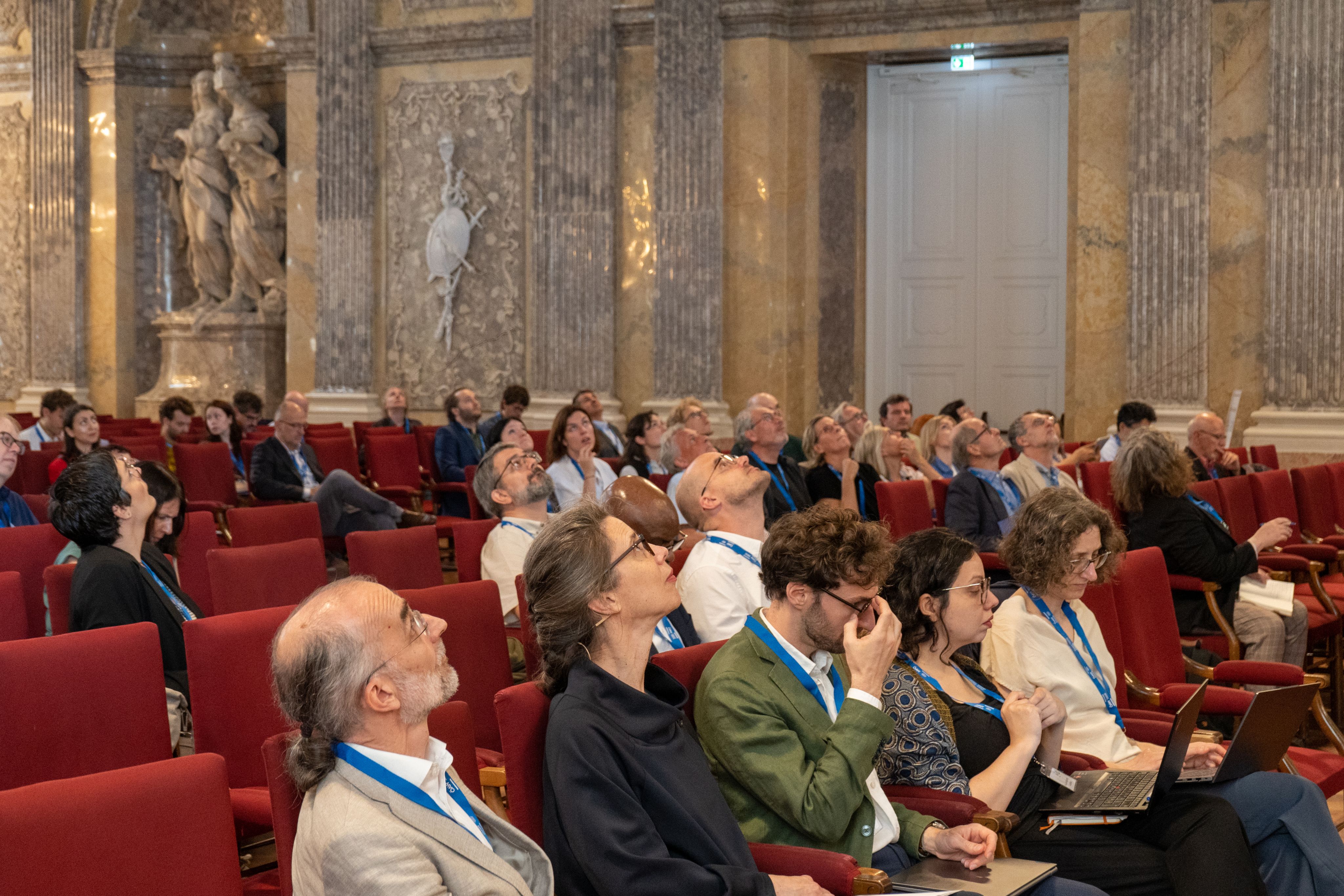
In addition to numerous TA colleagues from Europe, such as Eefje Cuppen, Director of the Dutch TA institution, Julia Hahn, TA researcher at KIT and co-founder of the globalTA network, and science and technology studies scholar Pierre Delvenne from the University of Liège, experts from all continents accepted ITA’s invitation: “To classify technology in society and analyse its impact on our lives, we need expertise from all directions and, of course, international cooperation. We are overwhelmed that our offer to meet in Vienna has met with such a strong response,” says Michael Nentwich.
The lecture topics ranged from technical measures to combat climate change and the potential of gene editing for researching rare diseases in Turkey to artificial intelligence in quantum technology. “The fact that we are discussing so many different topics here today shows how great the demand for expertise on the social implications of technology has become. As democratic societies, we face the challenge of reconciling individual rights and social values with the current state of technoscientific innovation. Technology assessment can advise and support politicians, administrators and citizens in this process,” emphasises ITA deputy director Karen Kastenhofer.
UN, EU, OECD and African Union on the podium
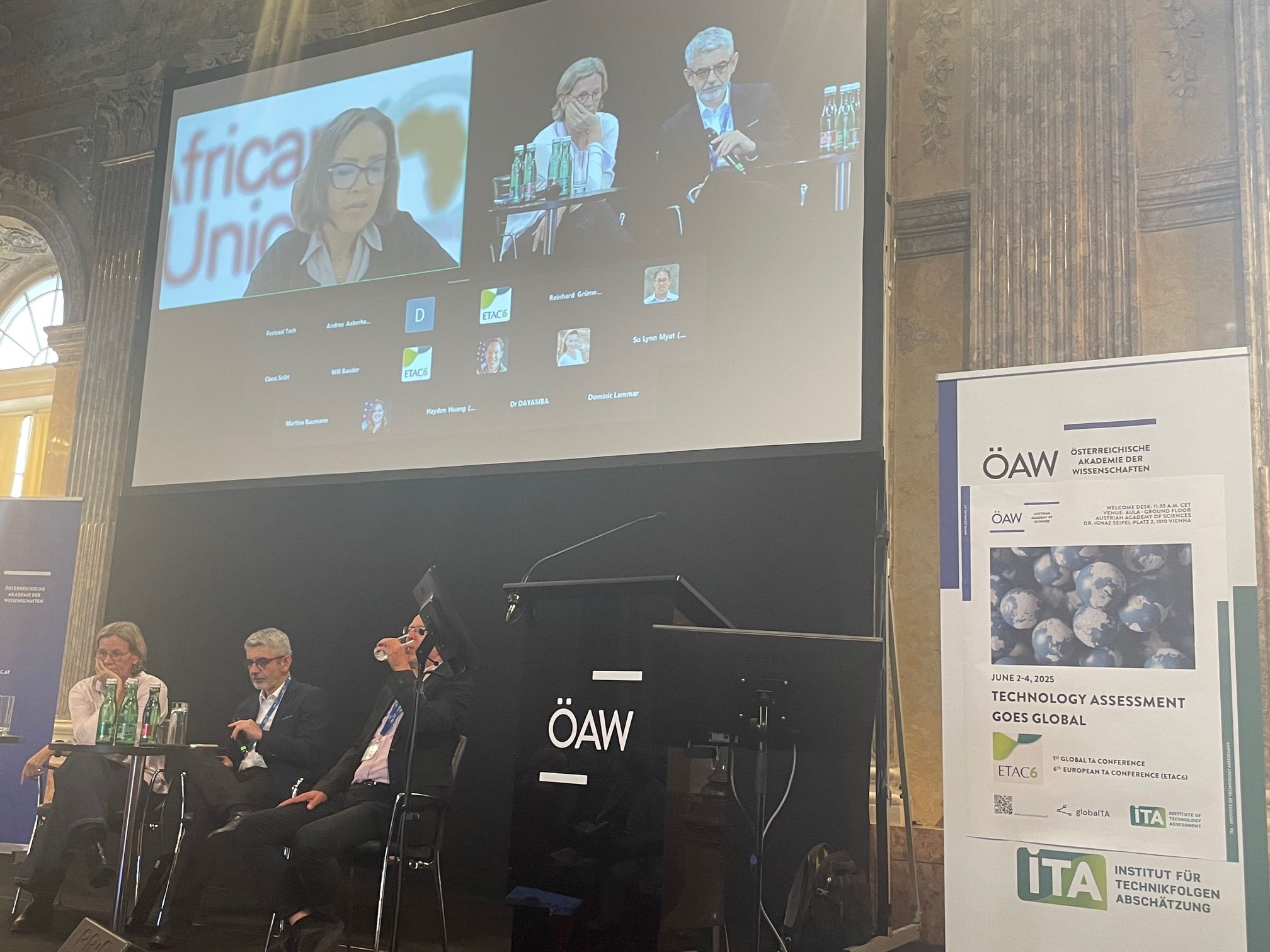
In a concluding panel discussion, representatives from the UN, OECD, EU, and African Union gathered to discuss the role of international organisations in TA. Michael Lim (UNCTAD, United Nations Conference on Trade and Development) reminded the audience that the UN is always in need of quick responses. Expectations are high, but technology assessment could help at many levels, for example, in the development of energy and agricultural policies in African countries. Technology assessment is still relatively new on the African continent and is only just beginning to develop. “We strive to make Africa a pioneer for innovation,” emphasised Mahlet Teshome Kebede (African Union), who attended the conference online. “This requires the active participation of all local stakeholders and a focus on the Sustainable Development Goals, justice, fundamental democratic values and our shared cultural heritage.”
Second global conference in preparation
Between the professional discussions, the participants took to the skies: on Tuesday evening, a ride on the Vienna Giant Ferris Wheel and networking over dinner under the open sky in the Prater were on the agenda.
In a final appearance, Michael Nentwich summed up the success of the conference: “These three days have been an important step in the right direction. Many current developments we can only tackle together. We thank everyone who travelled from far and wide to be here today! We are already discussing how to proceed and where and when a second global TA conference will take place.”