

Life Sciences, AI, Humanities:
How the OeAW is attracting
researchers from the U.S.
Elly Tanaka and the axolotl,
a wonder of nature
100 years of quantum physics
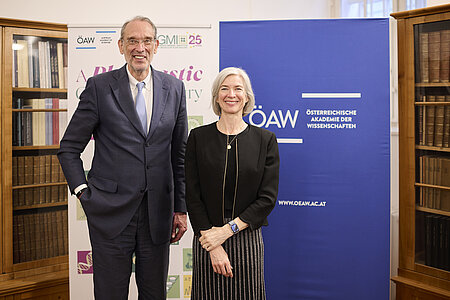
The Gregor Mendel Institute of Molecular Plant Biology of the OeAW turned 25 – and among those offering congratulations was a very special birthday guest: Nobel laureate in Chemistry Jennifer A. Doudna. The co-discoverer of CRISPR gene scissors captivated the audience in the OeAW’s Festive Hall with an inspiring lecture titled “Genome Editing the Future,” in which she demonstrated how the biotechnological revolution of CRISPR is influencing health, nutrition, and climate protection. Doudna emphasized how the fundamental question of how bacteria defend themselves against viruses has become a powerful tool for science. CRISPR technology has the potential not only to treat diseases but also to make plants more resilient to climate change, thereby benefiting all living beings on this planet. A conviction that Doudna shared not only with the scientific community at the anniversary celebration but also during an OeAW Science Update with media representatives. And she emphasized that the potential of CRISPR is by no means exhausted. Doudna sees great opportunities, not least in the combination of artificial intelligence and CRISPR.

2025 was a good year for research in Austria. The OeAW’s annual Science Barometer shows that 74% of respondents (from a representative sample of 1,500 people) trust science – more than three years ago (70%) and more than in Switzerland (60%) and Germany (54%). Science and research have regained the ground lost during the COVID-19 pandemic. Nearly 80% believe that “science and research improve life,” and a similar proportion consider adequate public funding to be necessary.
Trust in science is important to us and a responsibility we handle with care. We use the public funds allocated to us sparingly and efficiently, and we continually strive to fulfill our promise of excellence: not to settle for mediocrity, but to conduct cutting-edge research while always considering how we can use the results to benefit the public, the economy, and perhaps the political sphere as well.
These few highlights are incomplete; there is still much more to report from and about the OeAW. Francesca Ferlaino, scientific director of IQOQI Innsbruck, was named Scientist of the Year for her ability to communicate science. The Science Communication Center, operated jointly with TU Wien and the University of Vienna, has been given a name (Q. Your Space for Science), and the necessary renovation work is underway. And we are beginning performance agreement negotiations with the BMFWF for the upcoming three-year period 2027–2029. Despite austerity measures, the budget for basic research was increased through reallocation – undoubtedly a success for Research Minister Eva-Maria Holzleitner, who fought vigorously for the budget increase and the timely adoption of the RTI Pact.
As you can see, much has happened, and we still have a great deal planned for the coming years. I thank everyone who makes past and future projects possible, and I hope you enjoy reading this report!
Heinz Faßmann
Vienna, May 2026
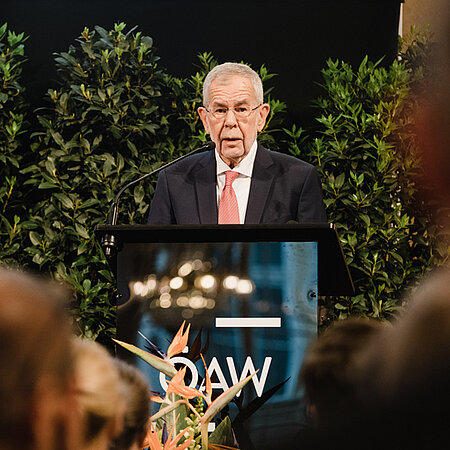
Have you Googled anything lately? Or asked AI a question? If so, then you know that the quick and easy answers are not necessarily the right ones. On the contrary. In many cases, they are distorted by unreliable sources, unverifiable, or even completely fabricated. What’s more, these answers are presented as ostensible truths with a self-assuredness instilled through training. Such a development shows that we need factual and well-founded sources more than ever. And we need the expertise to handle them and recognize the difference. The Austrian Academy of Sciences is concerned not only with every conceivable scientific discipline, but also with the communication and acquisition of knowledge. For example, through its “Q” initiative, it ensures that children, young people, and adults come into contact with research. Research is not just for researchers. It is relevant to all of us.
If we want to remain competitive in the long term, we will need to bring more people on board. This also means forming more international partnerships and mobilizing talent and resources across borders. I am glad that the OeAW has so quickly succeeded in bringing a number of researchers to Austria who wanted to leave the U.S. due to the increasingly anti-science environment there. Whenever scientists find themselves in distress, global cooperation is essential. Only in this way can scientific productivity as a whole be secured – and with it, progress for us all.
This year, the OeAW has made important contributions to the scientific community and to us as a society – contributions that extend far beyond national borders. Nationally, too, there were many successes to celebrate in which the OeAW played a leading role – such as the “Year of Quantum Science.” Or the founding of the Marietta Blau Institute for Particle Physics. Or the expansion of the AITHYRA Institute for Biomedical AI. Or the further development of the Science Communication Center, which I mentioned above. To list everything would go beyond the scope of this foreword, but rest assured: I am sincerely grateful to all of you for your important work!
I now wish the readers of the 2025 Annual Report of the Austrian Academy of Sciences an enjoyable and enlightening read!
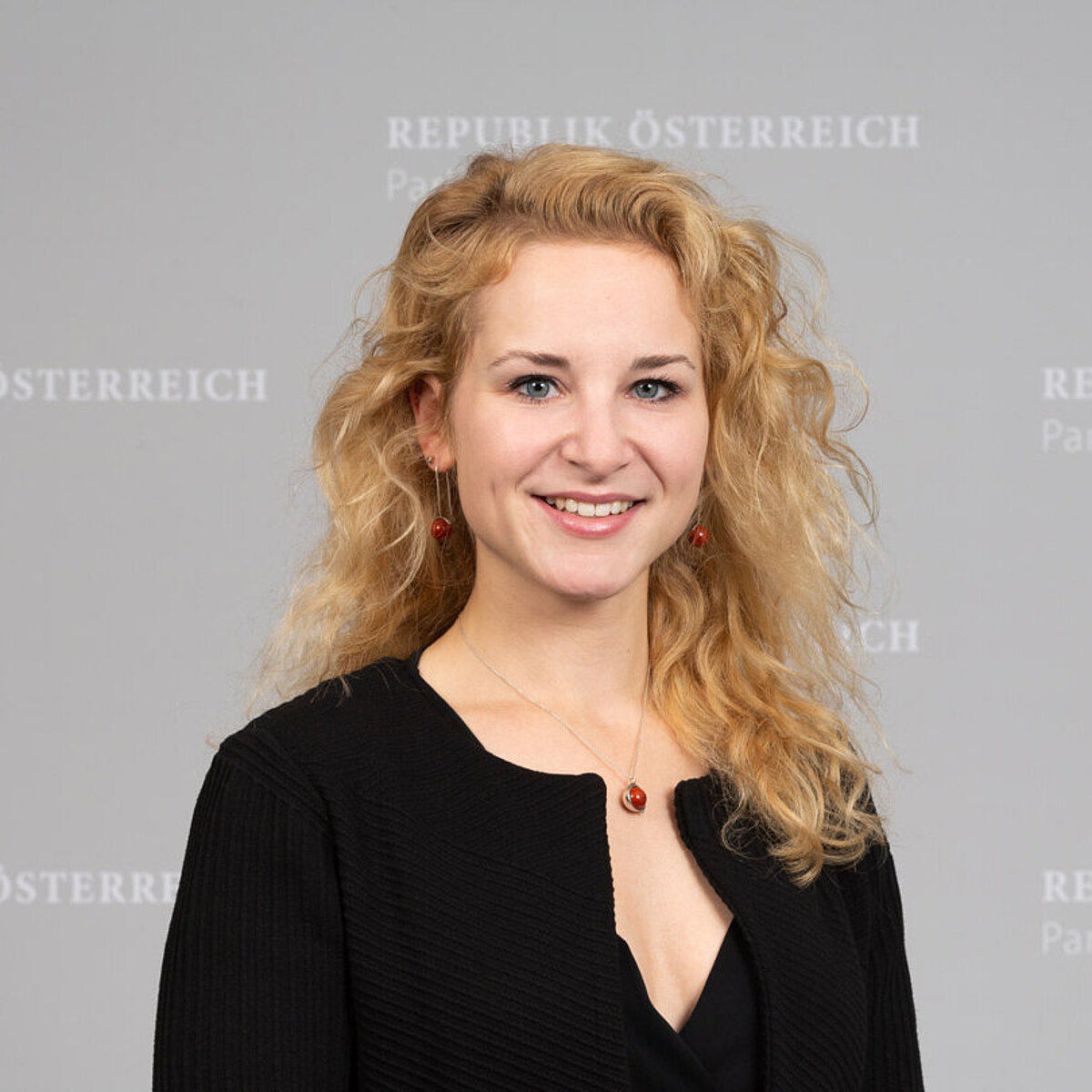
At a time when scientific findings are increasingly the subject of political and social controversy, the Austrian Academy of Sciences (OeAW) bears a special responsibility. As a central institution for curiosity-driven basic research, it strengthens democratic culture by promoting critical thinking, opposing the distortion of evidence, and investing specifically in the training of young scientists as well as in broad dialogue with society. In this way, science remains capable of acting even under difficult conditions and forms a reliable foundation for evidence-informed decisions.
In 2025, the outstanding achievements – coupled with international recognition – of female researchers at the OeAW were highlighted in a special way: Elly Tanaka received the FWF’s Wittgenstein Award for her groundbreaking work in regenerative biology. Maria Rescigno is a leading immunologist who, since November 2025, has served as scientific director of the OeAW’s CeMM Research Center for Molecular Medicine in Vienna. She is regarded as an international pioneer in microbiome research. Social anthropologist Marieke Brandt was awarded an ERC Advanced Grant for her new project on the ideological dimensions of the Houthi conflict. Quantum physicist Francesca Ferlaino was named “Scientist of the Year 2025” for her excellent research and her exceptional commitment to science communication.
The research institutes of the OeAW have impressively reaffirmed their role as drivers of internationally visible cutting-edge research. The merger of the Stefan Meyer Institute and the Institute of High Energy Physics gave rise to the Marietta Blau Institute, Austria’s largest center for experimental and theoretical particle physics. AITHYRA has established itself at the Vienna BioCenter as a dynamic institute at the intersection of biomedicine, artificial intelligence, and automation, and the Gregor Mendel Institute celebrated its 25th anniversary with a ceremony at which Nobel laureate Jennifer Doudna honored the milestones of molecular plant research.
With the new APART-USA fellowship program, the OeAW succeeded in achieving a significant “brain gain” for Austrian research: 25 top talents from the U.S. will be brought to Austria for four years each. Through this, they strengthen the international visibility of Austrian science and commit to openness, academic freedom, and excellence. At a time when academic freedom is under pressure even in parts of the U.S., Austria is once again proving itself to be a safe haven and a robust democracy that protects research and scientific integrity.
I would like to thank all scholars, staff members, fellowship recipients, and the members of the OeAW Presiding Committee for their dedication and significant contributions to this successful year. Together, we will continue to push the boundaries of knowledge, gain new insights, and shape science for the benefit of society.
200 degrees of scorching heat, minus 150 degrees of freezing cold, cosmic radiation, extreme speeds – scientific instruments in space have to endure a lot. A team in Austria ensures that they do just that and reliably deliver data for research: In 1987, the Space Research Institute of the OeAW joined the European Space Agency (ESA). And in 2025, the ESA celebrated its 50th anniversary. Even before Austria joined the ESA, space research was being conducted at the OeAW, so “made in Austria” space research was there from the very beginning. In the meantime, more than 100 instruments have been sent to space, and the institute has participated in over 40 international missions. One of the highlights: the legendary Rosetta mission, during which a probe accompanied a comet – the celestial body “Chury” – for the first time. The future remains exciting: a new mission is set to head to Saturn’s moon Enceladus.
A papyrus from the 2nd century CE provides entirely new insights into crime and the judicial system in the Roman provinces of the Near East. Researchers from the Austrian Archaeological Institute of the OeAW, the University of Vienna, and the Hebrew University were able to translate the extremely difficult-to-decipher document, thereby revealing how the Roman administration in the provinces of Judea and Arabia dealt with financial crimes, specifically an alleged case of tax fraud involving slaves. The document, now published for the first time, not only offers unique insights into Roman imperial administration and jurisprudence but also provides new information about an era shaken by two bloody Jewish revolts against Rome. The discovery was so sensational that even the New York Times reported this ancient crime story.
Researchers, including from the OeAW, have realized an ancient alchemical dream at CERN: they produced tiny amounts of gold through extremely fast collisions of lead nuclei. In experiments using the ALICE detector at the Large Hadron Collider (LHC) in Geneva, lead nuclei were deliberately fired at each other at nearly the speed of light. The collisions can eject neutrons and protons – if the right number of protons is lost in the process, the nucleus of the precious metal gold is formed. But researchers must disappoint anyone who thinks they have found an endless supply of gold. The gold produced exists for only a fraction of a second, and we are far from a practically usable quantity. And the publication in the journal Physical Review C was not entirely serious either – but it does prove one thing: physicists have a sense of humor.
From ancient metropolis to archaeological treasure trove: Austrian archaeologists have been working in Ephesus since 1895. The UNESCO World Heritage Site, now located in Turkey, is considered one of the most significant archaeological sites in the Mediterranean region – and the Republic of Austria’s largest scientific undertaking abroad. The research is conducted under the OeAW’s leadership and in cooperation with Turkish partner institutions. Over the course of 130 years, the research has yielded countless new insights. Reason enough to celebrate. To mark the anniversary, ORF and the OeAW brought the fascinating world of Ephesus to a wide audience through a multimedia educational series. One of the highlights: A daily livestream provided insights into the current work of the scientists on site.
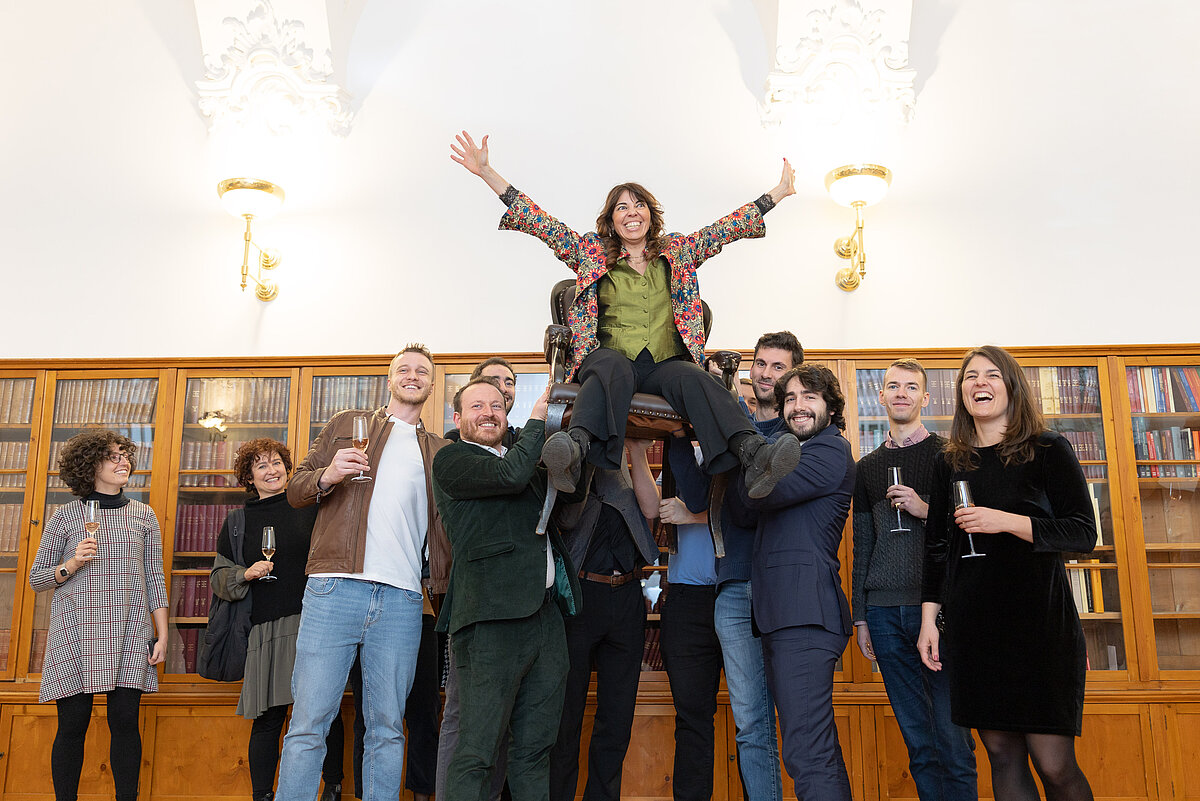
Once a year, the Austrian Club of Education and Science Journalists honors a researcher who, in addition to their research achievements, has made a significant contribution to communicating scientific content to the general public. Fitting with the UNESCO International Year of Quantum Science and Technology, this year’s award went to Francesca Ferlaino. A native of Italy, she conducts research at the Institute for Experimental Physics at the University of Innsbruck and at the Institute for Quantum Optics and Quantum Information of the OeAW. She has served as scientific director there since 2014 and has been a member of the OeAW since 2021. The researcher, who has been honored with prestigious awards from the European Research Council (ERC), is also actively involved in Atom*innen, a network for women in physics, which she founded.
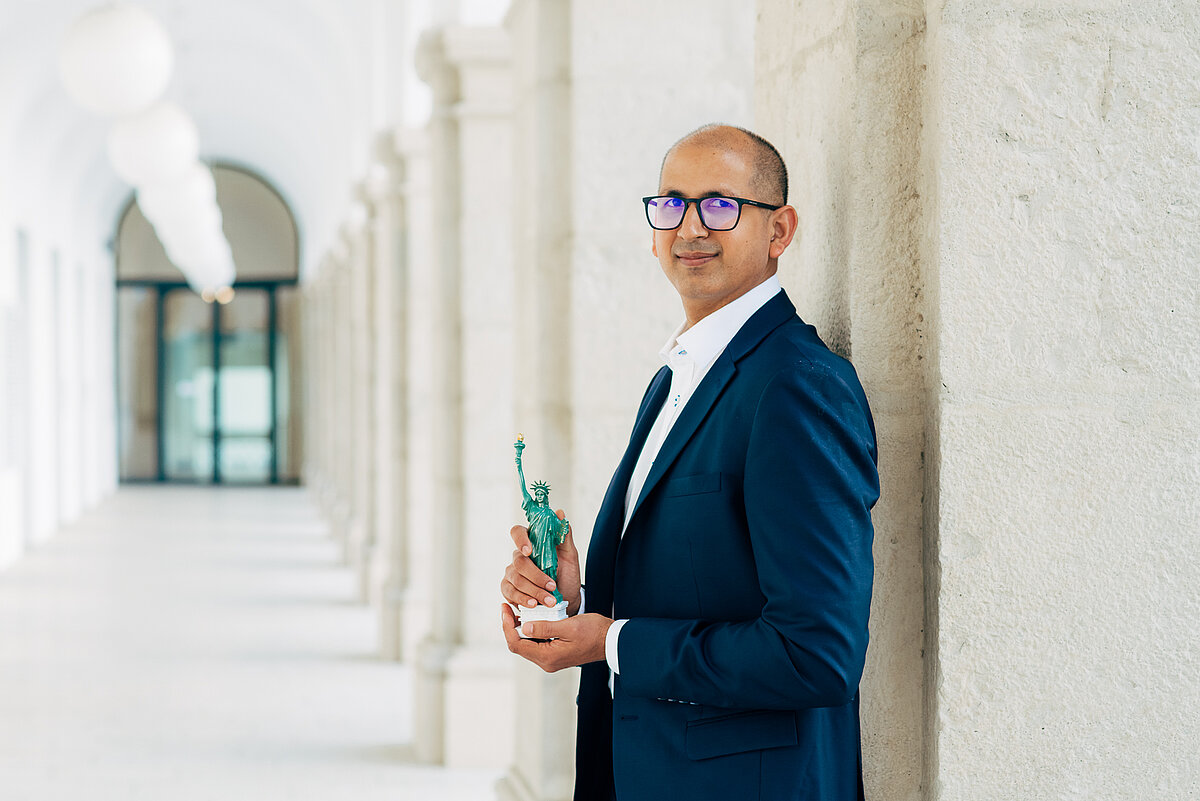
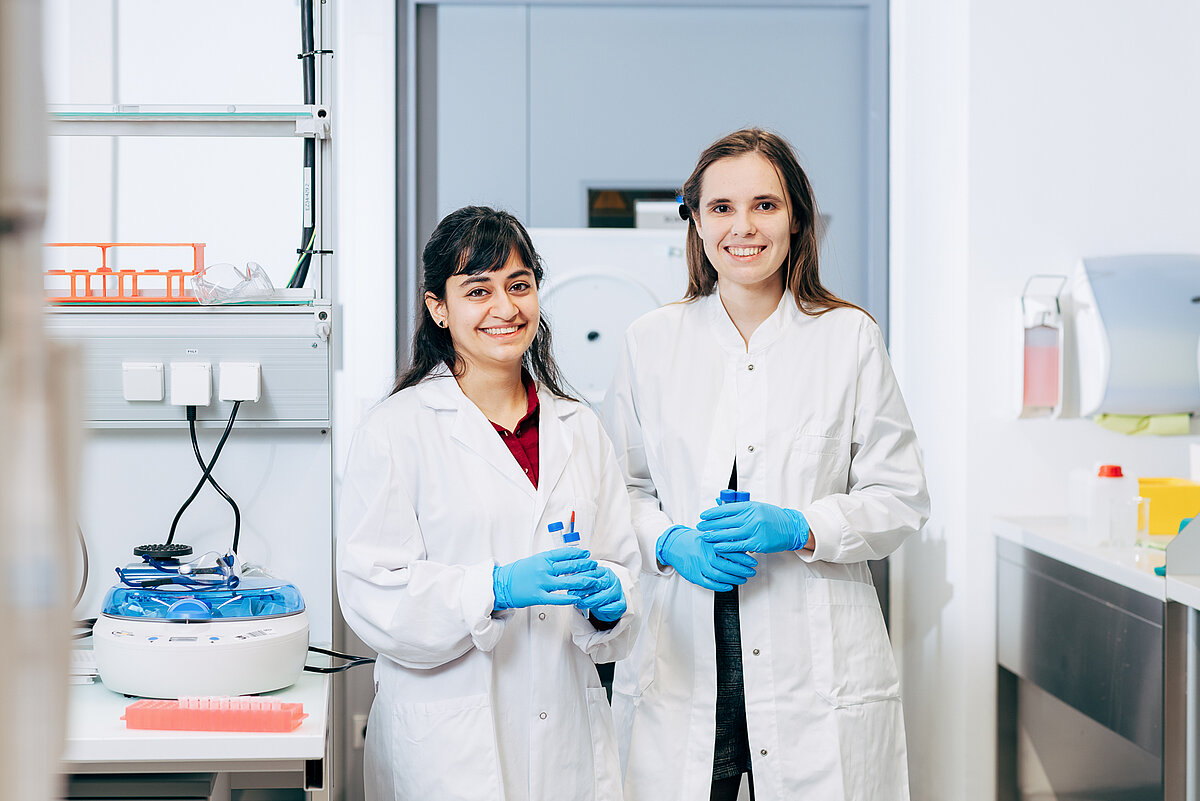
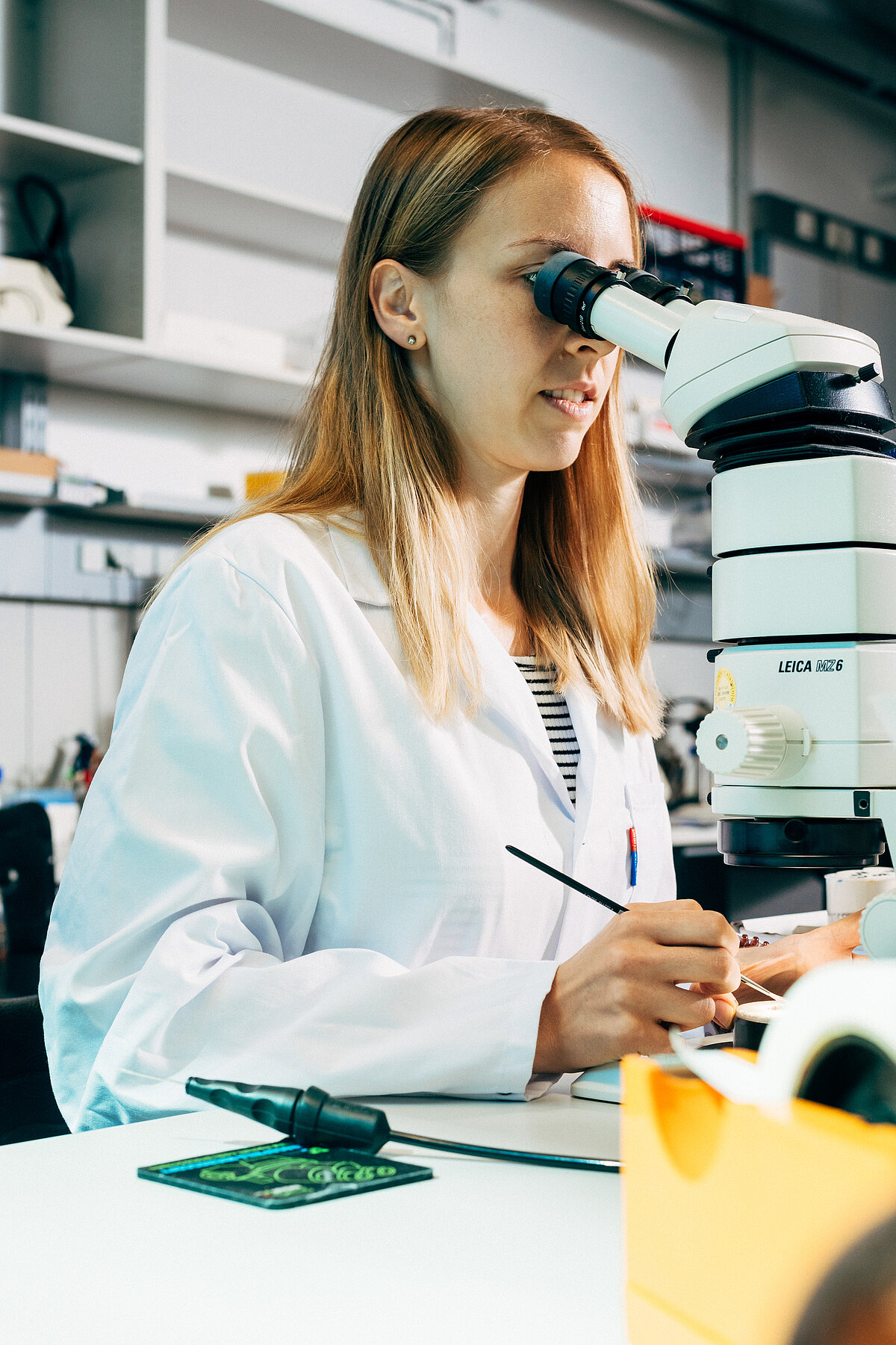
From brain drain to brain gain: Since President Trump took office, the U.S. research landscape has been shaken by funding cuts, visa chaos, and political interference. Researchers are turning their backs on the country and finding new opportunities in Austria through the OeAW’s APART-USA program.
For a long time, the USA was considered the promised land of research: the best universities, excellent infrastructure, and generous funding attracted talent from all over the world. Those who worked there had access to state-of-the-art technology and a dense network of top-tier institutions. The USA was a magnet for top researchers and the place where ideas became reality the fastest.
But then the future of researchers in the U.S. itself became an experiment. Funding cuts, visa issues, and fear for their jobs created great uncertainty that threatened to derail projects and careers.
Wali Malik worked and conducted research for 17 years at various biotech companies in the U.S., most recently in Boston, the world’s largest biotech hub. In 2025, his life took a 180-degree turn when Donald Trump was elected president of the U.S. for the second time. At the start of his term, many still thought: It won’t be that bad. During his first term, too, Trump had announced many things but implemented few of them.
But what followed turned the world of science and research upside down. Malik: “When I saw how science was becoming increasingly politicized and vital funding for the National Institutes of Health, the National Science Foundation, and research in general was being put on hold, I began to seriously consider where I could best pursue my scientific ideas. Even though I wasn’t personally affected, the situation hit close to home because I saw the impact on my friends and family.”
It worked out well that Malik received an offer from Europe, specifically from AITHYRA, the OeAW Institute for Biomedical AI founded in 2024. The discussions convinced him. “The idea of establishing an AI-driven robotics lab as a central pillar of the institute aligned with my own vision.”
Without further ado, Malik decided to move to Austria with his wife and three daughters. He has been leading AITHYRA’s Robotics Lab since the summer of 2025.
By early 2025, conditions for U.S. researchers had already grown increasingly stringent. One example: In April 2025, 1,700 researcher visas were revoked in one fell swoop without warning. Those affected were often not even informed; instead, they only learned through a database that they were suddenly “illegally” residing in the U.S. They were left in the dark about the reasons. “It could have been a traffic ticket – or political activism,” explained Christoph Irmscher, a member of the OeAW and a researcher at Indiana University Bloomington. “The aim was to create a climate of fear.”
Nobel laureate Jennifer Doudna, who conducts research at Berkeley, also spoke during a visit to the OeAW about the Trump administration’s impact on science. At her institute, grants for research on the COVID-19 pandemic were cut. “Cuts are taking a heavy toll on the research landscape,” she says.
Reports of researchers wanting to leave the U.S. have been increasing. The best-known example: historian Timothy Snyder, who moved to the University of Toronto in Canada.
As the situation in the U.S. worsened, interest among U.S. researchers in European institutions also grew. Patrick Cramer, President of the Max Planck Society (MPG), explained that applications from the U.S. to MPG institutes had doubled and, in some cases, even tripled. A trend that the OeAW also noticed. At the OeAW’s life sciences institutes alone, 40% of applications for junior group leadership positions in 2025 came from people in the U.S. – an increase of nearly 100% compared to 2024. At AITHYRA, too, Malik was not the only one who came to Vienna from the U.S. Three out of four new group leaders moved directly from renowned U.S. universities to the institute. Austria, often underestimated for its research strength, became an attractive destination for scientists. And it was not just climate and gender researchers – who were in the crosshairs of the U.S. administration – who came. It became clear that Austria’s areas of strength, such as medicine and the natural sciences, were known beyond its borders and attracted top talent.
In this situation, the OeAW decided to make a structured offer to researchers wishing to leave the country. The APART-USA program, funded with ten million euros by the Fonds Zukunft Österreich (FZÖ), was launched. The idea: Austrian universities and research institutions nominate 25 applicants who were most recently active in the United States. The spots were allocated to the institutions based on research strength. A grant of 500,000 euros covers four years; the institution itself covers the fourth year. OeAW President Heinz Faßmann explains: “We no longer wanted to stand by and watch the disturbing events in the U.S. With APART-USA, we are making a significant contribution to promoting exceptionally talented individuals, who find better conditions for their research work in Austria than in the U.S. A reverse brain gain has been set in motion.”
Thanks to the straightforward and streamlined process, the first scholarship recipients – spanning disciplines from the life sciences to engineering and the humanities – were already arriving at the OeAW, ISTA, TU Wien, and other institutions by the end of 2025. The program generated significant interest and coverage beyond the scientific community, drawing attention from national and international media outlets, including the German television network ZDF, the French news magazine L’Express, the British newspaper The Guardian, the New York Times, and the well-known U.S. TIME Magazine.
APART-USA also brought two promising female fellows to the Academy: Gabriela Lobinska and Kalki Kukreja. Lobinska was one of the researchers who was already in Vienna by the end of 2025 and has been working at the AITHYRA Institute since. As a French citizen, she was affected by the visa suspensions in the U.S.; as a biologist at Harvard Medical School, she was deeply unsettled by the cuts to research funding from the National Institutes of Health (NIH). Even though a court ruled that visas could continue to be issued for the time being, she decided to leave the U.S. and, with it, the prestigious university. “There are other places in the world where I can pursue my scientific work without having to live in constant uncertainty due to funding issues and political instability.”
Kukreja moved from Northwestern University to IMBA. Born in India, she studied bioprocess engineering, earned her PhD at Harvard, and is now conducting research in Nicolas Rivron’s group, where she studies the earliest stage of human development: the emergence of life from a single cell. She says: “The vibrant scientific community in Vienna and the open, international culture really appealed to me and ultimately inspired me to move to Austria. I chose IMBA because it offers an excellent environment for stem cell research and there are several leading stem cell labs on campus. Nicolas Rivron’s work at the intersection of developmental biology and women’s health particularly appealed to me.”
After just a few months, it’s clear: APART-USA has set a snowball rolling. It did not stop at 25 people; the universities funded additional spots. The best minds will attract further talent to their groups.
Despite everything, the U.S. is still the world’s leading nation in research, and even President Trump will not be able to shake that anytime soon. For many researchers, however, it is no longer an attractive place to work. Wali Malik is not thinking about returning anytime soon: “I hope that Vienna will remain our home in the long term – a place where my children can learn multiple languages, get to know different cultures, and take advantage of the opportunities available to them in Europe.”
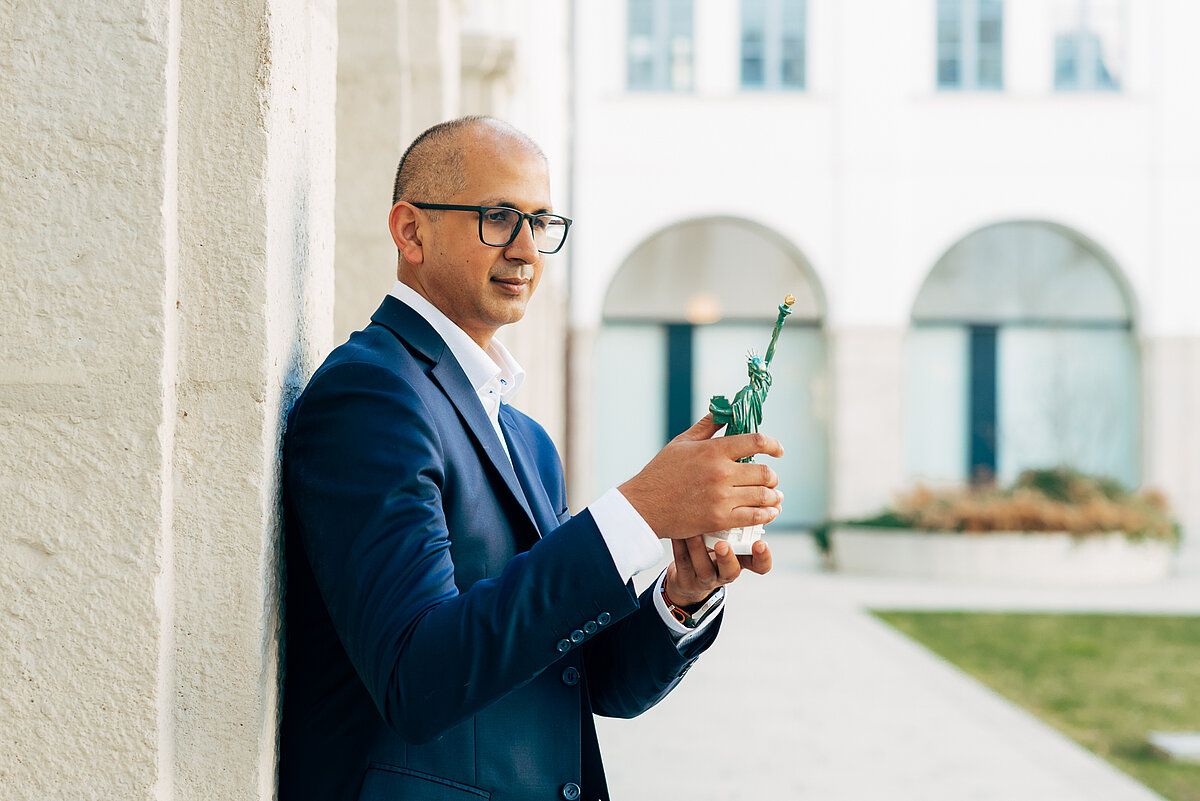
The head of the Robotics Lab at the AITHYRA Institute on repression in the U.S., his move from Boston to Vienna, and the merits of Texas BBQ.
When was the moment you decided, “I’m leaving the United States”?
WALI MALIK:When I saw how science was becoming increasingly politicized and vital funding for the National Institutes of Health, the National Science Foundation, and research in general was being put on hold, I began to seriously consider where I could best pursue my scientific ideas. Even though I wasn’t personally affected, the situation hit close to home because I saw the impact on my friends and family. For instance, a close friend, an oncologist at Harvard University, lost his grants. In the bigger picture, we’re seeing a significant setback for science as a whole.
Did you first try to find alternatives in the U.S.?
MALIK: As funding became scarcer and the biotech industry shrank, risk tolerance dropped significantly. The focus shifted away from bold, AI-driven initiatives toward more conservative approaches in drug development and research. I saw layoffs and budget cuts virtually everywhere in biotechnology and science – with no clear end in sight. That was the point at which I seriously considered where I could build a forward-looking AI robotics lab outside the U.S.
Why Vienna and AITHYRA in particular? What convinced you?
MALIK: Vienna has an excellent reputation for quality of life and already boasts strong scientific institutions and communities. I saw the opportunity to build on this fertile ground and create a true ecosystem for AI-driven research in the life sciences. AITHYRA stood out because it is truly a greenfield project. It offers the opportunity to build a state-of-the-art robotics lab designed to tackle the most challenging problems at the intersection of AI and the life sciences. Our visions aligned perfectly. We don’t want to replace scientists, but rather to help them realize their full potential – with AI as a co-pilot and a modern robotics lab at their side.
You’ve been here for six months now. How do you like it so far?
MALIK: The weather is definitely better (laughs). And in Boston, it took me an hour and a half each way; now it’s about 40 minutes. I especially appreciate the quality of family life here. I can spend more time with my family. Plus, we love being so close to so many different countries. Weekend trips like those within Europe would have been much harder in the U.S. Of course, I miss my family in the U.S. – and some classic American foods. Texas BBQ and Tex-Mex are hard to replace.
Looking ahead: Where do you see yourself in five years? What do you expect from Vienna and AITHYRA?
MALIK: In five years, I hope to be working at AITHYRA’s new, state-of-the-art AI life sciences facility – with a robotics lab that is both autonomous and accessible. I envision a place where scientists can design and conduct their own experiments, supported by AI at every single step. I hope we have helped build an institute that is recognized as a leading center for AI in the life sciences in Europe, with groundbreaking publications and genuine scientific contributions to the treatment of severe cancers, neurodegenerative diseases, and antibiotic resistance. I hope that Vienna will remain our home in the long term – a place where my children can learn multiple languages, experience different cultures, and take advantage of the opportunities available to them in Europe.
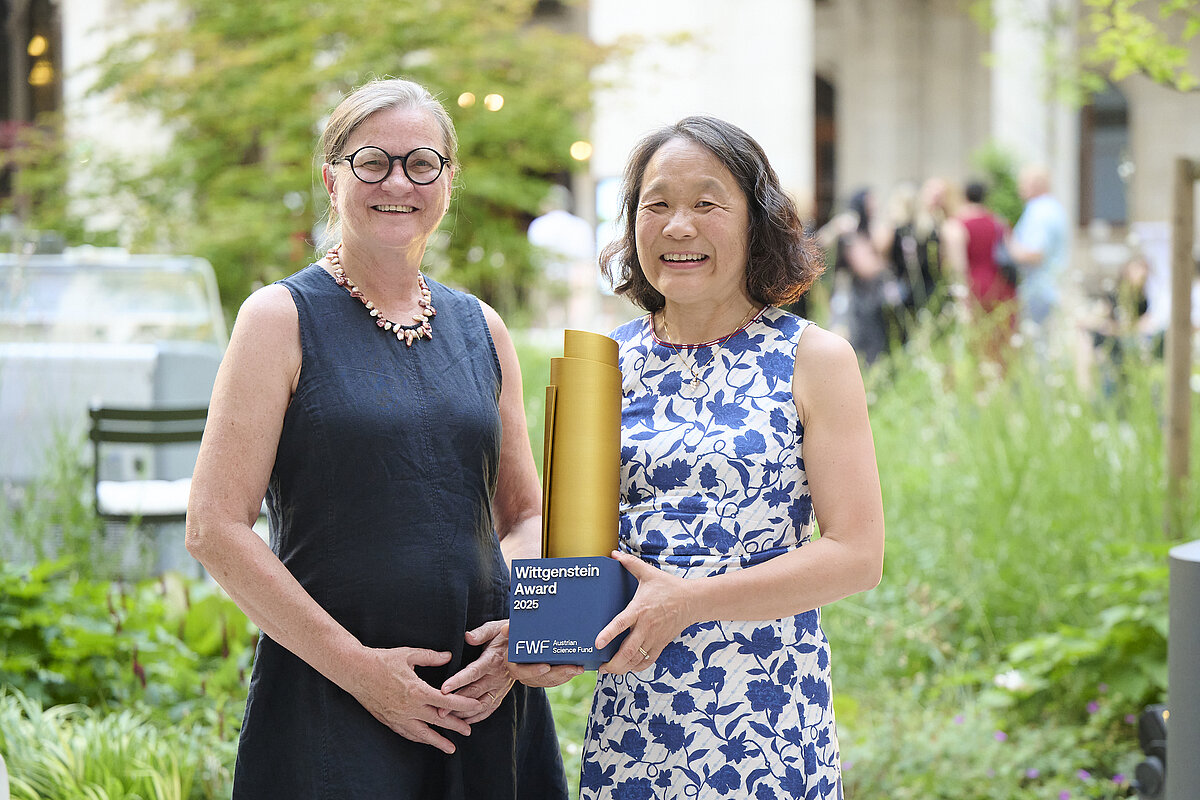
Elly Tanaka has received the prestigious Wittgenstein Award from the FWF for her work in the field of regenerative research. In an interview, the director of the Institute of Molecular Biotechnology of the OeAW shares what this prestigious award means to her, what research goals she is currently pursuing, and what advice she has for women in the natural sciences.
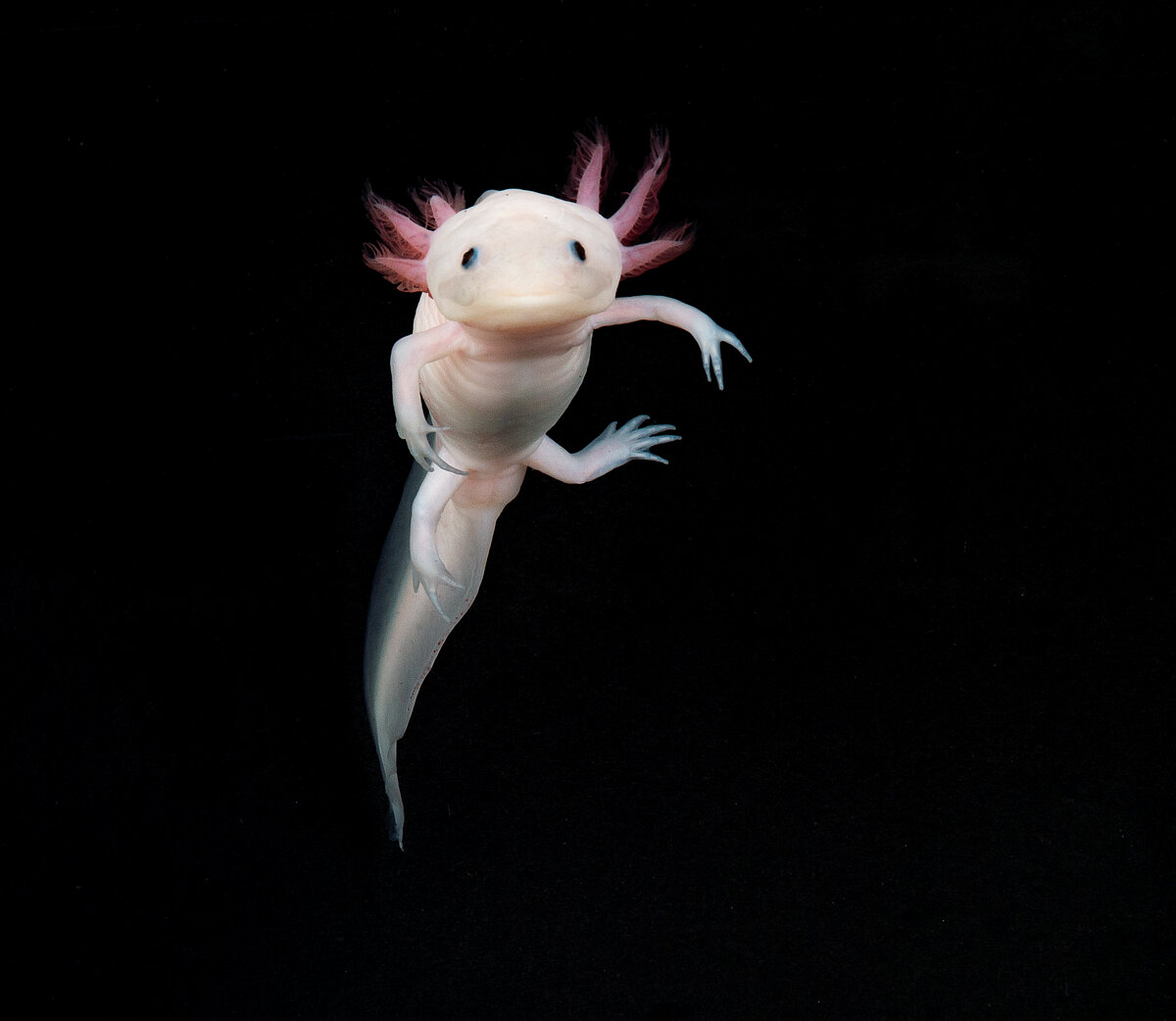
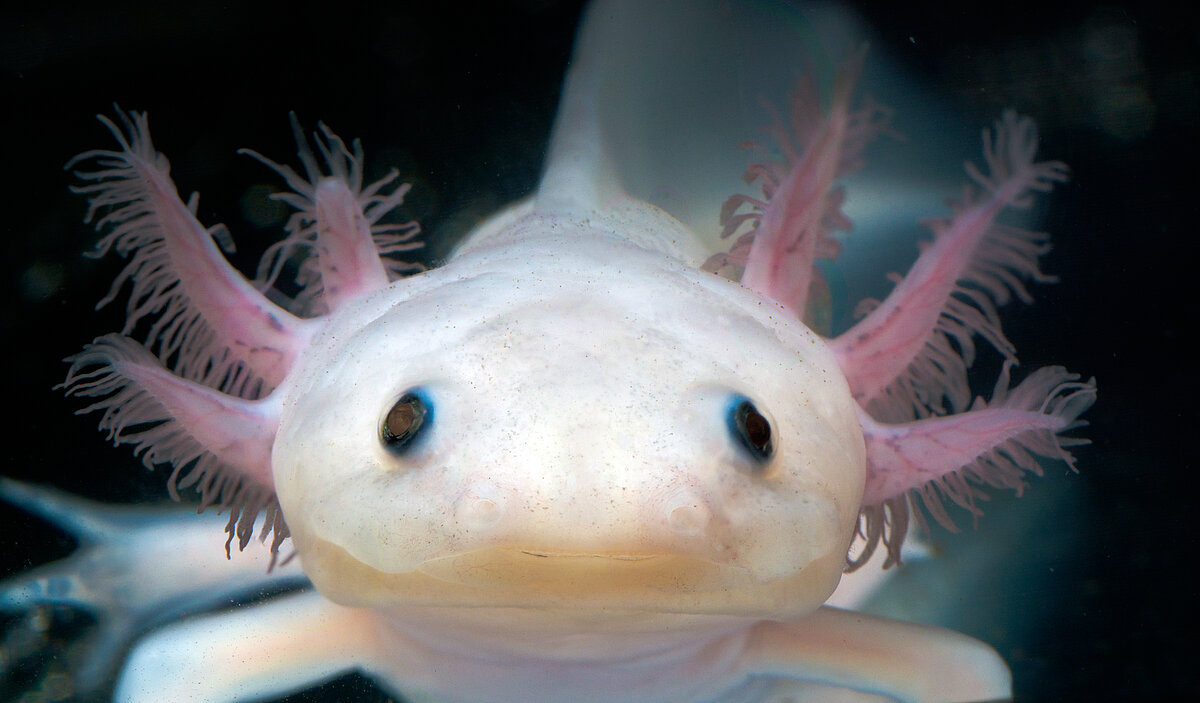
An animal that not only looks incredibly cute but also possesses astonishing self-healing abilities is the focus of biochemist Elly Tanaka’s research. The axolotl, an aquatic salamander, can completely regenerate lost body parts such as limbs or even parts of the spinal cord. Tanaka, who was born in the U.S., is researching how this regeneration is controlled with such great success that, in 2025, the Austrian Science Fund (FWF) awarded the biochemist the Wittgenstein Award– Austria’s most prestigious and highly-endowed science prize. Just one year earlier, in 2024, the OeAW had appointed the exceptional researcher as director of the Institute of Molecular Biotechnology (IMBA).
“I am happy to serve as a role model.” Elly Tanaka
Elly Tanaka, how important is winning the Wittgenstein Award to you?
ELLY TANAKA: This prize means a great deal to me, as I feel it recognizes the work my lab has done over many years to understand the mechanisms of regeneration, as well as the impact our efforts have had on the modern field of regeneration.
You studied biochemistry at Harvard University and earned your Ph.D. at the University of California, San Francisco. Why did you choose science, and specifically biochemistry?
TANAKA: Science always came very easily to me – although I also really liked literature. And I had a very dedicated chemistry teacher in high school. When I went to college, I initially considered chemistry, but somehow it seemed a bit dry to me, and I felt drawn to living systems. After an introductory biochemistry lecture that showed how major questions can be solved using molecular biological mechanisms, I decided to pursue that field.
Women in the natural sciences are still in the minority. How did you experience that during your studies?
TANAKA: There were a fair number of women in the biology and biochemistry courses, but very few in the advanced physics and chemistry courses. Unfortunately, we women didn’t stick together very closely, which is why I often worked on assignments with a group of male students. As a result, I definitely felt like an outsider in those courses. In general, there were only a few female professors, some of whom were unmarried and had no children, and I remember feeling that there weren’t very many role models.
At the top of research institutes, the proportion of women is even lower. How did you experience your appointment as director of the OeAW’s IMBA institute? And what advice do you have for women in science?
TANAKA: I actually felt that my appointment was a significant event for the campus and beyond – a sign of trust in a woman at the helm of a leading research institute. Many women have told me how important it was for them to see a woman at this level. I am happy to serve as a role model. My advice: I believe it’s important for women to recognize and overcome situations where they underestimate themselves. It’s equally helpful to find a supportive environment and mentors. But also to acknowledge that in some situations, you have to work harder to earn the trust of others – and to enjoy that challenge. And yes, it takes a lot of work to have a family and stay in science at the same time, but it is possible and very fulfilling.
You have received numerous awards for your work in regenerative research. What is your next major research goal?
TANAKA: Right now, I’m interested in how signals that act within the very small embryo communicate over much greater distances in regenerating tissue. An intriguing question is whether this ability developed specifically in animals capable of regeneration, such as amphibians, and is not a natural trait of mammals – or whether this latent ability is also present in them. If it is not present, it would be fascinating to pursue synthetic biology approaches to amplify the developmental signals in stem cells and organoids and thus grow tissue to “adult size.”
“Elly Tanaka is one of the most innovative scientists of our time. She has made groundbreaking discoveries that have opened up new dimensions in her field of research, regenerative biology.” Ulrike Diebold Vice President of the OEAW
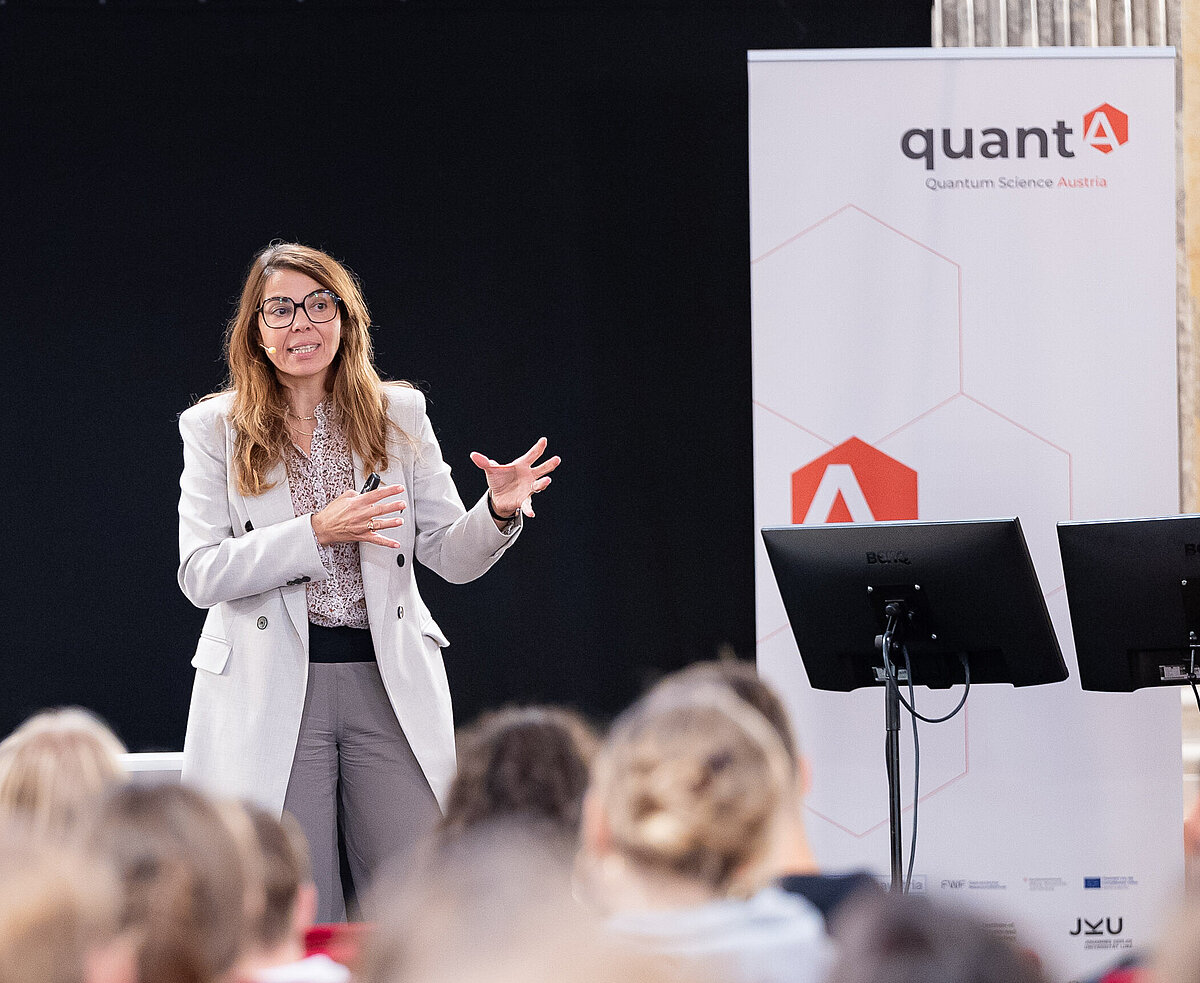
One hundred years after the formulation of quantum mechanics, UNESCO declared an international year of action. In Austria, too, 2025 was all about quantum physics – with hands-on events and celebrations.
In 1925, the foundation was laid for the theory that would radically change our understanding of the laws of nature: quantum mechanics. At that time, the German physicist Werner Karl Heisenberg succeeded in formulating the first mathematical framework of quantum mechanics.
For the OeAW, this anniversary served as an opportunity for a comprehensive assessment: Where does Austria stand in quantum research? And how can such a highly complex field of research be communicated in a way that remains relevant to society?
The answer did not come in the form of a single commemorative speech, but rather in a series of events that connected laboratories, schools, lecture halls, and ultimately Vienna City Hall.
For years, Austria has been at the forefront of global quantum research. A key driver of this success story is the Quantum Science Austria (quantA) Cluster of Excellence, funded by the Austrian Science Fund (FWF). In addition to the OeAW’s Institutes for Quantum Optics and Quantum Information in Vienna and Innsbruck, the network brings together a total of more than 60 research groups, including institutions such as the University of Vienna, the University of Innsbruck, the Vienna University of Technology, Johannes Kepler University Linz, and ISTA – the Institute of Science and Technology Austria.
Together, the researchers are working on the fundamentals and applications of the so-called “second quantum revolution”: quantum computers, quantum communication, quantum sensing, and quantum metrology. The Quantum Year thus became a confident assessment of the current state of the field – and a signal for open, collaborative cutting-edge research with international reach. And both were communicated to a broad public in 2025.
Fittingly, the “World Quantum Day” on April 14 kicked off the celebrations. The Vienna Institute for Quantum Optics and Quantum Information of the OeAW opened its doors to visitors eager to get a breath of “quantum air.” And in Austria, that is closely associated with one name: Anton Zeilinger. The 2022 physics Nobel laureate has set global standards with his experiments on quantum entanglement. His work demonstrates not only that quantum phenomena are real – but that they can be harnessed for technological applications.
Guided tours of Zeilinger’s workplace – through the laboratories and up to the institute’s roof, where the Hedy Lamarr Telescope stands – made it clear just how much quantum physics has changed in recent decades. What once began as a theoretical description of subatomic phenomena is now the foundation for technologies such as quantum cryptography, ultra-precise sensor technology, and novel computing architectures – all the way to quantum computers.
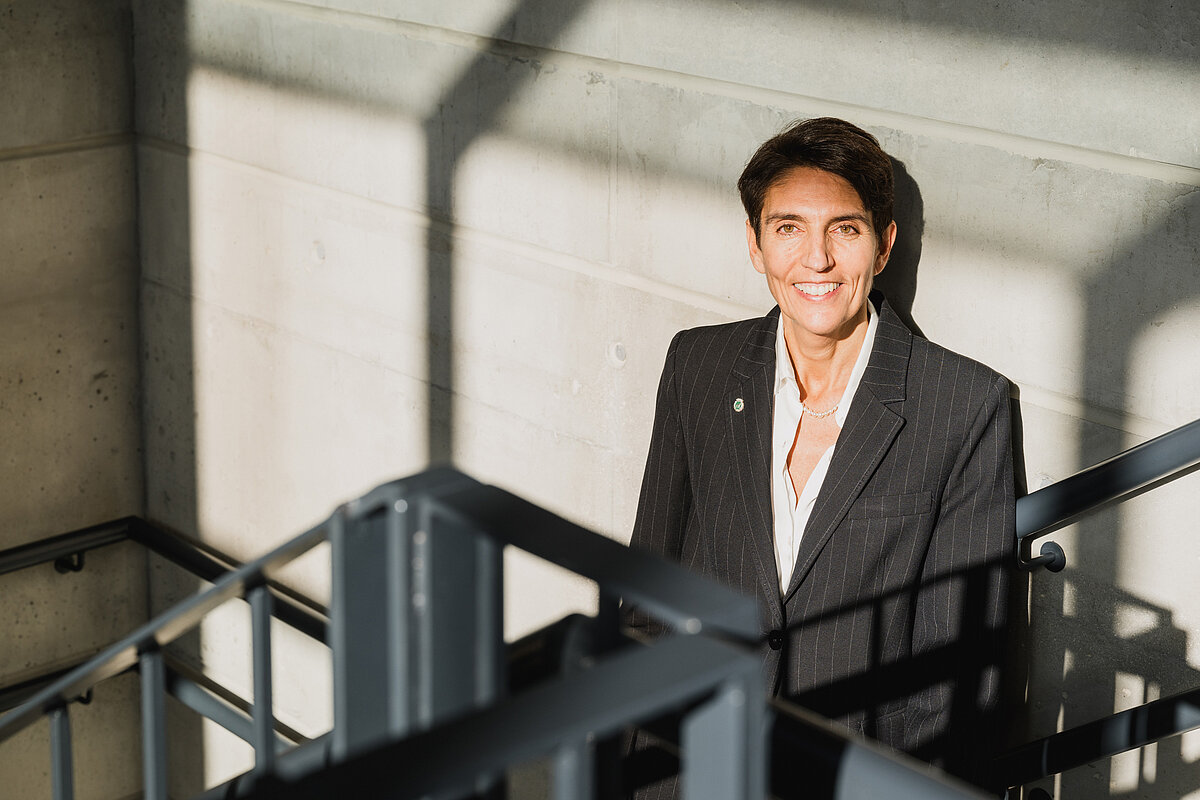
Gut expert Maria Rescigno is the new director of CeMM. The Italian researcher brings cutting-edge microbiome research to Vienna.
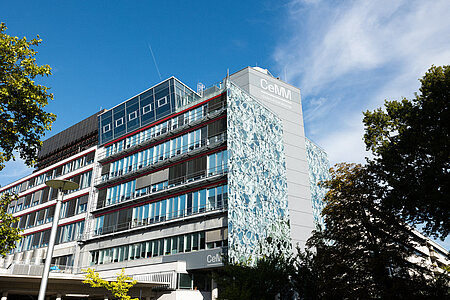
Sometimes it is good if, amidst change, something remains the same. The CeMM Research Center for Molecular Medicine of the OeAW has a new director. But just like the previous head, the new director also comes from Italy. Internationally renowned microbiome researcher Maria Rescigno is moving from Milan to Vienna to take over as scientific director of the OeAW institute. She succeeds her compatriot and successful founding director, Giulio Superti-Furga. Rescigno is one of the leading experts in the field of interactions between the gut, the immune system, and the brain and was chosen as the top candidate following a highly competitive selection process.
Over the past two decades, CeMM has established itself as an internationally recognized center for molecular biomedical research and operates at the intersection of basic research and clinical medicine. With approximately 300 scientists from over 50 nations on the AKH campus and in close partnership with the Medical University of Vienna, it ranks among Europe’s leading life sciences institutions.
Rescigno’s appointment also marks a strategic expansion of CeMM’s scientific focus: through her research interests, she aims to place greater emphasis on the importance of the microbiome – the community of microorganisms that live in the human body. “Our well-being does indeed depend on a vast population of invisible microbes,” says Rescigno, referring to the power of these tiny organisms, which play a major role in human health. Rescigno brings an exceptional scientific career to the table: With over 250 publications in high-impact journals, several ERC grants, and memberships in renowned scientific bodies such as the European Molecular Biology Organization (EMBO) and the Italian Accademia dei Lincei, she is considered one of the most internationally distinguished researchers in her field. She served as Vice Rector for Research at Humanitas University in Milan and Deputy Scientific Director of the Humanitas Research Hospital before coming to Vienna.
“These microorganisms help us with digestion, train our immune system, and produce beneficial substances. In every respect, they are part of who we are.” Maria Rescingo
Her research focuses primarily on the gut-liver-brain axis and how disruptions in this complex communication can contribute to diseases of the nervous or immune systems. A particular focus is on how microbial signals influence the immune system and its barriers – for example, by regulating certain barriers in the gut or the brain. This work opens up new perspectives for understanding diseases and potential therapeutic approaches.
This perspective aligns well with CeMM’s mission: to find answers to the complex causes of human diseases while bridging the gap between basic research and clinical application. “Maria Rescigno will set new priorities with her microbiome research. The clinical relevance of her research gives hope to many people,” said OeAW President Heinz Faßmann. With this new focus, the Academy institute not only positions itself once again at the forefront of cutting-edge biomedical research but also continues to keep its sights firmly set on what matters most: using its findings to advance medical progress for all of us.
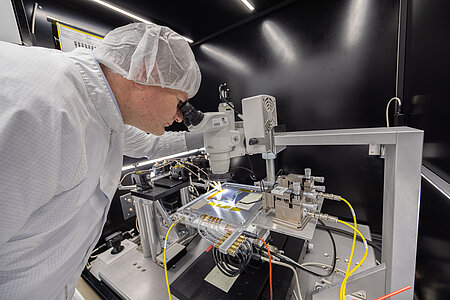
With the Marietta Blau Institute, the OeAW has created a new center of gravity for particle physics in Austria. The goal: to unravel the great mysteries of the universe.
One thing is certain: Marietta Blau would have loved it. For the first time – and unique worldwide – a scientific research institute has been named after her. And not just any institute: The new Marietta Blau Institute of the OeAW conducts basic research in particle physics – the very field in which Blau pioneered groundbreaking work. The Marietta Blau Institute for Particle Physics – MBI for short – was formed from a merger of the Institute of High Energy Physics and the Stefan Meyer Institute for Subatomic Physics, making it Austria’s largest center for experimental and theoretical particle physics. This strategic merger of the two existing Academy institutes brings together decades of expertise and opens up new scientific perspectives – for the first time at a single location in the historic building of the former Postsparkasse in central Vienna.
The MBI is dedicated to exploring what our universe is made of and the nature of its most fundamental building blocks and forces. In particular, the search for the enigmatic dark matter, the study of antimatter, and the precise exploration of the limits of the current Standard Model of particle physics are at the center of its research. Incidentally, these topics are not only of theoretical importance but also shape applications in technology and medicine.
“We are always focused on the big question: Do we fully understand the universe?” says Eberhard Widmann, longtime director of the former Stefan Meyer Institute and now co-director of the new institute, describing the MBI’s vision. He emphasizes the broad-based approach required to achieve this: “We investigate particle physics at a wide variety of levels – from fundamental measurements to new experiments that go far beyond the known Standard Model.”
The decision to merge the two institutes was not a spontaneous one, but a well-considered step that makes sense primarily for content-related reasons: “Although we work on different experiments, the methods and techniques overlap significantly. We can now discuss the results together,” explains Jochen Schieck, former director of the Institute of High Energy Physics and likewise co-director of the MBI. The geographical proximity of the two teams was also a decisive factor in the merger, as was the prospect of better leveraging synergies and building on shared scientific strengths. Schieck: “I am convinced that scientific progress can only be made by examining questions from different perspectives.”
The institute’s name honors the Austrian physicist Marietta Blau (1894–1970), a pioneer of nuclear and particle physics. Her development of the photographic nuclear emulsion method provided early, important insights into invisible particles. Schieck explains: “Marietta Blau developed methods for making particle tracks visible – a legacy that is deeply intertwined with the work of the MBI, both technologically and substantively.” Widmann adds that the name also has historical significance: “As a scientist, a woman, and a Jew, Marietta Blau is an important figure whose contributions we wish to honor in this way.”
As an internationally networked research center, the MBI collaborates on several of the most significant large-scale projects in particle physics. These include contributions to experiments at CERN near Geneva, such as at the Large Hadron Collider (LHC), as well as at research facilities in Japan and Italy. Close cooperation with universities and international partners also makes it possible to directly involve students and young researchers in cutting-edge research, thereby training the next generation of physicists. With the Marietta Blau Institute, the OeAW has thus not only created a strong center for particle physics but also an international platform for scientific exchange across countries and generations. All of this with one goal: to help unravel the great mysteries of our universe.
Selflessly and with determination, the women cleared Vienna of rubble after World War II – so goes a widespread narrative about the “rubble women,” which, upon fact-checking, turns out to be a retroactive fabrication. Historians at the OeAW demonstrate, using sources that have hardly been analyzed until now, that it was primarily former members of the NSDAP who were obligated to clear the rubble.
Vienna 1945: Women clear away the rubble and help rebuild the city. The iconic image of the so-called “rubble women,” who cleaned up with their bare hands and worked on rebuilding the city after the war – selflessly, hopefully, and full of drive – is a myth. Clearing away the rubble immediately after the war was not a voluntary act of heroism. On the contrary: most of the women deployed were members of the NSDAP and were conscripted into labor. Furthermore, around 59 percent of the workforce were men, also former NSDAP members. The typical “rubble woman” was thus more likely to be a “rubble man.”
This is the conclusion reached by a research team from the OeAW, consisting of Martin Tschiggerl, Lea von der Hude, and Patricia Seifner from the Institute of Culture Studies. They have analyzed sources that have received little attention to date. In their study, published in 2025 in the Austrian History Yearbook by Cambridge University Press, they demonstrate that this myth emerged relatively late – and has little to do with historical reality.
Study author Martin Tschiggerl says: “In the immediate postwar period, there was not only a shortage of potential labor but also a lack of willingness among the population to participate at all in the cleanup efforts in the destroyed city. A compulsory labor requirement enacted by constitutional law was intended to remedy this. Former NSDAP members were primarily affected by this.”
This is confirmed by new sources from Viennese archives. Central to this are around 6,000 compensation claims from 1951: Former National Socialists demanded compensation for their work on the so-called “emergency works” in 1945/46 – and received it. The basis for this was a constitutional law of August 24, 1945, which allowed the City of Vienna to conscript individuals with Nazi ties for work in the public interest.
Contemporary accounts underscore this reality: Women who were forced to clean up the rubble were often given the derogatory label “rubble women” and were publicly denounced as “Nazi criminals.” The work was considered a punishment, not an honorable activity. But how and when did the forced obligation to clear rubble give rise to the reinterpretation as heroic “rubble women”?
“With the erosion of the Austrian ‘victim myth,’ space was created for the Austrian rubble women as a new narrative of victimhood” Martin Tschiggerl
This narrative emerged with a time lag. Martin Tschiggerl: “Until the late 1980s, the term hardly ever appeared in public discourse in reference to Austrian women. It only truly established itself in the course of the 1990s and 2000s. It was only with the erosion of the Austrian “victim myth” that space was created for the Austrian rubble women as a new narrative of victimhood.”
A monument to the “rubble women,” unveiled in 2018 on private property in Vienna, also contributed to the establishment of a new narrative of victimhood. It was dedicated by then-Vice-Chancellor Heinz-Christian Strache of the Freedom Party of Austria (FPÖ), who in his speech honored the women as heroic agents of reconstruction whose efforts deserved the country’s deepest respect. The speech painted a picture of self-sacrifice, hard work, and patriotic commitment – a picture that, however, never truly applied to postwar Vienna.
One thing is certain: anyone who cleared rubble in Vienna in 1945–46 was, in all likelihood, a member of the NSDAP. Understanding the context of this cleanup work casts a critical light on the widespread myth of a heroic reconstruction. “The actual hardships of the postwar period were woven into a mystifying narrative of heroism and self-sacrifice, in which the Nazi era could once again be glossed over,” says OeAW historian Tschiggerl.
Field studies by OeAW acoustic researchers in South Africa show that giraffes learn to interpret the warning calls of other animals – and to use them to their advantage. The proximity of lions is decisive. Only real danger sharpens their attention to warning signals.
To humans, it sounds unremarkable, almost casual: a short, sharp hiss from a bird’s beak. For a giraffe on the African savanna, however, it could be the crucial clue that danger lurks somewhere in the tall grass. Two new studies from the Acoustics Research Institute of the OeAW provide insight into how giraffes perceive danger. In South Africa, the researchers observed how the animals react to predator calls and vocalizations from other species. It becomes clear that their vigilance stems from the interplay of instinct and experience. An unexpected ally plays an important role: the red-billed oxpecker.
“We have shown that giraffes in areas with predators react more strongly to the alarm calls.”
Anton Baotic
These small birds are known for their symbiotic relationship with large mammals such as giraffes and buffalo, from whose fur they pick parasites. Less obvious, but long suspected, is their role as acoustic sentinels: when startled, they emit harsh alarm calls. However, the extent to which giraffes use these sounds for their survival had previously been unclear.
This is exactly what bioacousticians Anton Baotic of the OeAW and Georgine Szipl demonstrated in the journal BMC Biology. The study design involved playing three different audio recordings for the giraffes: alarm calls from red-billed oxpeckers, as well as calls from pigeons and orioles for comparison. Giraffe populations in reserves with and without lions were tested to determine how the presence of predators influences the effect of bird calls. The result: “Our study showed that giraffes in areas with predators react more strongly to the alarm calls. They remain alert for longer,” said Baotic. Giraffes from predator-free areas also showed a reaction – but their vigilance waned more quickly. So, the alarm calls alone do not explain the behavior. The decisive factor is prior experience: Those who live in a landscape where danger is real apparently learn to take even subtle warning signals seriously.
This is supported by a second study published in the journal Frontiers in Ecology and Evolution. In it, Baotic and Szipl investigated how giraffes respond to the direct calls of predators: All the animals showed an immediate reaction to the roar of lions – even those from lion-free areas. But there is a difference: giraffes that were regularly confronted with lions remained alert for significantly longer. “This underscores that giraffes not only possess an innate sensitivity to dangerous-sounding noises, but that experience further enhances their behavior,” explains Baotic. Apparently, say the researchers, prolonged proximity to large predators sharpens the giraffes’ senses. This allows them to perceive and interpret the songbird’s warning signals more precisely. Another finding further demonstrates that this is a learned behavior: At the time the sound recordings were made, lions had only been living in the study area again for five years.
The realization that giraffes can interpret the warning calls of their avian partners also has far-reaching ecological consequences: If lions disappear from an ecosystem, giraffes gradually lose the ability to recognize danger and respond appropriately. “We refer to this as ecological amnesia to describe this loss of behavioral competence,” Baotic says.
This is particularly relevant for the relocation of giraffes to other reserves. Animals that have never encountered lions are demonstrably less vigilant because they have not learned to associate the warning calls of red-billed oxpeckers with acute danger.
With Q, a new Science Communication Center is being established in central Vienna. Cultural manager and Q director Christopher Lindinger explains why this joint initiative by the OeAW, the University of Vienna, and the Vienna University of Technology aims to bring science into people’s everyday lives.
Science communication never serves just one purpose. It is a career tool, a means of regional positioning, a way to recruit new talent, an act of accountability, an educational mandate, and sometimes, quite simply, the joy of sharing. Especially in the realm of excellent science, communication is often also a showcase. It is meant to demonstrate the innovative power, the capacity for discovery and implementation, and the international competitiveness inherent in teams and institutes. Visibility means collaborations, third-party funding, talent, and influence. That is legitimate, but when trust in science erodes, visibility alone is not enough. For years, we have been talking about science communication as if communication were the main problem. As if science only needed to speak more clearly, and then people would trust it. That is a convenient and short-sighted view.
This fallacy is called the deficit model: people know too little, we explain more, trust increases. In research on science in the public sphere, this logic has long been considered too simplistic. People form judgments not only on the basis of information, but also along the lines of values, goals, identities, and life circumstances. More information may be necessary, but it is often insufficient. On contentious, politicized issues, more knowledge does not automatically lead to greater consensus, because evidence is frequently processed through interpretation patterns guided by identity and values. Information alone rarely solves the problem.
This also requires a more precise definition of the concept of trust. Trust is not simply a messaging issue. Communication plays a role, but trust also arises from experiences, relationships, institutional reliability, and the question of whether people feel taken seriously. Whoever reduces trust to comprehensibility mistakes effect for cause.
So, if trust is not primarily an information or messaging problem, what then? The real task is to bring science into everyday life – not as a campaign, but as the norm. Science must become something people can experience as an everyday resource. Not as a loudspeaker announcing results, but as a bridge between the reality of life and theory, between what people see, feel, and pay for every day. As long as science comes only as a ready-made answer from a distant institution, it remains foreign. You have to believe in what is foreign. And anything you are merely supposed to believe, you can also reject.
The alternative is radically simple. Science must take place in everyday life. In routines, places, practices. Where decisions are actually made – in health, nutrition, mobility, energy, work, education, and media use. Three strategies change more than a thousand explanations:
First: Make processes visible – the how rather than just the what. Science becomes vulnerable when it acts as an oracle. It becomes resilient when it is understood as a way of working – as measuring, testing, debating, replicating, and correcting. Research on dialogue and public engagement emphasizes precisely this shift in perspective: not just informing, but also listening, learning, and building relationships. The result is less “a study shows” and more “this is how it was tested, these are the limitations, and this is what comes next.”
Second: creating everyday spaces for interaction, bringing science to where people are. Public discourse does not just happen in the news feed. It happens in interactions, in libraries, schools, exhibition spaces, and neighborhoods. That is where questions are asked that rarely come up in panel discussions, and that is where science can connect with real-world problems. This is not romanticism; it is structure. Such formats reduce distance and also make experiences, values, and conflicting goals negotiable. Participation only works if it is done well.
Third: Understand science as a cultural practice, not as a purveyor of truths. It is more than the production of knowledge. It is a cultural technique: examining fairly, weighing reasons, tolerating uncertainty, correcting errors. If science is a cultural practice, then it must also be culturally anchored – just like music schools, sports clubs, or libraries – as part of what a democratic society nurtures on a daily basis.
And yes, participation often beats listening. Not always. Participatory formats are not a cure-all, but they are a lever because they flip the relationship. People are not merely addressed but actively involved. Effective engagement requires transparency regarding the scope of action, professional design, and equal respect for both expertise and experience.
The message remains: Trust is less a result of good rhetoric than a byproduct of shared practice.
Perhaps “science communication” is actually the wrong term because it prescribes a certain dramaturgy: sender, receiver, top, bottom, explain, convince. We do not need better packaging, but more points of contact; not more output, but more integration. Calling everything “communication” obscures the actual work. That is precisely why we need places that do not start by presenting answers, but take curiosity seriously. Places where you can walk in without hesitation, try things out, and connect with your own concerns. A place that says: “Your questions matter.” Your space for science. A place that does not lecture people, but invites them to ask, to test, to doubt, to understand. Such places are not mere backdrops. They are the infrastructure for a society that wants to learn to live with both uncertainty and evidence.
And this is precisely where the circle closes with the goals that many – especially outstanding – research institutions set out to achieve: visibility, innovative strength, and influence. For when science is successfully integrated into everyday life, acceptance is not merely created but becomes more likely. Science becomes less foreign, less like a command, and more like a shared resource. This also leads to very tangible effects: greater societal support, more leeway for research, a greater willingness to tolerate ambivalence, and ultimately more prospects for future development – technological, social, and democratic. Science does not become stronger by getting louder. It becomes stronger by getting closer.
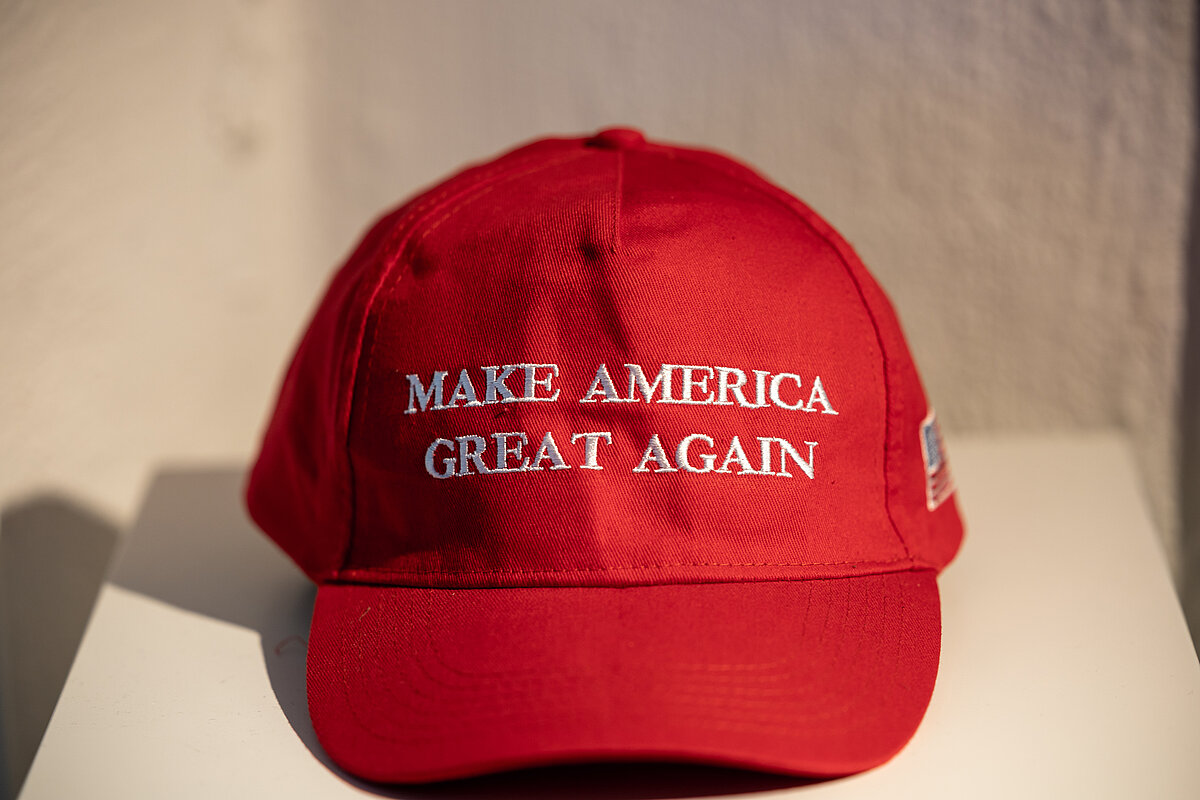
Where the state dictates how history is to be written, diversity of opinion ends, and censorship begins. This can currently be observed in Trump’s USA, says cultural studies scholar Johannes Feichtinger.
On July 4, 2026, the U.S. will celebrate its 250th anniversary. By then, according to President Trump’s vision, U.S. history is to be rewritten in a way that strengthens patriotism. Trump sees this as a correction of a distorted historical narrative under the previous administration, but in doing so, he restricts academic diversity of opinion. Where state power dictates a view of history by decree, memory politics ends and censorship begins.
On March 27, 2025, President Trump signed Executive Order No. 14253, titled “Restoring Truth and Sanity to American History.” It states: “Our Nation’s unparalleled legacy […] is reconstructed as inherently racist, sexist, oppressive, or otherwise irredeemably flawed.” According to Trump’s directive, critical self-examination is now to be replaced by a celebration of the “greatness of the achievements and progress of the American people” – though only the white portion. The repeated instances of deadly police violence against Black people (most brutally against George Floyd in 2020) exposed the deep-seated racism in the U.S. The global outrage gave rise to the “Black Lives Matter” movement. The New York Times responded with the 1619 Project to address racism. Trump countered in the 2020 election year by establishing the 1776 Commission, which promoted “patriotic education.” Today, universities, schools, and museums are required by Executive Order to deny the violent history of the U.S. and to convey a distorted view of history to Americans.
No head of government in a democratic state has ever seriously claimed to possess the “historical truth.” Trump’s attempt to impose a definitive view of history on an entire nation is an act of disenfranchisement. He assumes that Americans cannot bear the ambivalence, the moral responsibility for historical suffering, or the memory of it. Democratic Europe has taken the opposite path. It trusts in the sense of responsibility of future generations, in the self-criticism of institutions, and in scholarship. Here, memory politics is not authoritarian discipline, but an impetus for self-enlightenment. It keeps the memory of past crimes alive in order to understand the underlying mechanics.
The upcoming 250th anniversary of the United States is already casting its first shadows. The America 250 Civics Education Coalition, formed by the Department of Education and the think tank America First Policy Institute, is developing a new school curriculum to teach the alleged “truth about American history.” Newspapers report on a Trump-led purge of the Smithsonian Institution’s museums of objects that represent diversity, equality, and inclusion. Trump is attempting to turn back the wheel of history: references to slavery as a trigger for the Civil War are being removed, and exhibitions on slavery are being closed. There are also plans to reinstall monuments to slave owners in Southern states that were removed in recent years. In 2025, the Trump administration cut approximately $175 million in funding from the National Endowment for the Humanities. In January 2026, it approved new projects totaling $75 million to fund “civics” programs designed to replace critical social analysis with patriotic sentiment. The funds saved are being channeled into the “Garden of American Heroes,” an installation of 250 life-size sculptures of predominantly white male heroes, which is intended to represent a demonstrative rejection of any form of “cancel culture,” as it is described. Trump’s selective perception of history reinforces white identity politics, “white supremacy.”
“Trump is turning back the wheel of history – and distorting it at the same time.” Johannes Feichtinger
In democratic, pluralistic societies, memory politics is committed to a critical examination of the past. The Trump administration is censoring scholars and educational institutions that do not gloss over the suffering in U.S. history. July 4, 2026, will reveal the extent of resistance that historians, the public, and institutions are able to mount against the U.S. government’s attack on academic freedom. We can have confidence in the resilience of the 250-year-old democratic political culture in the USA.
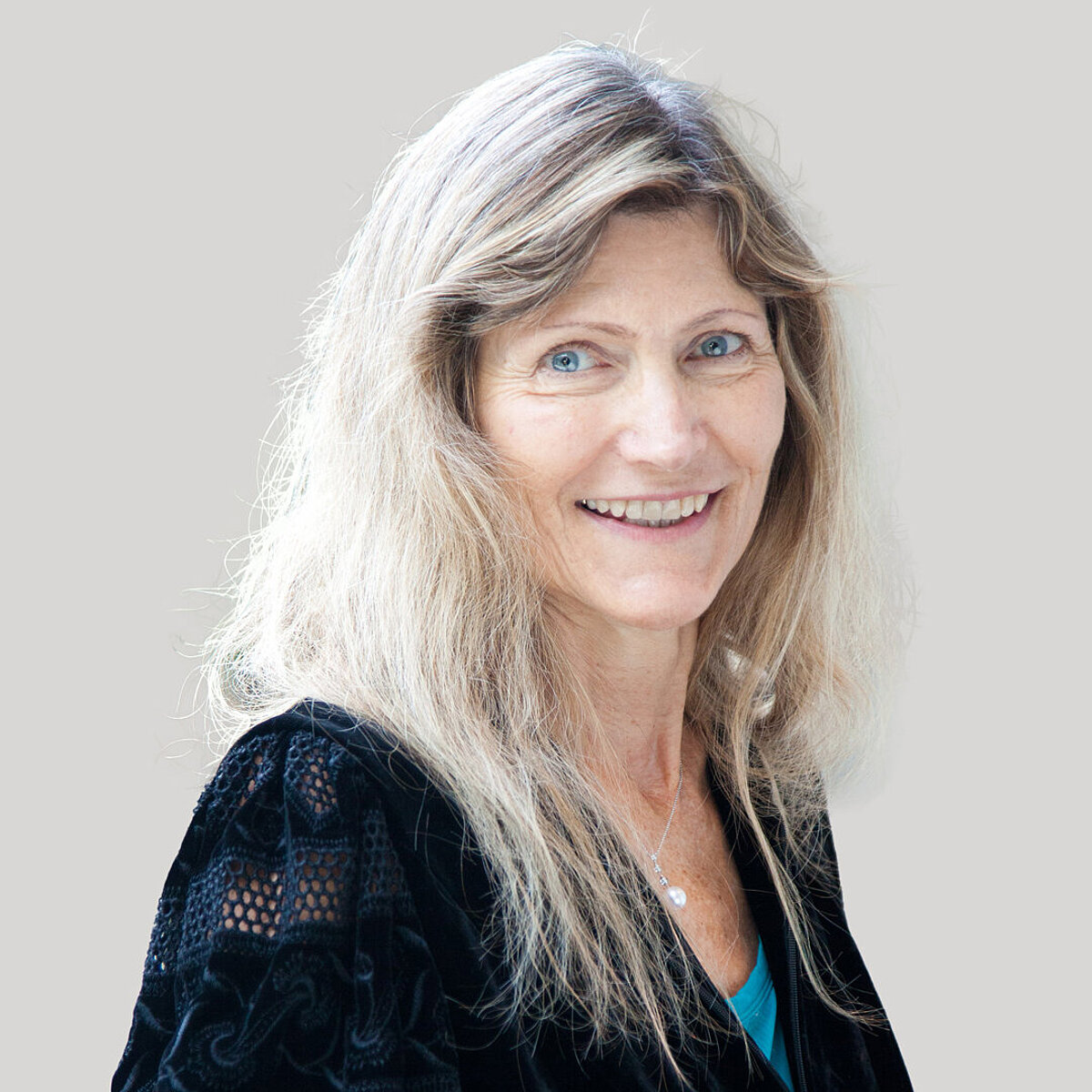
Ingeborg Hochmair-Desoyer has restored hearing to millions of people. Her innovative idea – the cochlear implant – is now a global reality.
When Ingeborg Hochmair-Desoyer talks about her work, it is never just about technology. It is about participation, about language, about the door to the world of sound. The pioneer of hearing implants gave many people access to hearing for the first time. More than a million people worldwide benefit from cochlear implants today.
A native of Vienna, she studied communications engineering at the Vienna University of Technology and, in 1979, became the first woman in Austria to earn a doctorate in electrical engineering. Early on, she was fascinated by the idea of replacing impaired sensory functions with technical systems. Together with her husband Erwin Hochmair and in collaboration with otologist Kurt Burian, she developed the world’s first microelectronic, multichannel cochlear implant in the late 1970s. In December 1977, the first multichannel device was implanted – a milestone in medical technology. Unlike the single-channel systems available at the time, the implant stimulated the cochlea at eight points, thereby enabling more nuanced hearing.
From the lab to a global company
Pioneering university research gave rise to a business with global impact. In 1986, the Hochmairs founded the company MED-EL in Innsbruck, which grew into a world-leading provider of hearing implants. Today, MED-EL employs more than 3,000 people and is represented in over 130 countries. At the headquarters in Innsbruck, around 2,000 people work in research, development, and production.
This combination of scientific excellence and social responsibility has shaped Hochmair-Desoyer’s career. She has been conducting research on electronic hearing aids since the late 1970s, earned her habilitation in medical engineering in 1998, and has published more than 100 scientific papers on cochlear implants, neuroprostheses, and auditory and speech processing. She holds around 50 patents. Numerous awards attest to her dual career in science and industry, including the Lasker-DeBakey Clinical Medical Research Award, which she received in 2013 jointly with Graeme Clark and Blake S. Wilson.
In 2025, the honorary member of the OeAW was honored with the Hannes Androsch Prize, endowed with 50,000 euros, which is awarded by a foundation affiliated with the Academy. OeAW President Heinz Faßmann emphasized: “In the spirit of the founder Hannes Androsch, who consistently viewed science and society as interconnected and built bridges between the two, Hochmair-Desoyer is a worthy recipient.” Social benefit is at the heart of her work.
At the award ceremony, she highlighted the technology’s reach: “Half of the people who benefit from cochlear implants are children. However, the fastest-growing group of recipients is older adults.” Modern systems can now be controlled via a smartphone app.
Hochmair-Desoyer plans to use the prize money specifically to support hearing-impaired children “in the poorest countries” who have not yet had access to implants. Her life’s work demonstrates how basic research translates into concrete help – and how technological innovation can enable social participation.
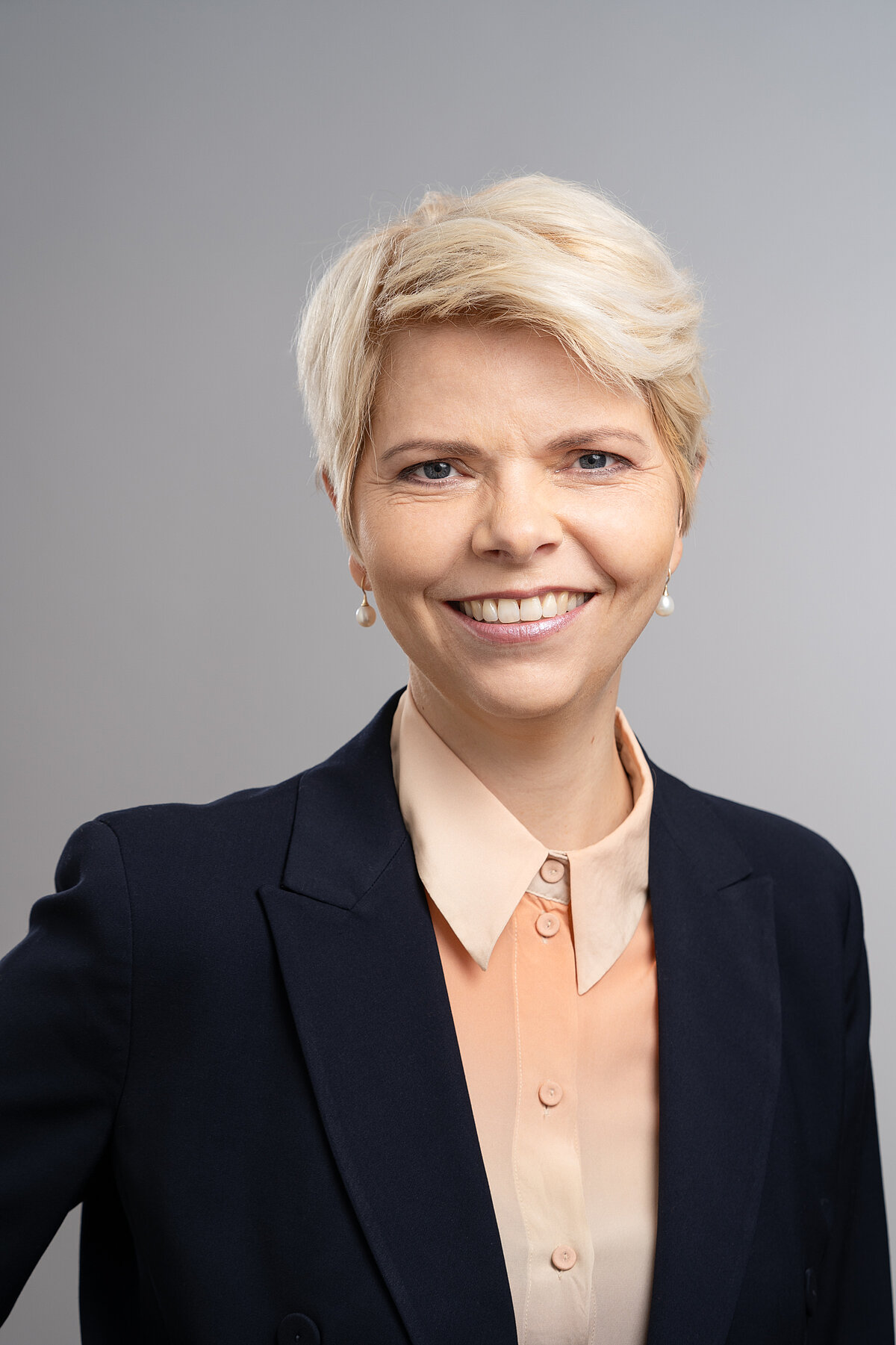
Anne Sophie Meincke does not view boundaries between disciplines as obstacles, but as invitations to philosophical thinking.
For Anne Sophie Meincke, the most exciting questions arise where different perspectives converge. Because many research discourses remain largely separate despite obvious overlaps, the philosopher at the University of Vienna actively seeks to foster constructive dialogue. One of her research topics: free will.
Meincke views it as a practical skill that atrophies if not cultivated, and which therefore requires appropriate social conditions: “Free will and the process of reflecting on how to make decisions and weigh the right options must be practiced,” Meincke says in an interview with the daily newspaper Die Presse. “Otherwise, free will can be undermined by propaganda or the removal of opportunities for action, as happens in authoritarian systems. If you are not allowed to leave your country, at some point you stop dreaming of traveling the world.”
She also finds arguments for free will in biology. More complex organisms must act in order to survive in their respective environments, the scholar explains. But this means that, instead of merely reacting mechanically to a stimulus, they must choose between different courses of action – a capability that can already be demonstrated neurobiologically in fruit flies. Free will is an evolutionary biological capacity.
Meincke’s approach is grounded in process ontology: reality is not composed of rigid entities, but of processes and their interactions. Organisms are interactive, dynamic systems. Human identity, she argues, emerges in the same way through interaction with the environment. “Our biological constitution is the dynamic result of complex interactions,” the philosopher asserts.
In June 2025, a conference on free will organized by Meincke took place at the OeAW, bringing together leading international experts from philosophy, biology, and neuroscience.
Anne Sophie Meincke studied philosophy and German language and literature, first at Kiel University, then at the Ludwig Maximilian University of Munich, where she earned her doctorate in 2012 with a dissertation on the transtemporal identity of persons. Her academic career took her to Munich, Innsbruck, Exeter, and Southampton before finally bringing her to Vienna, where she has led the Elise Richter Project “Bio-Agency and Natural Freedom,” funded by the Austrian Science Fund (FWF), since 2019.
In internationally renowned ERC projects, she worked on process ontology in biology (University of Exeter, 2014–2018) and on the metaphysics of pregnancy (University of Southampton, 2018–2019). Before that, she worked at the University of Innsbruck on the FWF project “Powers and the Identity of Agents” (2011–2014). Meincke recently accepted a professorship in philosophy.
Meincke’s academic excellence has been recognized on multiple occasions: in 2014, she received the City of Innsbruck Prize for Scientific Research, and in 2020, the Prize for Women in Logic and the Philosophy of Science from the Italian Society for Logic and the Philosophy of Science (SILFS). In the same year, she was elected as a member of the Young Academy of the OeAW, and since 2022 she has served on the Young Academy Board.
Demonstrating that philosophical thinking is not a luxury but a necessity is one of her goals – for a free, responsible life on a planet whose future depends on how we understand ourselves and our relationship to nature.

Heat is deadlier than floods and storms, yet it often remains politically invisible. At the Vatican’s climate summit at the OeAW, Greek scientist and UN Chief Heat Officer Eleni Myrivili called for a radical rethink – from urban planning to energy policy.
Heat kills silently. Without sirens, without images of destruction. It was precisely this invisible danger that took center stage in August 2025 at a high-level climate conference in the heart of Vienna. The Vatican’s “Climate Resilience Summit” was hosted by the OeAW in Vienna.
The Vienna conference was part of a global series of events initiated as Pope Francis’s final major legacy. “Planetary Calls” were to take place on every continent, bringing together scientific findings and political responsibility. Vienna represented Europe – just as Nairobi represented Africa and New York represented North America. Previous meetings had already taken place in the Vatican, California, Massachusetts, and Kenya. The findings gathered there will culminate in a global Vatican closing summit in 2026, at which a universal statement for greater climate resilience is to be adopted. One of the central voices at the conference was Eleni Myrivili, UN Chief Heat Officer and internationally recognized expert on urban climate resilience. She issued a stark warning against continuing to underestimate heat. After all, heatwaves already claim more lives today than any other extreme weather event – more than floods, storms, or wildfires.
Dangerous because no one sees them
Myrivili knows what she is talking about. Her work began in Athens, first as deputy mayor, later as the city’s first heat officer. There, she quickly learned that extreme heat is far more than a health issue. It jeopardizes jobs and productivity, strains energy and water supplies, destroys crops, and pushes entire infrastructures to their limits.
According to Myrivili, what makes heat particularly dangerous is that it is barely perceptible. While floods or storms provide immediate visual evidence, the victims of heat waves often remain hidden in the statistics. It often takes weeks before it becomes clear how many people were hospitalized or died. This invisibility makes it easy for policymakers to ignore the problem – with fatal consequences.
Heat does not affect everyone equally. Older and sick people, as well as children, are particularly at risk. Women are also disproportionately affected – not only for biological reasons, but also because they often bear a heavier burden of caregiving and domestic work. Low-income groups face the greatest risk because they lack access to air-conditioned spaces and other forms of protection. Those who can afford it turn on the air conditioning. For many others, the only option is to endure the heat.
At the same time, extreme heat has systemic effects: it pushes transportation and energy systems to their limits and puts massive pressure on ecosystems. In parts of Europe, the consequences are already visible – for example, in agriculture, where crop failures are on the rise and food production is being severely disrupted.
Cities as beacons of hope
In the fight against heat, Myrivili relies on two key tools: knowledge and nature. Early warning systems are crucial for informing people in time and helping them adjust their behavior – such as seeking out cool places, staying hydrated, or avoiding physical exertion. She is convinced that clear communication could prevent many deaths. Even more effective, however, is the use of nature-based solutions. Studies show that heat-related mortality can be reduced by about a third if the canopy cover in cities is increased by about 30 percent. Trees, green spaces, and water are not decorative extras, but life-saving infrastructure.
Myrivili expects the Vienna conference above all to send a signal for stronger cooperation. Under the title “From Climate Crisis to Climate Resilience in Europe at Local and Regional Levels,” the Pontifical Academy of Sciences and the Pontifical Academy of Social Sciences, together with European partners such as the EASAC network hosted by the OeAW, discussed strategies for adapting to heat, droughts, and floods.
Myrivili’s message to Europe is unambiguous: the continent is warming faster than any other. Phasing out fossil fuels, reducing emissions, and investing in adaptation are no longer abstract issues for the future, but a matter of survival. “Politicians must finally take climate change seriously,” warns Myrivili. “They are playing with our lives.”
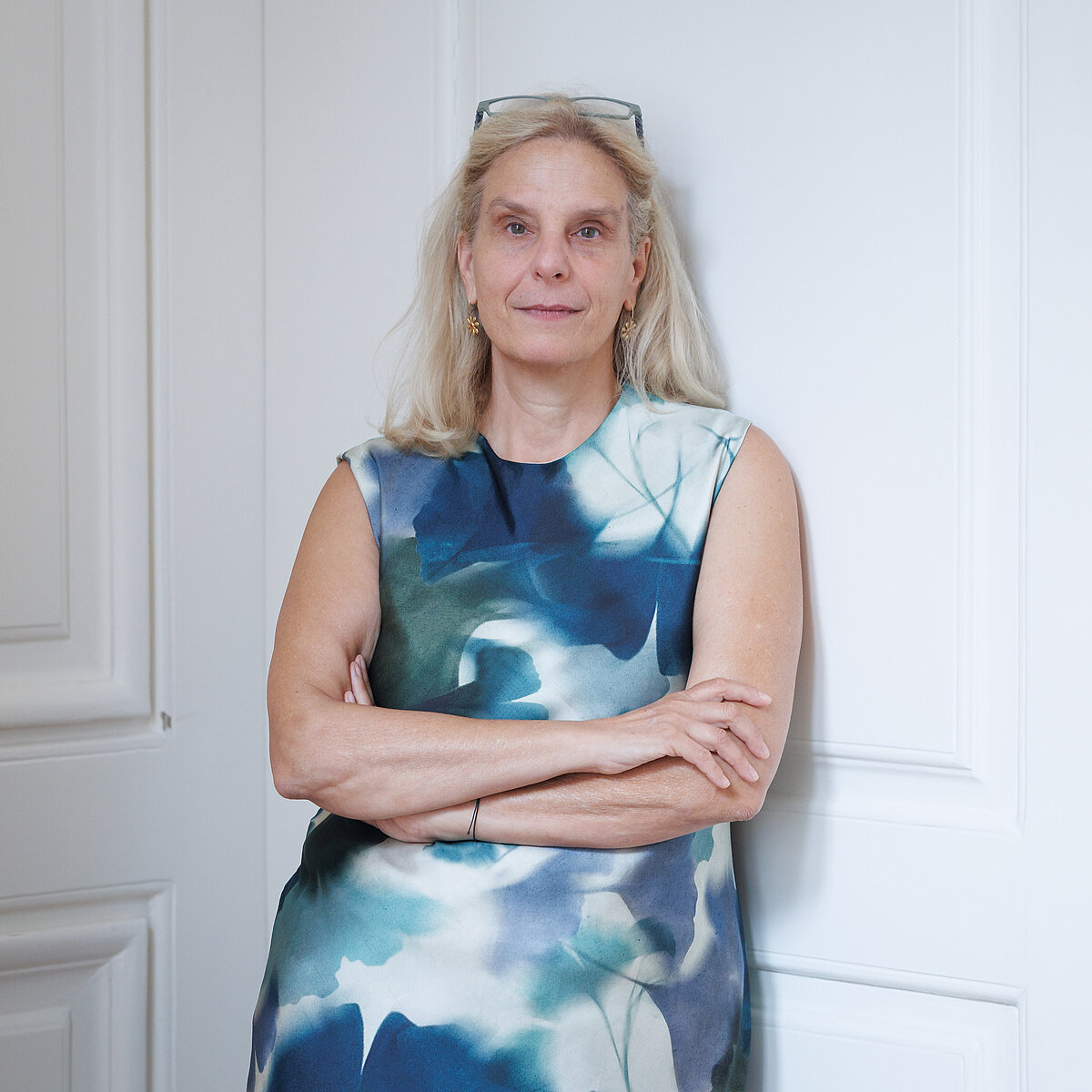
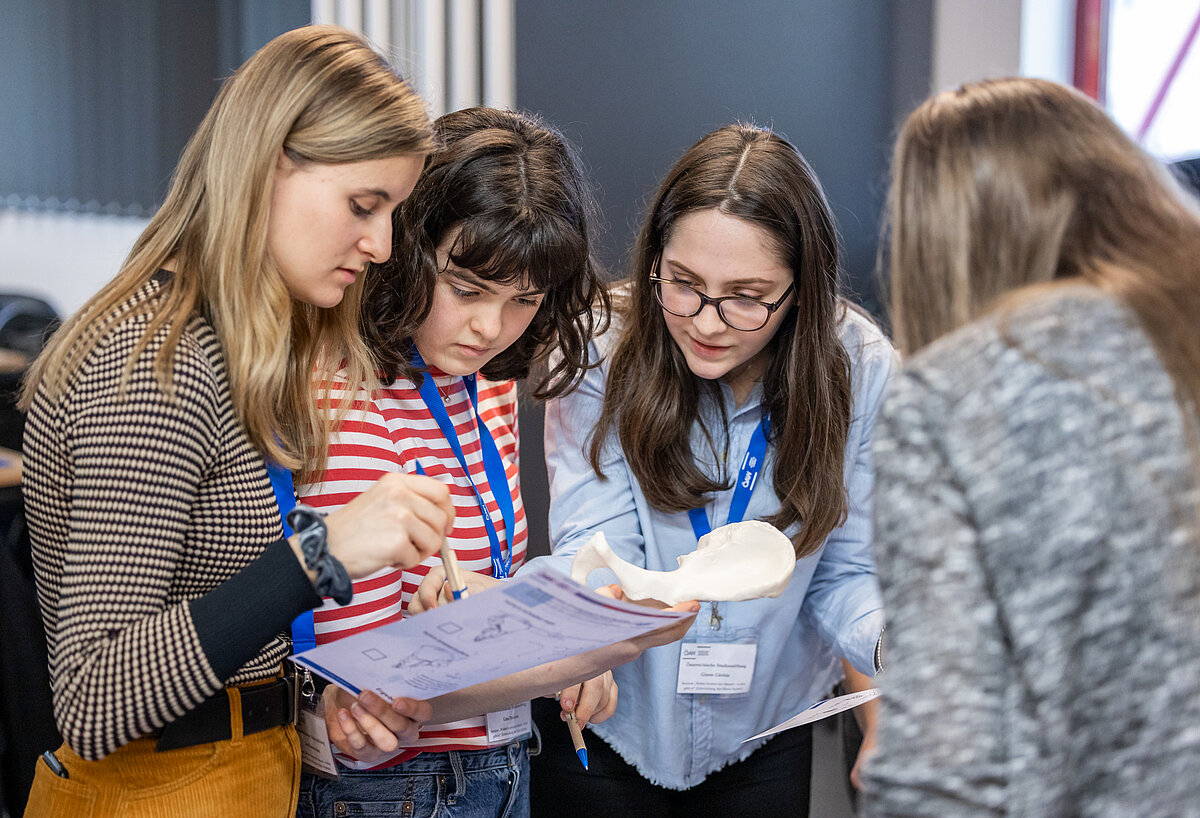
Studienstiftung, Hiccup, FÄKT … The Academy brings curiosity to where it thrives: to children, teenagers, and young adults. Since 2025, the OeAW’s activities for a young audience have been combined under the “New Generation Science” label.
Podcasts instead of jargon, research visits instead of textbooks: The OeAW presents big scientific questions to its young audience on their level, framing them in a way that resonates with the realities of young people’s lives, whether through direct interaction or digitally.
By 2025, the OeAW’s “Wisskomm” activities had converged under the umbrella of “New Generation Science.” The leaders of the Studienstiftung, FÄKT, Akademie im Klassenzimmer (Academy in the Classroom), and Hiccup are pooling their expertise, learning from one another, appearing together at events and (education) fairs, sharing booth staffing and fees, and thus bringing scientific content even more effectively to the target audience.
Lea Pichler, project manager at FÄKT, explains: “We have woven together the diverse threads of our many initiatives. New Generation Science brings together the OeAW’s concentrated expertise in science communication for young people. This allows us to reach the target audience even more effectively, with the aim of fostering interest and passion for research.”

Through the Austrian Studienstiftung, the OeAW supports particularly talented and dedicated young people. The program guides and supports participants on their personal and intellectual journey into and through their studies. It offers a wide range of seminars, workshops, mentoring, and research internships, as well as the opportunity to network with leading figures from academia and society. High school students who have passed their Matura exam and university students who have completed no more than two semesters are eligible to apply.
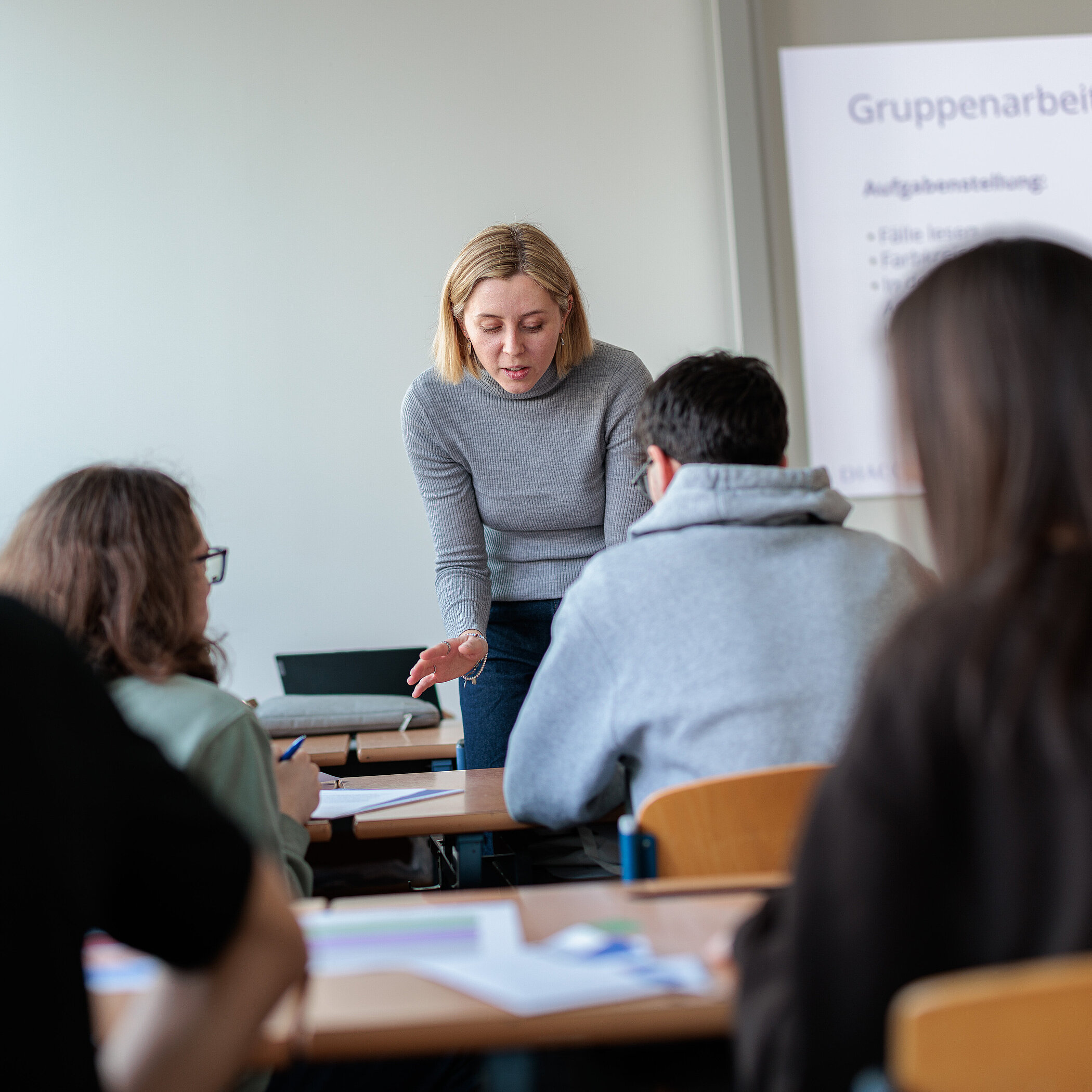
Top-tier researchers teach scientific topics to children, teenagers, and young adults and provide fascinating insights into their daily work. In-person lectures are offered to schools throughout Austria, with an online option available. The range of subjects stretches from astronomy, physics, and the environment to history, archaeology, and digitalization. Information about the program and schedule can be found on our website. Participation for schools is free!

It can happen that fast! A scientific experiment goes wrong, and suddenly you are transported back to the Middle Ages – with a few challenges: How do you charge an electronic device in the past? What did German sound like in the 15th century? And was the plague really that dangerous? All these questions are answered by “Hiccup. Per Schluckauf durch die Zeit” for the young and the young at heart. Available now wherever you get your podcasts.
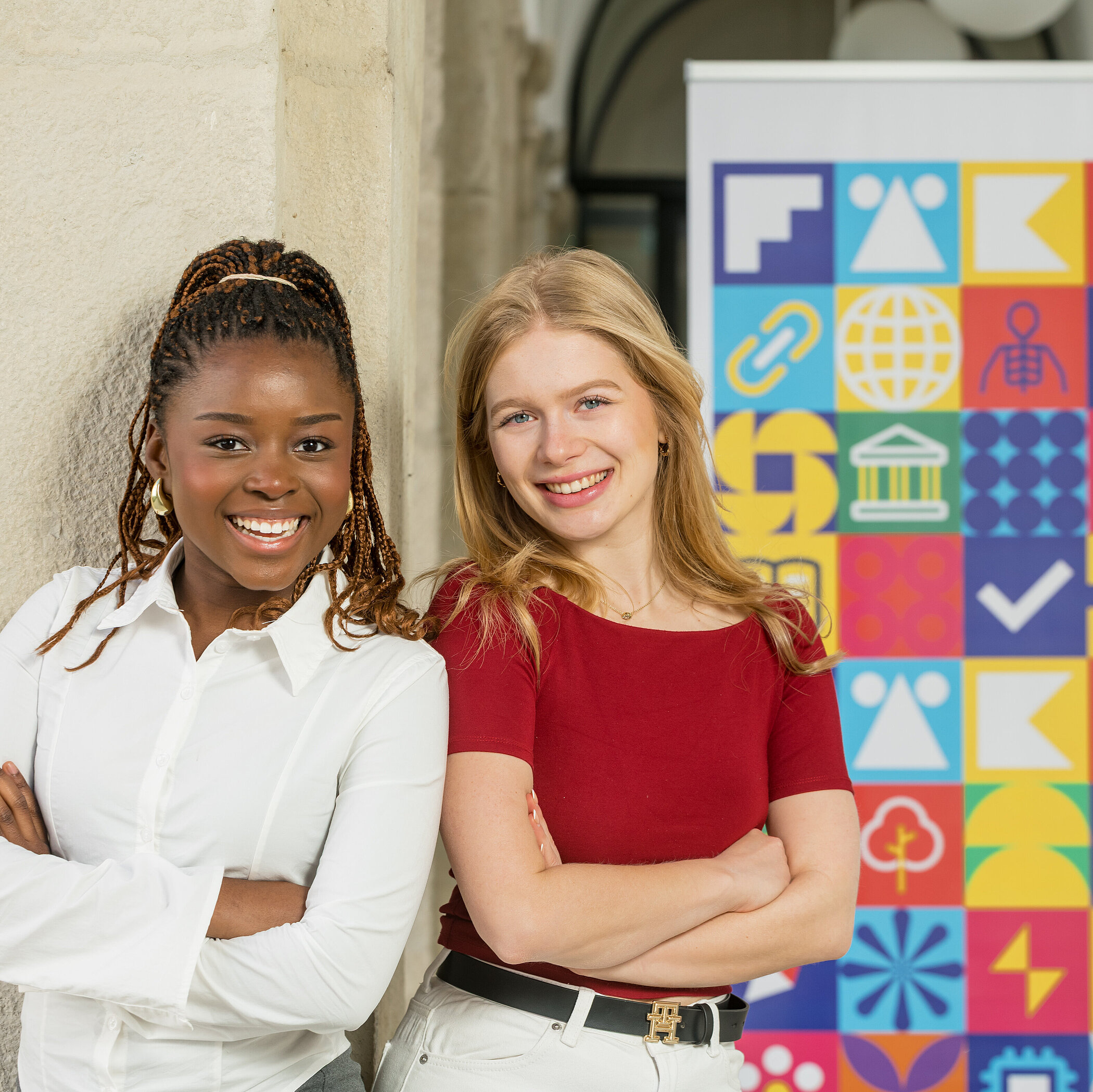
FÄKT offers exciting, innovative, and quality-assured science videos developed specifically for a young audience and for classroom use. Young hosts, together with researchers, present the latest scientific findings from Austria – in a way that is easy to understand, accessible, and that meets young viewers where they are. The content is closely aligned with the curriculum; for each video, FÄKT provides accompanying materials for a school lesson, available on edutube and YouTube. Additionally, there are clips on Instagram, YouTube, and TikTok, along with opportunities for direct interaction. FÄKT is an initiative of the OeAW, funded by the Fonds Zukunft Österreich.
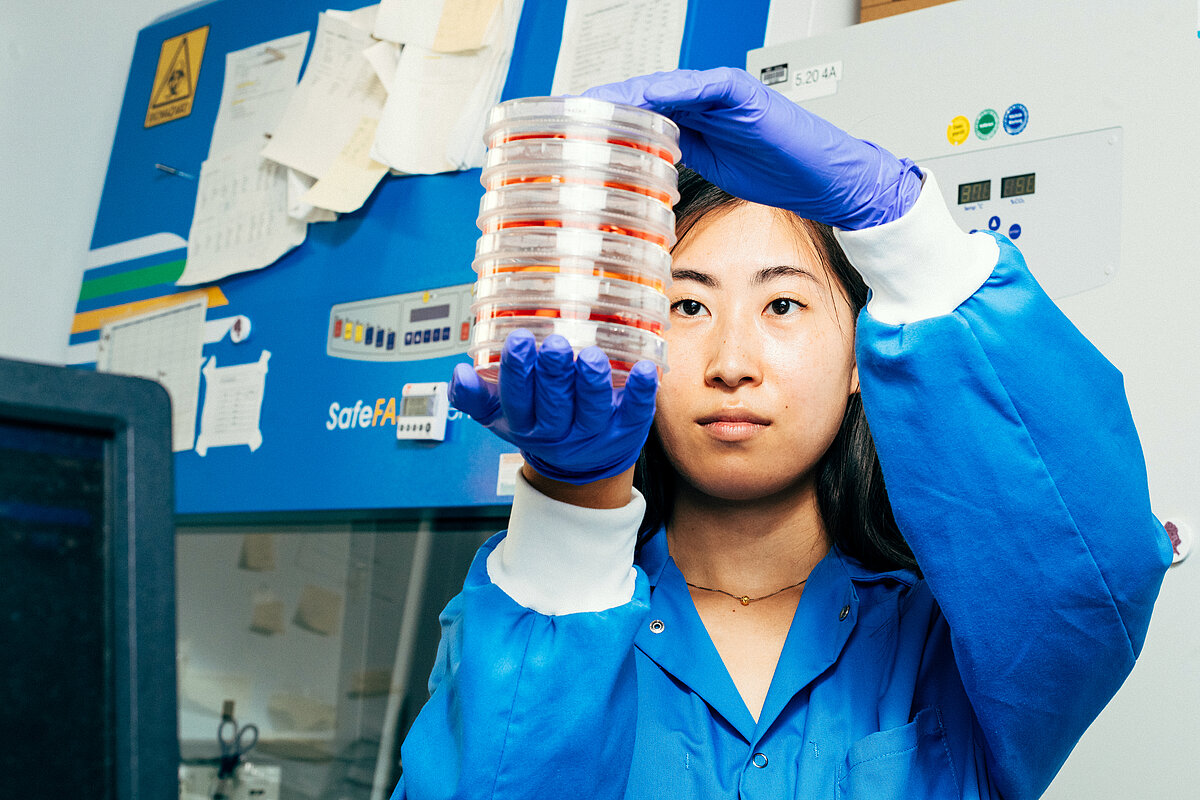
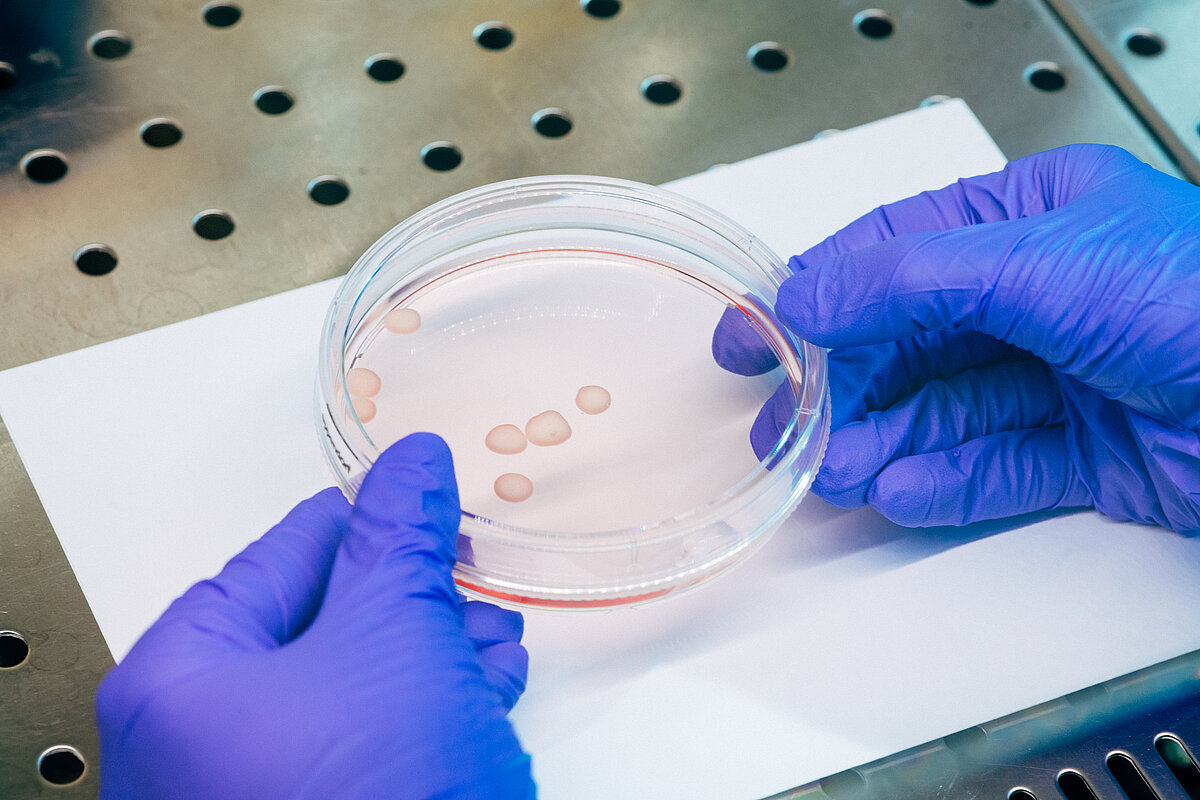
When research is particularly innovative, results can lead to patents. This not only builds reputation but also ensures important knowledge transfer that benefits the public, as well as economic success. The OeAW holds a top position in the European Patent Office rankings.
Obtaining a patent is something truly special. The starting point – that is, the research result – must be “novel, have an inventive step, and be industrially applicable,” as stipulated by the European Patent Convention. To verify and approve all of this, it therefore takes an average of five years from the filing of the application to the granting of the patent. If successful, it is a major achievement – for the researchers involved and the institution where they work.
Non-university institutions play a central role in patent development. This is shown by a recent study by the European Patent Office and the Fraunhofer Institute for Systems and Innovation Research, published in October 2025. Specifically, the study’s authors analyzed European patent applications from 2002 to 2020. The results were impressive for the Austrian Academy of Sciences: After the Austrian Institute of Technology with 227 out of a total of 640 patent applications, the OeAW – including its limited liability companies – ranks second with 142 patents, placing it at the very forefront of the Austrian research landscape – and even in first place among institutions conducting basic research.
Beyond the reputation this result conveys, it also makes one thing very clear, as OeAW President Heinz Faßmann emphasizes: “The boundary between basic research and applied research is an artificial one. Results from basic research lead to innovative products and technologies, even if this was not planned at the start of the research process.” He identifies the reasons for this as follows: “Basic research is driven by curiosity and is not geared toward its practical applicability. This is precisely why significant breakthroughs often emerge from it; it is therefore an excellent foundation for further innovation.”
“Our goal is to further increase the number of patent applications and OeAW spin-offs.” Heinz Fassmann, President of OeaW
Once a patent has been successfully granted, the next step can be a market-ready product. There are essentially two main paths to achieving this: licensing, i.e., granting rights of use, or the establishment of a spin-off, an independent company founded by researchers for self-marketing. The OeAW has also been successful in this area – 15 spin-offs have already emerged from patents. Heinz Faßmann comments: “We welcome the further commercialization of research results. We therefore assist with patenting and support the establishment of spin-offs.” For this reason, the Academy is continuously expanding its support services. The point of contact for inventions, patents, and their commercialization is the Knowledge Transfer Office (KTO), which, among other things, assists researchers in identifying patentable inventions, takes the lead in filing and commercializing patents, negotiates licensing agreements, and supports spin-offs.
Particularly successful research fields
The range of patents submitted and granted to date is vast. One successful field is the life sciences. For example, research on organoids at IMBA has resulted in an important patent describing the production of a functional heart tissue model, a so-called heart organoid. The technology enables the adaptation of models to replicate key disease-relevant characteristics and to test the development of novel medications. It has been licensed to an OeAW spin-off.
Another patent describes a method for diagnosing certain types of blood cancer. Building on technology researched at CeMM, a test kit was developed to detect mutations in a specific protein that may be responsible for the development of these rare diseases. Additionally, immunotherapies were developed that target the mutated form of the protein. The field of quantum technology is also yielding numerous patents. For example, those developed at IQOQI Innsbruck in collaboration with the University of Innsbruck describe methods for solving real-world computational problems significantly faster using a quantum computer.
But groundbreaking scientific results are also increasingly being filed as patents from other institutes and disciplines. For example, the Acoustics Research Institute developed the now-patented “Impainting” technology, which can fill gaps in audio or video signals – gaps typically caused by transient disturbances such as technical errors, noise, or interference.
Science on an open stage: lively, controversial, interdisciplinary. The OeAW’s division meetings address current issues in science and research, debate findings, and spark new ideas.
The OeAW’s public division meetings offer a journey through science. The topics are wide-ranging, provide a deep dive into the subject area under discussion, and generate new ideas that have an impact beyond the meeting room.
Six times a year, the members of the Division of Humanities and Social Sciences meet, and just as often – on the day of the General Assembly – the members of the Division of Mathematics and Natural Sciences meet. The highlight of the meetings is the public session, which focuses on research and scholars and to which – as with the public General Assemblies – all interested parties are warmly invited. Here, current topics are discussed, research projects are presented, and questions are debated. Members, staff, and external experts all have a chance to speak.
“The lectures offer a glimpse into the wide-ranging focus areas of the Division of Mathematics and Natural Sciences.” Wolfgang Baumjohann President of the division of Mathematical and Natural Sciences
Each division has its own character: In the Division of Humanities and Social Sciences, the focus is on contextualizing current events, cultural contexts, discourses on terminology, and source analysis. Division President Christiane Wendehorst: “In the meetings of the Division of Humanities and Social Sciences, researchers from various disciplines typically examine a topic from different perspectives. We examine narratives, refine concepts, and relate historical experience to the present. Ideally, the insights gained have an impact beyond the meeting, in public debates or new projects.”
This was the case, for example, with the meeting on “Democracy and the Rule of Law,” which was designed as a discussion forum featuring philosopher Hans-Dieter Klein, political scientist Barbara Prainsack, legal scholar Magdalena Pöschl, and linguist Michael Metzeltin – all members of the OeAW. Questions regarding the extent of individual rights to participation in democratic systems and how these can be safeguarded in the long term, the role of digital technologies, what distinguishes and unites the concepts of democracy and the rule of law, and what the philosopher Immanuel Kant can still tell us about these issues today were debated from various academic perspectives. Other division meetings addressed topics such as “What can democracy achieve today?” or a newly discovered papyrus that offers unique insights into the civil institutions and the workings of Roman provincial administration and jurisprudence in the Near East.
The Division of Mathematics and Natural Sciences employs different methods: the focus is on data, models, and experiments. The goal is to discover general laws governing natural phenomena and processes in hard and soft matter. The President of the Division of Mathematics and Natural Sciences, Wolfgang Baumjohann, says: “The lectures offer a glimpse into the wide-ranging focus areas of the division and facilitate networking and exchange across disciplinary boundaries.”
The range of presentations spans from theoretical approaches and laboratory reports to interdisciplinary applications in the natural sciences, engineering, and mathematics. The aim here, too, is to make them interesting and relevant for the entire division and beyond. For example, Friederike Range from the University of Veterinary Medicine Vienna provided insight into her research topic. In her lecture “From Wolf to Man’s Best Friend: The Influence of Domestication and Socialization,” she presented current findings from comparative cognitive research on wolves and dogs. She thus addressed a topic that has been omnipresent in the media for several years, bringing scientific evidence to a debate that is often driven by vested interests.
“In the Division of Humanities and Social Sciences, researchers from various disciplines examine a topic from different perspectives.” Christiane Wendehorst President of the division of Humanities and Social Sciences
The OeAW’s public division meetings are far more than internal working formats: they open up research to the public, connect disciplines, and provide guidance on the questions of our time. Anyone wishing to gain insights into current debates and methods is cordially invited to attend the public sessions or read the documented contributions – as an invitation to continue the journey through science together.