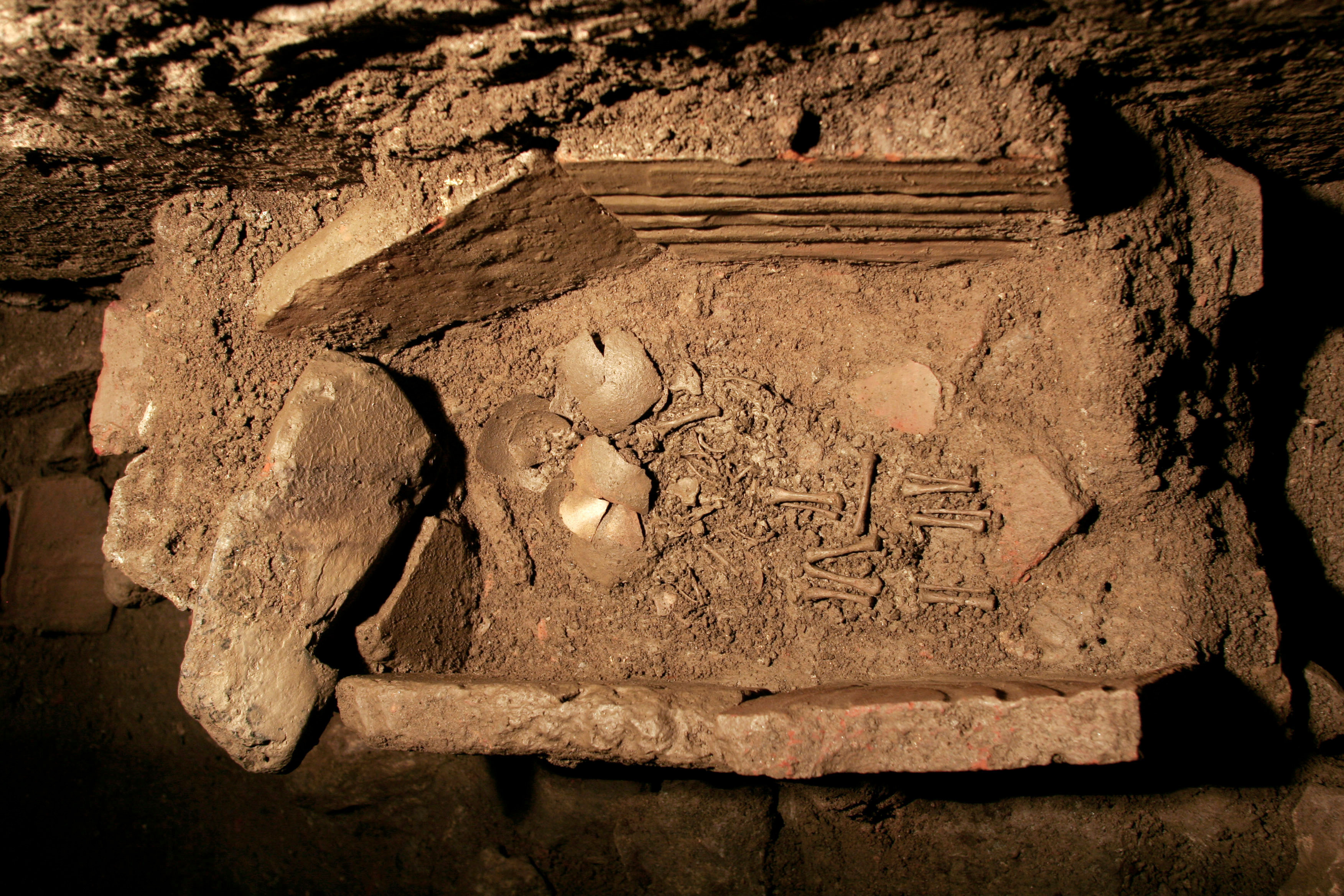
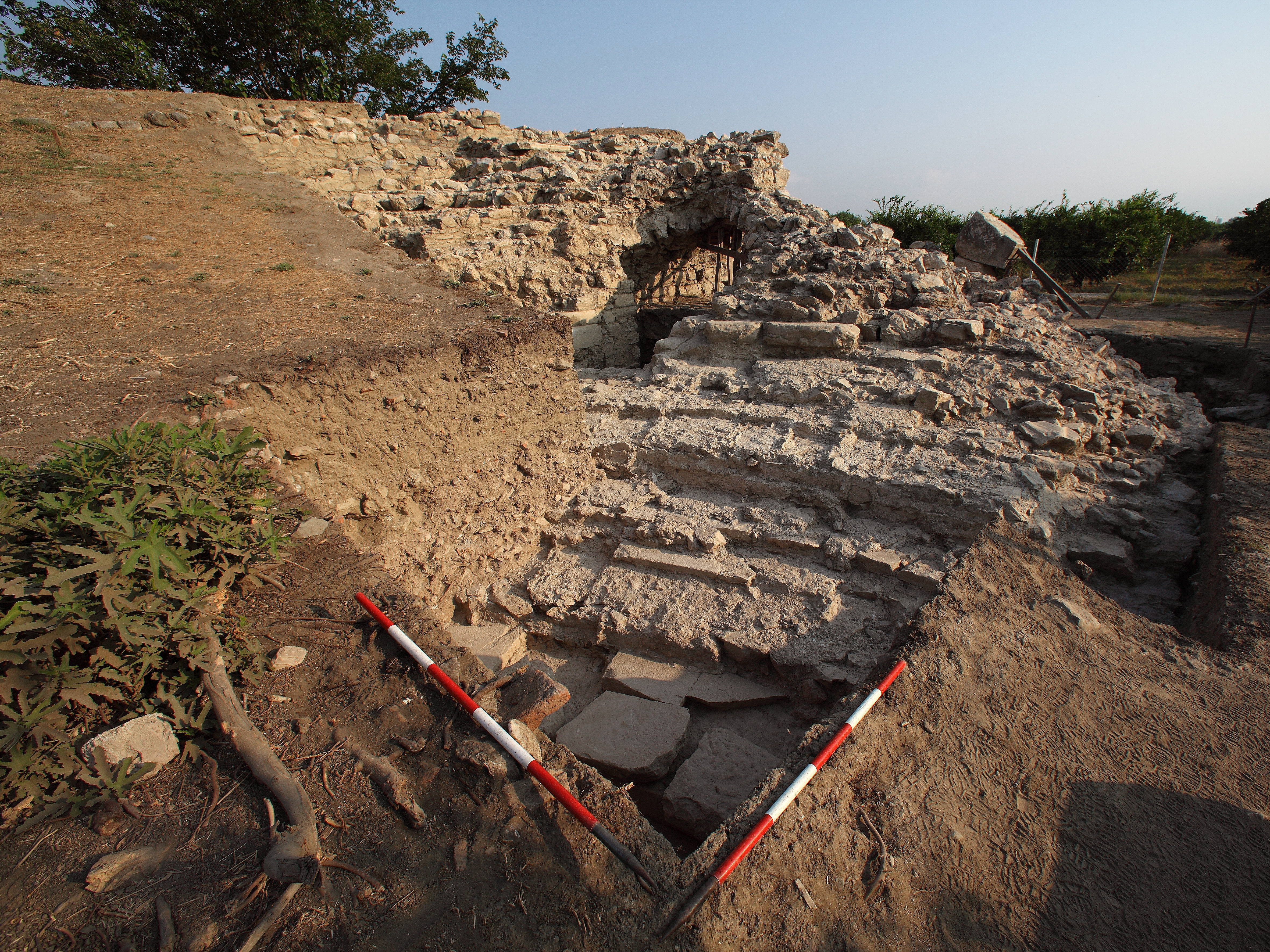
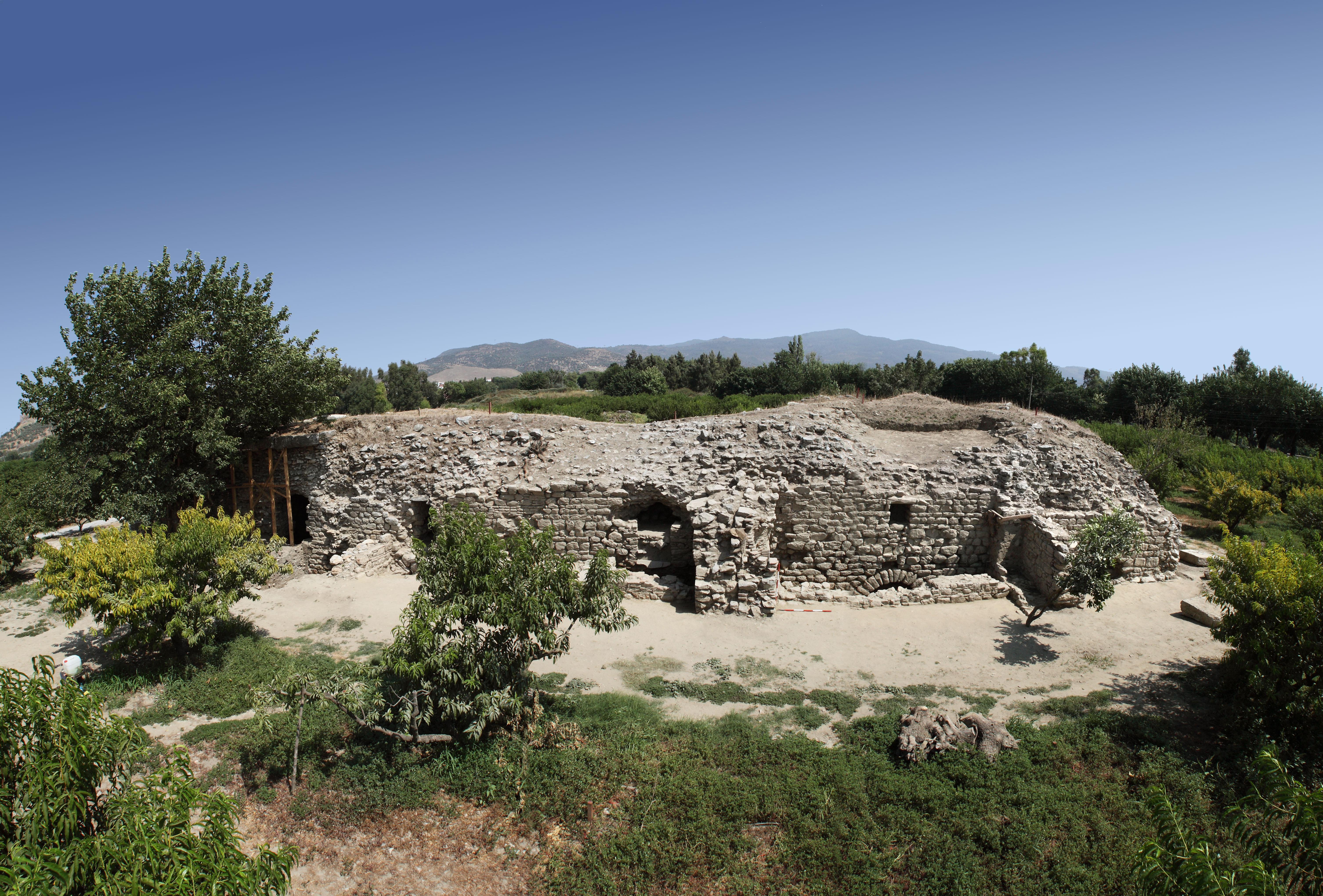
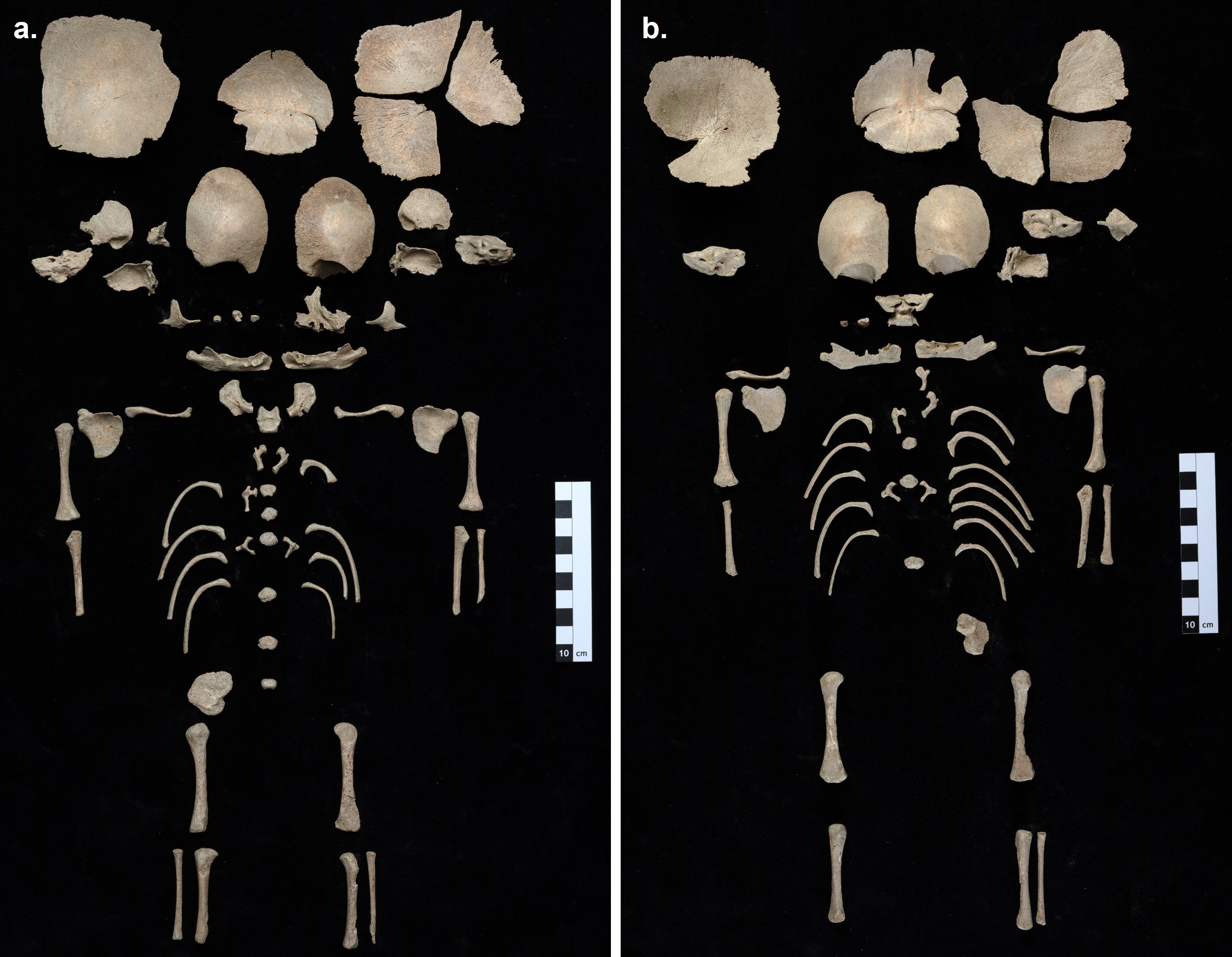
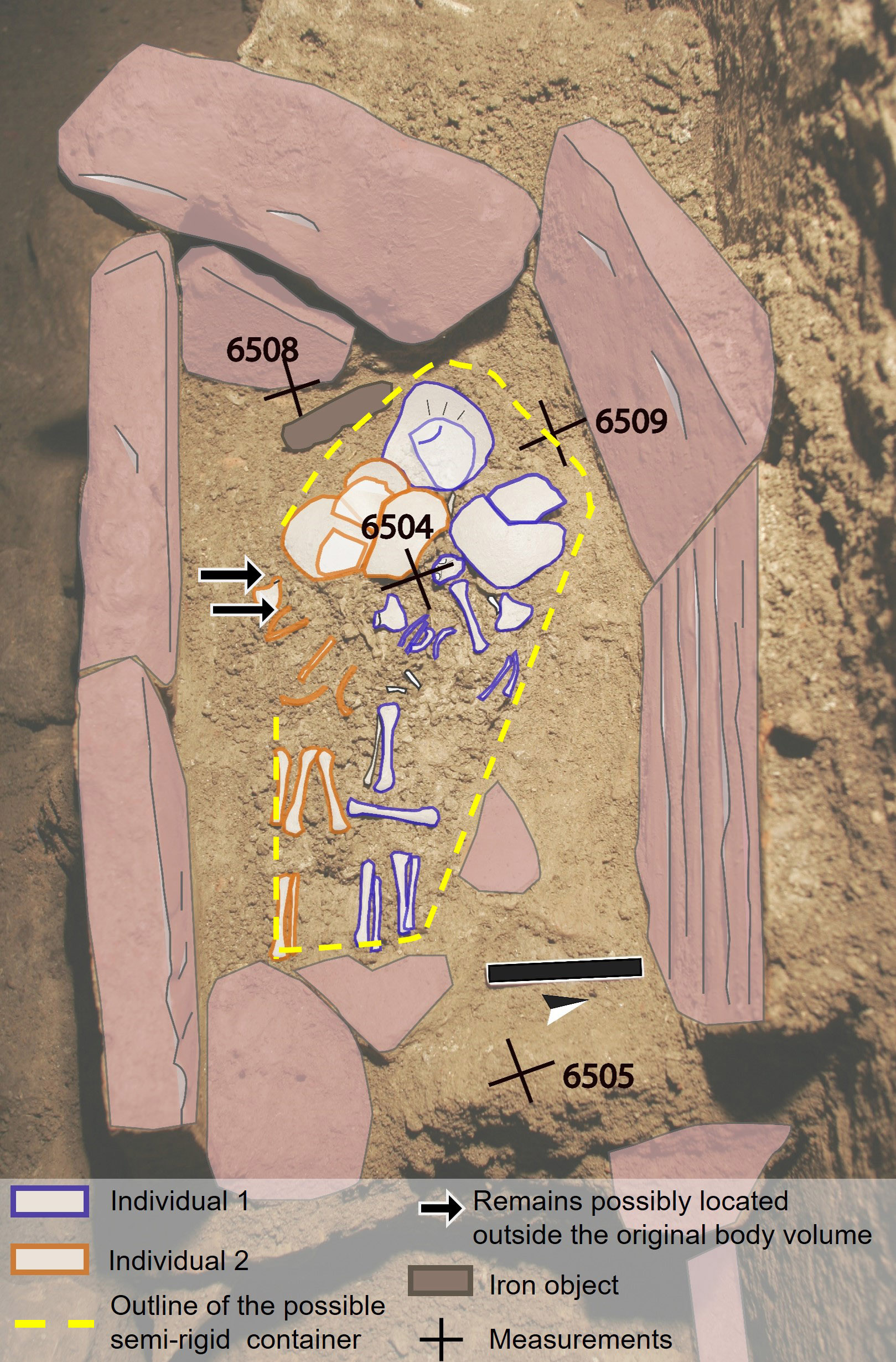
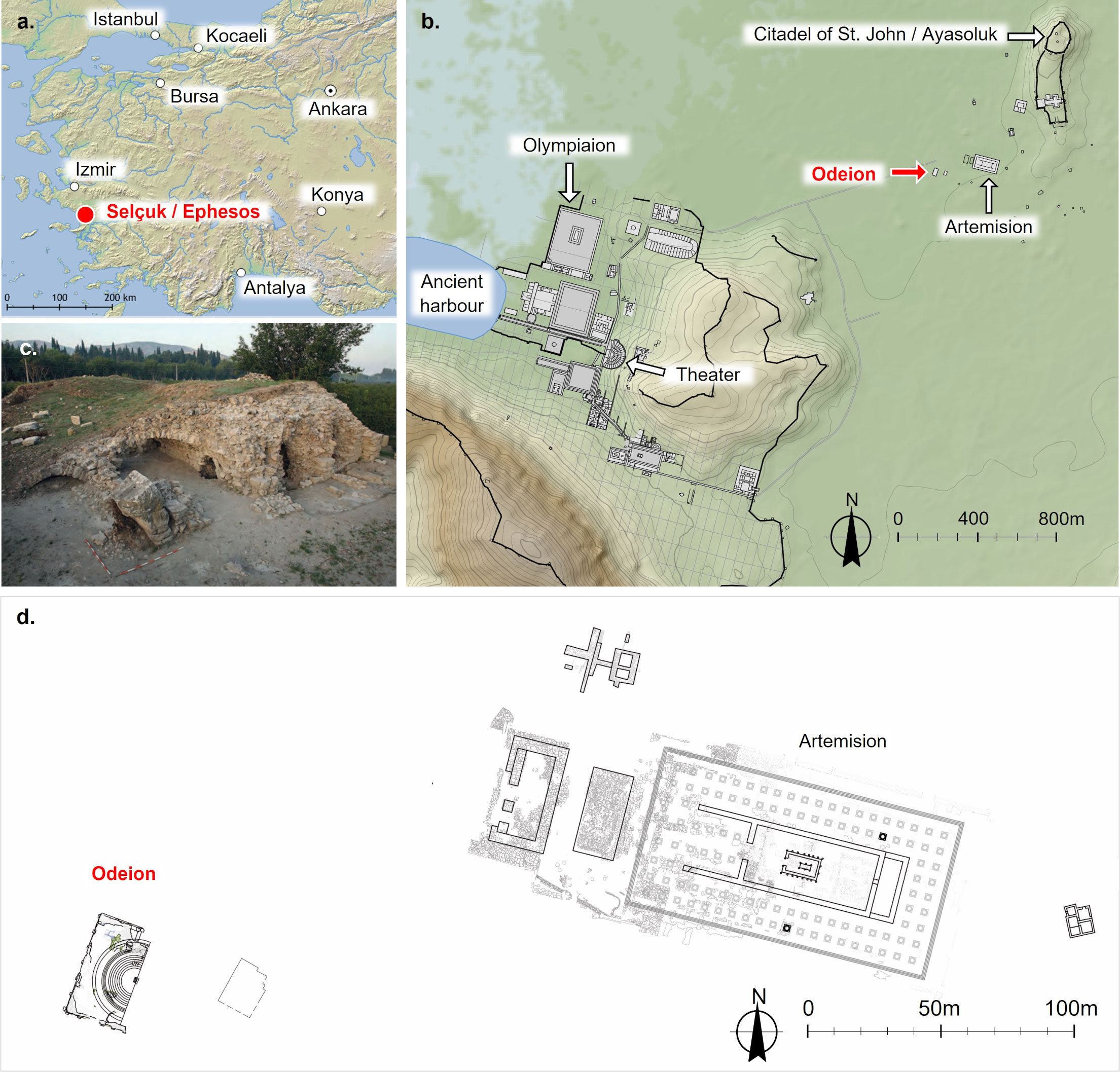


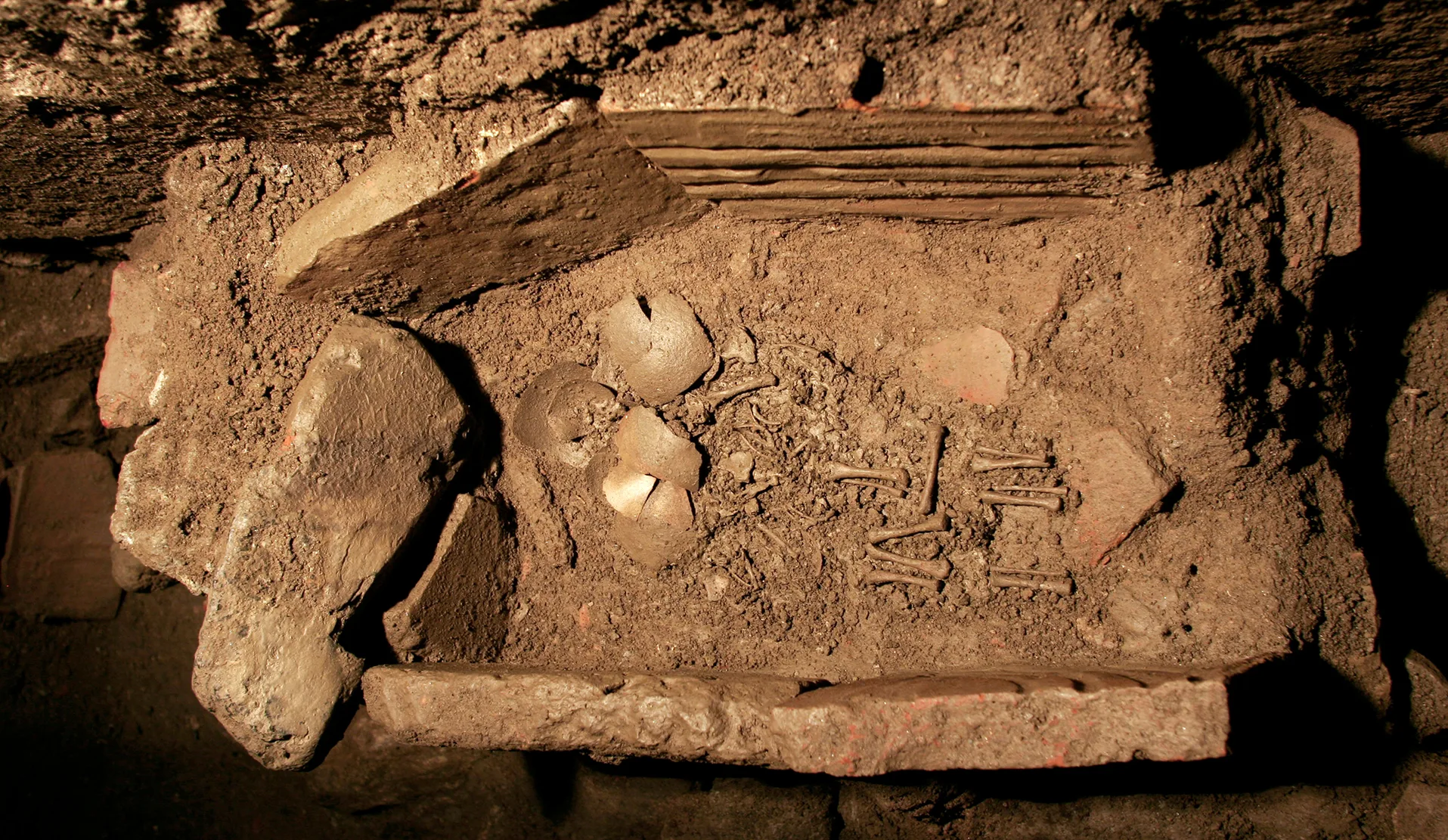
A disused sewer in the Roman Odeion, situated in the heart of the former sacred precinct of Artemis of Ephesos, is probably the last place one would expect to find a carefully laid children’s grave. Yet it is precisely there that archaeologists from the Austrian Academy of Sciences (OeAW) have discovered the burial of two children who died perinatally – that is, shortly before, during or shortly after birth. These have now been examined in greater detail, and the findings have been published in the specialist journal “Childhood in the Past”.
Caroline Partiot, co-author of the study and an anthropologist at the Bioarchaeology Lab of the Austrian Archaeological Institute of the OeAW, explains the striking contrast between the unusual location of the find and the careful burial as follows: “In earlier societies, the burial site of very young children was often different from that of adults because their social status was different. Their graves are therefore frequently found in places not originally intended for burial, such as under house floors or in wells.”
In the case of newborns, such a location may also indicate social rejection, for example in the case of an unwanted pregnancy. In such cases, the grave is usually simple in design or lacks any decoration at all. “In the Odeion, however, it is remarkable that, in a place that might otherwise symbolise exclusion, a grave was created with all the characteristics of a regular adult burial. This suggests special care on the part of the relatives and that the child’s death had touched the community,” says Partiot.
As Lilli Zabrana, co-author and archaeologist at the Austrian Academy of Sciences (OeAW), explains, the dating of the grave was initially unclear and particularly intriguing precisely because very little research has been done into how the abandoned sanctuary site was used in later periods. “The dating to the Early Middle Ages, which was established using the radiocarbon method, confirms that the Artemision was accessible at that time – that is, before floods in the 13th/14th centuries buried the entire sacred precinct under 6 to 8 metres of river sediment,” says Zabrana.
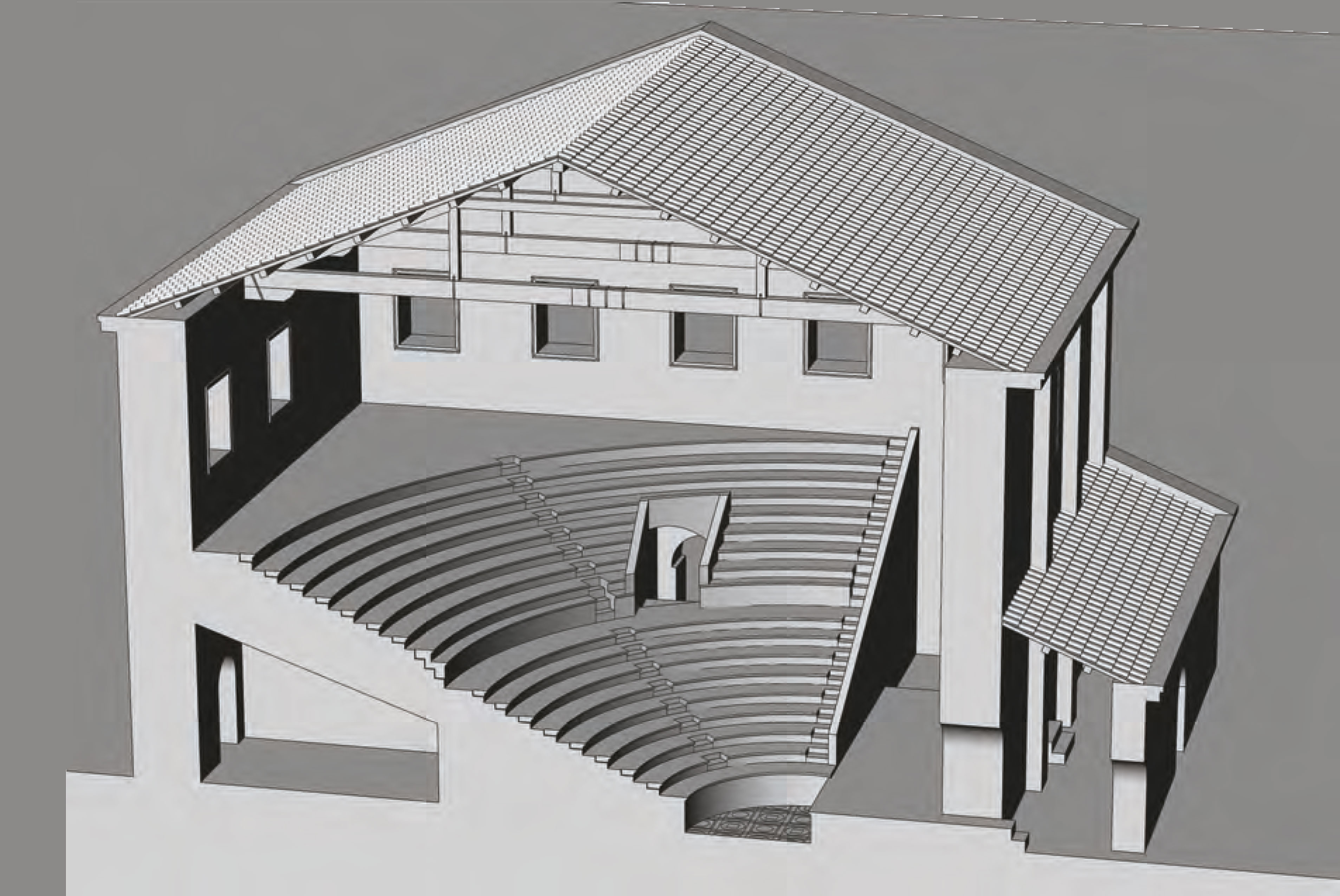
As early as 2010, a small box grave made of bricks and stones had been discovered during excavations at the Odeion, a 1st-century AD building in the sacred precinct used for musical, dramatic and poetic performances. It was situated in a channel that, in the 2nd/3rd century AD, had formed part of a public latrine with around 30 seats. However, radiocarbon dating shows that the burial took place only in the 8th/9th century AD – centuries after the building had been abandoned.
The two children lay side by side, with their heads facing west – an orientation typical of early Christian burials. Their posture, the absence of grave goods and the careful construction are consistent with the known Byzantine burial customs in Ephesos. The only unusual aspect is the location: outside all known burial grounds, in a disused but still accessible structure.
Both children died at around 33 to 34 weeks’ gestation, i.e. before the expected due date. Their almost identical body sizes and the shared grave suggest a twin birth.
An extra cervical rib was also found in one of the children. This is a rare finding, associated with an increased risk of developmental disorders and miscarriages. In the case of perinatal individuals, this is only the second documented case worldwide. Traces on the bodies suggest that the deceased had been wrapped, presumably in a shroud. An iron object near the head may have been a pin used to secure the wrapping. Traces of water seepage during decomposition were also detected.
Unlike other mass discoveries of perinatal individuals in sewers – such as in Ashkelon (Israel) or the ‘Agora Bone Well’ in Athens, which are regarded as evidence of infanticide – several factors in the Ephesos find argue against interpreting it as a case of disposal: the careful construction of the grave, its preservation over the centuries, and its location within the former temple precinct of Artemis.
The find fits chronologically into the transition from Roman to Christian attitudes towards the treatment of children who died in infancy, whilst also highlighting the special status of newborns, whose lives in past societies were particularly fragile and constantly under threat.
Publication:
Partiot, C., & Zabrana, L. (2026). Peace in Unexpected Places: The Middle Byzantine Burial of Two Perinates, Possibly Twins, in a Latrine Canal of the Odeion in the Artemision of Ephesos. Childhood in the Past, 1–21.
DOI: https://doi.org/10.1080/17585716.2026.2682804
Book recommendation:
Das Odeion im Artemision von Ephesos
Caroline Partiot studied bioarchaeology and archaeothanatology at the University of Bordeaux and Egyptology at Sorbonne Université (Paris IV). Since 2023, she has been working as an anthropologist at the Bioarchaeology Lab of the Austrian Archaeological Institute of the Austrian Academy of Sciences. Her research focuses on osteobiography and the burial practices of past populations, with a particular emphasis on biological variability and the life courses of children from a diachronic perspective, ranging from Neanderthals to Homo sapiens. She has a particular interest in investigating stress in early childhood.
Lilli Zabrana studied Classical Archaeology, Prehistory, and Art History at the University of Vienna and completed a Master’s degree in Conservation of Cultural Heritage at the Technical University of Berlin, where she submitted her thesis on the Odeion at the Artemision in Ephesos in 2014. Lilli Zabrana has been a researcher with the Austrian Archaeological Institute for many years and has extensive experience of archaeological excavations, particularly in Turkey and Egypt.