

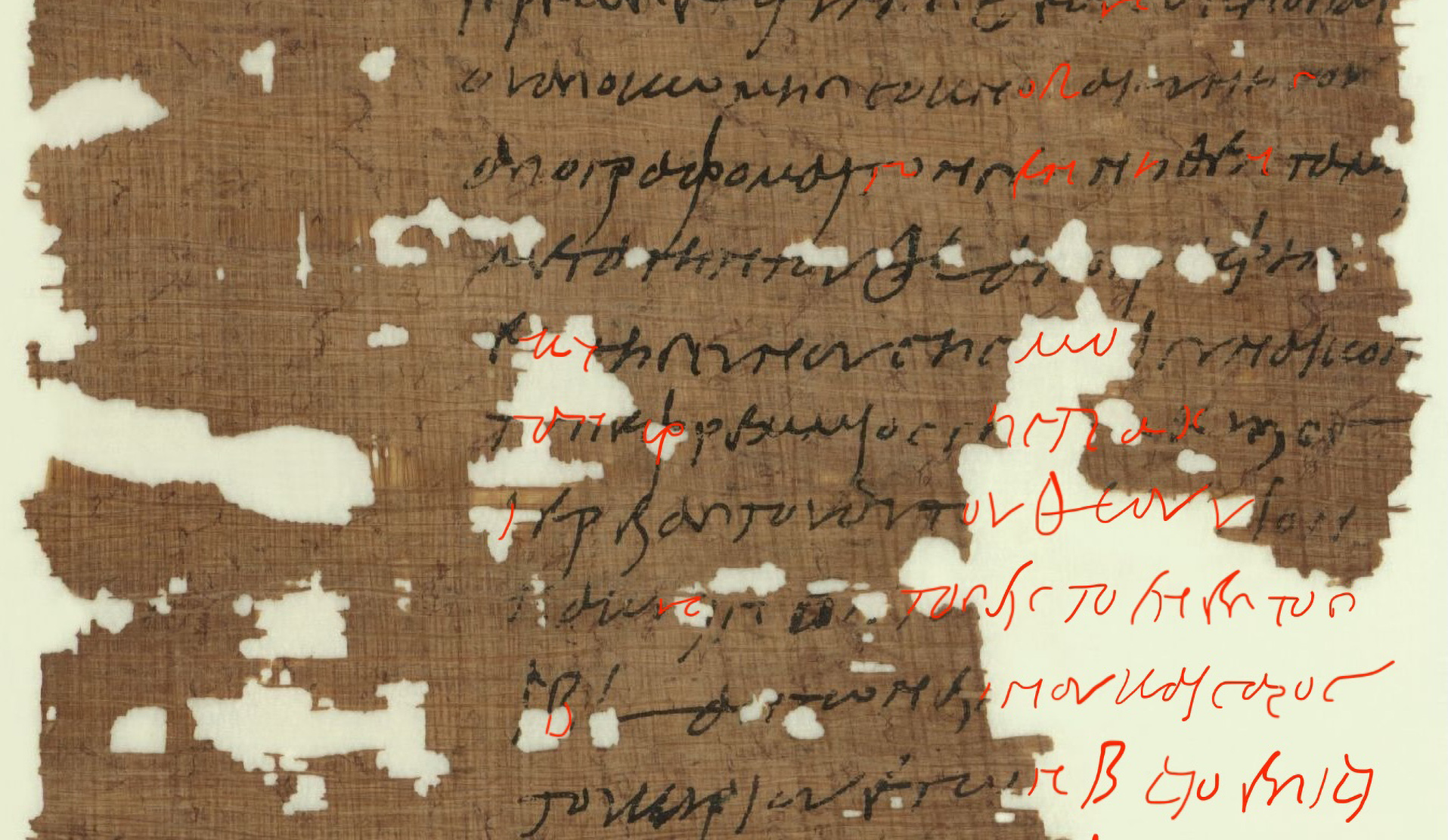
Museums and libraries around the world house hundreds of thousands of inscriptions and over a million papyrus fragments from antiquity. Most of the material is fragmentary and difficult to read. To this day, 92 percent of papyri remain undeciphered, a vast, untapped treasure-trove of history. Decipherment and reconstruction of ancient documents requires an enormous amount of time and highly specialized knowledge. This is precisely where “Apollo” comes in: the world’s first foundation Large Language Model (LLM) for Ancient Greek.
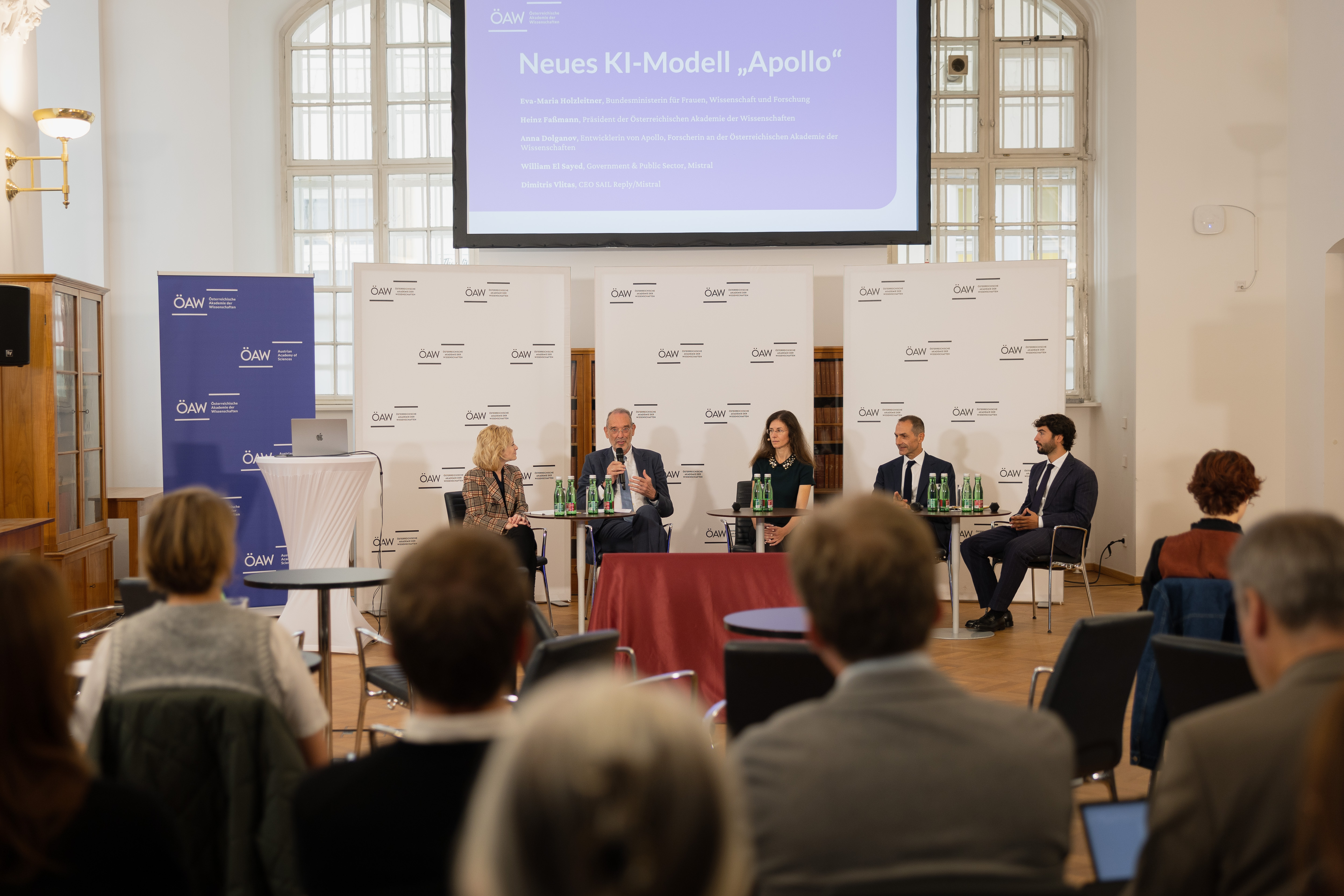
The LLM was developed through a unique collaboration between the Austrian Academy of Sciences (ÖAW) and European AI companies Mistral AI and SAIL Reply in cooperation with David Smith from Northeastern University. Now, the research partners present the first phase of the Apollo AI-System, which is immediately available to the scientific community and the general public.
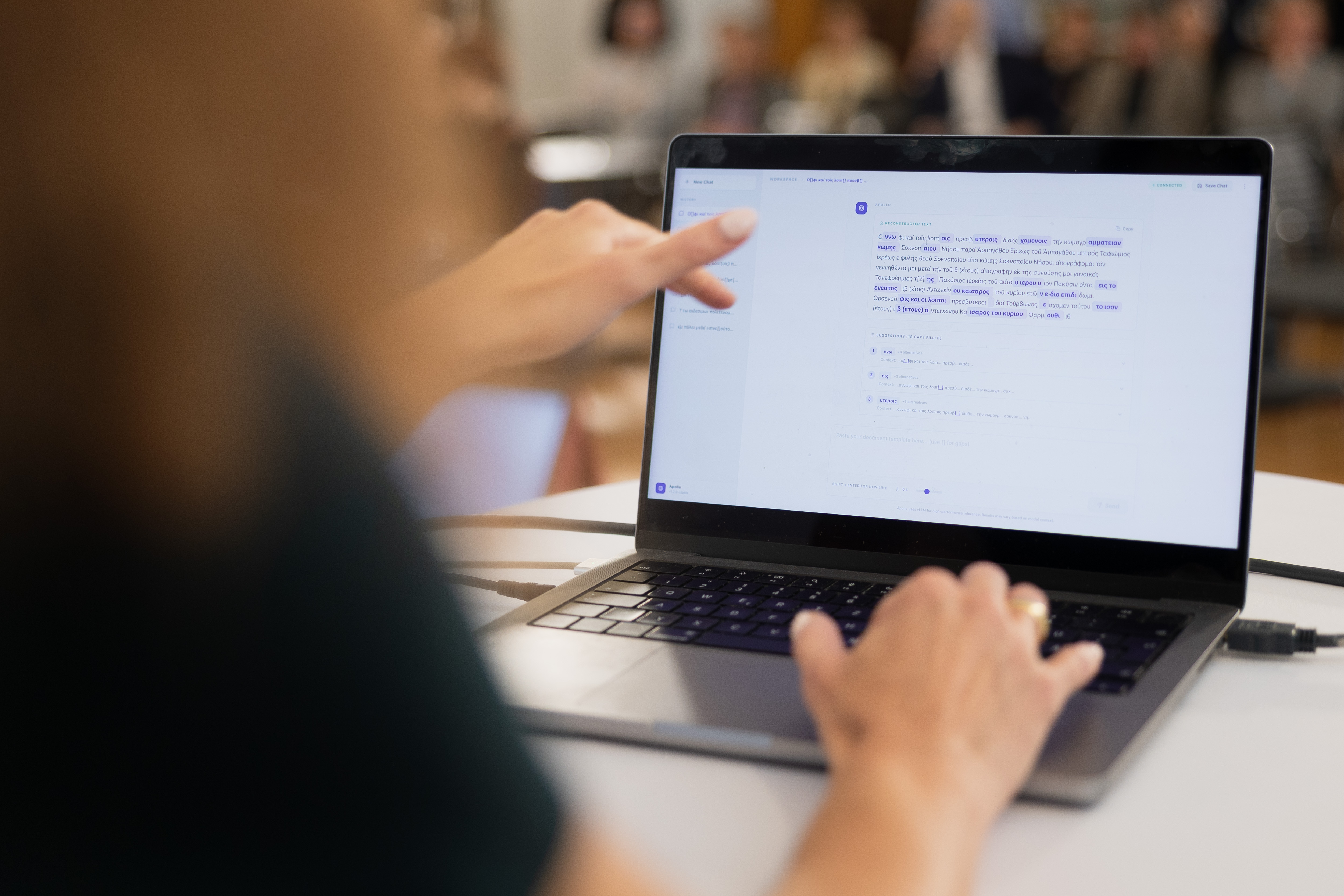
What makes Apollo special is that the language model can independently fill in missing content in text fragments. This is essential because most ancient texts have come down to us in an incomplete state. Individual words or even entire passages are missing, and these can be crucial for understanding and historically contextualizing a document. With Apollo, such gaps in the text can now be restored in a matter of seconds. The incomplete text is simply entered into the AI interface, which immediately generates suitable suggestions that researchers can review and verify.
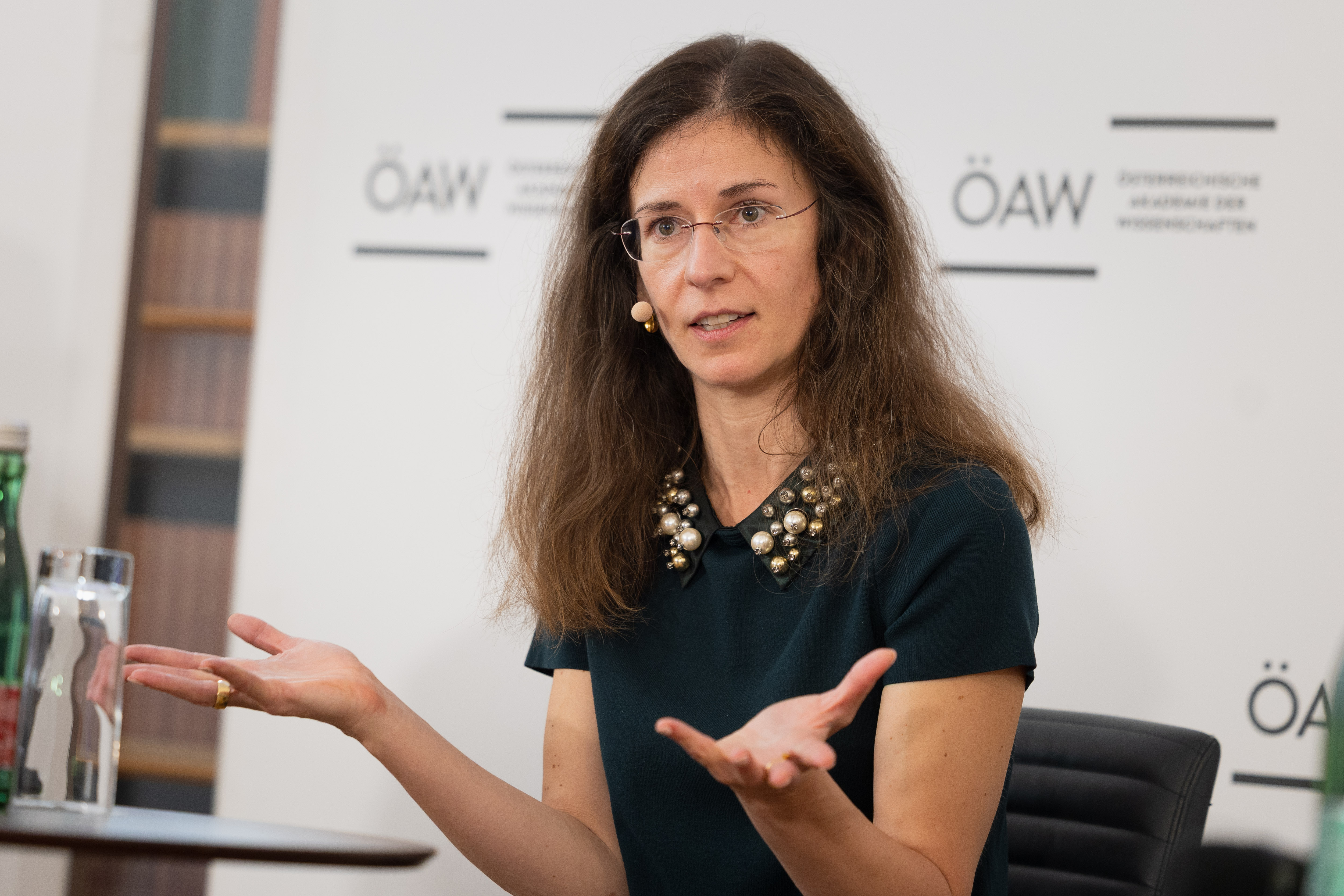
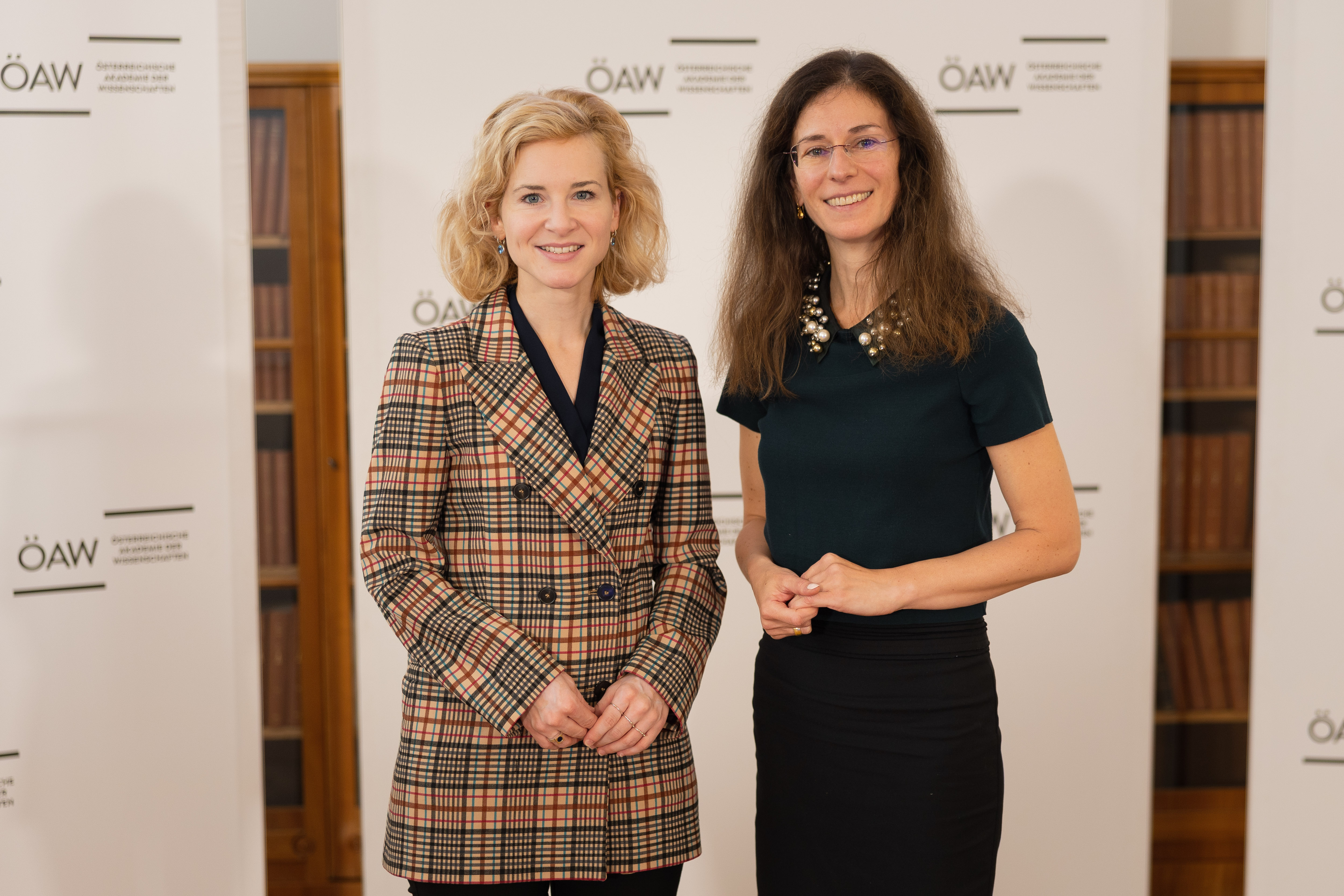
Although only 600 million words were available for training the AI in Ancient Greek—around 40 billion words is typically the standard for LLMs—Apollo is remarkably accurate. “When working with an existing original text on papyrus, the model achieves an accuracy of around 80 percent for masked—that is, deliberately hidden—passages,” explains Anna Dolganov, a researcher at the Austrian Archaeological Institute of the Austrian Academy of Sciences (ÖAW) and the mastermind behind the project. In cases of genuinely unknown gaps, international experts who evaluated the AI system in a blind study rated Apollo’s restorations at least as good as human-generated completions in 77 percent of cases, and in 16–20 percent of cases even better.
Anna Dolganov also emphasizes that it is particularly impressive how precisely Apollo can distinguish between different linguistic stages of Greek: “Our LLM can draw far-reaching conclusions from a comparatively small context window. Based on sentence structure and vocabulary, Apollo accurately determines whether a text comes from Homer’s Odyssey, for example, and restores gaps using the appropriate linguistic register.”
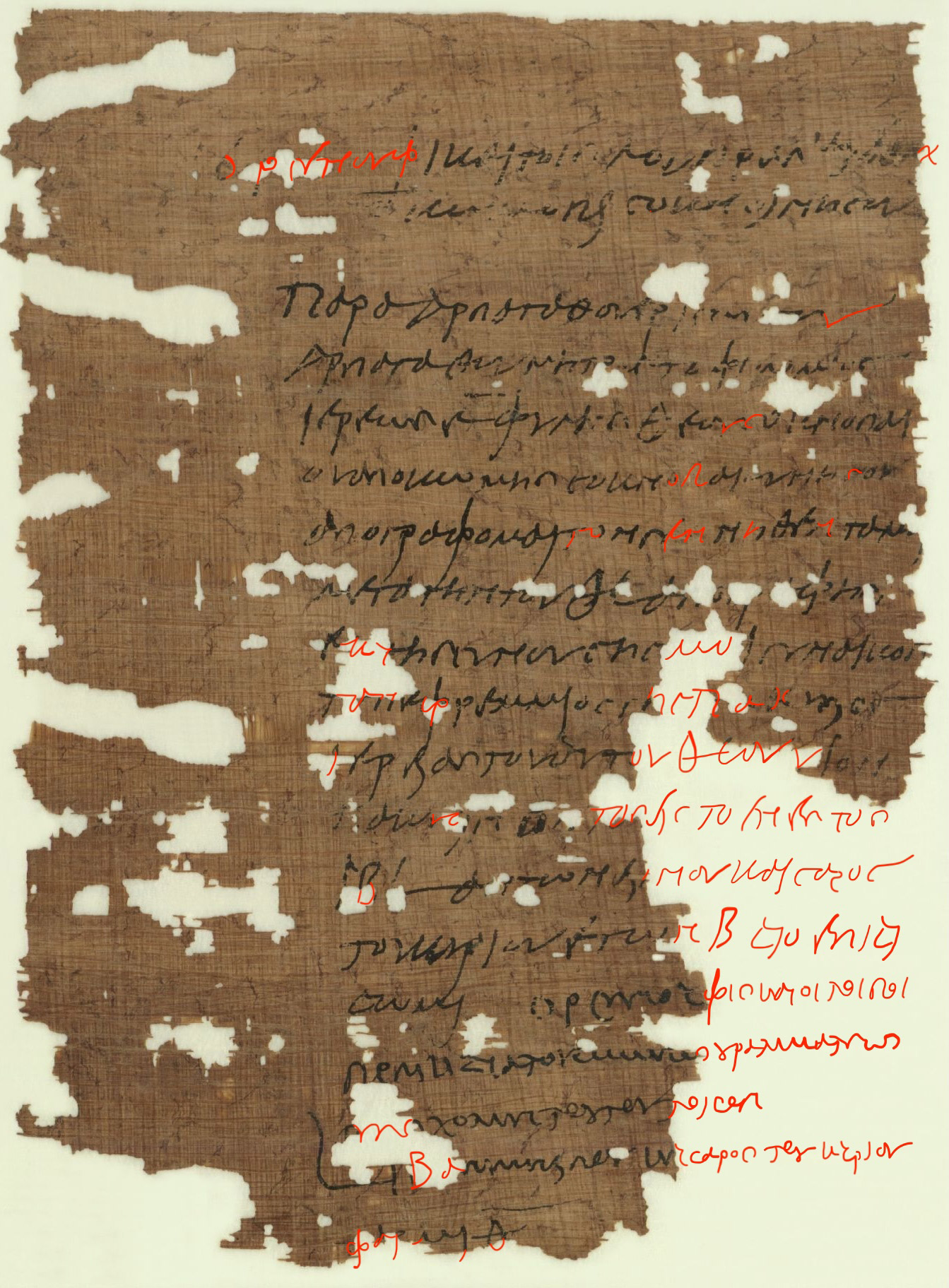
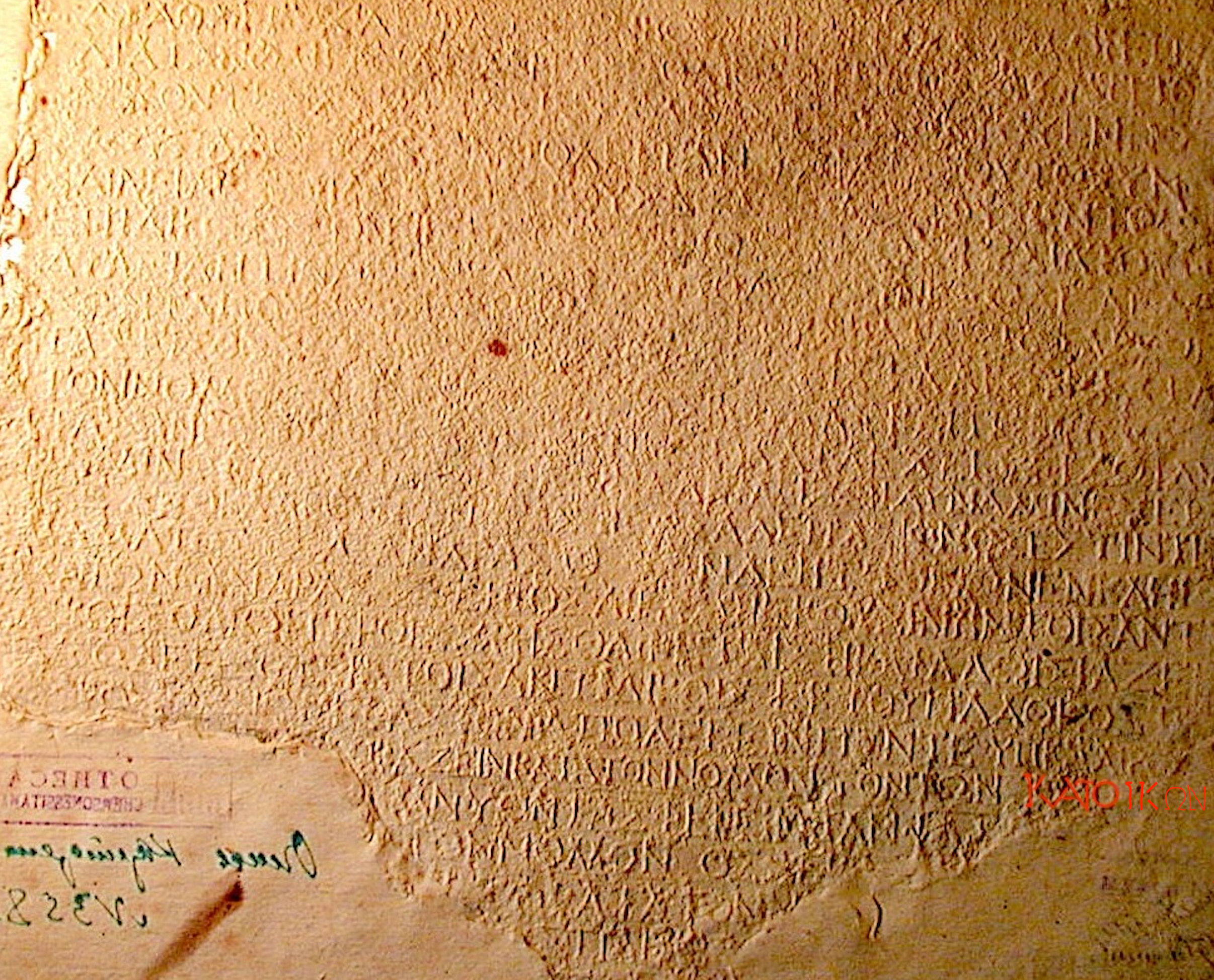
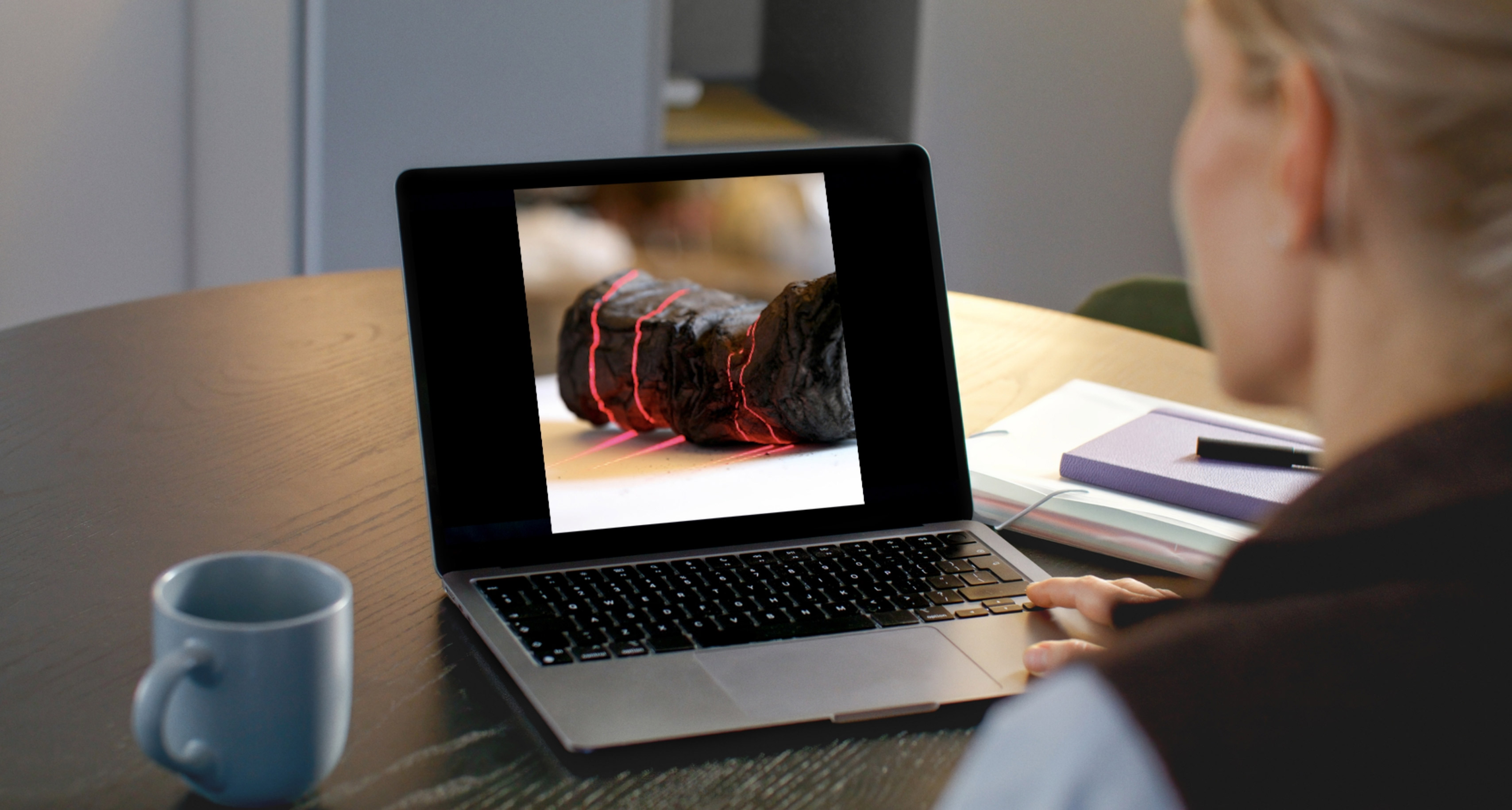
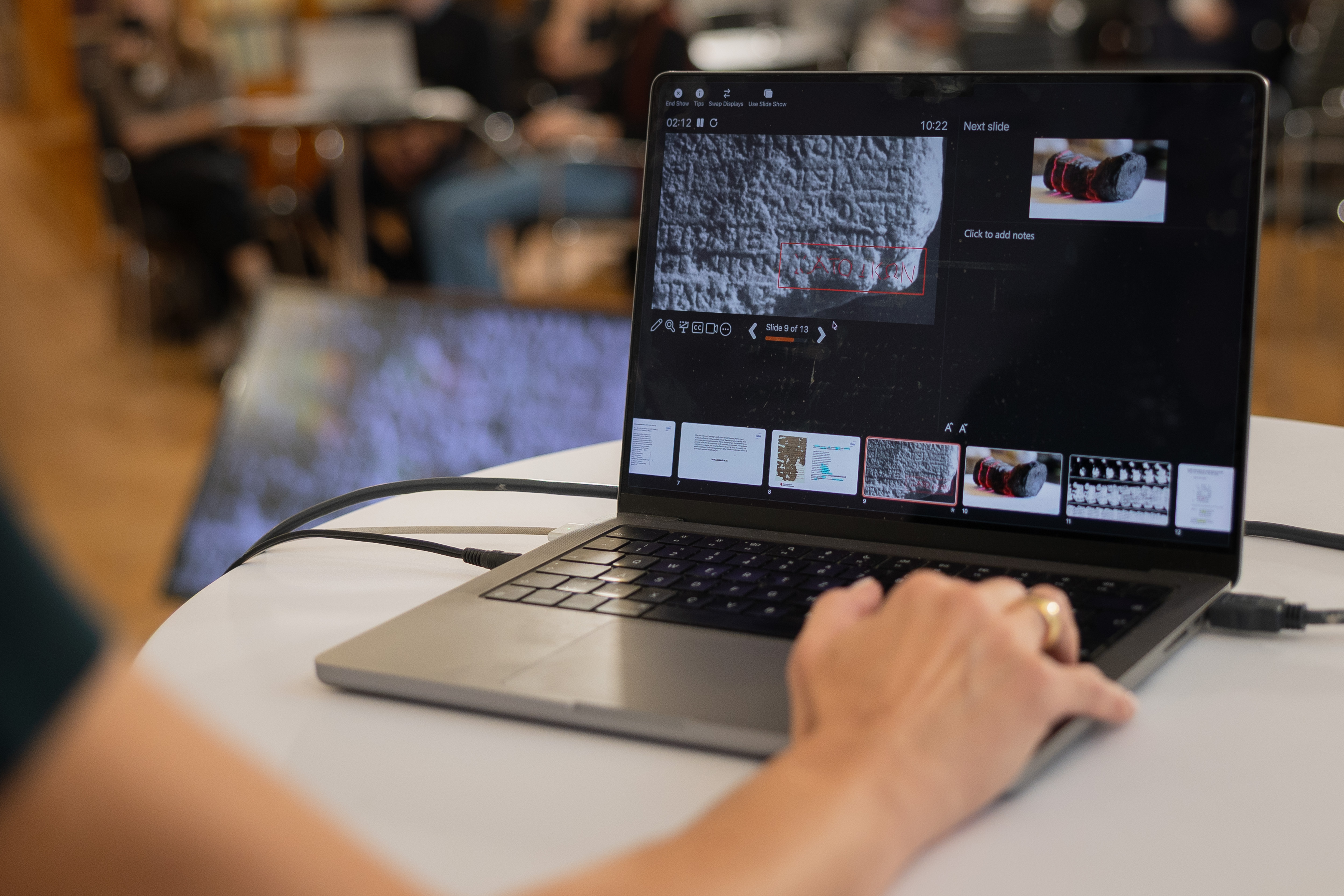
Anna Dolganov demonstrated just how well this works during Apollo’s first media presentation using three original examples from ancient history. A Greek birth certificate from the Roman period was fully reconstructed by Apollo, and key passages in a philosophical text carbonized during the eruption of Vesuvius were made fully legible. Furthermore, the reconstruction of a fragmentary inscription from the Black Sea provides evidence that Roman law was in effect in that region—an insight corroborated by a document regarding the Roman prostitution tax.
The Apollo system can thus provide entirely new insights into antiquity and contribute to a deeper understanding of ancient cultural heritage. “With the help of AI, a new picture of ancient social and economic history will emerge, since many insights only become apparent from the sheer volume of documents—such as tax receipts,” explains Dolganov. At the same time, individual, previously unpublished documents could contain completely surprising historical evidence.
For Dolganov, however, it is also clear what AI cannot do: replace human experts. “Apollo does not just speed up the work; it is a real source of inspiration. The model suggests supplements to texts that one might otherwise never have thought of, or only after a long search.” This allows researchers to explore new questions.
The first iteration of the model now presented is soon to be followed by further stages. “The goal is ambitious, but achievable,” as Dolganov emphasizes. Work is underway to enable the AI system to both decipher and reconstruct previously unread papyri. An extension is also in progress that will enable the model to perform thematic and semantic search across the entire Greek textual tradition, and to retrieve parallel passages providing the contextual evidence for suggested restorations.
Dolganov, the Austrian Academy of Sciences (ÖAW), and Mistral do not intend to stop at Ancient Greek. Building on the valuable experience gained with Greek, the AI will also be trained on Latin sources. Approximately twelve billion words will be available for this purpose. What this project still lacks is a suitable name. But perhaps Apollo can fill the gap for his Latin brother and make a suggestion.
Apollo is the ancient patron god of the arts and sciences. In partnership with European AI developers Mistral and SAIL Reply, the Austrian Academy of Sciences (ÖAW) has funded the AI system with approximately 400,000 EUR. Apollo is owned by the ÖAW and is freely accessible as an open-access application.
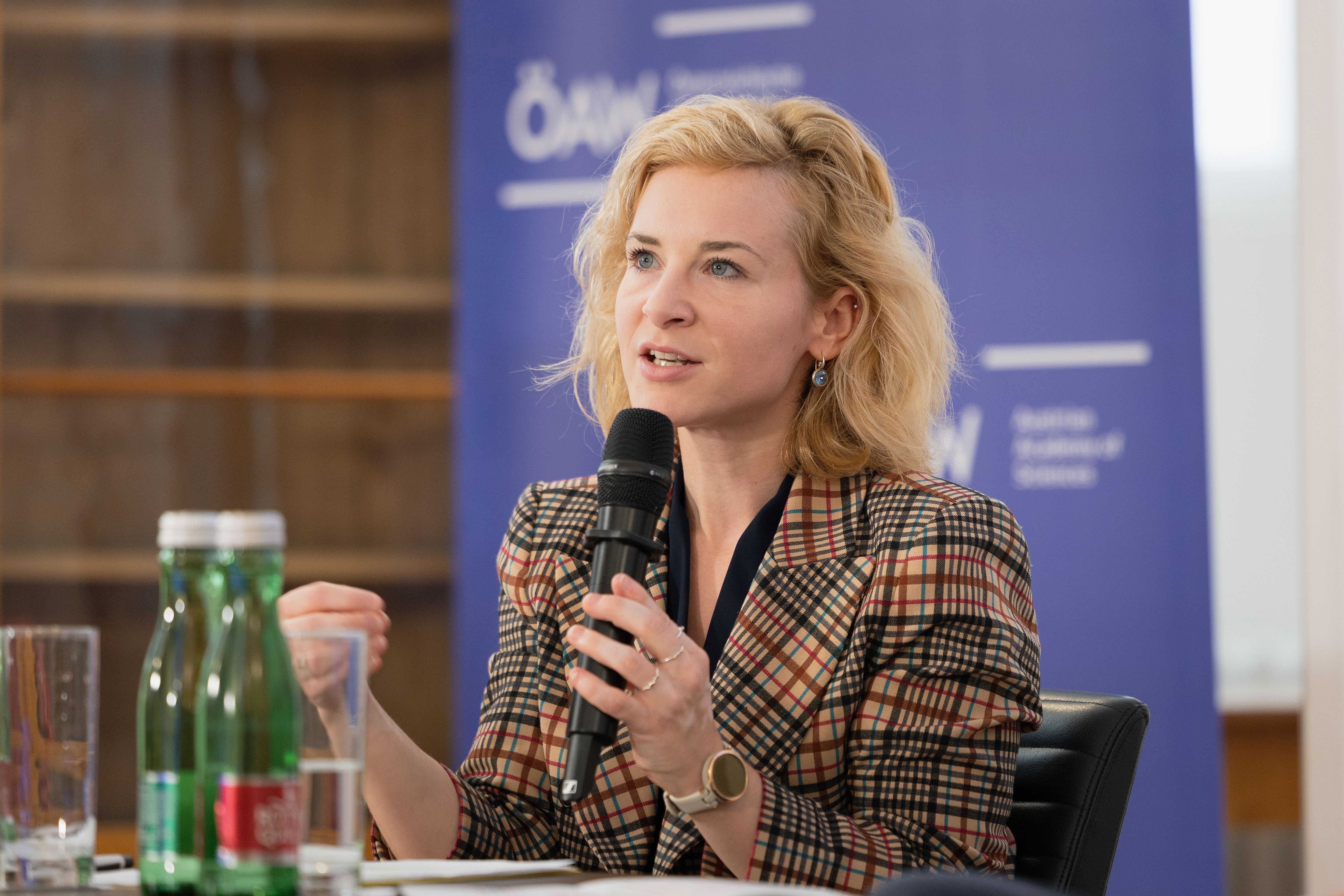
Eva-Maria Holzleitner, Federal Minister for Women, Science and Research:
“AI alone does not make for good science. What matters is what we do with it: applying expert knowledge, clear scientific standards and rigorous quality assurance. This project demonstrates this impressively and highlights the potential that emerges when European AI expertise meets scientific excellence. I warmly congratulate everyone involved and look forward to seeing what further insights will emerge from this work.”
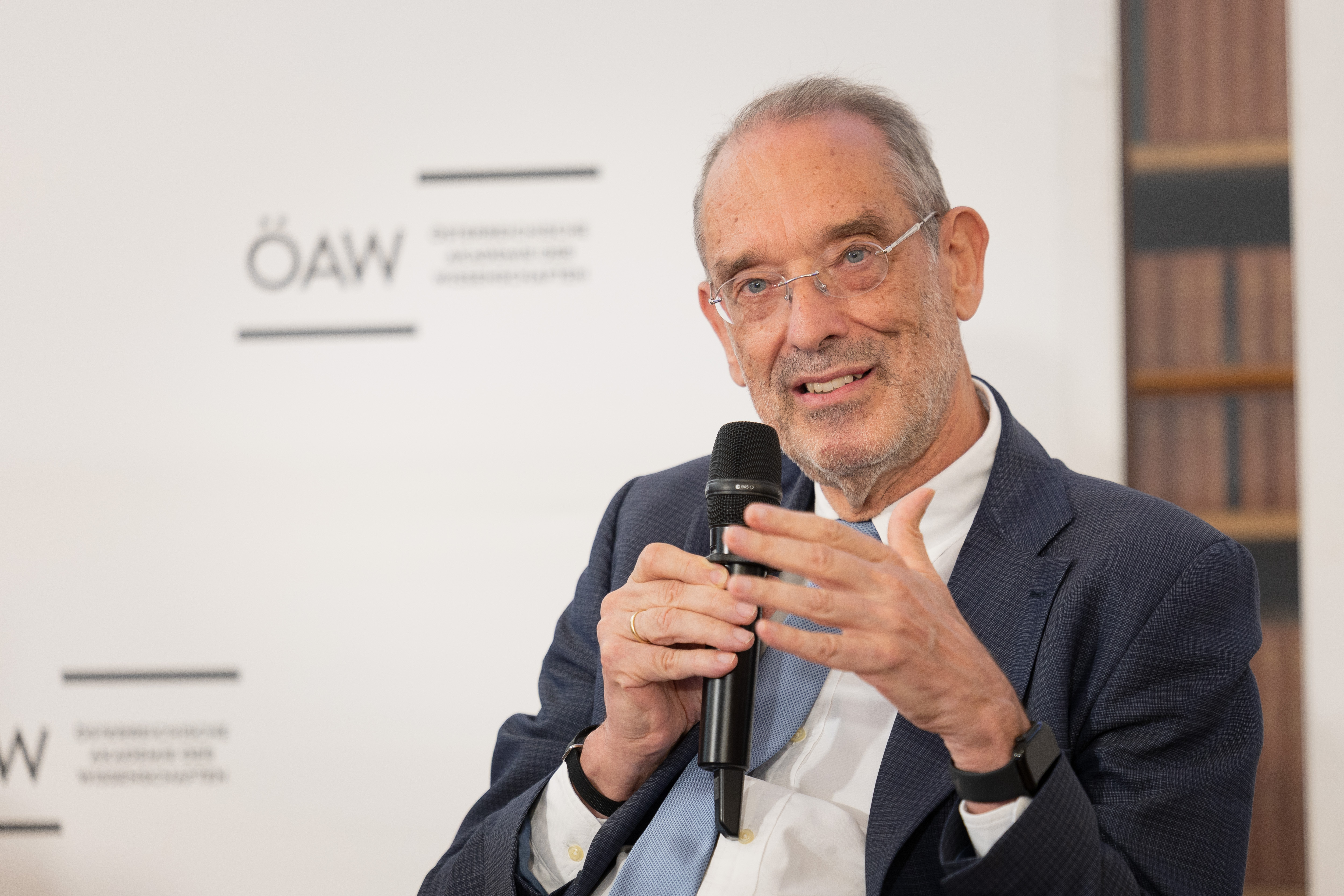
Heinz Faßmann, President of the Austrian Academy of Sciences (ÖAW):
“Apollo is taking the study of historical manuscripts and documents into a new era. The use of this new language model will open up entirely new research questions and expand our historical knowledge. We are proud that the ÖAW has developed this groundbreaking technology together with the European AI company Mistral. Looking ahead, we aim to deepen our collaboration with Mistral.”
Guillaume Lample, Co-Founder and Chief Scientist at Mistral:
“Apollo shows what European collaboration can achieve when customizable AI meets centuries of scholarly expertise. By helping restore texts that have been fragmentary for two thousand years, Mistral's technology is opening a window into our shared cultural heritage — and this is only the beginning. We're proud to partner with the Austrian Academy of Sciences on a model that is open, freely accessible, and built to serve research.”
Publication:
Apollo Restore: A Foundation LLM for Historical Greek Optimized for Fill-in-the-Middle Restoration of Ancient Greek Texts, Hope McGovern, Anna Dolganov, Samuel Belkadi, Guillaume Kunsch, Dimitris Vlitas, David A. Smith, ArXiv 2026
DOI: https://doi.org/10.48550/arXiv.2609.22455
Press contacts:
Sven Hartwig
Head of Public Relations & Communications
Austrian Academy of Sciences
T: +43 1 51581-1331
E: sven.hartwig(at)oeaw.ac.at
Debora Knob
Press Spokesperson to the President
Austrian Academy of Sciences
T: +43 1 51581-1209
E: debora.knob(at)oeaw.ac.at
Scientific contact:
Anna Dolganov
Austrian Archaeological Institute
Austrian Academy of Sciences
T: +43 676 4188061
E: anna.dolganov(at)oeaw.ac.at