


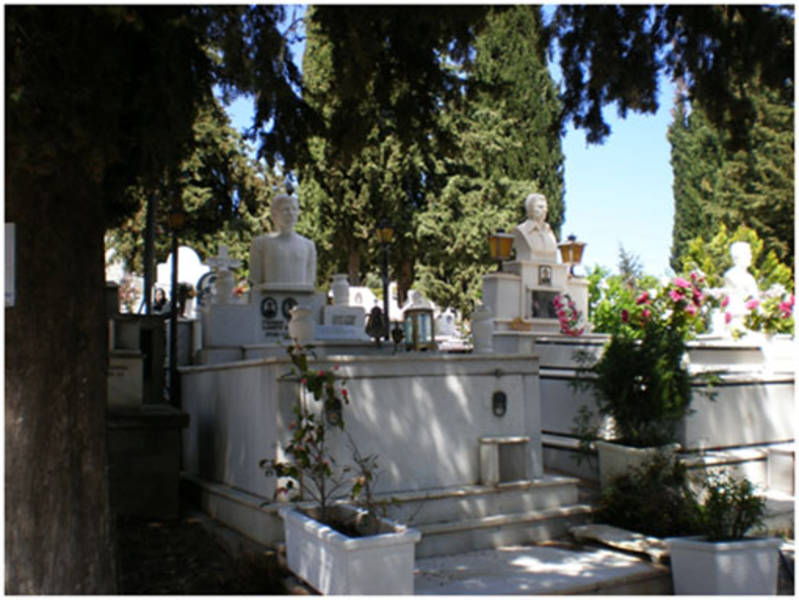
This lecture will offer a general overview of some of the most useful aspects of the 'Archaeology of Death' for gaining insights into past societies from prehistory to the current age. Topics include formal versus informal burial, genetic and palaeopathological research, cemetery location and plans, status, gender, community and dress.
The study of death and burial may seem a macabre hobby, suitable for archaeologists who like to turn over the rubbish dumps of dead people, but in fact the burial context is an ideal way to approach many otherwise hidden aspects of the living. The passing away of a community and family member is an opportunity to represent their roles and status, while the location of cemeteries expresses concepts of social space and points of access to the supernatural world. The body itself, where preserved, contains evidence amenable to modern archaeological science for determining the lifestyle, origin and even ethnicity of the deceased. Finally the often sealed context of the grave provides a closed time-capsule embodying concepts from a particular time and place, which can fruitfully be brought into comparison with earlier and later expressions of society to recognized trends and patterns in the organisation of past human communities.
Postgasse 7/1/10, 1010 Wien – Seminarraum