


Neolithisation, after pausing briefly before reaching southern Carpathian basin at 8.2 ka BP, continued around 6000 BC spreading rapidly along major rivers such as Danube, Tisza, Drava and Sava. The population, regionally known as Starčevo culture, brought with it cultivation of plants and domesticated animals as well as a full pottery production but still including game into their diet and possibly into some other activities. Ritual also played an important part in their lives leaving us with some interesting deposits. Some examples will be shown from Zadubravlje-Dužine and Slavonski brod-Galovo sites containing cultural layers indicative of long-term occupation.
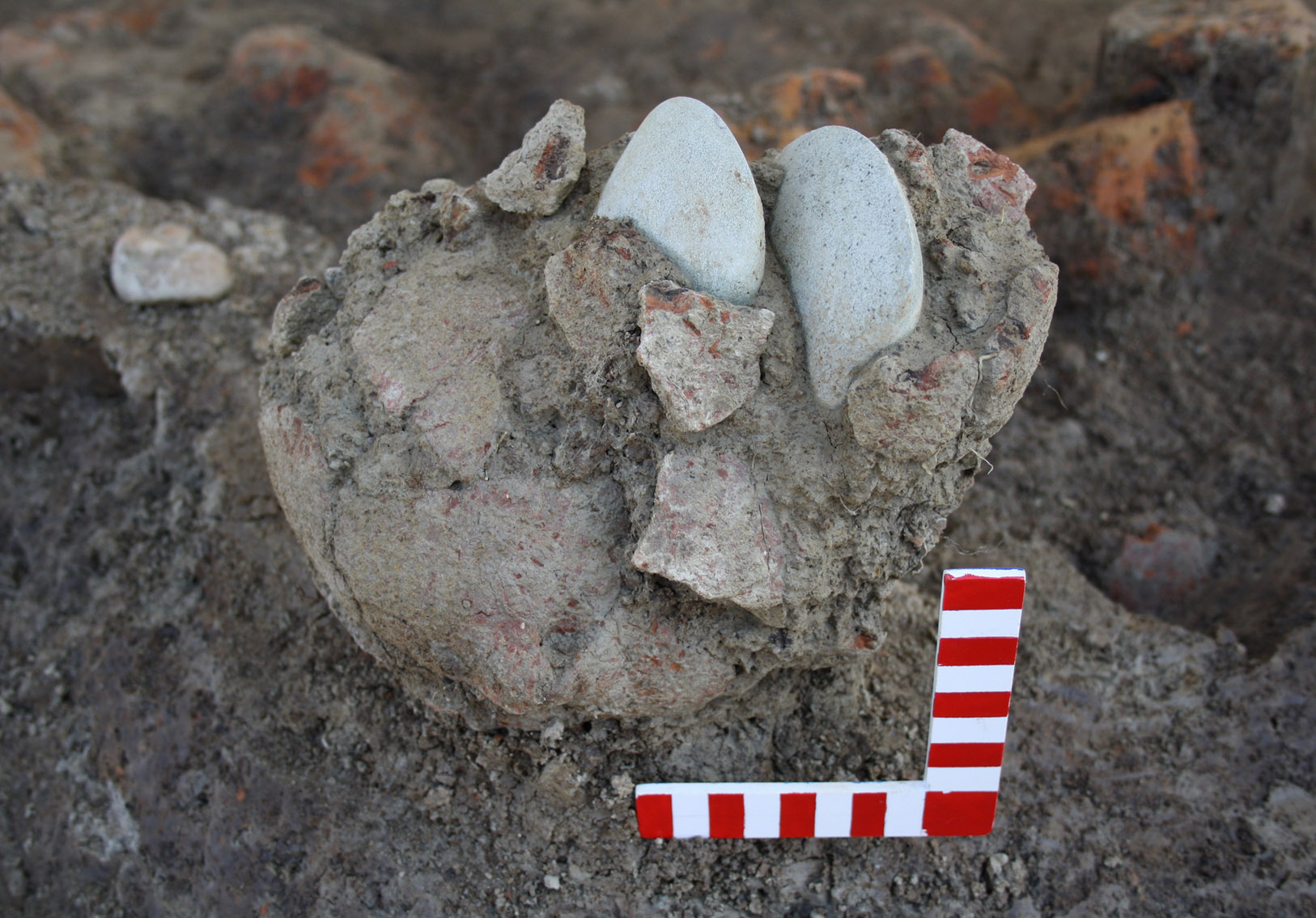
This lecture will provide an insight into the process of Neolithisation in the Sava-Drava-Danube region including some new unpublished results from Našice-Velimirovac/Arenda 1 site excavated in 2011 where pits of various functions were uncovered. At the top layer of one of the large working pits, containing several kilns and traces of flint production, a vessel containing five polished tools was found possibly indicating the final ritual deposit of the pit. This pit was radiocarbon dated around 5700 BC. It will also bring new perspectives regarding the late Starčevo sites in Drava region by reconsidering settlement structures from 2004 excavation of Virovitica-Brekinja site together with the first LBK site at Donji Miholjac-Vrancari excavated in 2015 by the Zagreb Institute of archaeology and their implications in the wider context of Carpathian basin.
OREA Seminarraum, Hollandstraße 11–13, 1020 Wien