


History of Austrian/Austro-Hungarian Archaeology in the Balkans and the Eastern Mediterranean
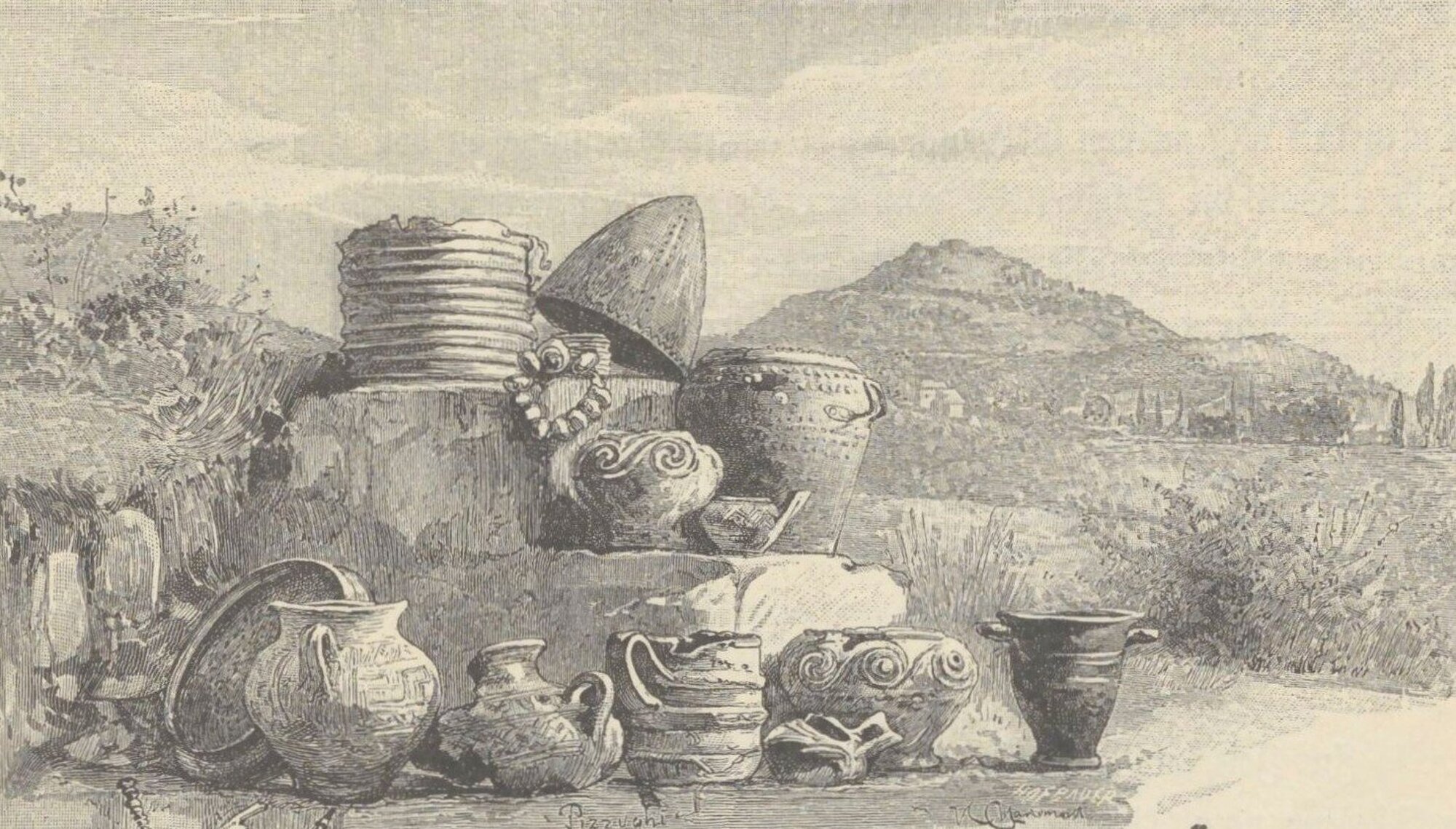
In the second half of the 19th century, Austrian/Austro-Hungarian archaeology, conducted by researchers from whatever part of the empire, was formalized in new institutions such as the Central Commission for Monuments (1850), the Academy of Sciences’ Prehistoric Commission (1878), and the Austrian Archaeological Institute (1898). Archaeological and related activities also increased in the Austrian Balkans (Carniola, Istria, Dalmatia) and began in newly occupied Bosnia-Herzegovina. From the 1870s onwards, they were extended to Greece, Asia Minor, the Levant, and Egypt.
The symposium discusses these archaeologies within and beyond the Habsburg Empire/Austria in their colonial and imperial contexts, including the aftermath of the empire’s dissolution in 1918. Like other European powers, Austria(-Hungary) used archaeology to exercise power in respective territories, gain international prestige, and fill the museums in Vienna. In the Austrian Balkans, archaeology and historic artefacts were also meant to strengthen inhabitants’ loyalty to the rulers. On the other hand, certain local archaeologies within the empire served nationalist goals. Another focus is on the relations between archaeologists from different parts of the empire and beyond.
Organizers:
Maximilian Georg (Austrian Academy of Sciences, Institute of Culture Studies)
Felix Höflmayer (Austrian Academy of Sciences, Austrian Archaeological Institute)
Agnes Woitzuck (Austrian Academy of Sciences, Austrian Archaeological Institute)
Information
Date
21–22 September 2026
Location
Austrian Academy of Sciences, Theatersaal, Sonnenfelsgasse 19, 1010 Vienna
Contact
Maximilian Georg
Felix Höflmayer