


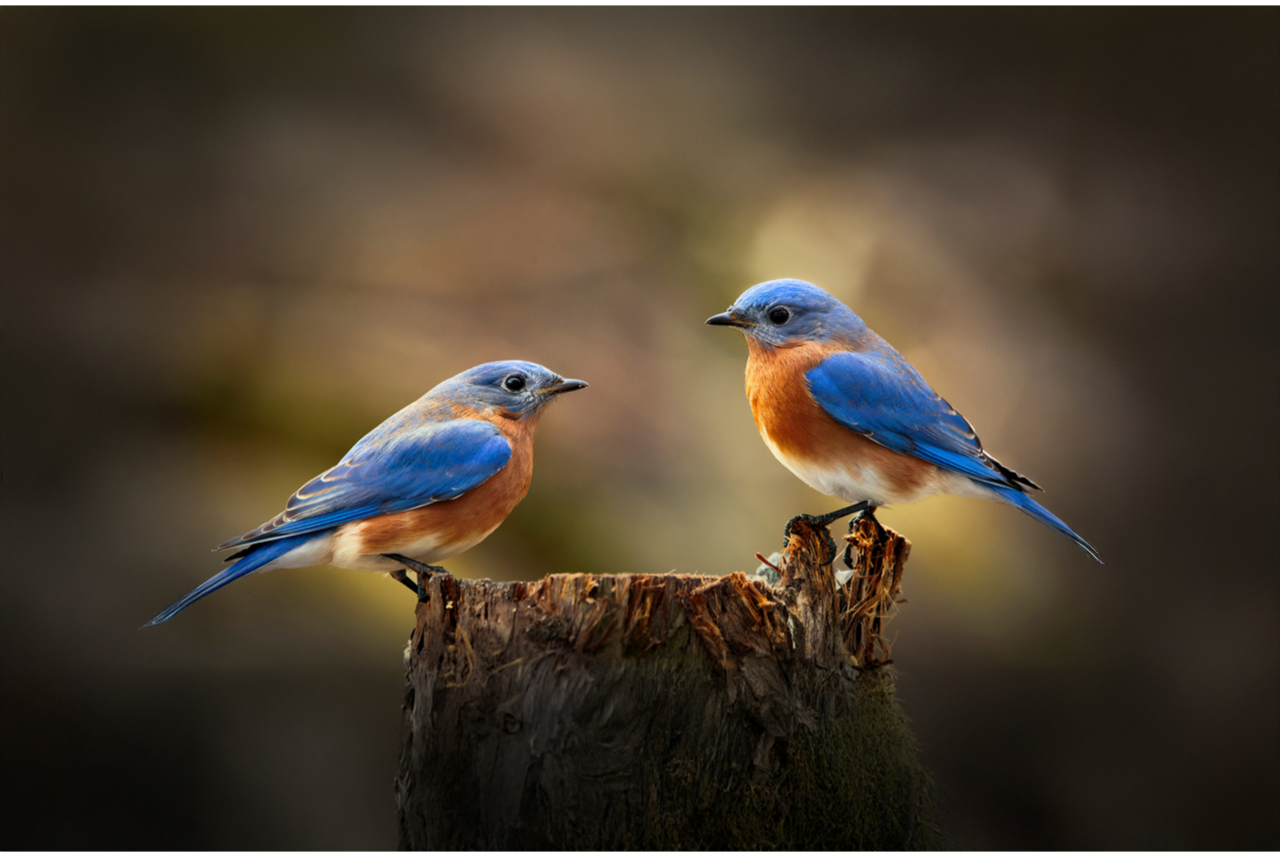
While some birds are bold and inquisitive, others keep their distance. An international collaboration involving 129 researchers from 77 institutions in 24 countries, including the Austrian Academy of Sciences (OeAW), has, for the first time, systematically examined why animals differ in their susceptibility to new situations. The findings show that neophobia not only shapes individual behavior but is also deeply embedded in evolutionary history.
The study drew on the ManyBirds Project, a globally coordinated “big team science” network, and examined 1,439 birds from 136 species across six continents—from laboratory settings to field sites and zoos. Researchers measured how long birds hesitated to touch familiar food when a novel object was placed nearby, compared with a control condition without the object. The results were recently published in the journal PLOS Biology.
Read the full article in German here
Publication
“A large-scale study across the avian clade identifies ecological drivers of neophobia.” ManyBirds Project, Rachael Miller, (…), Marisa Hoeschele et al., PLOS Biology
DOI: doi.org/10.1371/journal.pbio.3003394