


The Rajajil Cultures of Northern Arabia. Pastoral Mobility and Proto-Oasis Sedentism between 4600 and 3800 BCE
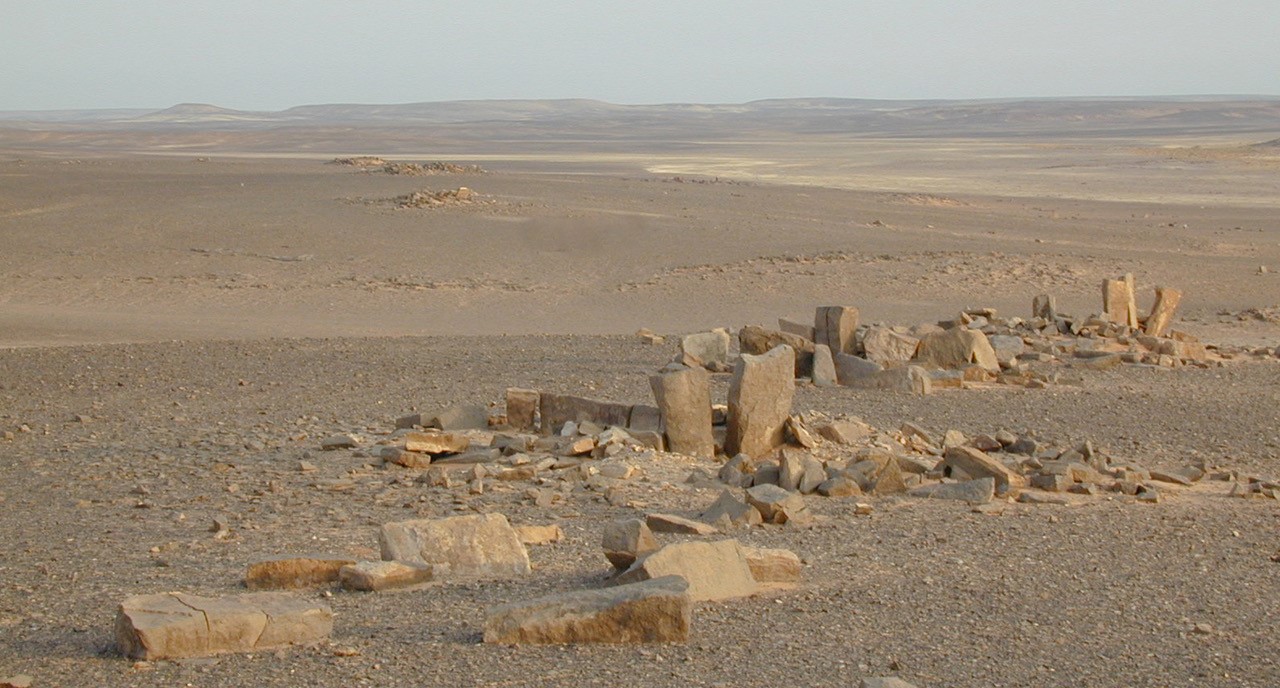
The recently identified Rajajil Cultures of Northern Arabia and Jordan’s southern Badia attest to long-distance mobile pastoral cultures in the 5th millennium BCE, which left behind megalithic sites at hydrologically favourable locations. These hubs, up to 2 square kilometres in size, were used for the burial of ancestors, ritual and social exchange, resting and watering the flocks. A deterioration in the climate in the 2nd half of the 5th millennium BCE led to a reduction of the grazing land and depopulation of the mobile pastoral societies, some of which settled in hydrologically favourable locations and practised irrigated horticulture as a reaction to the decline of resources. These proto-oases of the early 4th millennium BCE were part of the developments towards the shaded oasis socioeconomy on the Arabian Peninsula, which made the increasingly arid areas of Arabia sustainably and permanently habitable. The social structures and main elements of the sepulchral systems of the mobile pastoral cultures were largely adopted by the oasis cultures that remained in exchange.
Information
Lecture Series
World Archaeology Seminar
Date
May 7, 2025, 5:30 pm CET
Location
- Otto Wagner Postsparkasse, Georg-Coch-Platz 2, 1010 Wien, Seminar Room 7 & 8, 5th floor
- Zoom
Meeting-ID: 642 9456 9283, Kenncode: 5PKUBr
Organiser
OeAW-OeAI
Contact