

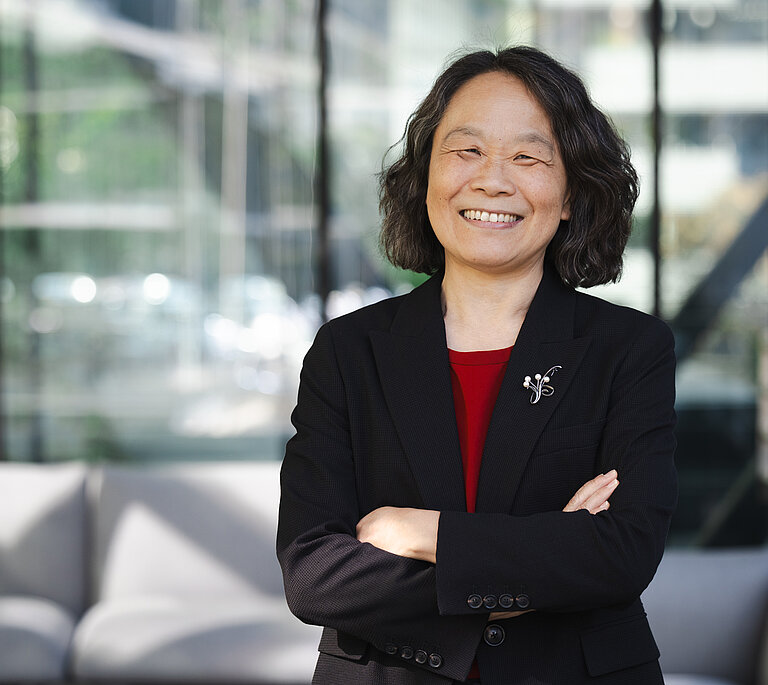
Elly Tanaka

Scientific Director

Elly Tanaka studies the regeneration of complex body structures. In particular, Tanaka focuses on the molecular and cellular basis of limb and nervous system regeneration. Her model organism, the axolotl Ambystoma mexicanum, displays remarkable regenerative capabilities.

Elly Tanaka studied biochemistry at Harvard University, followed by a PhD from the University of California in San Francisco. She first worked on limb regeneration as a postdoctoral researcher with Jeremy Brockes at University College London. Tanaka started her own lab at the Max Planck Institute of Molecular Cell Biology and Genetics in Dresden in 1999. In 2008, she became a professor at the Center for Regenerative Therapies Dresden (CRTD), of which she later became director. Since 2016, Tanaka has been Senior Group Leader at the Research Institute of Molecular Pathology (IMP), also at the Vienna BioCenter.

Tanaka is a full member of the Austrian Academy of Sciences and was inducted into the prestigious US National Academy of Sciences in 2023. She received the Schrödinger Prize of the Austrian Academy of Sciences and the German Ernst Schering Prize, among others. In 2023, the ERC awarded an Advanced Grant to Elly Tanaka for studying the innervation of regenerating limbs.

Elly Tanaka

Scientific Director

Elly Tanaka studies the regeneration of complex body structures. In particular, Tanaka focuses on the molecular and cellular basis of limb and nervous system regeneration. Her model organism, the axolotl Ambystoma mexicanum, displays remarkable regenerative capabilities.

Elly Tanaka studied biochemistry at Harvard University, followed by a PhD from the University of California in San Francisco. She first worked on limb regeneration as a postdoctoral researcher with Jeremy Brockes at University College London. Tanaka started her own lab at the Max Planck Institute of Molecular Cell Biology and Genetics in Dresden in 1999. In 2008, she became a professor at the Center for Regenerative Therapies Dresden (CRTD), of which she later became director. Since 2016, Tanaka has been Senior Group Leader at the Research Institute of Molecular Pathology (IMP), also at the Vienna BioCenter.

Tanaka is a full member of the Austrian Academy of Sciences and was inducted into the prestigious US National Academy of Sciences in 2023. She received the Schrödinger Prize of the Austrian Academy of Sciences and the German Ernst Schering Prize, among others. In 2023, the ERC awarded an Advanced Grant to Elly Tanaka for studying the innervation of regenerating limbs.

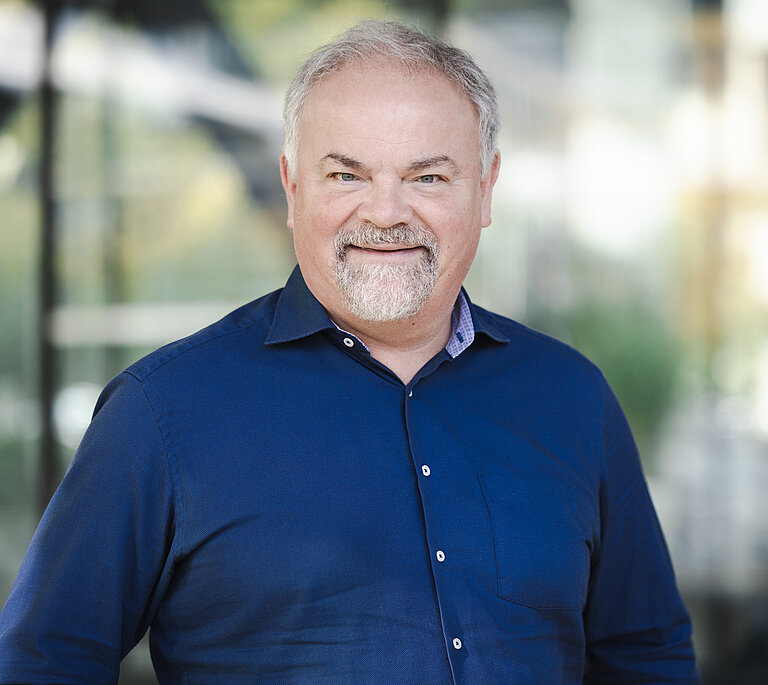
Jürgen Knoblich

Deputy Scientific Director

Jürgen Knoblich is a developmental neurobiologist who focuses on the development of the human brain. His group has developed cerebral organoids, three-dimensional tissue cultures resembling the fetal human brain, and uses this in vitro system to study neurodevelopmental disorders like epilepsy and autism.

Jürgen Knoblich obtained his PhD at the Max Planck Institute in Tübingen. He worked for three years at the University of California in San Francisco before he became a group leader at the IMP in 1997. In 2004, he joined IMBA as a senior scientist and became deputy director in 2005. Jürgen Knoblich has received several awards such as the Wittgenstein Prize, the Schroedinger Award, and the FEBS Anniversary Award, as well as two ERC Advanced Research Grants. He is a member of the European Molecular Biology Organisation (EMBO), the Pontifical Academy of Sciences, the Academia Europaea and the Austrian Academy of Sciences. He acts on the Scientific Review Board of the Howard Hughes Medical Institute, the Board of Directors of the International Society for Stem Cell Research and the editorial boards of Current Opinion in Cell Biology and the Journal of Cell Biology.

Jürgen Knoblich

Deputy Scientific Director

Jürgen Knoblich is a developmental neurobiologist who focuses on the development of the human brain. His group has developed cerebral organoids, three-dimensional tissue cultures resembling the fetal human brain, and uses this in vitro system to study neurodevelopmental disorders like epilepsy and autism.

Jürgen Knoblich obtained his PhD at the Max Planck Institute in Tübingen. He worked for three years at the University of California in San Francisco before he became a group leader at the IMP in 1997. In 2004, he joined IMBA as a senior scientist and became deputy director in 2005. Jürgen Knoblich has received several awards such as the Wittgenstein Prize, the Schroedinger Award, and the FEBS Anniversary Award, as well as two ERC Advanced Research Grants. He is a member of the European Molecular Biology Organisation (EMBO), the Pontifical Academy of Sciences, the Academia Europaea and the Austrian Academy of Sciences. He acts on the Scientific Review Board of the Howard Hughes Medical Institute, the Board of Directors of the International Society for Stem Cell Research and the editorial boards of Current Opinion in Cell Biology and the Journal of Cell Biology.

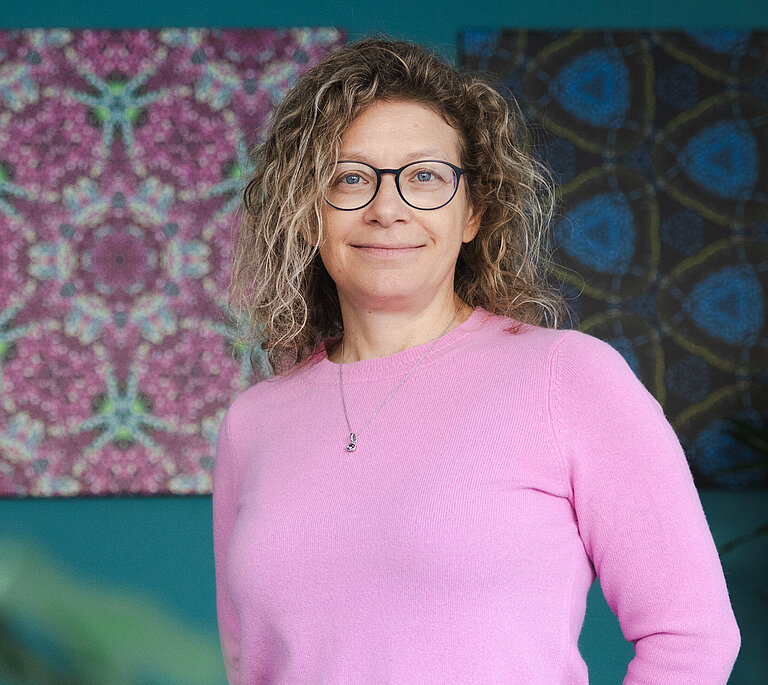
Barbara Kraus

Business Director

In 2024, Barbara Kraus, PhD, MBA, joined IMBA from Takeda Pharmaceuticals in Vienna, where she was the Head of Gene Therapy Process Development and a Senior Director in the Pharmaceutical Sciences Division. Her background spans diverse fields, including vaccine development, biologics, and gene therapy.  

Barbara Kraus

Business Director

In 2024, Barbara Kraus, PhD, MBA, joined IMBA from Takeda Pharmaceuticals in Vienna, where she was the Head of Gene Therapy Process Development and a Senior Director in the Pharmaceutical Sciences Division. Her background spans diverse fields, including vaccine development, biologics, and gene therapy.  

Josef Penninger

Founding Director 2002 - 2018

Josef Penninger, MD was formerly a lead researcher at the Amgen Research Institute in Toronto. In 2002 he accepted the appointment as founding director of the newly established Institute of Molecular Biotechnology (IMBA) of the Austrian Academy of Sciences in Vienna, Austria. Major achievements include pioneering insights into the molecular basis of osteoporosis and breast cancer, as well as the study of metastatic spread. His group has also developed the first haploid embryonic stem cells for functional genetics.  Josef Penninger’s major awards include the Descartes Prize, the Wittgenstein Prize of the Austrian Federal Government, the Ernst Jung Prize for medical excellence, an AAAS Award the Innovator Award from Era of Hope/DOD and a second ERC Advanced grant.

Josef Penninger

Founding Director 2002 - 2018

Josef Penninger, MD was formerly a lead researcher at the Amgen Research Institute in Toronto. In 2002 he accepted the appointment as founding director of the newly established Institute of Molecular Biotechnology (IMBA) of the Austrian Academy of Sciences in Vienna, Austria. Major achievements include pioneering insights into the molecular basis of osteoporosis and breast cancer, as well as the study of metastatic spread. His group has also developed the first haploid embryonic stem cells for functional genetics.  Josef Penninger’s major awards include the Descartes Prize, the Wittgenstein Prize of the Austrian Federal Government, the Ernst Jung Prize for medical excellence, an AAAS Award the Innovator Award from Era of Hope/DOD and a second ERC Advanced grant.

Representatives of the Austrian Academy of Sciences

Heinz Faßmann

President of the Austrian Academy of Sciences

Ulrike Diebold

Vice President of the Austrian Academy of Sciences

Steering Committee

IMBA and IMP operate as a joint initiative of the Austrian Academy of Science and Boehringer Ingelheim. For managing general and strategic issues of the cooperation a steering committee was established consisting of high-level representatives from every organisation involved.

IMBA - Institute of Molecular Biotechnology, Vienna, Austria

  • Barbara Kraus
  • Elly Tanaka

Austrian Academy of Sciences (ÖAW), Vienna, Austria

  • Heinz Faßmann

Boehringer Ingelheim

  • Michel Pairet, Boehringer Ingelheim GmbH, Ingelheim, Germany
  • Phillipp von Lattorff , Boehringer Ingelheim Regional Centers Vienna, Austria

IMP - Research Institute of Molecular Pathology, Vienna, Austria

  • Harald Isemann
  • Jan Michael Peters
  • Meinrad Busslinger