


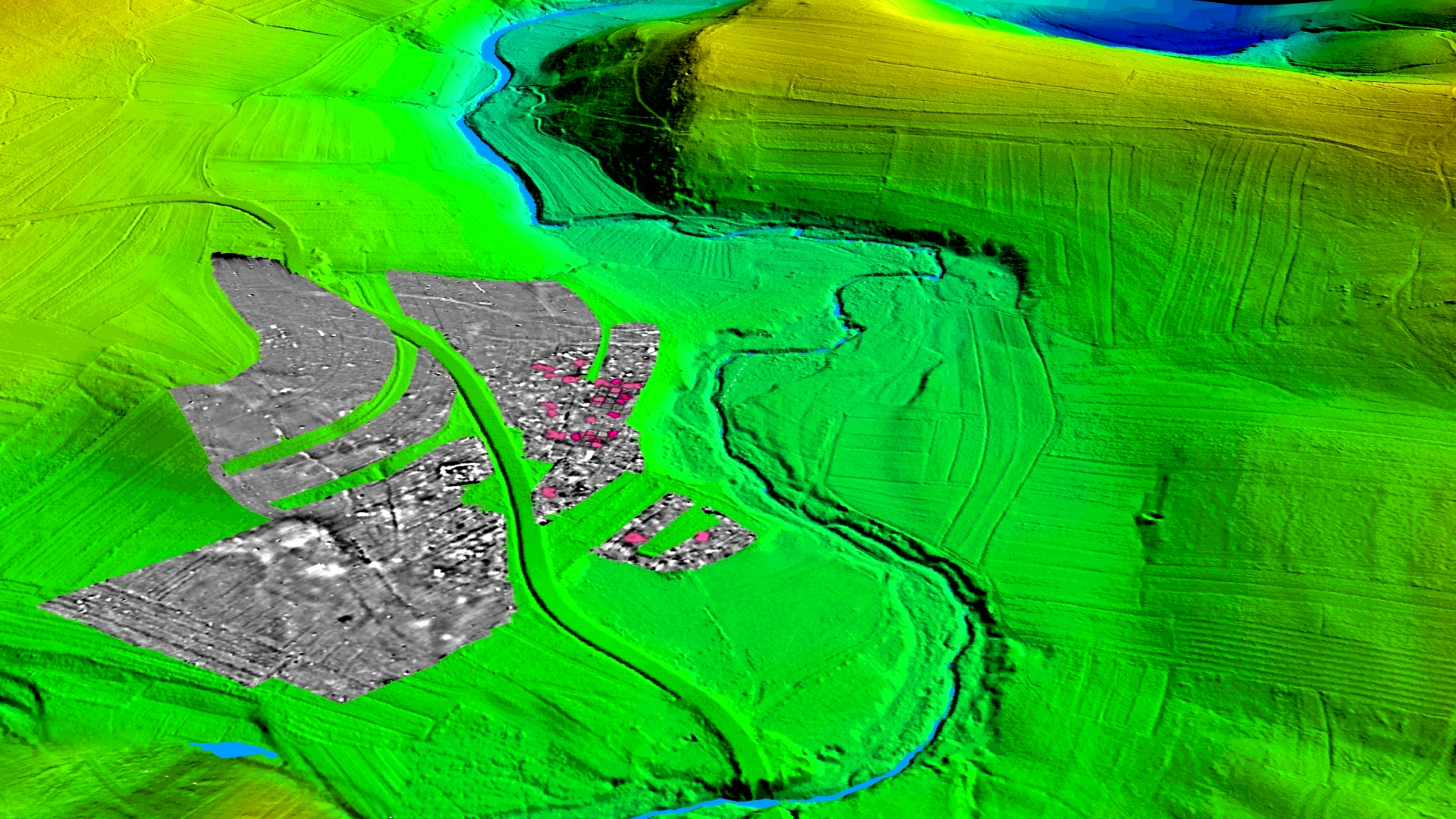
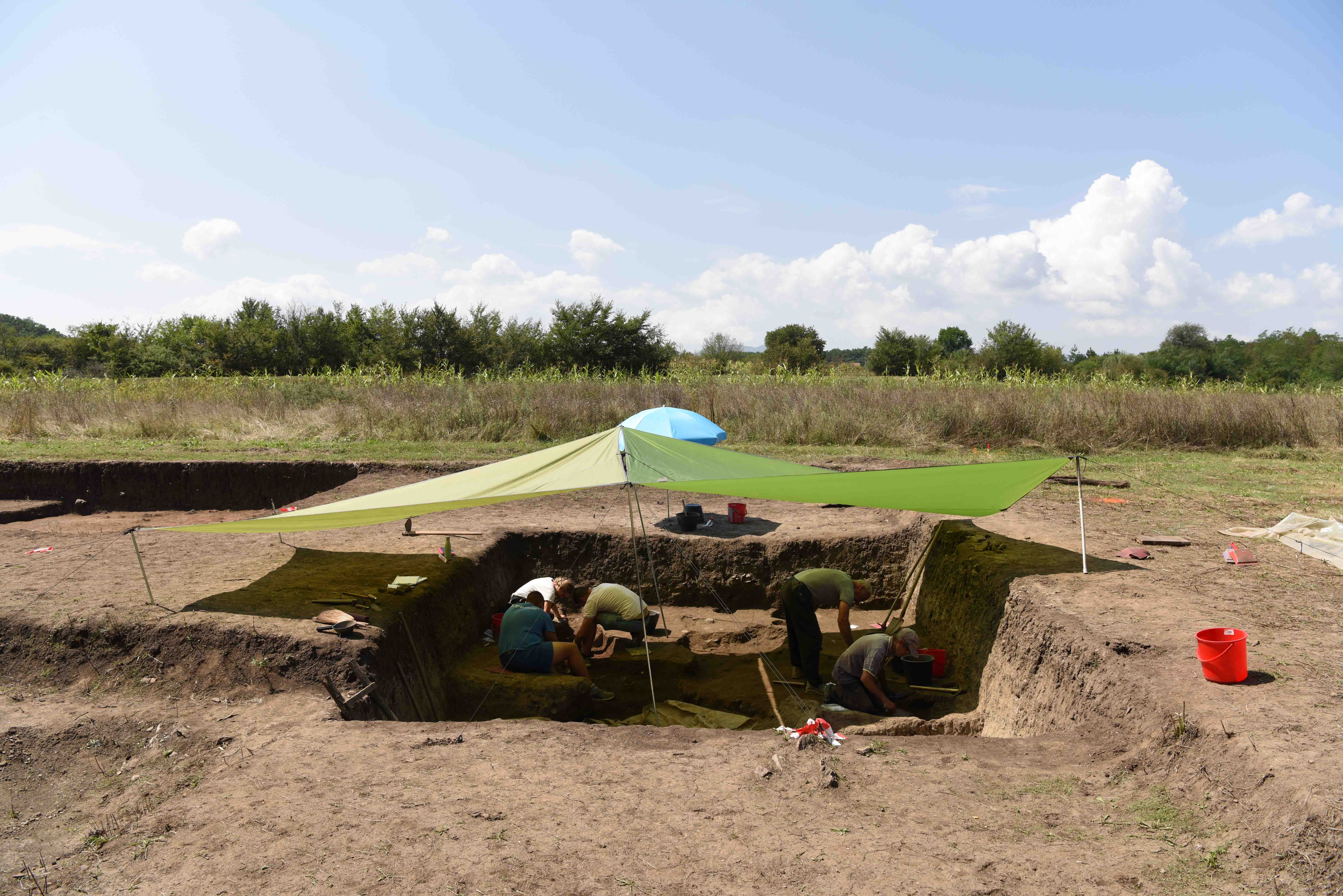
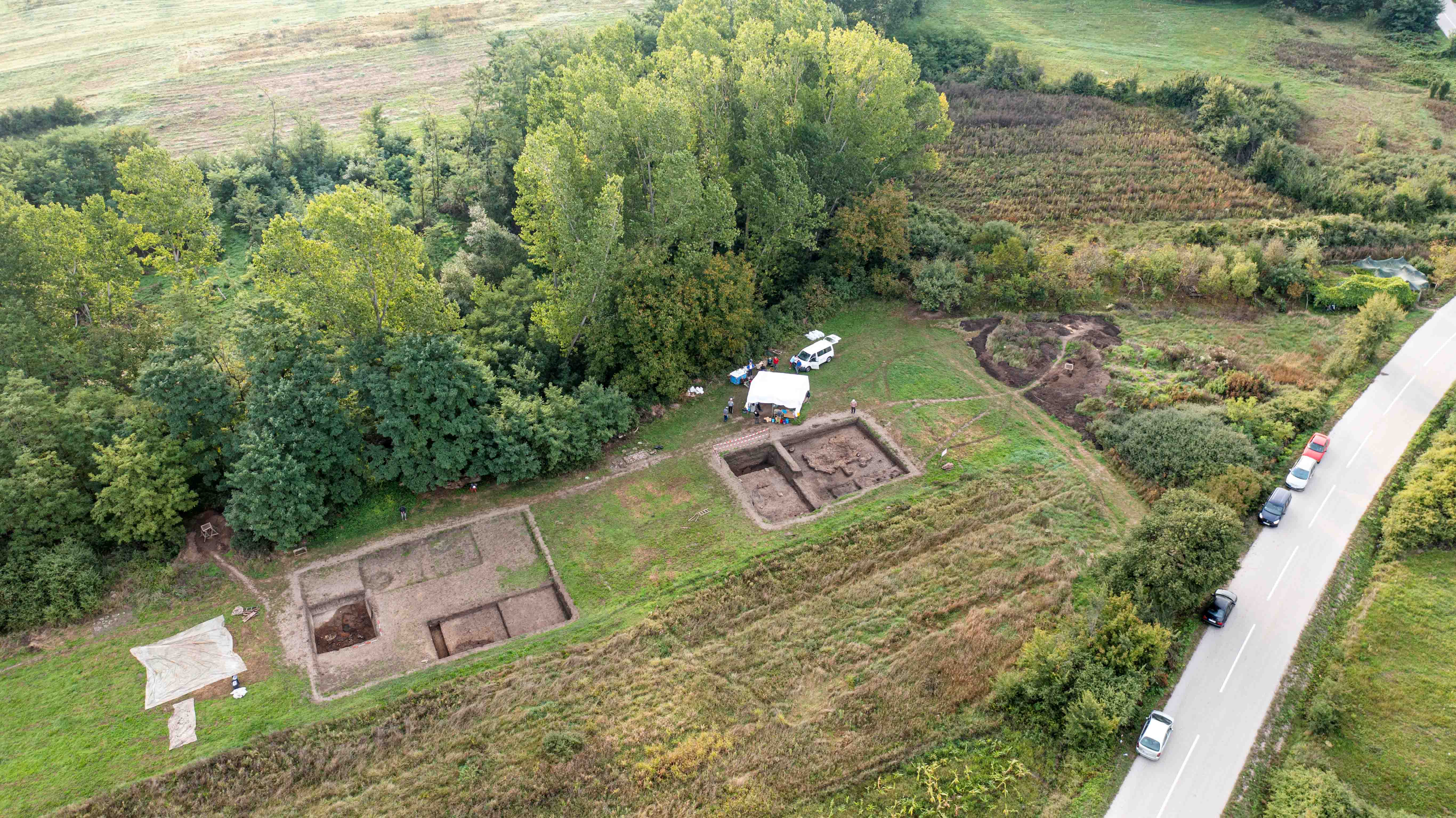
New excavations at Svinjarička Čuka in August and September 2022 offer a deep insight into the long-term history of the region. The archaeological site is situated on the small-elevated Svinjarička River terrace northeast of the famous Caričin Grad in the Lebane district of south Serbia. The river terrace is investigated by an international and interdisciplinary research team since 2018 within the framework of an Austrian-Serbian collaboration. The results of the former years of excavations demonstrate the long occupation of the river terrace in early to middle Neolithic periods (c. 6000–5500 BCE), in the late Copper Age (4th millennium BCE), in middle to the late Bronze Age (2nd millennium BCE) as well as in the Iron Age and the Middle Ages.
Recent results in 2021 and 2022
The new investigations in 2022 were conducted in two large excavation trenches, which provide important new scientific data for the Neolithic and Late Bronze Age, both periods are only scarcely known in south Serbia so far.
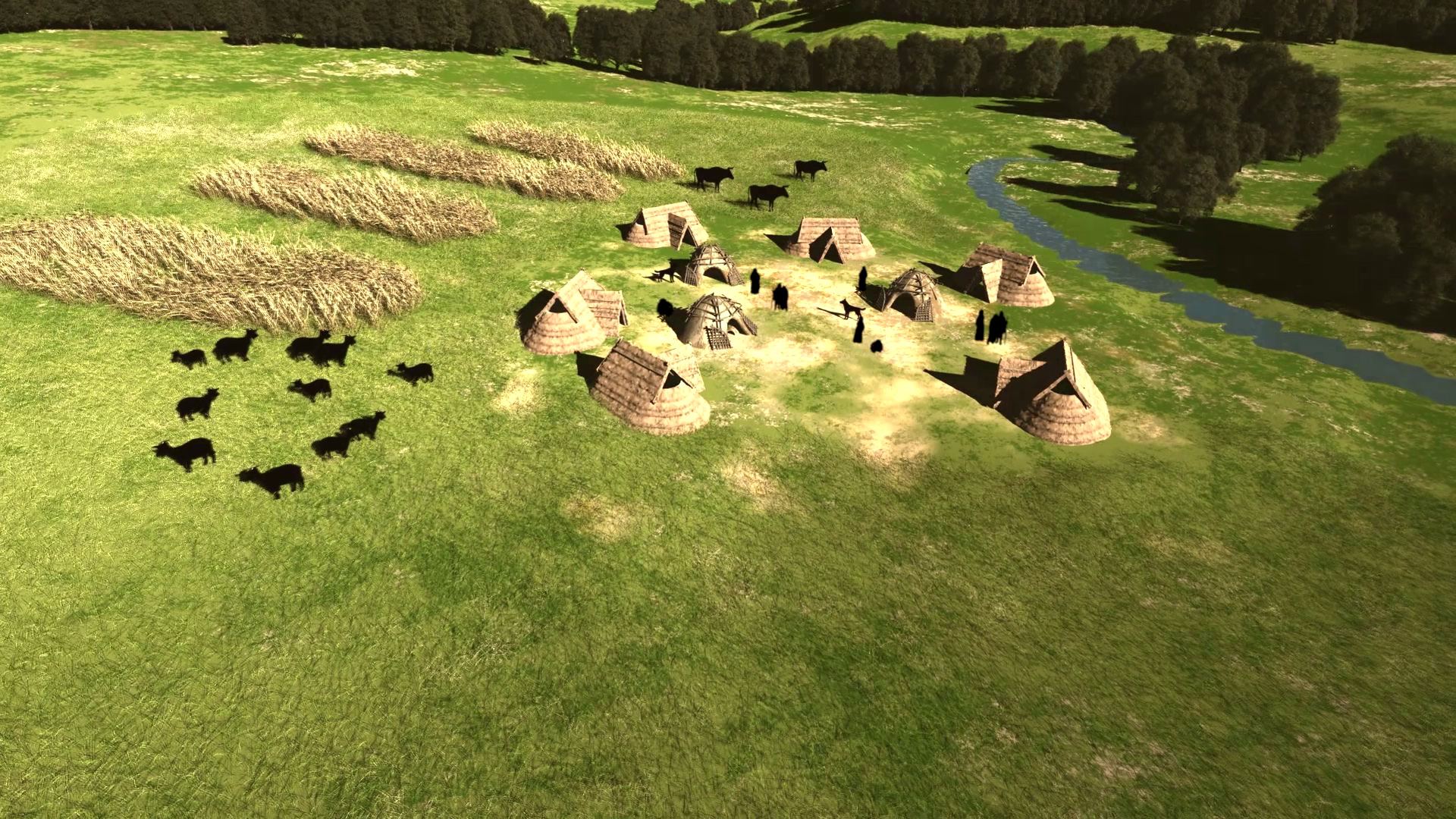
The first identification of solid built structures dating to the Starčevo Neolithic period represents one important outcome of the excavations. Various domestic remains of the 6th millennium show the use of the terrace by early farming and herding communities, at least temporarily.
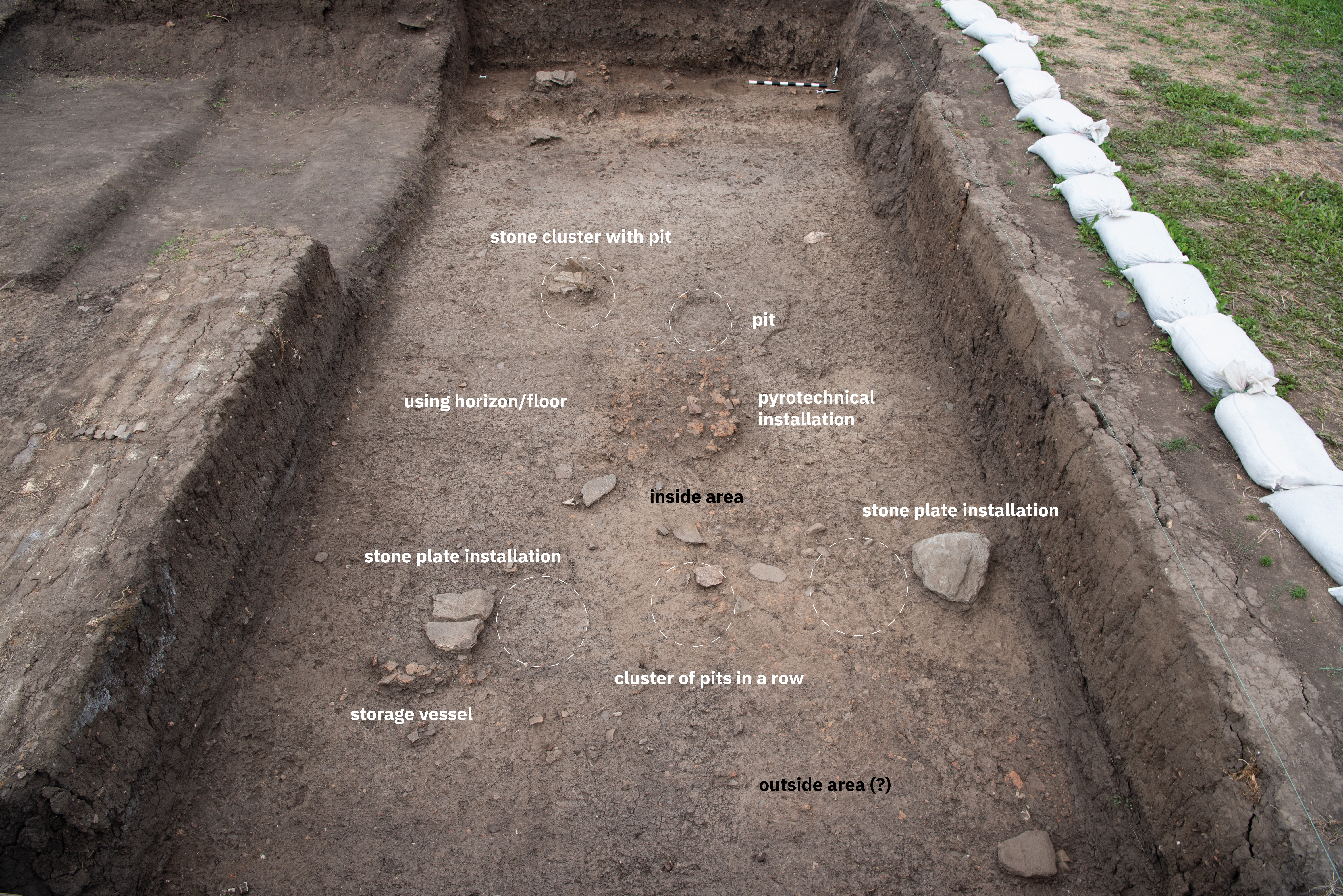
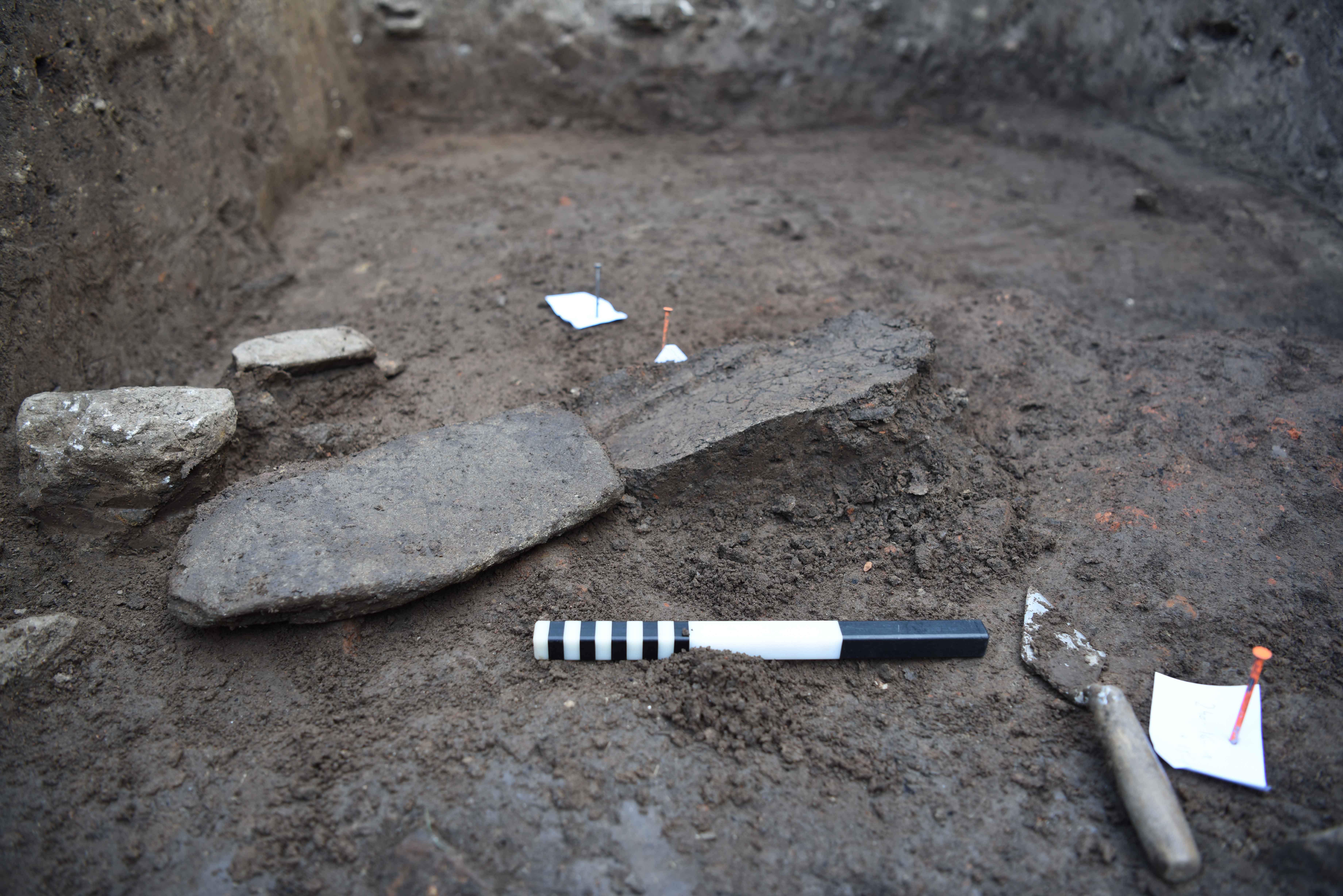
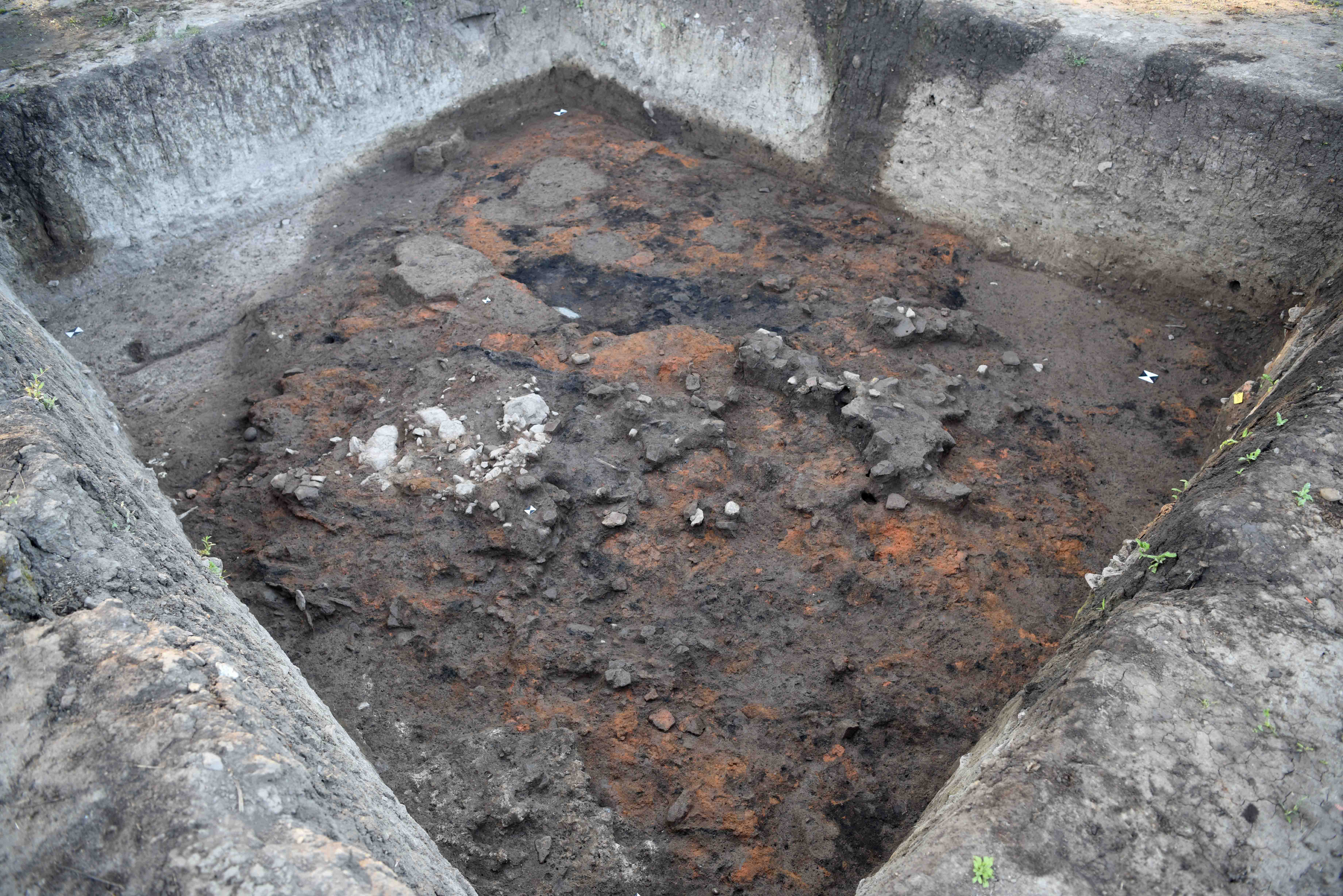
A large rectangular structure composed of flat-stones and pit installations, stamped clay floors and an oven in the interior could have been recovered within a large area of c. 4x5 m and was analysed in details this season. This »Starčevo house« is dated to c. 5700–5600 BC by a sequence of radiocarbon data. Further, older layers underneath revealed the remains of preceding domestic structures, presumably going back to the onset of the Neolithic in the region. A grinding stone for potential food preparation from this so far oldest Neolithic level indicate domestic activities, too. The new excavations additionally detected well-preserved remains of a heavily burnt Neolithic structure in the central part of the terrace, which will be further recovered and analysed in the following years. The find assemblages from the various Neolithic structures can be associated with the Starčevo horizon of the Balkans, which represents the first agricultural communities along the important Morava River corridor connecting the Mediterranean cultures with the Danube.
Multi-disciplinary analyses were systematically applied by international experts in the field including micromorphology of anthropogenic layers as well as use-wear and residue analyses on stone tools for understanding the function and use of structures and household inventories. Samples for follow-up scientific analyses in laboratories were taken to study the bioarchaeological and geological remains in more details in the near future. The combination of the newly excavated prehistoric houses with material studies and state-of-the-art scientific analyses in laboratories let us expect a solid new picture of the Neolithic period in the region.
Results of the excavation have been presented in the poster exhibition »Balkan Archaeology in Focus: Visualizing New Research« at the Austrian Academy of Sciences and can be visualized as 3D movie. The travelling exhibition will be shown in institutions, museums and schools in the Balkans.
The collaboration between the Austrian Academy of Sciences (Barbara Horejs) and the Archaeological Institute in Belgrade (Aleksandar Bulatović) was initiated in 2017. The regional focus of this collaboration lays in the Leskovac Basin in south Serbia with an area of c. 1.600 km2 and its first permanent settling in Neolithic times around 8000 years ago. The development of the landscape and usage of the environment through prehistory forms an additional aspect of our investigations, including changes from the early Neolithic until the end of the Bronze Ages. The Archaeological Museum of Leskovac is the third partner in this long-term collaboration. The interdisciplinary studies and excavations are funded by the Austrian Science Fund (FWF project NEOTECH no. P32096-G25) and the Innovation Fund of the Austrian Academy of Sciences (»Visualising the Unknown Balkans« project).
The interdisciplinary team managed by Prof. Dr. Barbara Horejs (Vienna) and Dr. Aleksandar Bulatović (Belgrade) include postdoctoral experts for use wear and residue analyses (L. Dietrich/Vienna), micromorphology and radiocarbon-dating (L. Webster/Vienna), raw materials (M. Brandl, Vienna), lithics (B. Milić, Barcelona), ceramics (C. Burke, Vienna), archaeobotany (D. Filipović, Kiel/Belgrade), archaeozoology (J. Bulatović, University Belgrade), geophysics (C. Meyer, Berlin) and geography (St. Schneider, German Archaeological Institute). Excavation engineers, technicians and photographers are providing their expertise in fieldwork and material studies (V. Stefanović/Leskovac, M. Börner, D. Blattner, F. Ostmann/all Vienna). MA and PhD students (O. Mladenović, Belgrade) are integrated in the project as well.
B. Horejs, A. Bulatović, J. Bulatović, C. Burke, M. Brandl, L. Dietrich, D. Filipović, B. Milić, O. Mladenović, N. Schinnerl, T. Schroedter, L. Webster, New multi-disciplinary data from the Neolithic in Serbia. The 2019 and 2021 excavations at Svinjarička Čuka. Archaeologia Austriaca 106, 2022 (in print).