


Memoria Apostolorum im spätantiken Nord-italienischen Raum: am Beispiel von Concordia Sagittaria
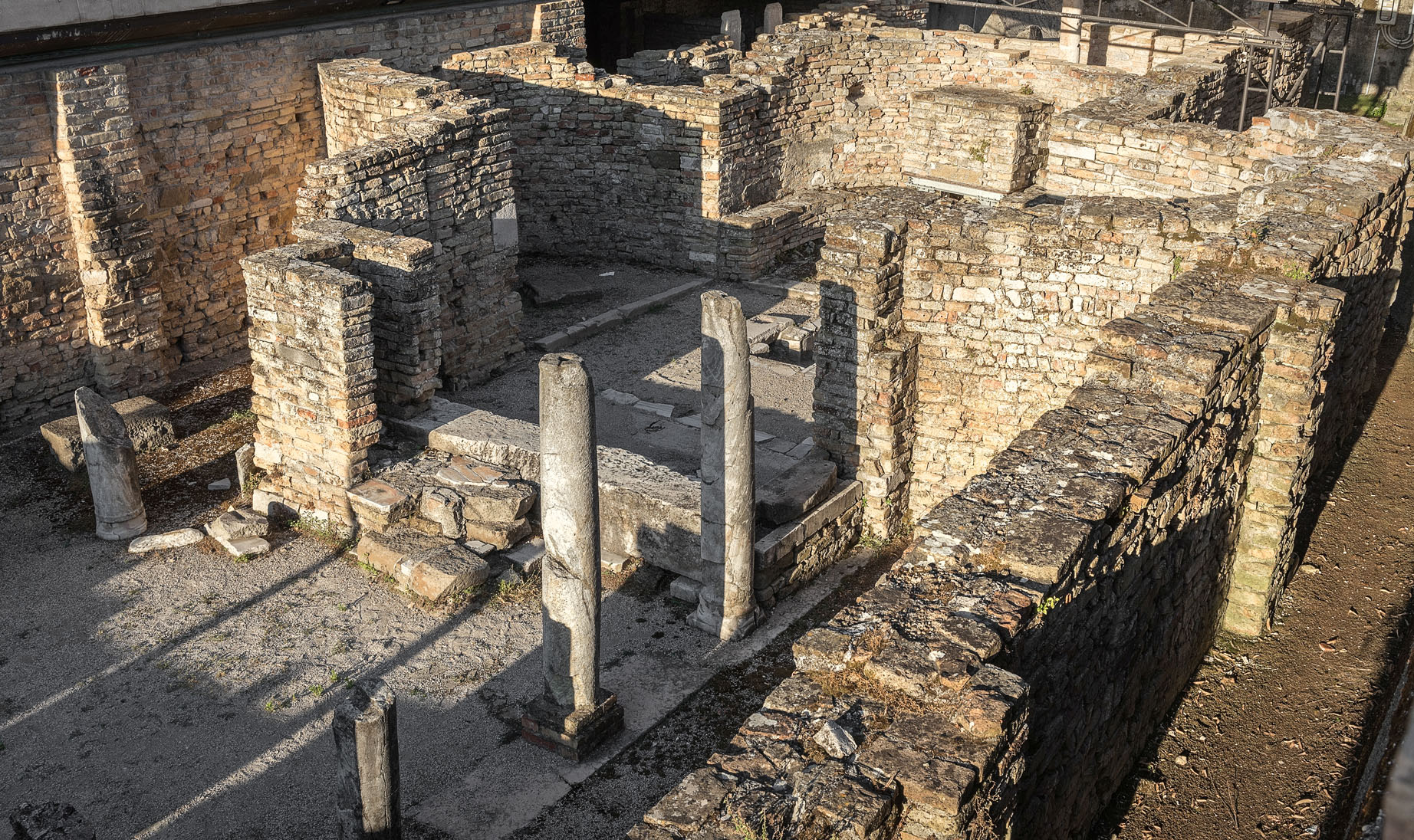
Since the early centuries AD, the question of apostolic legitimacy became increasingly important for the developing Christian communities, as the apostles were seen as key figures of church authority. Establishing apostolicity became a vital tool for legitimizing local communities, particularly through claims of apostolic origins, the veneration of relics, and their representation in monumental church architecture and liturgy. In this context, the article introduces the project "Memoria Apostolorum in Northern Italy: The Late Antique Presentation of Apostolic Relics" and explores how apostolic presence was constructed, rooted in specific locations, and communicated publicly in late antique cities of Northern Italy. The focus is on the relationship between the development of apostolic tradition narratives and the rise of local saint cults, which often existed in a dynamic tension. These broader questions are examined through the case study of Concordia Sagittaria (Veneto), the ancient Iulia Concordia, located about 50 km from Aquileia. This example demonstrates how apostolic authority was expressed and staged in a local context. The article also presents initial findings from research conducted between 2024 and 2026, supported by funding from the Fritz Thyssen Foundation, which enabled extensive architectural studies.
Information
Date
7 October 2026, 17:00 CEST
Location
Otto Wagner Postsparkasse, Georg-Coch-Platz 2, 1010 Vienna, Room 8–9, 5th Floor
Organizer
OeAI, OeAW
Contact
Davide Bianchi