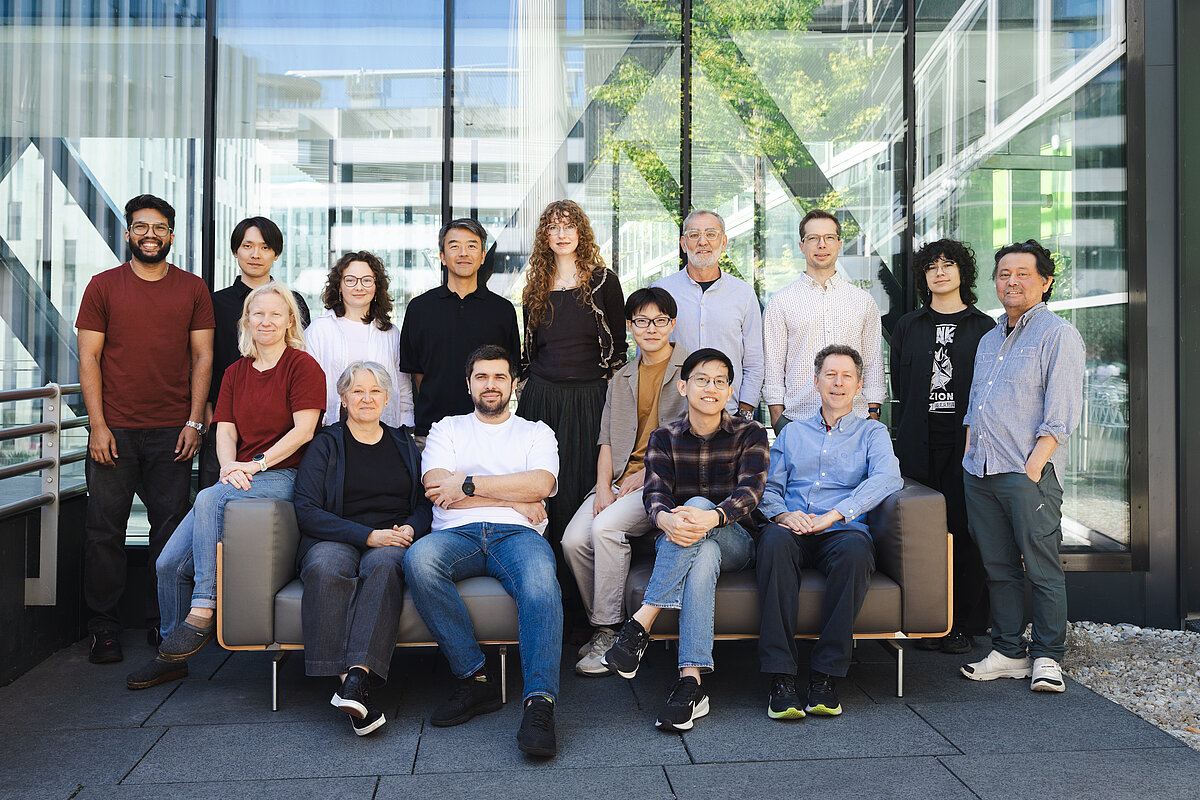
The transmission, stability, and expression of the eukaryotic genome are controlled by chromatin, which comprises a large array of proteins, including the highly conserved histones. The Berger lab investigates the evolution of chromatin and its impact on processes such as transcription, DNA repair, and meiosis.
Histones are the most abundant proteins in chromatin and wrap DNA to form nucleosomes, the basic units of chromatin. Nucleosomes are assembled and positioned by dedicated chaperones and ATP-driven remodelers. The deposition, erasure, and recognition of histone variants and histone modifications by different protein complexes are at the heart of the dynamic interactions within chromatin. In the Berger lab, we combine genetics, genomics, and biochemical analyses with synthetic strategies to study chromatin functions using plant models, yeasts, and E. coli.
Because chromatin is present in all eukaryotes, it must have evolved progressively from the prokaryotic ancestors of eukaryotes, the Asgard archaea. We are defining the organization, biochemical properties, and structure of Asgard archaeal chromatin to propose models for the emergence of chromatin functions during evolution.
In the context of EvoChromo, the Berger lab investigates the evolution of chromatin in Asgard archaea; read more about the project here.