


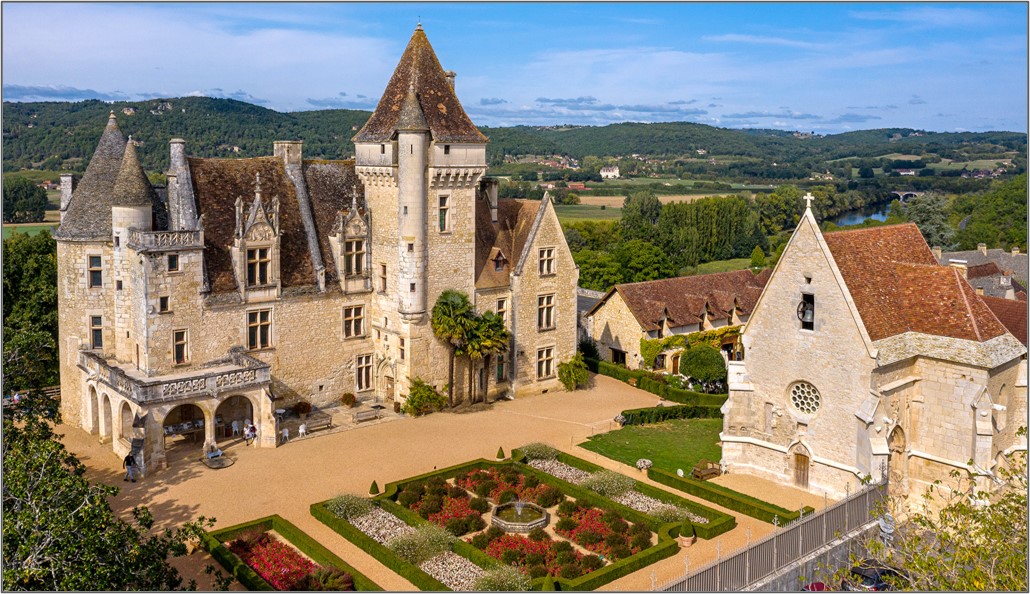
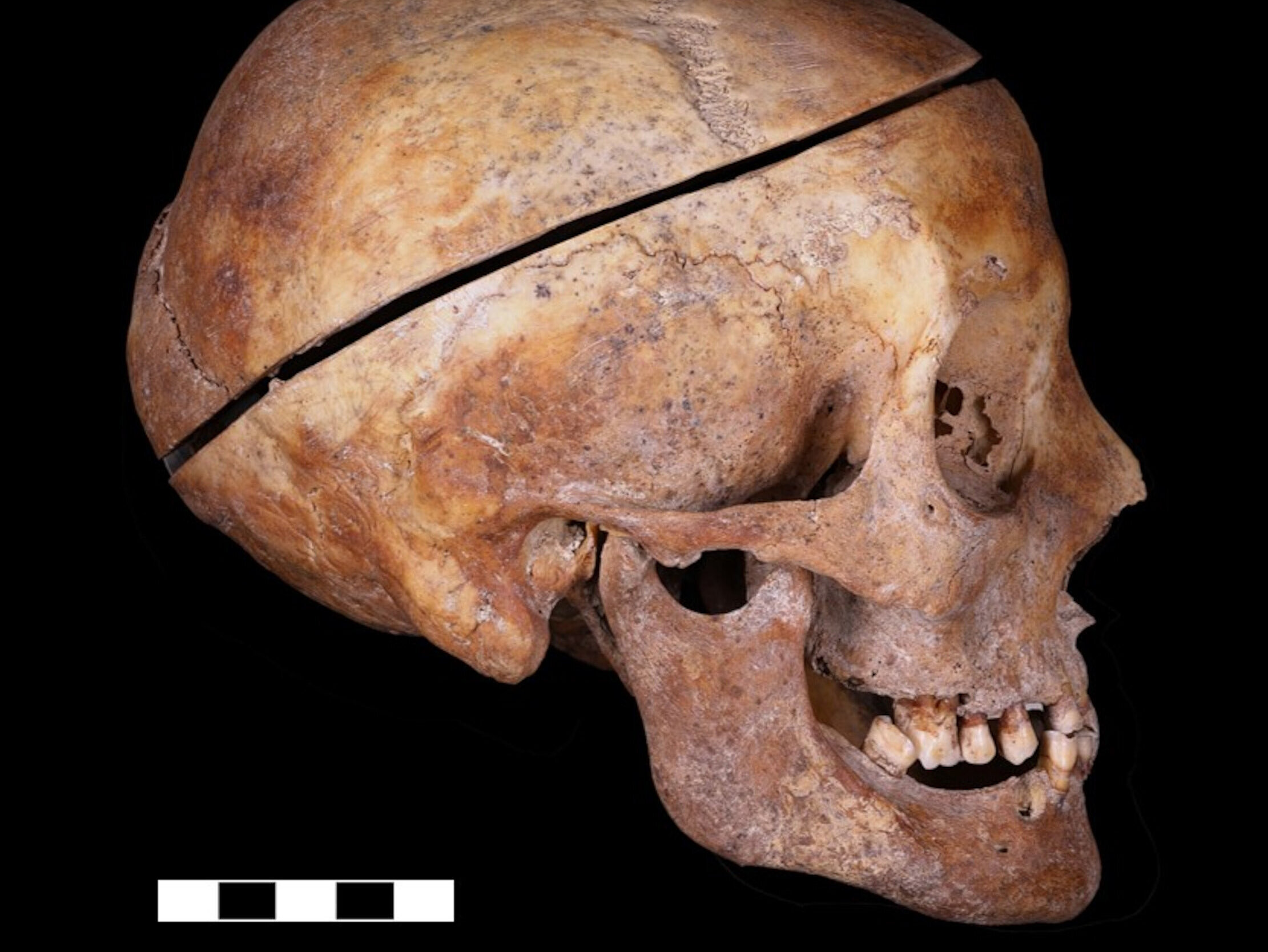
For a long time, embalming practices were considered exotic rituals that were mainly associated with the ancient Egyptians or cultures in South America. New findings at the Château des Milandes in Castelnaud-la-Chapelle, Dordogne, France, now prove that these techniques were also used in Europe.
The remains of seven adults and five children discovered in a crypt, as well as those of a single buried woman, all of whom belonged to the aristocratic Caumont family and had been embalmed, provide researchers at the Austrian Archaeological Institute of the Austrian Academy of Sciences with valuable information about embalming practices in the 16th and 17th centuries.
»These finds provide unique insights into embalming techniques,« says Caroline Partiot from the Austrian Archaeological Institute of the Austrian Academy of Sciences. »Our examinations of one complete individual and almost 2,000 fragments show a careful and highly standardized technical treatment of the deceased, which is similar for adults and children. This reveals a know-how that has been handed down over two centuries,« says Partiot.
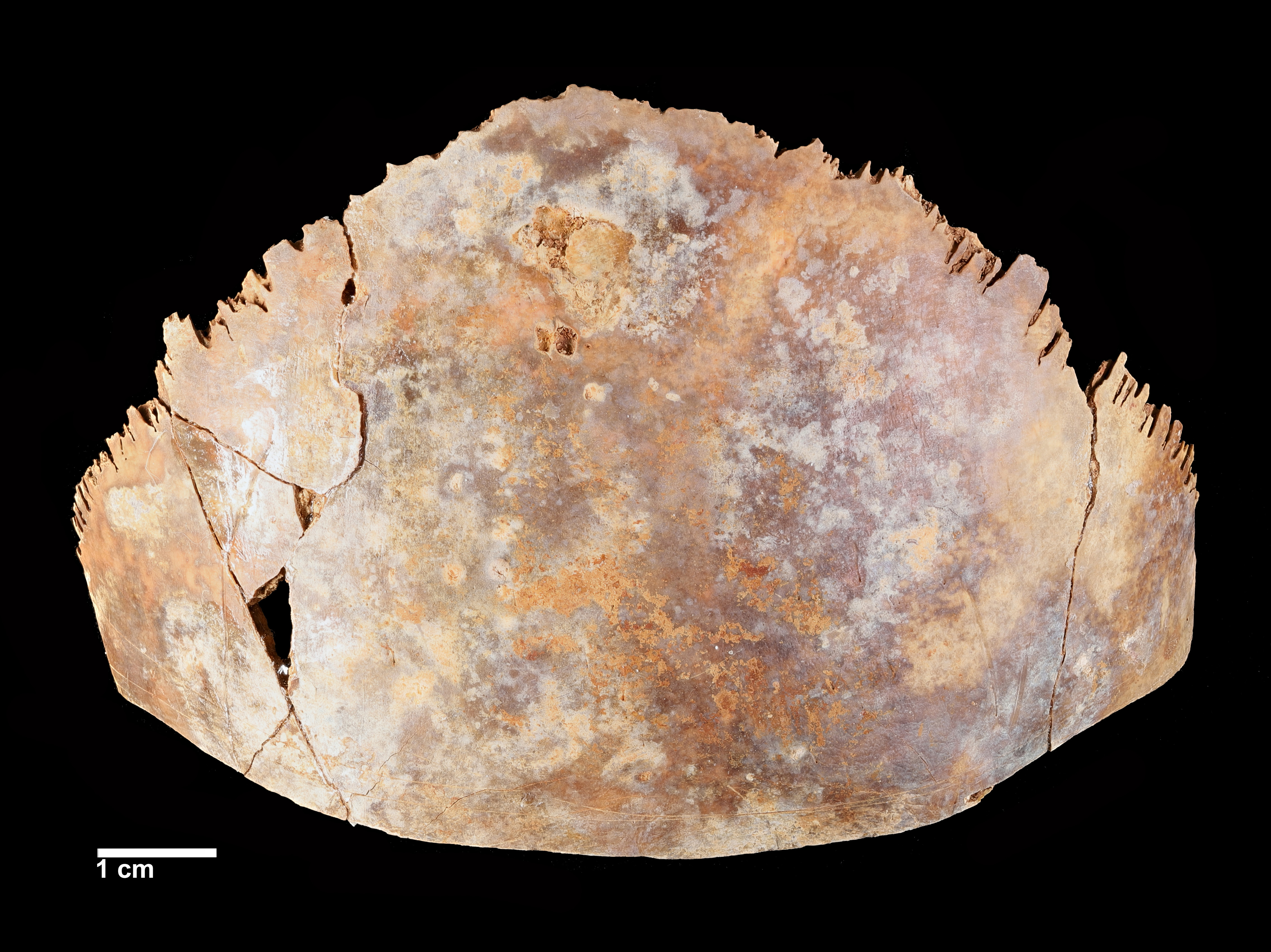
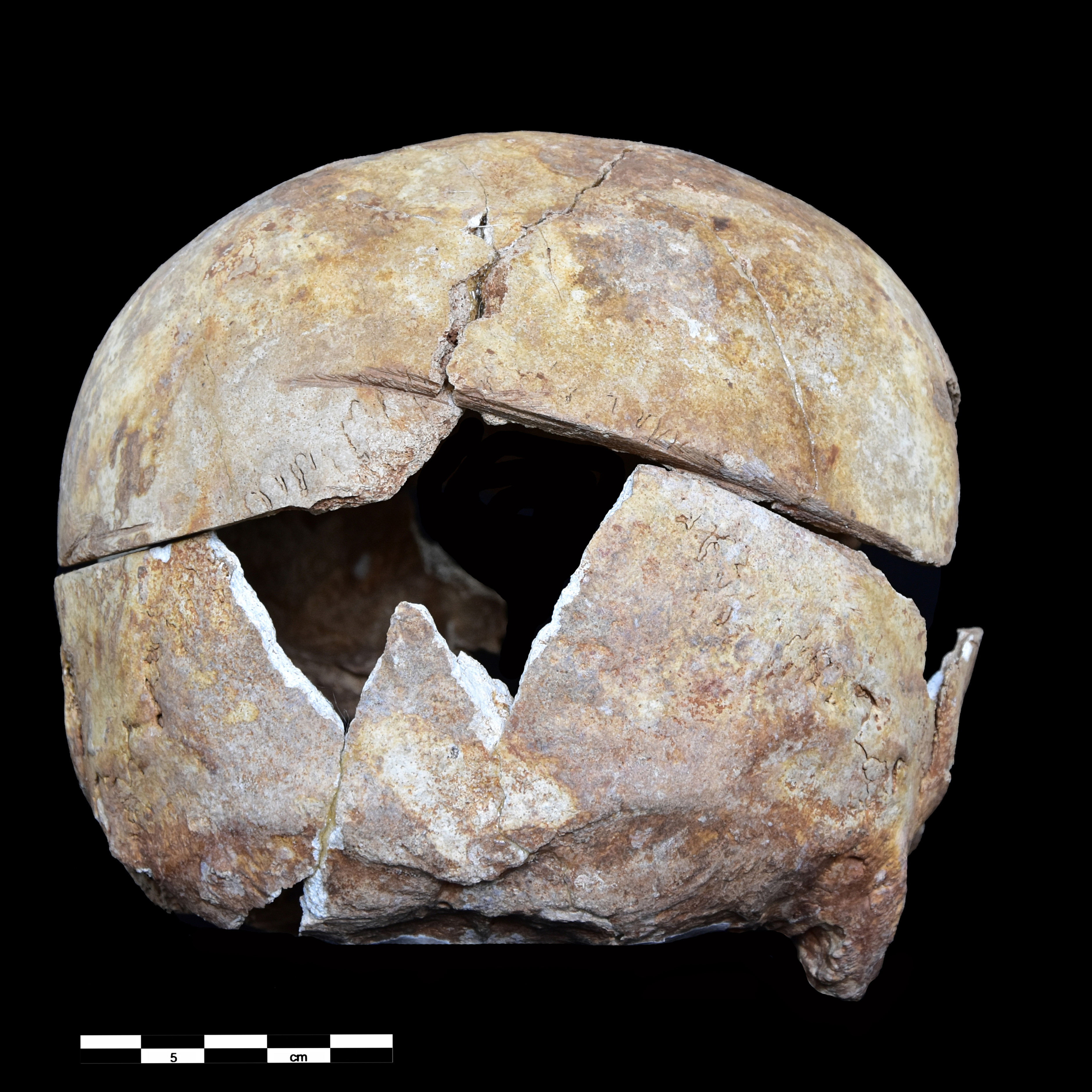
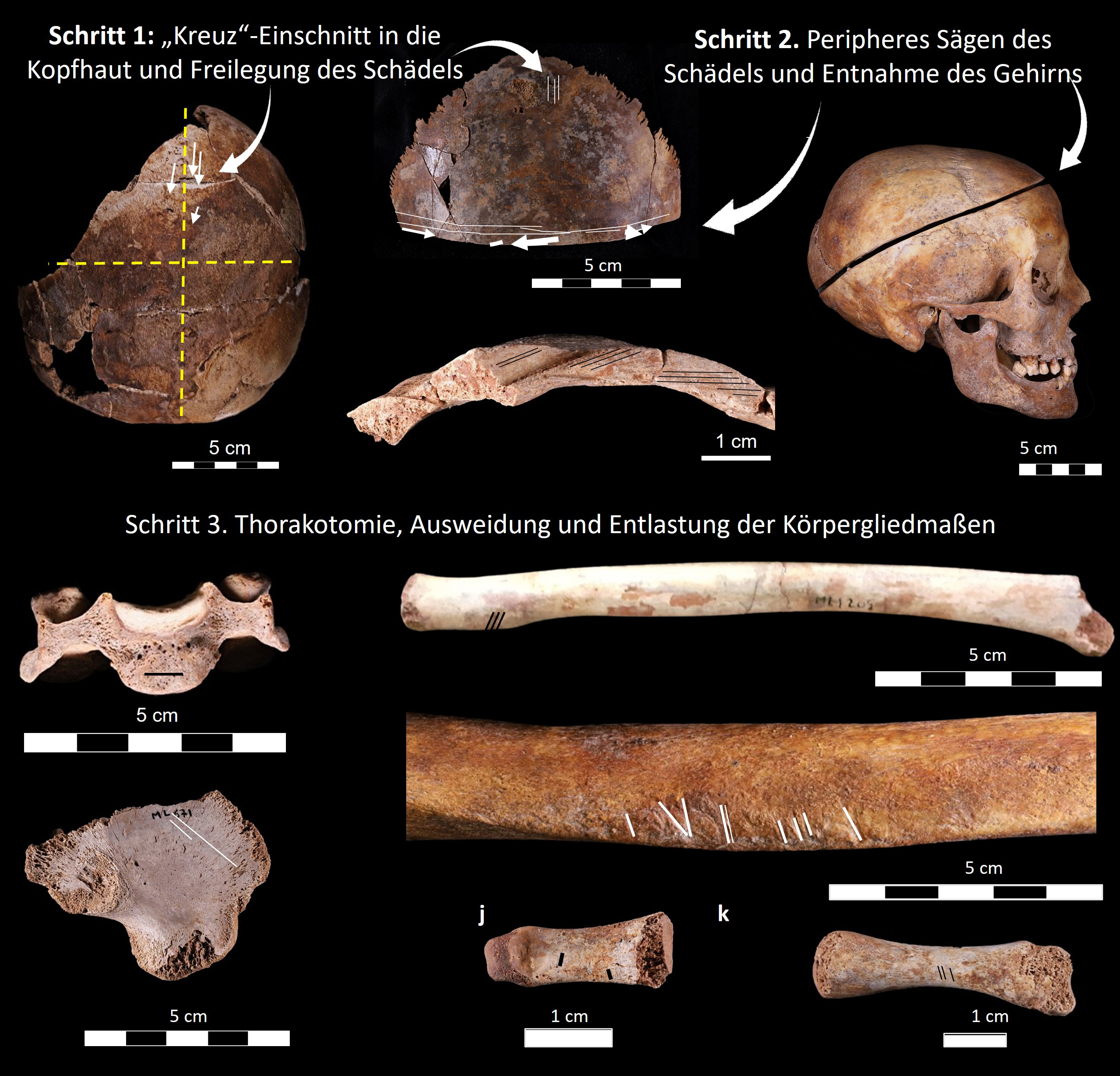
Using the skeletons of the individuals in the crypt and the individually buried female body, the researchers were able to study the modus operandi of embalming based on the cut marks on the entire skeleton. Particularly noteworthy is the precise skinning of the entire body, including the upper and lower limbs down to the fingertips and toes.
These methods are similar to those described in 1708 by the leading French surgeon of the time, Pierre Dionis. This was used in an 18th century autopsy in Marseille, as researchers now know. »It is remarkable that the tradition has lasted for at least two centuries,« explains the archaeologist.
The discovery of the tomb and the analysis of the skeletons show that this practice was a deeply rooted tradition within the Caumont family, which enjoyed high social status at the time. Partiot: »The treatment indicates that embalming was not so much for long-term preservation, but rather to be able to display the corpse during funeral ceremonies.«
This is because multiple embalmings in one family are rare, and the only known case in medieval Western Europe in which multiple embalmings were carried out in one and the same family with children is the Medici family in Italy from the 15th century. »The application to family members, regardless of age at death and gender, also reflects the acquisition of this status by birth,« Partiot emphasizes.
Contact
Astrid Pircher | Science Communication
Austrian Archaeological Institute at the Austrian Academy of Sciences
T +43 1 51581-4060
astrid.pircher(at)oeaw.ac.at
Caroline Partiot
Austrian Archaeological Institute at the Austrian Academy of Sciences
T +43 1 51581-4149
caroline.partiot(at)oeaw.ac.at