


CONTEXT matters: Life & Things in 5th to 7th century Ephesos
Principal investigator: Alice Waldner
Funding amount: 652.942 €
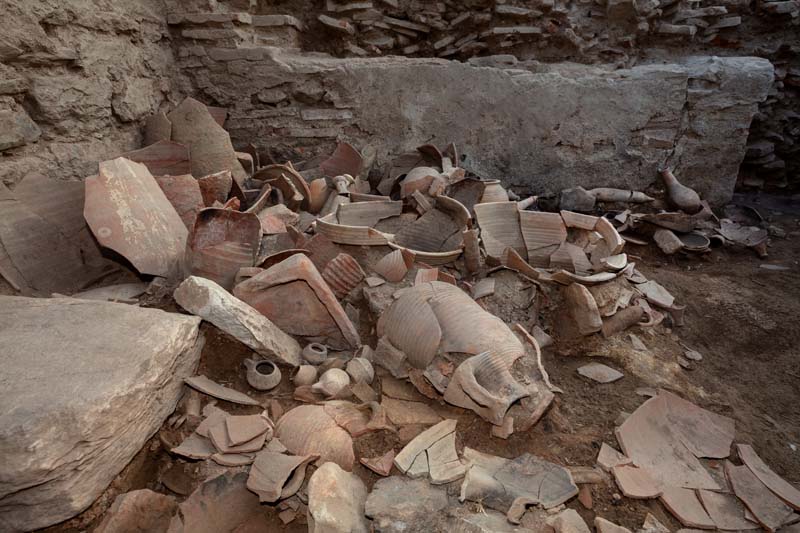
This project explores the transformation of Ephesos between the 5th and 7th centuries CE through the contextual analysis of objects, assemblages, and their itineraries. As one of the best-excavated and documented sites of the Eastern Mediterranean, Ephesos offers a unique case for tracing urban change, material practices, and everyday life in a Late Antique/Early Byzantine city. The project contributes to broader debates on transformation, resilience and adaptation by applying a context-sensitive, material-based model of diachronic investigation.
The Transformation of an Ancient Metropolis in Lycia – Limyra in the Roman Period and Late Antiquity
Principal investigator: Martin Seyer
Funding amount: 639.525 €
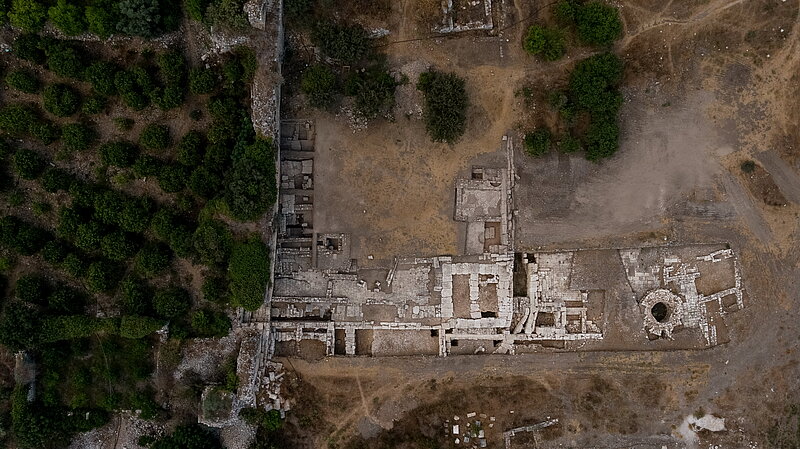
With the project the development of the eastern Lycian city of Limyra from a Roman Imperial metropolis to a city at the transition from this to the late antique/early Byzantine period will be investigated in its historical context. Limyra occupied an important position in the hierarchy of Lycian cities in the relevant periods, which is also reflected in the construction of important buildings, most of which have been well researched. However, our knowledge of the urban development of Limyra is still very limited, as essential questions about the character and appearance of the city remain unanswered. The proposed project aims to close the main gaps in research into the Roman Imperial and late antique city.
ROSES – Research On the foothillS bEtween pans and mountainS
Principal investigator: Viola Schmid
Funding amount: 454.598 €
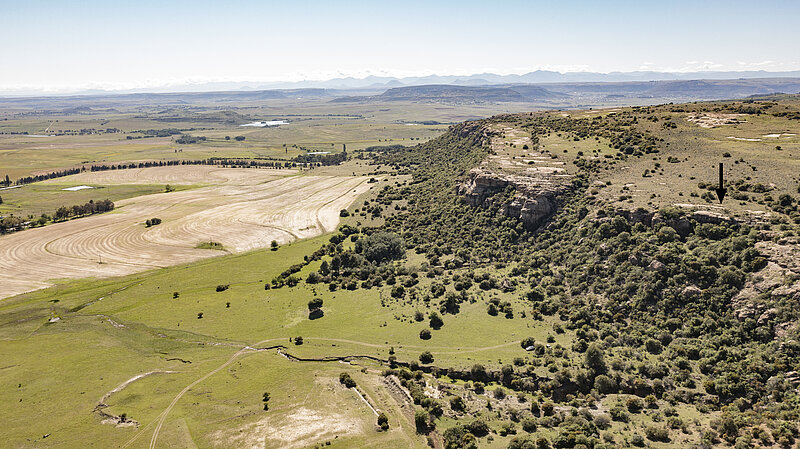
Southern Africa contains a unique archaeological record. Archaeologists have so far compiled a wealth of data on the Middle Stone Age (350,000 to 30,000 years ago) and the Late Stone Age (50,000 to 2,000 years ago), which attest to the emergence of behavioural complexity. With the exception of the Rose Cottage Cave, the Eastern Free State has remained largely unexplored for these cultural periods. Consequently, the project aims to apply traditional and innovative archaeological methods at this cave and other sites with potentially longer stratigraphic sequences and palaeoenvironmental archives. In addition, surveys will be carried out to locate new sites and raw material sources. The aim is to gain a better understanding of technological choices, cultural developments and potential climatic influences during the transition from the Pleistocene to the Holocene, thereby laying the foundations for testing broad-scale hypotheses regarding technological versatility, settlement strategies and social networks in southern Africa.