


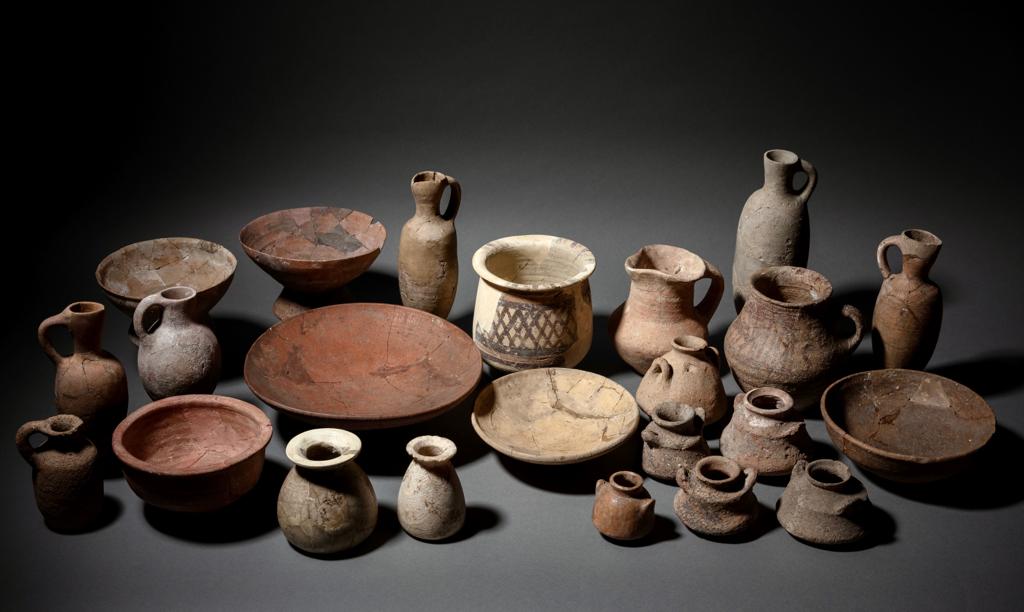
In 1913 and 1914, the Biblical scholar Ernst Sellin carried out excavations at Tell Balata, near Nablus in Palestine, under the auspices of the Imperial Academy of Sciences. Due to the war, the excavations could only be continued in the 1920s, but then under the umbrella of the German Archaeological Institute. The excavations were never finally published and both the finds and the documentation are now scattered all over the world. A team from the Austrian Archaeological Institute is working to reconstruct the history of the excavations.
In the 1960s, the American archaeologist Siegfried Horn discovered an inventory of pottery vessels, sherds and bronze weapons in the Kunsthistorisches Museum in Vienna, which he identified as finds from the 1913 and 1914 Austrian excavations at Tell Balata (biblical Shechem) in Palestine. These excavations, led by the German Biblical scholar Ernst Sellin and continued in the 1920s and 1930s under German direction, have never been finally published: The manuscript of the excavation report as well as several finds from the excavation were destroyed in Berlin in the autumn of 1943 when Sellin's house was the victim of a bomb hit.
Ernst Sellin was not unknown in Vienna. From 1897 to 1908 he held the professorship of Old Testament exegesis and biblical archaeology at the Protestant theological faculty in Vienna. He soon began to prepare his own excavation projects and dug at Tell Taʿannek (biblical Taanach) from 1902 to 1904 and at Tell es-Sultan (biblical Jericho) from 1907 to 1909, mostly with the financial support of some major Austrian industrialists. The excavations at Shechem were financed both by the Imperial Academy of Sciences and by notable patrons from the nobility, industry and academia. These included Ernst August II of Hanover, the brewery owner Arthur Dreher from Schwechat, the metal manufacturer Arthur Krupp from Berndorf and the Egyptologist and collector Friedrich Wilhelm Freiherr von Bissing in Munich.
Siegfried Horn had access to the excavation's finds journal, which had been kept by the Austrian archaeologist Camillo Praschniker. However, he was not able to identify all the objects listed in Vienna. For a long time, the finds journal was considered lost, but through research of Felix Höflmayer and Katharina Streit from the ÖAW, it was possible to locate it at the American Andrews University (Siegfried Horn's last place of work) in Michigan and to obtain digital copies.
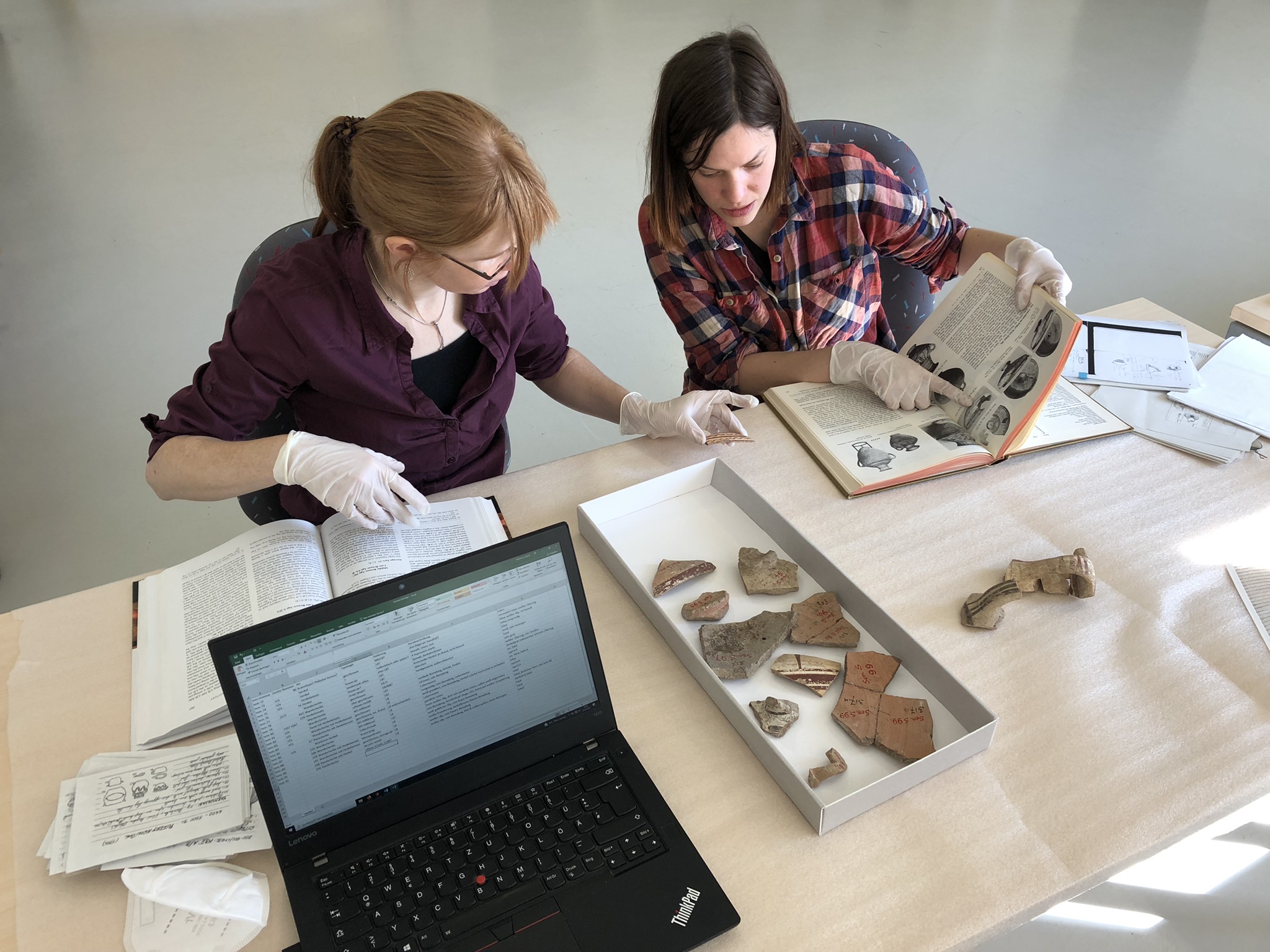
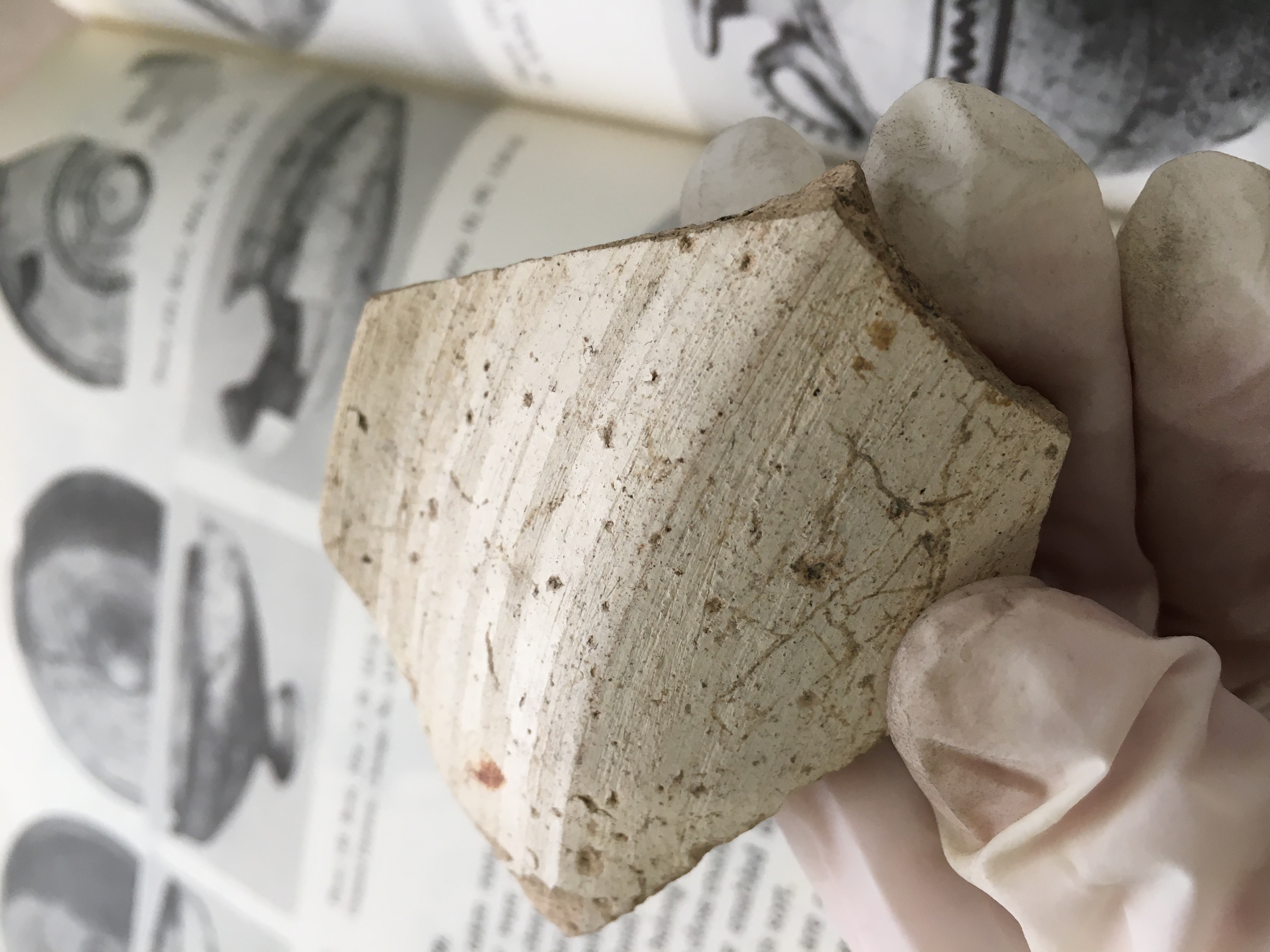
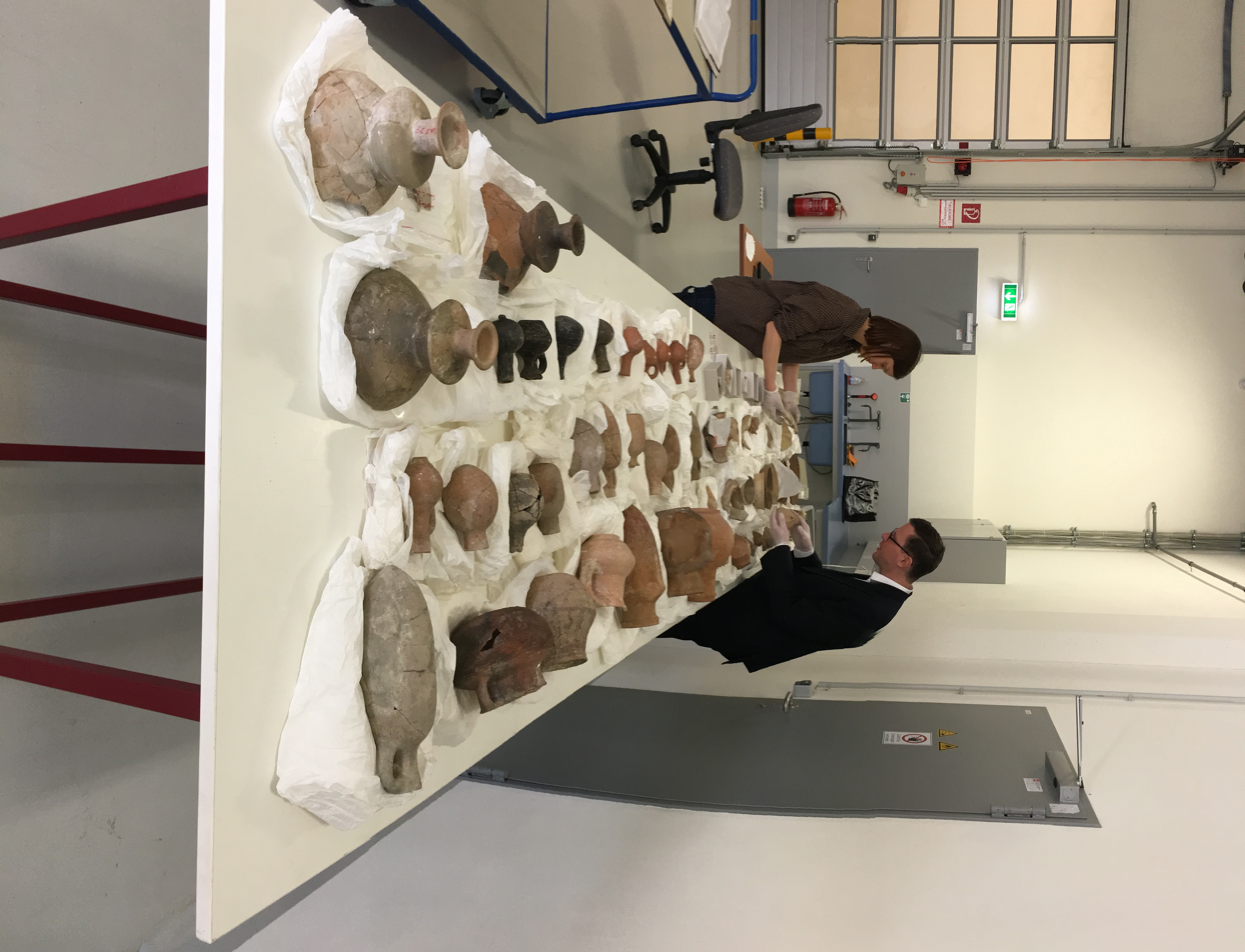
In recent weeks, Felix Höflmayer, Katharina Streit, and Agnes Woitzuck have been able to sift through the inventory in the Kunsthistorisches Museum's depot and identify further items listed in the finds journal in the museum's non-inventoried holdings. Further research revealed that some finds were also given to the other financiers of the excavations. Thanks to the help of Mélanie Flossmann from the State Museum of Egyptian Art in Munich, it was possible to identify an object in the Bissing collection. It can thus not be ruled out that the other supporters were also rewarded with original finds.
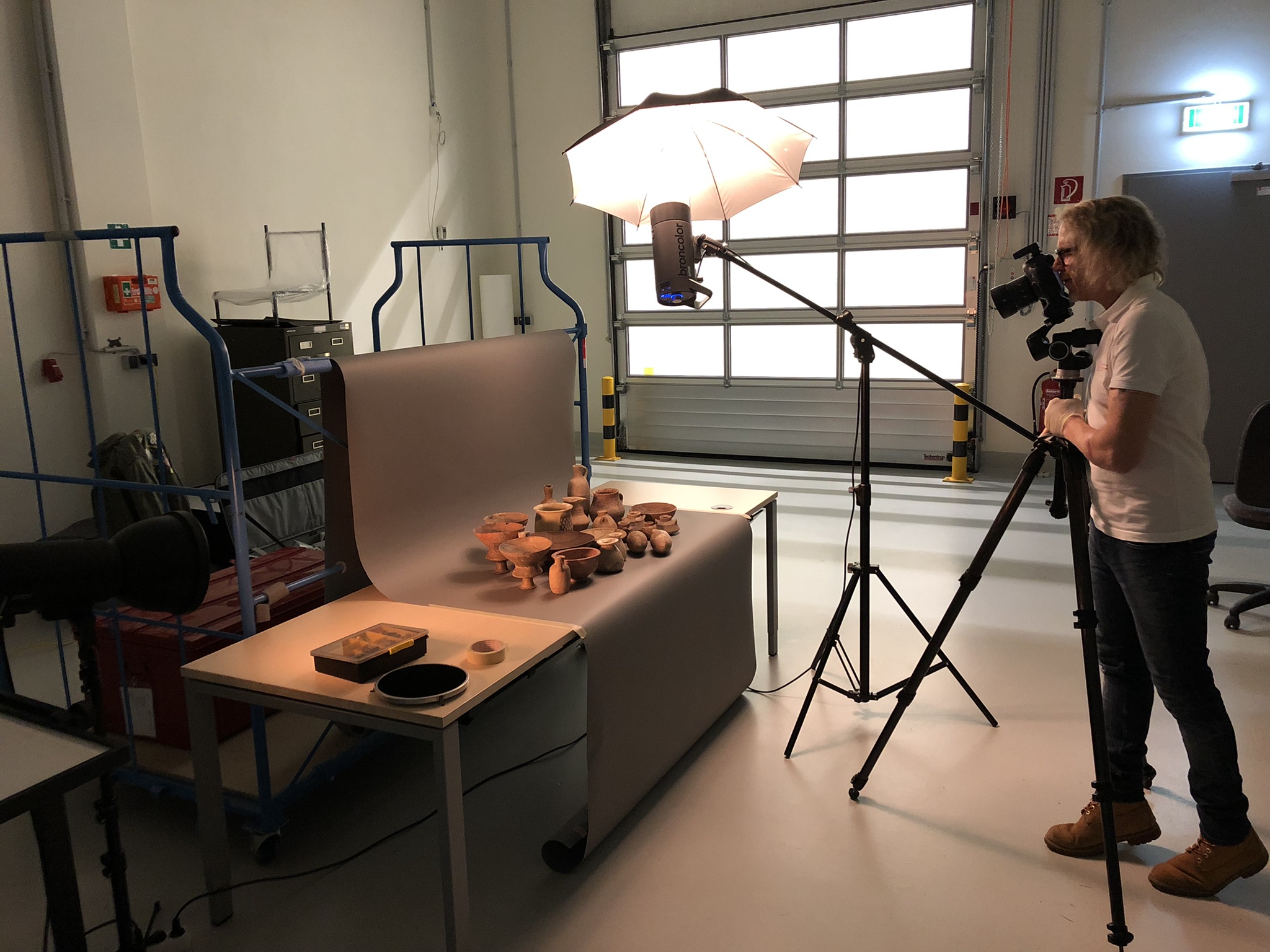
The aim of the present research is to document the surviving inventory of the Austrian excavations and to publish it on the basis of the surviving field documentation. Even though the original manuscript of the excavation report may be lost, the surviving results of the Austrian-German excavations in Palestine can thus be made accessible to the public.