European Technology and Innovation Platform Bioenergy – Support of Renewable Fuels and Advanced Bioenergy Stakeholders 2026-2028
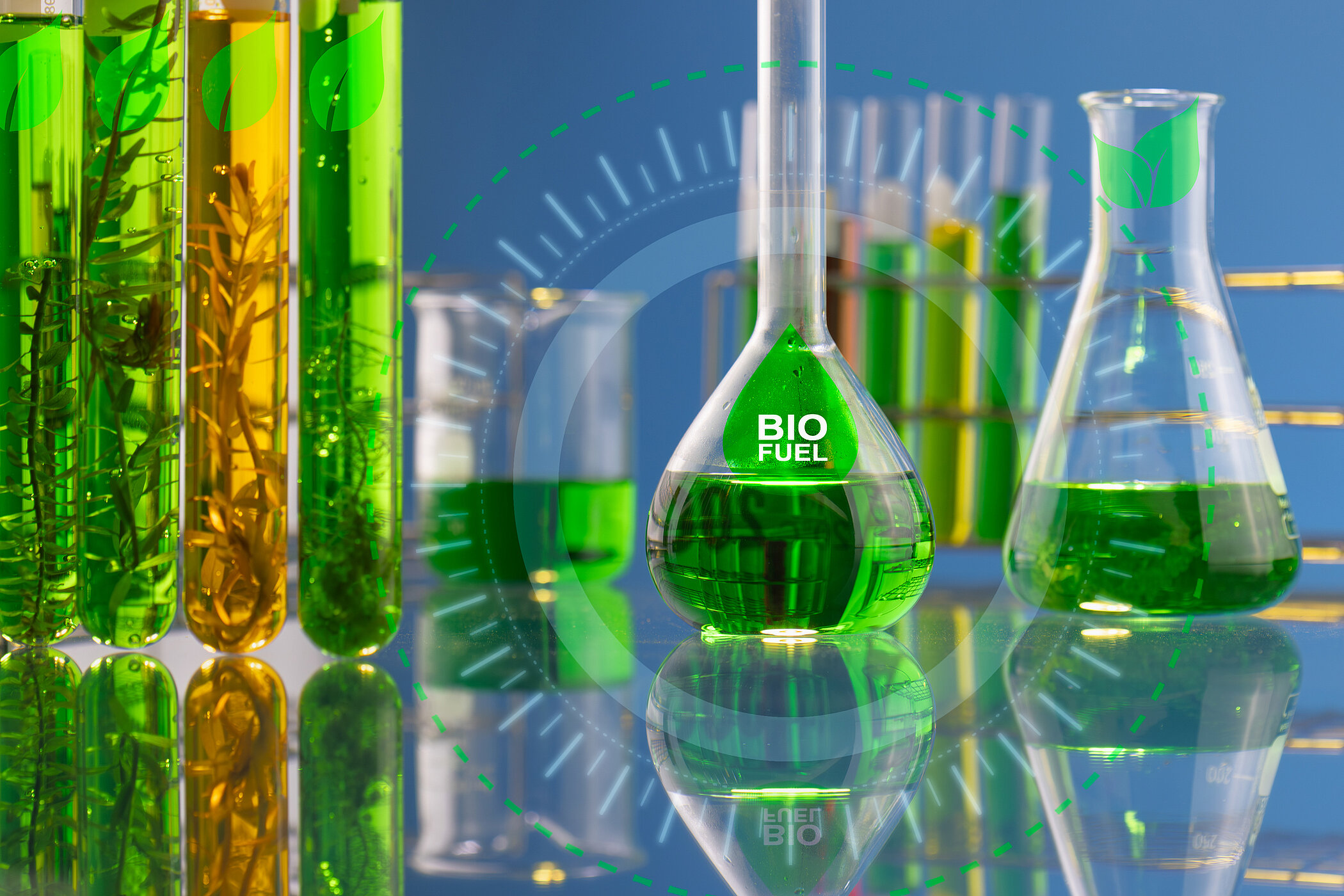
How can the transition to renewable fuels be managed? What obstacles are hindering its way to a market implementation in Europe? And how can the interests of society, policy, and industry be reconciled?
A secure energy supply is one of the cornerstones of our society, but geopolitical crises and the anthropogenic climate crisis are forcing radical reassessment. Decarbonization and a transition away from fossil fuels are no longer just options but necessities. This is precisely where the ETIP-B2026-2028 project comes in: It analyzes how advanced biofuels can accelerate the transition to an independent bioenergy supply.
Challenges: While many sectors can be electrified, sectors such as aviation and shipping will remain dependent on carbon-based energy sources for the foreseeable future. Next-generation biofuels offer a solution here: They replace fossil fuels, leverage existing infrastructure, and – unlike earlier generations – do not compete with food production. But technological maturity alone is not enough; implementation often fails due to regulatory or economic hurdles.
Objective: Under the lead of BEST, an international team of experts – including the ITA at the Austrian Academy of Sciences (OEAW) – is pooling its expertise to drive dialogue on potential solutions. Through co-creation processes, this project looks at earlier results of ETIP and brings together stakeholders from research, industry, and policymaking to develop a well-founded strategy for the EU Strategic Energy Technology Plan (SET Plan). The ITA contributes its transdisciplinary experience to complement ecological necessity with economic and social feasibility, thereby maximizing societal benefits.