Fabian Sarga is a PhD candidate at the Institute for Near Eastern Archaeology at the Freie Universität
Berlin, where he is working on the Political Ecology of Water: an Archaeology of the Qanāt Landscape in Vārāmin, Iran.
This presentation will discuss a methodology for reconstructing past landscapes in connection to water
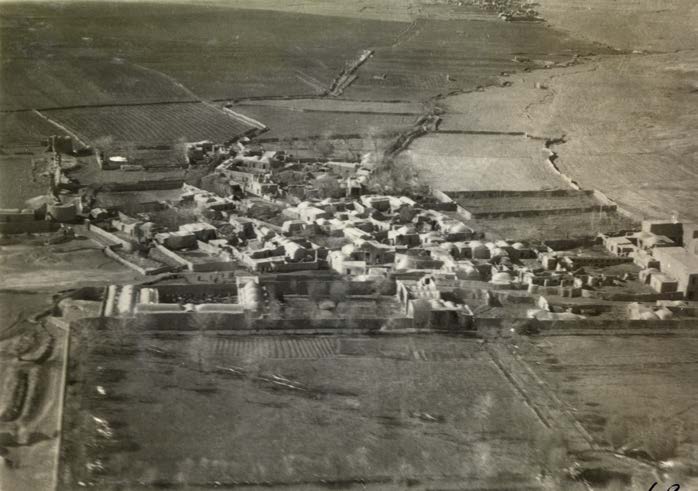
management systems which mainly combines documentary research and remote sensing. The documents consisted of for example a Safavid-era collection of farmān documents (edicts issued by the ruler’s secretariat), legal court cases, etc. while the remote sensing was based on historical aerial as well as satellite imagery but also historical cartographic sources, among other primary sources. This methodology was applied to the peeling back of landscape layers from the 16th c. CE to the 21st c. CE in Iran. My work focuses on the reconstruction of water management systems both physical, social, political, economic, and ecological. These systems consist of qanāt (kāriz) lines, a technology used for accessing underground aquifers through the construction of tunnels. I will focus on one case study in Iran within the province of Esfāhan during the Safavid era and I will broadly discuss my current PhD thesis which has the Political Ecology of the qanat system of the Vārāmin plain (near Tehran) as its topic.

Joint Lecture Series of the Cluster of Excellence EurAsian Transformation in collaboration with the UNESCO Chair on Archaeological Ethics and Practice in Cultural Heritage and the Institute of Medieval and Early Modern Studies at Durham University. Supported by University of Vienna and the Young Academy of the Austrian Academy of Sciences.