



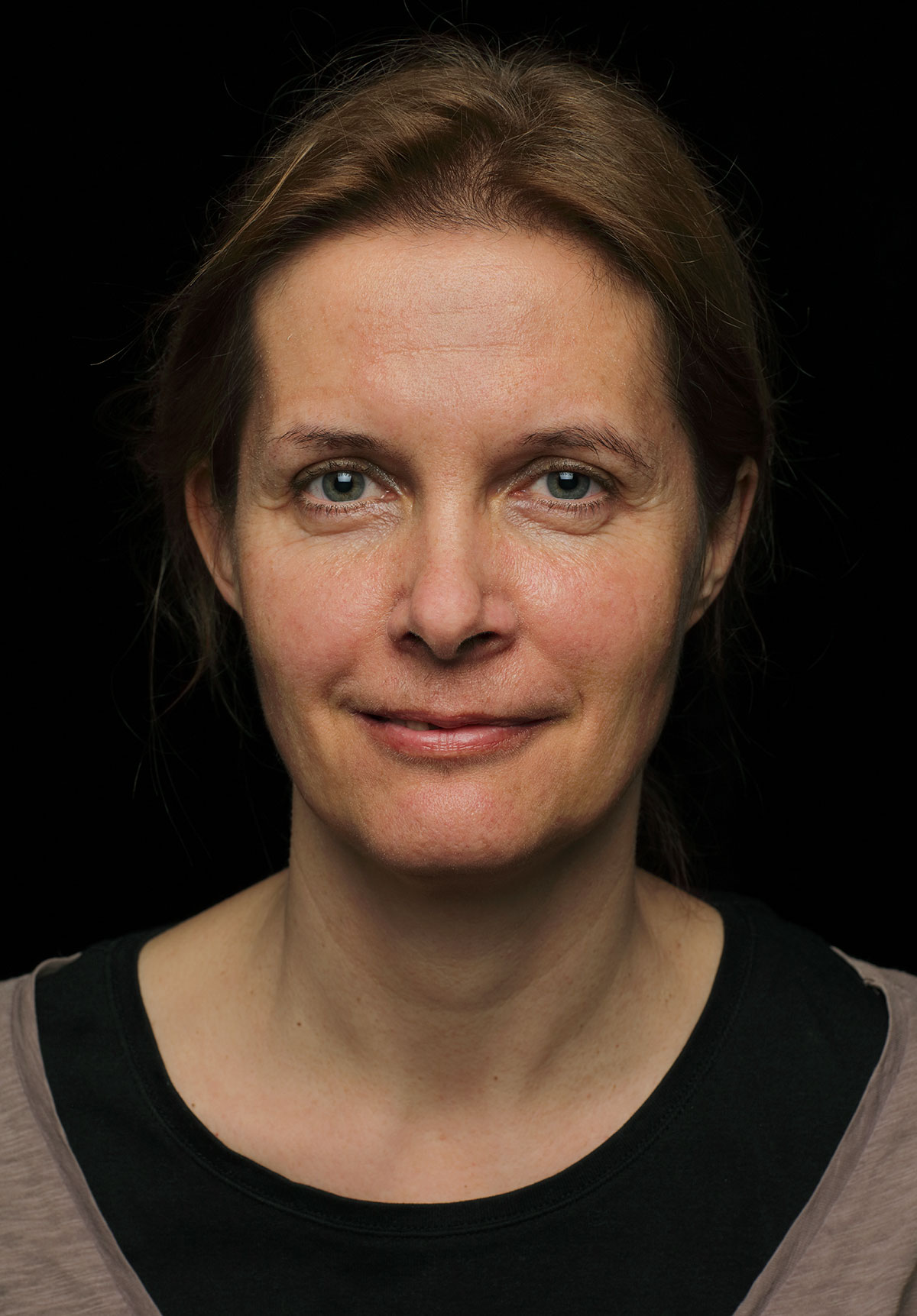
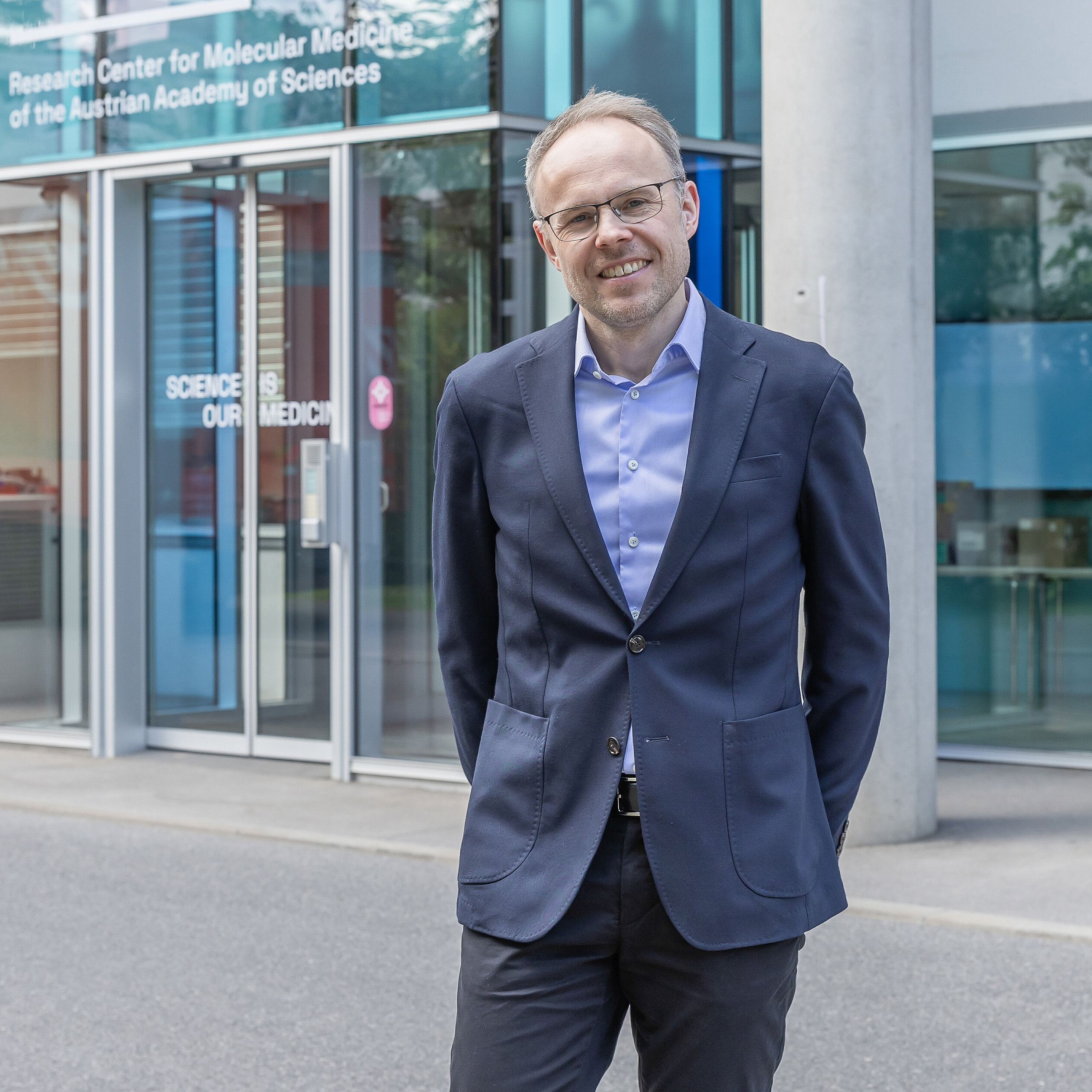
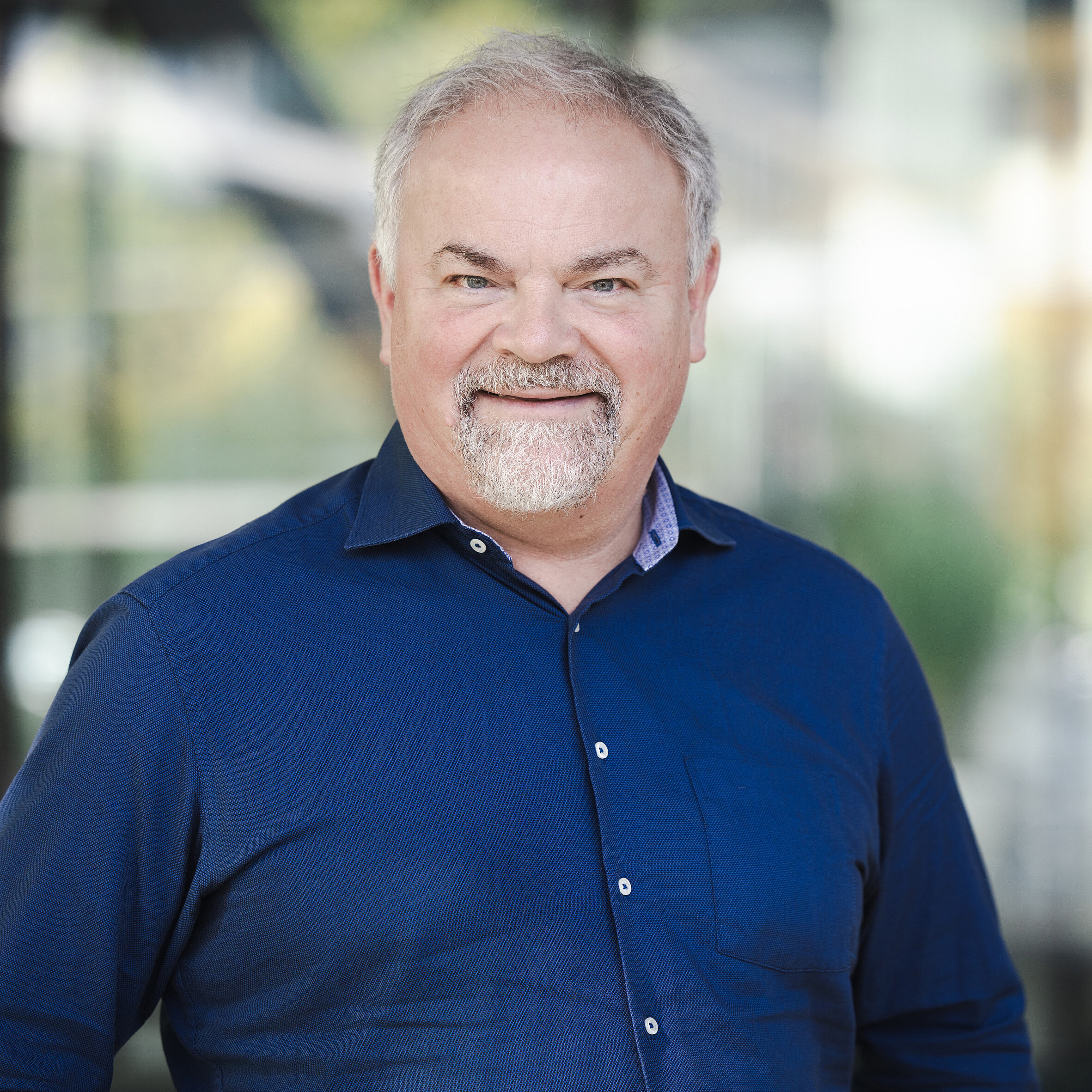
From cancer therapy to the archaeology of ancient Egyptian cities and research into the human brain: three researchers from the Austrian Academy of Sciences (OeAW) have been awarded ERC Advanced Grants in the latest round. Computational biologist Christoph Bock, Egyptologist Irene Forstner-Müller and neuroscientist Jürgen Knoblich have thus been awarded one of Europe’s most prestigious research grants – with a total value of around 8 million euros.
Despite its medical breakthrough in blood cancer, CAR-T cell therapy has so far made little progress in the treatment of solid tumours. Christoph Bock, group leader at the CeMM Research Centre for Molecular Medicine of the Austrian Academy of Sciences (OeAW), aims to tackle this problem at its root. Using AI-supported in vivo screens in immunocompetent mice, the aim is to develop a new generation of CAR-T cells that are more resilient to the hostile microenvironment of solid tumours.
A key approach here is a form of ‘two-factor authentication’ for immune cells: with the help of AI, genetic switches are being designed that activate CAR-T cells only when they are actually present in tumour tissue – and not in healthy body tissue. This is intended to prevent dangerous side effects that arise when immune cells also attack the body’s own tissue. The most promising approaches will first be tested on human CAR-T cells in animal models, before future clinical trials are planned. The focus is on HER2-positive forms of bowel, lung and breast cancer. The project is receiving funding of around 2.5 million euros over five years.
Urban archaeology in ancient Egypt has, to date, received little attention compared with other areas of Egyptology. Irene Forstner-Müller of the Austrian Archaeological Institute of the Austrian Academy of Sciences (OeAW) is exploring a fundamentally new approach: the concept of liminality – that state of being in-between, of transformation and ambiguity – in Pharaonic cities.
City gates, harbour facilities, building entrances and the borders of cemeteries are examined as physical manifestations of liminal spaces. Two Egyptian cities serve as case studies: Tell el-Dab’a, the capital of the Hyksos rulers in Lower Egypt, and Kom Ombo, a regional centre of the Old Kingdom in Upper Egypt. Her research project thus goes far beyond purely architectural questions and explores the social processes that unfold in liminal spaces. The project is funded with around 2.7 million euros.
How does the human brain organise itself into functioning neural networks – and what happens when this process is disrupted? Jürgen Knoblich, Scientific Director at the IMBA – Institute of Molecular Biotechnology of the Austrian Academy of Sciences (OeAW), is seeking answers with the help of cerebral organoids.
Using state-of-the-art measurement techniques – ranging from electrical recordings to imaging of cell activity – the aim is first to identify which types of nerve cells are responsible for which network patterns. To this end, Knoblich’s team is relying on specially engineered ‘Chimäroid’ organoids, in which the ratio of excitatory to inhibitory nerve cells can be precisely adjusted. In a final step, organoid models of epilepsy and autism will be used, in conjunction with machine learning, to understand how the composition of cells determines the activity of entire networks. The project is receiving funding of around 2.8 million euros.
With these three new grants, the total number of ERC grants awarded to OeAW researchers since 2007 has risen to 95, supplemented by 8 Proof of Concept grants. In addition, the OeAW has been involved in a further 19 ERC grants. This makes the OeAW one of the most successful Austrian research institutions in securing these prestigious European research grants.
Photos may be downloaded and used free of charge for media coverage on the condition that the credits are given. All the images are original photographs; none of them have been edited using AI.
Astrid Pircher | Science Communication
Austrian Archaeological Institute
Phone: +43 1 51581-4060
astrid.pircher(at)oeaw.ac.at
Irene Forstner-Müller
Austrian Archaeological Institute at the Austrian Academy of Sciences
Branch office Cairo
T +20 2 273 623 56
irene.forstner-mueller(at)oeaw.ac.at