


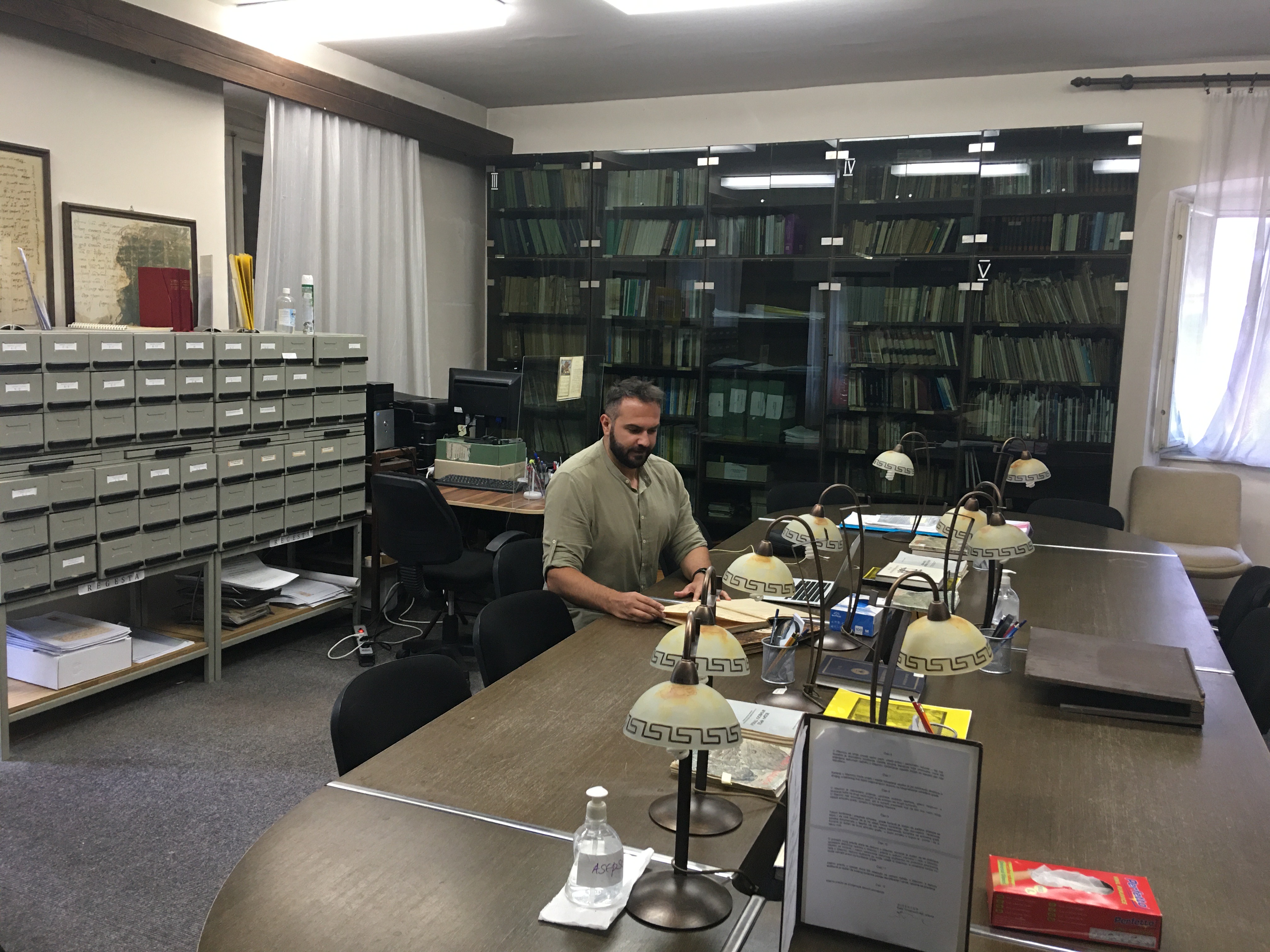
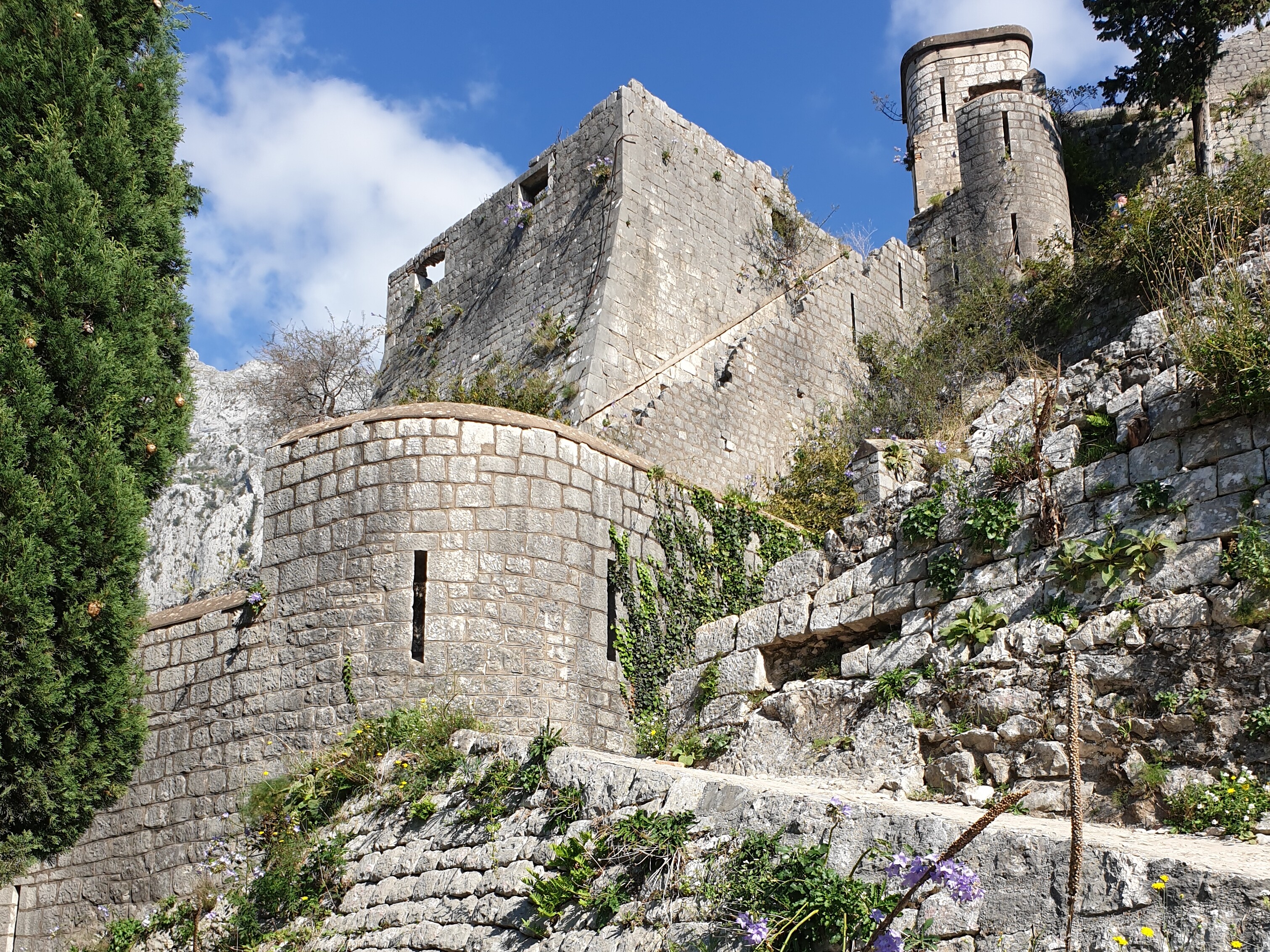
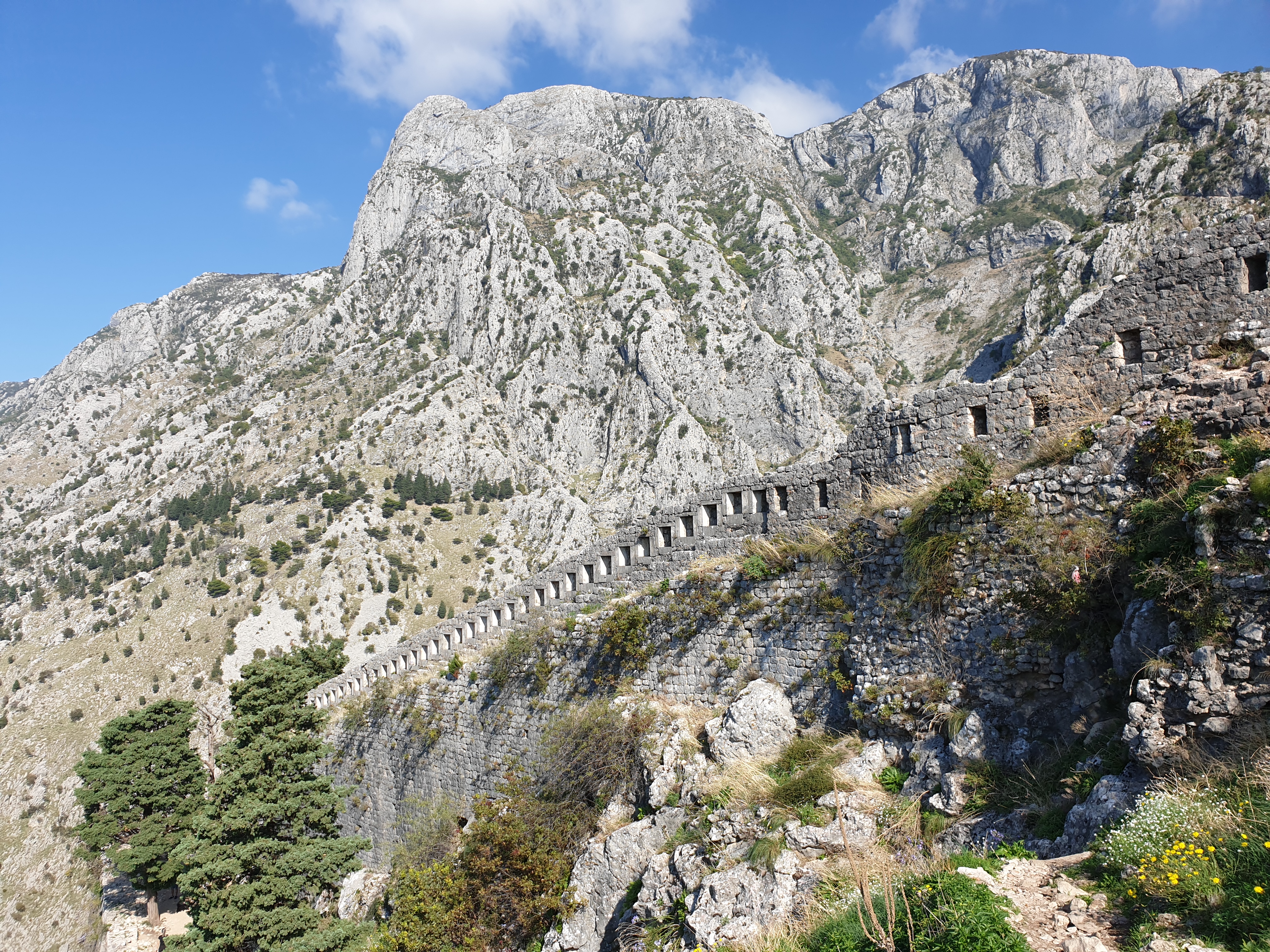
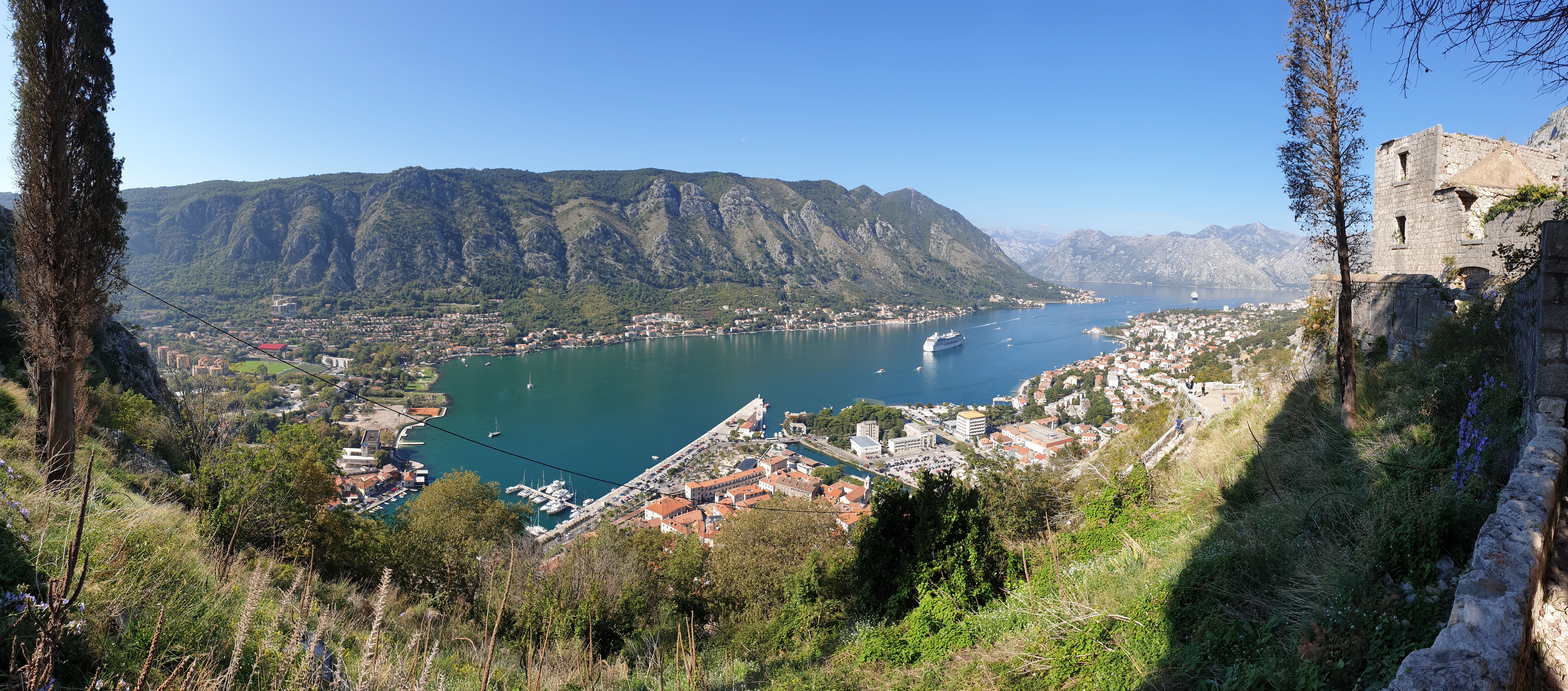
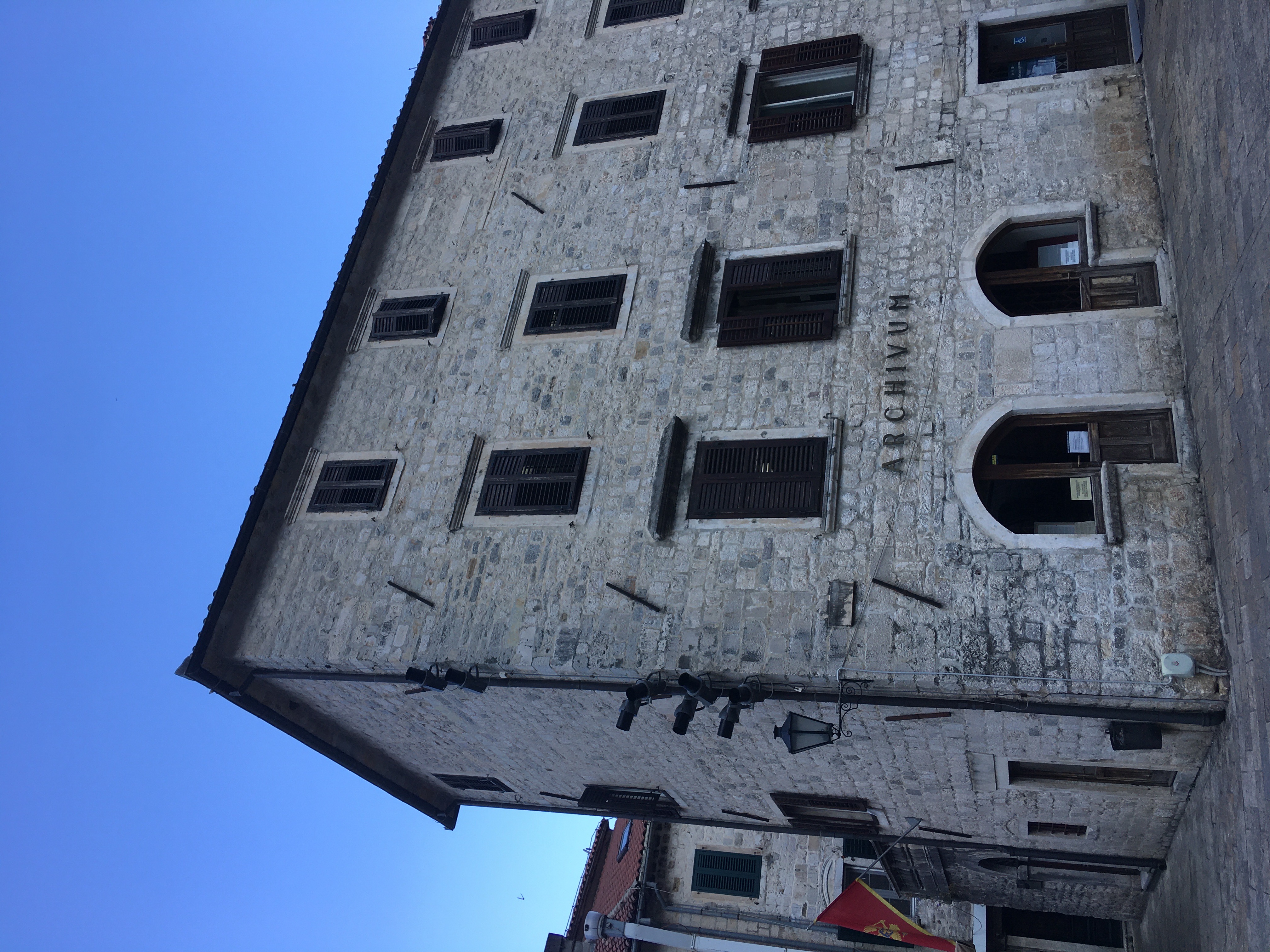
As part of the ongoing OeAI project on the former wartime port of Cattaro and the associated fortifications of the monarchy in Montenegro, archival work was successfully carried out on site in recent weeks. The historian Jovo Miladinović spent five weeks in Kotor, where he researched in the Historical Archive, the Bishop's Archive as well as in the library of the Maritime Museum of Montenegro. He focused on correspondence between the Habsburg military and civil authorities about the construction, repair and maintenance of fortifications and city walls, but also associated infrastructure such as roads, bridges, sewage systems, waterworks, harbour and square facilities, and civil, church and state buildings in general.
In addition, Jovo Miladinović's research focused on the local population in the Bay of Kotor and the neighbouring Montenegrin and Ottoman areas. The central question was how they reacted to the Habsburg building culture, which rapidly penetrated all areas of life. The examination of the same allows a look at Habsburg rule in the southernmost coastal areas of the monarchy and illustrates how this built environment was influenced and accepted by the locally resident regional actors.