


Our mission is to support all research groups and scientists at IMBA who use tissue culture in their work, ensuring that our efforts benefit as many researchers as possible. Submitted requests have to fulfill two criteria: they must be beneficial for multiple users, and the project must be scalable. Project priority is determined by these same criteria, with those offering the greatest benefit and scalability receiving the highest priority.
Our support is built on three core pillars: Procurement, Quality Control, and Research & Development.
Procurement
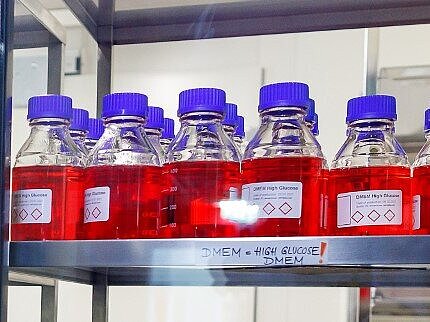
Variability in experimental outcomes across research laboratories often stems from batch-to-batch differences in recombinant growth factors and small molecules. To address this, we procure large batches of commonly used reagents, perform rigorous functional quality control, and distribute validated aliquots to participating research groups. Centralized procurement enables consistent reagent quality, streamlined tracking, and significant cost savings through bulk purchasing. We also coordinate the ordering and functional testing of new commercially available cell lines of shared interest, as well as quality control and centralized management of interesting lines generated by the groups on campus.
Quality Control

Our portfolio of quality control assays is tailored to the specific needs of the researchers. For commonly used cell lines, we provide standard assays assessing cell viability, proliferation rate, single-cell cloning efficiency and analysis of genetic identity & stability. Organoid-specific QC includes both standard and functional assay such as contractility testing for cardioids, size and morphology analysis, and immunocytochemistry for marker proteins.
To promote high standards of tissue culture across the institute, we manage bookable tissue culture space, provide contamination testing of laboratory spaces, and develop new standard operating procedures (SOPs) for adoption by the individual research groups.
Research & Development
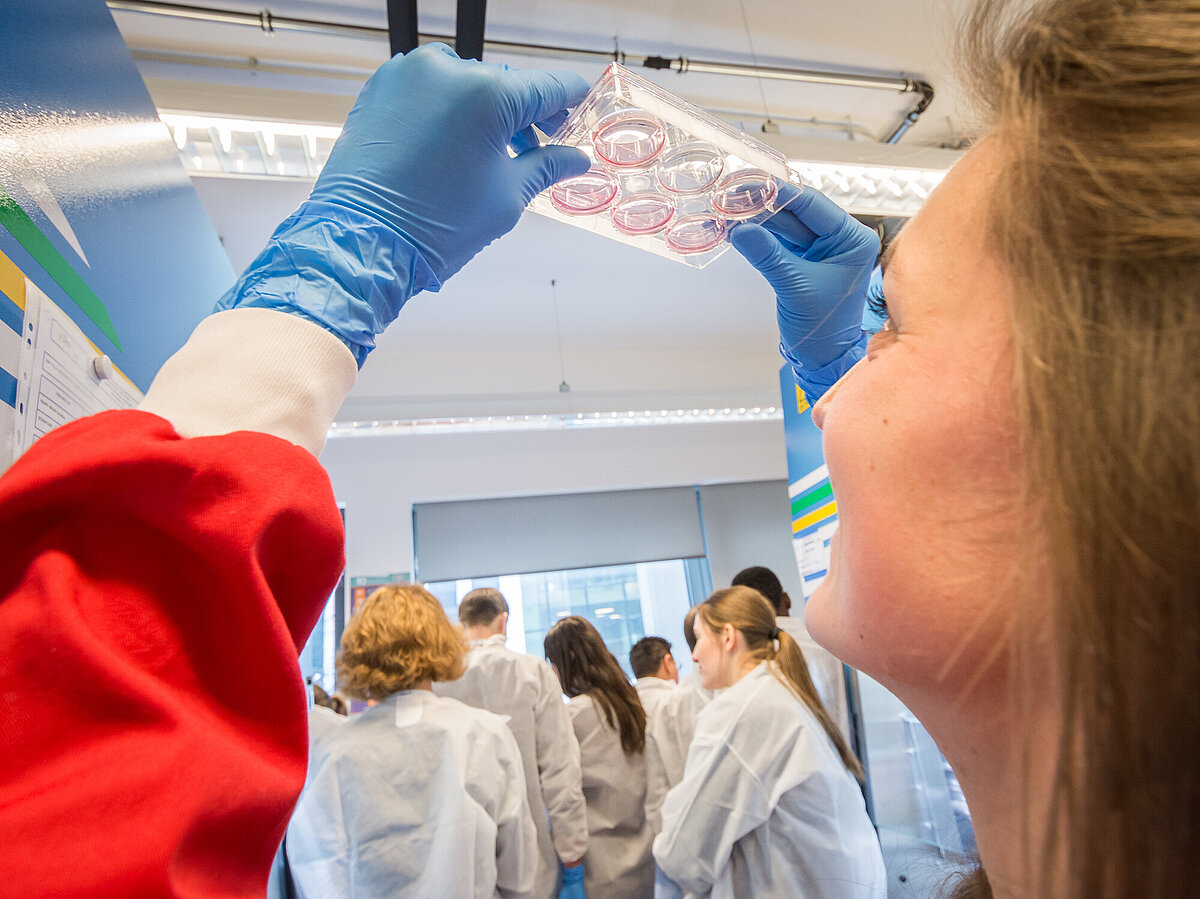
Researchers who identify new reagents with potential benefit for the broader institute but lack the time to evaluate them can submit a request to our unit. Further, we collaborate closely with the Molecular Biology Service to provide quality-controlled recombinant growth factors produced in-house, thereby significantly reducing costs.
In line with the vision of the newly established Robotics Department, we are developing a future-oriented, automated tissue culture platform. As part of this effort, we have recently acquired the Ramona Vireo™, an AI-assisted, high-throughput automated microscope.
Team
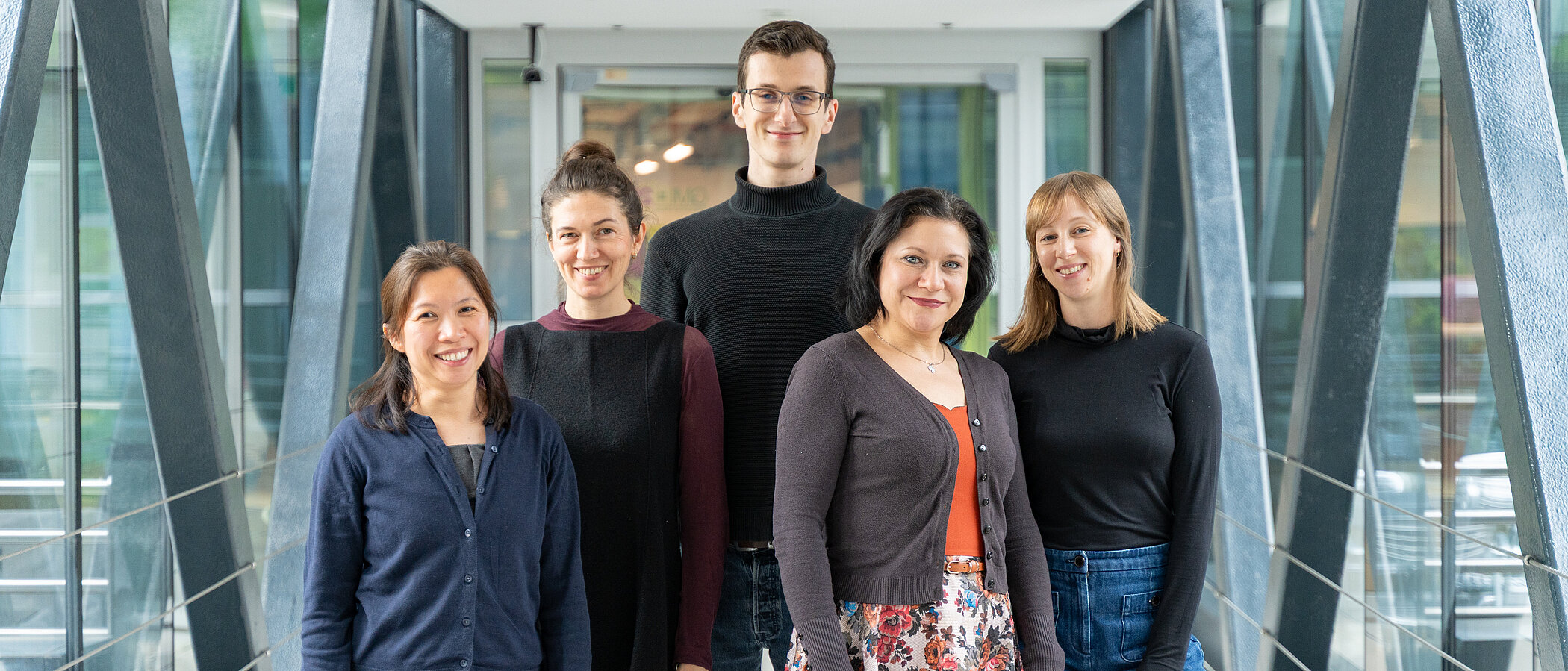
People
| Name | Position |
| Kirill Salewskij | Head of Tissue Culture Support |
| Elisabeth Stein | Research Assistant |
| Ellen Mosca | Research Assistant |
| Manuela Kinzer | Research Assistant |
| Michelle Foong-Sobis | Research Assistant |
| Mila Asparuhova | Research Assistant |
or find us in VBC Room 271.