


Kulal Tepa Archaeological Survey: A story of one valley in the Kugitang foothills, Uzbekistan
Hybrid Guest Lecture by Jakub Havlík | Charles University
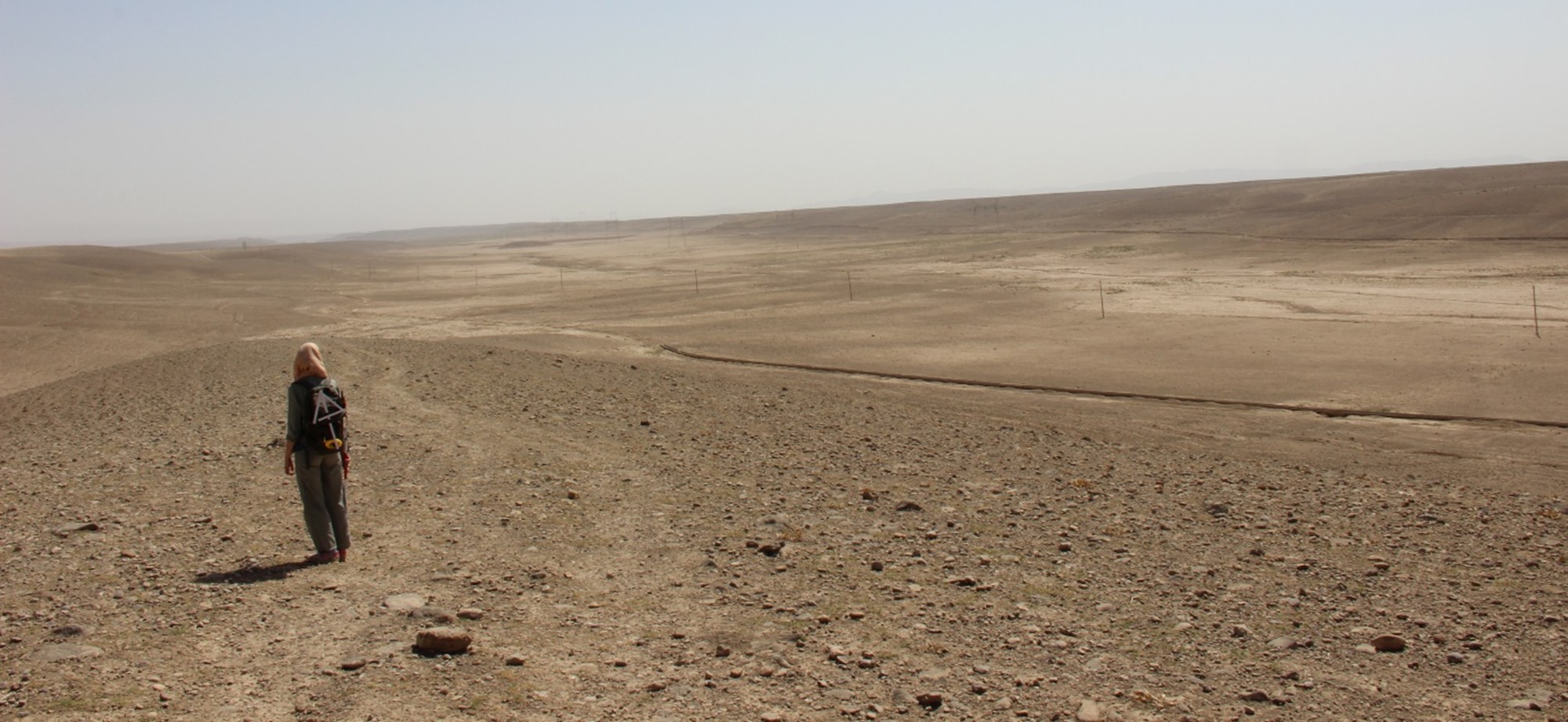
Abstract: The Kulal Tepa Archaeological Project (Charles University – Termez State University) focuses on a small rural settlement in southern Uzbekistan to better understand economic patterns during the Antique period in the foothills of Northern Bactria. This presentation outlines the survey component of the project, presenting recent data collected over four field seasons (2023–2025). By combining a large-scale systematic surface survey with other methods (e.g., remote sensing, extensive survey, metal detecting, geophysics), the project evaluates past land use in the valley surrounding Kulal Tepa from a long-term perspective. Our data suggest that this valley was used predominantly on a seasonal basis throughout history. However, the identified artefact scatters indicate a peak period of intensive agricultural activity in Late Antiquity, coinciding with the settlement’s main occupation phase. These findings reflect transformations in human ecology within this foothill environment, which are likely linked to broader socioeconomic changes in Bactria following the decline of the Kushan Empire.
Jakub Havlík finished his bachelor (2015) and master (2018) studies at the Institute of Classical Archaeology (Faculty of Arts, Charles University). Since the beginning of his studies he has been focused on the settlement of Hellenistic East and its transformations after the graeco-macedonian conquest. In 2019 he was awarded Jan Palach Award for his master thesis “Settlement development of Hellenistic Bactria”. His project “Kurgan Burial Grounds of Northern Bactria: A Contribution to Knowledge of Nomadic Peoples in Central Asia” (2017–2018) in southern Uzbekistan was financially supported by Faculty of Arts. During his master studies he attended the educational exchange program at the Ludwig-Maximilians-Universität München, and participated on archaeological researches in Czech Republic, Bulgaria and Italy. Since 2015 he has collaborated on activities of Czech-Uzbekistani Archaeological Expedition in Uzbekistan. Within the scope of his doctoral thesis under the supervision of doc. Ladislav Stančo, Jakub Havlík examines settlement dynamics of Bactria in the Hellenistic and Kushan periods, and its transformations in the context of the dominating supra-regional states. At the same time, one of the subsidiary research questions is the issue of the city in ancient Central Asia.
For online participation please register at:
https://oeaw-ac-at.zoom.us/webinar/register/WN_i4A1IbEYSiygXu68-syScA
Informationen
Date
8 June 2026, 4:30 pm
Venue
Austrian Academy of Sciences
Postsparkasse, Seminar room 9 (5th floor)
Georg-Coch-Platz 2
1010 Vienna
Online registration
https://oeaw-ac-at.zoom.us/webinar/register/WN_i4A1IbEYSiygXu68-syScA