An ingenious mechanism by which Arabidopsis safeguards the integrity of its genome is uncovered by researchers at GMI – Gregor Mendel Institute of Molecular Plant Biology of the Austrian Academy of Sciences. The paper is published in the journal…
When synthetic evolution rhymes with natural diversity
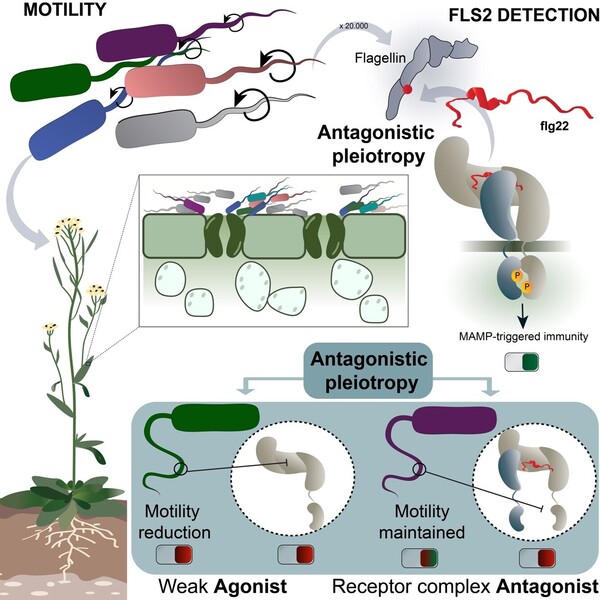
Two complementary approaches unveil a co-evolutionary mechanism between bacteria and plants and also explain complex immune response patterns observed in the wild. Together the papers change the way scientists have been thinking about the…
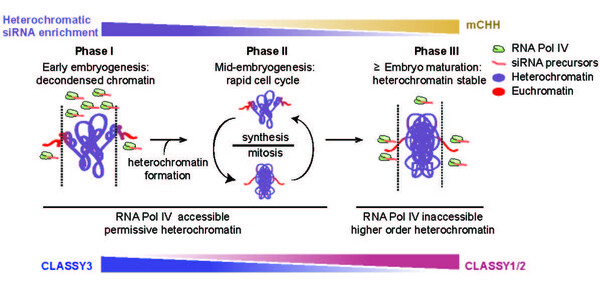
New research from the Nodine Group uncovers how chromatin affects siRNA expression
Chromatin in eukaryotic genomes is broadly divided into two classes: euchromatin, which are more open regions containing expressed genes, and heterochromatin, which is more densely packed and contains non-expressed regions including transposable…
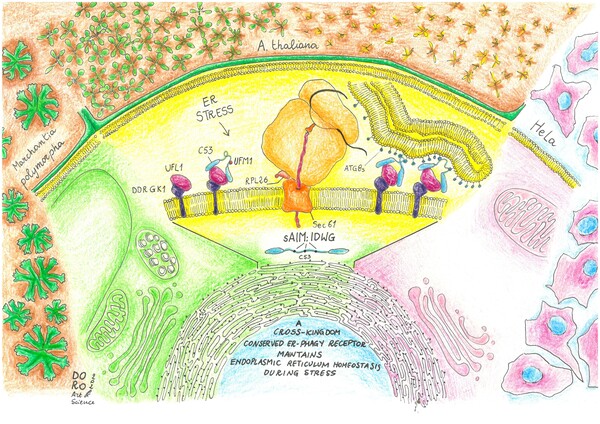
An ancient bridge between autophagy and quality control at the Endoplasmic reticulum
New work published in eLife, from an international team led by the Dagdas lab, has identified an evolutionary conserved protein that mediates recycling of the endoplasmic reticulum.
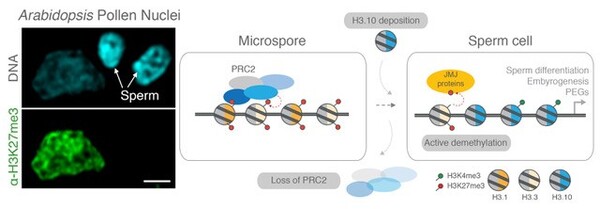
How plants forget - new work uncovers how epigenetic marks are specifically reset in sperm.
New work published in Nature Cell Biology from an international team led by Dr. Michael Borg, a postdoc in the lab of Dr. Frederic Berger, has uncovered the answer to a decades-old question - how do plants forget?
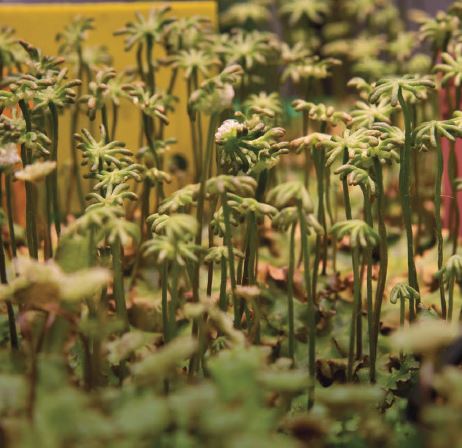
Analysis of the liverwort Marchantia polymorpha genome reveals an unexpected link between the regulation of transposons and genes regulating development in plants and animals.
The new work from an international team led by Frédéric Berger and his PhD Student Sean Montgomery at the Gregor Mendel Institute of the Austrian Academy of Sciences and by Chang Liu at the ZMBP at the University of Tuebingen was published today in…
MicroRNA dynamics and functions during Arabidopsis embryogenesis
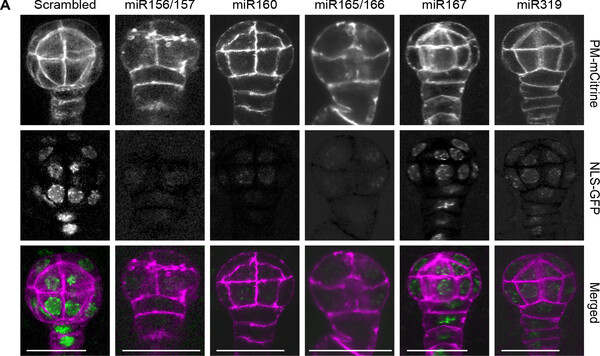
MicroRNAs (miRNAs) are short regulatory molecules that repress mRNAs, regulating development in both plants and animals. Students from the Nodine lab used high-throughput sequencing methods to profile miRNAs and their target mRNAs from developing…
Gene identified that will help develop plants to fight climate change
Plants with deep, robust roots can store more carbon underground for longer periods of time, reducing the amount of CO2 in the atmosphere. However, the genetic and molecular mechanisms that regulate remain largely unknown. The lab of Wolfgang Busch,…
Scientists discover a novel perception mechanism regulating important plant processes
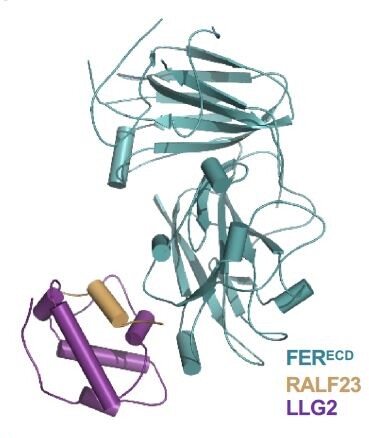
An international research team has revealed a novel mechanism for the perception of endogenous peptides by a plant receptor. The discovery of this activation mechanism sets a new paradigm for how plants react to internal and external cues.
This site uses cookies. They ensure essential functionalities of the website and enable us to continuously optimize content. Help us by agreeing to the collection of statistical data and the presentation of external multimedia content. You can change your cookie settings at any time. Further information can be found in the privacy settings and by clicking the Data Protection Link.