


From Vienna to Nairobi: the first Vienna BioCenter ENABLE fellowship in action
28.09.2026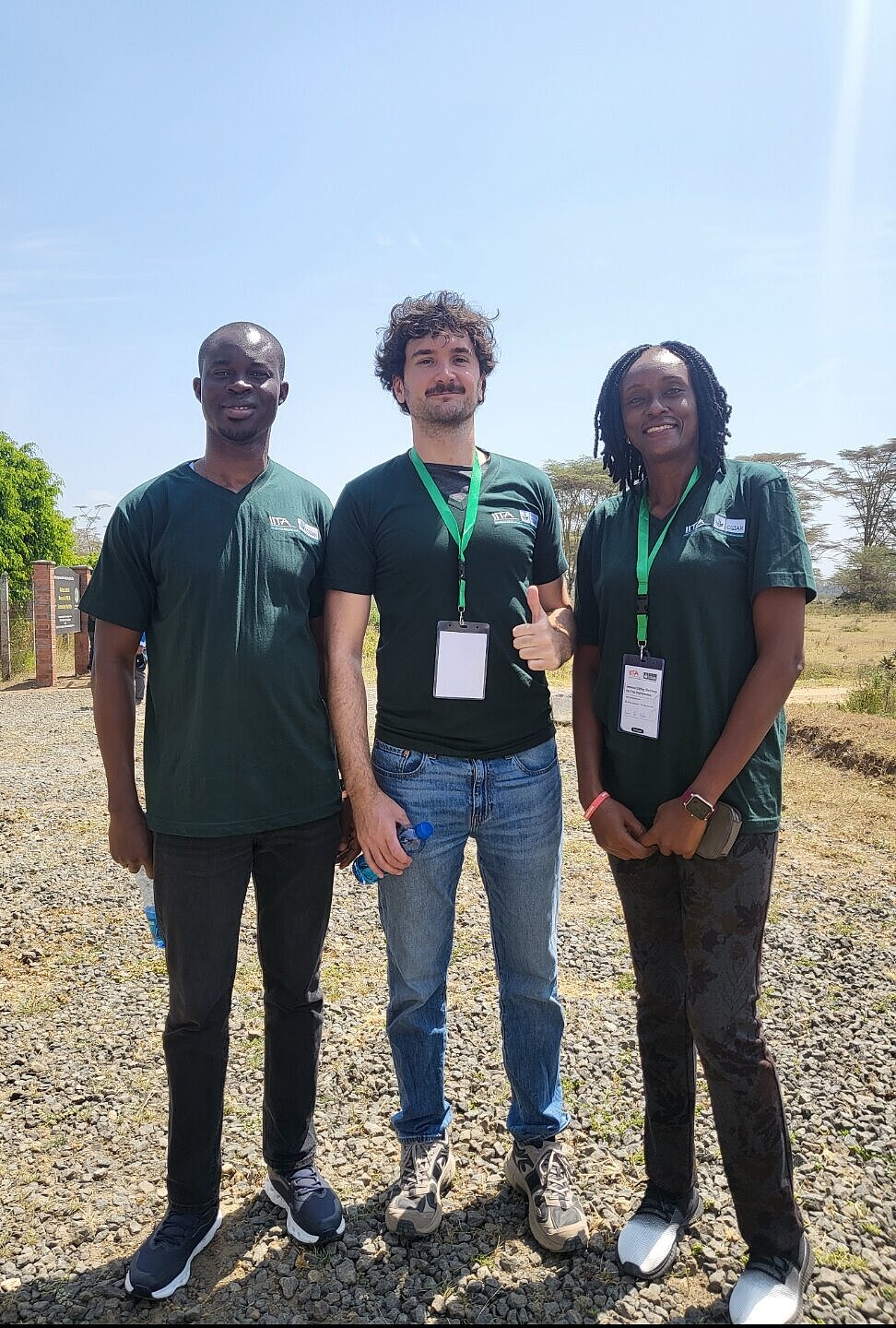
The journey began with an impromptu test of flexibility. Johannes had spent more than a year meticulously preparing his exchange, but shortly before his departure he learned that his prospective host was away on sabbatical. Johannes pivoted quickly, connected with Leena Tripathi at the International Institute of Tropical Agriculture (IITA), thanks to Steven Runo from Kenyatta University Nairobi. Leena Tripathi was happy to be the main host for his stay, and the trip could start.
For Johannes, that exchange meant getting to know research on crops he hadn’t worked with in Vienna, trading familiar model organisms – especially Marchantia – for staple crops vital to regional food security. At IITA within the International Livestock Research Institute (ILRI), he had the chance to dive into new fields such as gene editing in bananas, yams and date palms, gaining insights into different techniques and exploring approaches used in applied crop biotechnology. He also engaged in workshops and courses, participated in several conferences across different institutes in Kenya, and contributed to public outreach events explaining why gene editing matters for agriculture.
A field visit within the Genome Editing in Crops Training Workshop organized by IITA took him to the Maize Lethal Necrosis Screening Facility in Naivasha. There, researchers are testing which maize cultivars could resist maize lethal necrosis, a viral disease that can devastate harvests. Seeing molecular biology deliver direct, tangible solutions to problems farmers face offered him a whole new perspective on applied research - and an inspiring new direction for his future career.
What made the exchange truly memorable, however, was everything that happened beyond science. Alongside presenting at different institutes, connecting with peers at IITA, Kenyatta University, and Kenya Agricultural and Livestock Research Organization (KALRO), and several field trips with lovely colleagues, Johannes made new friendships in Nairobi. Life outside the lab was just as rich, from birdwatching, Nairobi’s nightlife to spending weekends observing East Africa’s incredible wildlife.
Creating these bridges of knowledge is exactly why the Vienna BioCenter established the ENABLE fellowship. The initiative offers finishing PhD students and postdocs in transition the chance to volunteer and exchange expertise at African academic or research institutions. Johannes’s advice to anyone tempted to apply? Plan early, expect a few surprises - and “DO IT!”
Interested in ENABLE?
Start by finding a placement at an African academic or research institution. TReND in Africa can help make connections; the fellowship guidance recommends contacting them at least six months before your planned stay. Once you have a confirmed placement, send your CV and motivation letter to Andrea Pauli. The Vienna BioCenter offers two fellowships of €1,500 each year to help with travel and expenses during the stay.