


Conserved rulebook for transposon silencing: How an expanding plant genome reorganizes its defenses
05.08.2026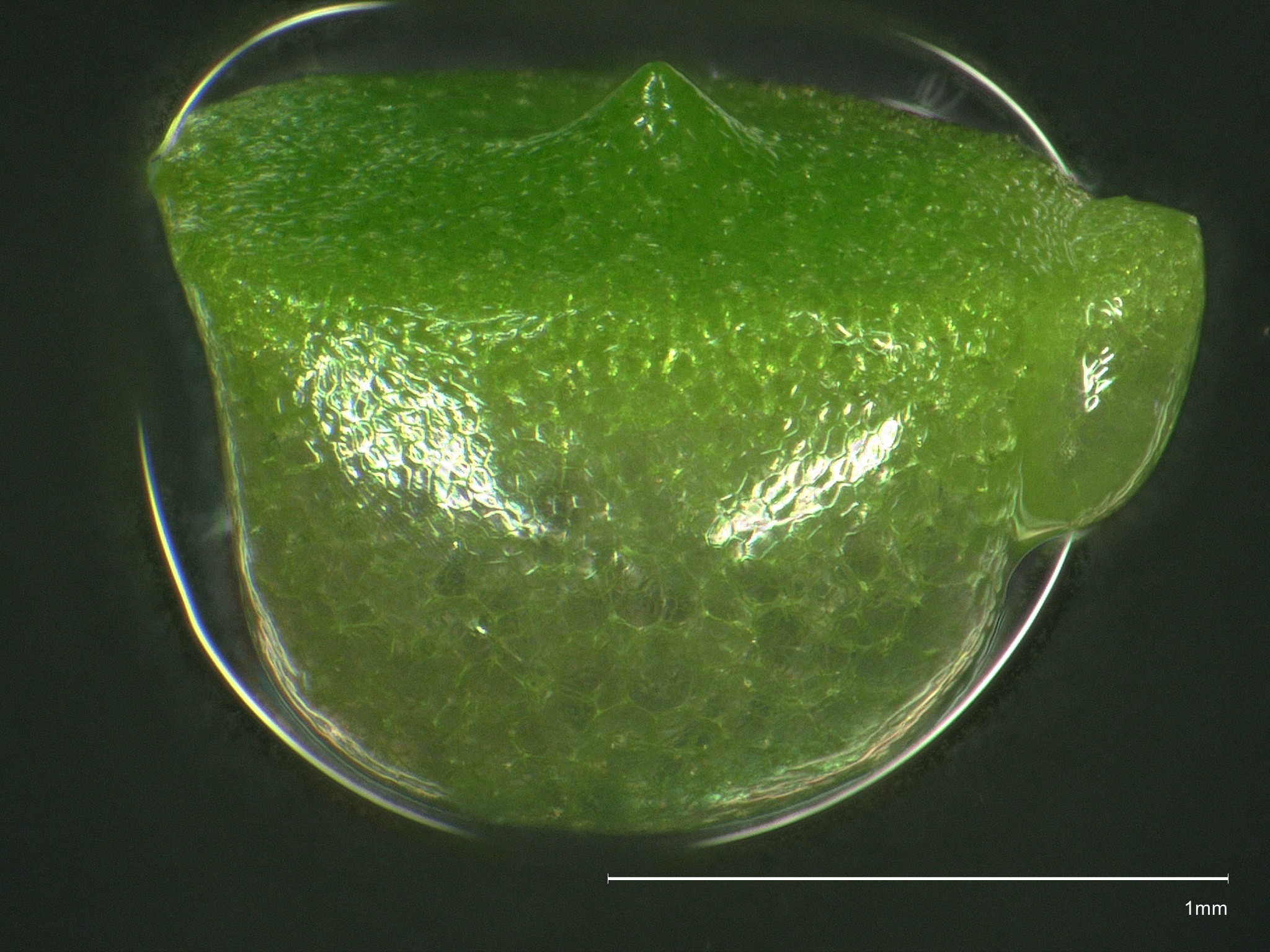
In many plants and animals, DNA is mostly made up of transposable elements, often called "jumping genes" - DNA sequences that can copy and insert themselves elsewhere in the genome. Left unchecked, they can multiply until they make up the majority of an organism's DNA, and their movement can disrupt important genes or reorganize the genome. To keep them quiet, plants use a silencing system: they produce RNA molecules that recognize transposons and flag them for DNA methylation, a process that switches the elements off.
This raises a question that has so far been difficult to answer: when a genome expands and fills up with transposons, does the silencing machinery simply do more of the same work, or does it have to be fundamentally reorganized? To address this, a team of researchers led by Daniel Buendía-Ávila and group leader Arturo Marí-Ordóñez at the GMI of the Austrian Academy of Sciences analyzed two closely related plant species with comparable silencing toolkits, but with different amounts of transposons in their genomes.
Close Relatives, Differences in Transposon Expansion
Duckweeds are an ideal system for this comparison. These tiny, flowering, and free-floating aquatic plants are among the smallest and simplest. Closely related duckweed species can have vastly different amounts of transposons, while retaining the same number of chromosomes and a similar overall genome structure. This lets researchers study the role of genome expansion more directly rather than attributing differences between the species to major genome rearrangements.
The team used two different duckweeds to investigate how transposon expansion might influence silencing mechanisms; Wolffia brasiliensis, whose genome has undergone extensive transposon expansion, and the transposon-poor Spirodela polyrhiza. Wolffia, a plant roughly only one millimeter across, has a genome of around 770 million nucleotides, nearly three-quarters of which is made up of transposons. Spirodela has a much leaner genome – about five times smaller – with transposons accounting for only about a fifth of the entire genome. To enable comparison, the researchers generated a new draft genome for Wolffia brasiliensis and mapped its transposons, revealing a recent burst of transposon proliferation.
Conserved Silencing Mechanism Despite Different Genome Size
When Buendía-Ávila and colleagues compared how each species silences its transposons, a clear picture emerged. The rules that determine whether an individual transposon gets targeted are largely the same in both duckweeds: longer and more intact transposons are more likely to be silenced. That basic mechanism is conserved despite the species’ large difference in genome size.
What changes with genome expansion is where those rules are applied. In the transposon-rich Wolffia, transposons are scattered throughout the genome, often close to or within genes. In Spirodela, transposons are confined to separate regions. This organization of transposons determines how the genes themselves are arranged and regulated.
Although both species apply finely tuned transposon silencing, in Wolffia this response is concentrated on transposons sitting close to genes. Farther from genes, precise targeting fades, and DNA methylation takes over, keeping transposons switched off.
Lessons from tiny plants
Genome expansion doesn't rewrite the rulebook; instead of creating new defenses, duckweeds with different genome sizes shift existing mechanisms to silence transposons. Strikingly, Wolffia manages all of this with a silencing toolkit that is missing components that many other plants rely on. This reduced, yet effective system, points to unexplored flexibility in plant silencing systems. The results reveal the importance of transposons in shaping the epigenetic landscape of duckweeds and offer insights into how plant genomes remain stable as they grow.