


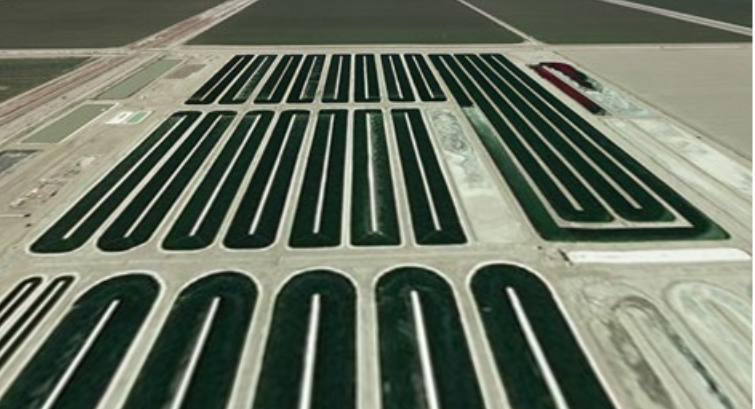
The new ITA dossier, authored by Karen Kastenhofer, Senior Scientist at the Institute for Technology Assessment (ITA) of the Austrian Academy of Sciences, takes a look at a decade of genetic modification of animals, algae and microorganisms, and asks how it has been discussed within European technology assessment institutions. In contrast to genetic engineering in plants in agriculture (‘green genetic engineering’) and genetic engineering in human medicine (‘red genetic engineering’), these groups of organisms are less of an issue.
"Genetically modified animals are mainly discussed in the biomedical field, for example when it comes to the provision of animal organs for transplant medicine. But their use in food production is also relevant. Breeding lines can be made even more productive and resistant to disease with new genetic engineering techniques", reports Kastenhofer. She names farm animals—specifically hornless or short-haired cattle—that can be adapted to new husbandry conditions in light of climate change as an example.
Kastenhofer continues to point out that the range of applications for genetically modified microorganisms is also becoming increasingly broad. The production of so-called biofuels is becoming particularly attractive against the backdrop of climate policy objectives such as emission reduction and energy transition.
However, Kastenhofer is convinced that there is still a lack of communication, exchange and debate in order to make such innovations responsible, democratic and acceptable to all those affected: “It is essential to try to include as many evaluation dimensions, perspectives and public opinions as possible. Approaches such as risk assessment, sustainability assessment and technology assessment are promising, and there have been some developments in this area. However, public dialogue is indispensable, and it should happen before mutual mistrust and insurmountable fronts have formed”, emphasises Kastenhofer.
Links
ITA Dossier No. 85 ‘Genome-edited animals and micro-organisms’
ITA project ‘New applications of genetic engineering in animals, algae and micro-organisms’