


The problem of “super-powered” persistent chemicals
13.08.2026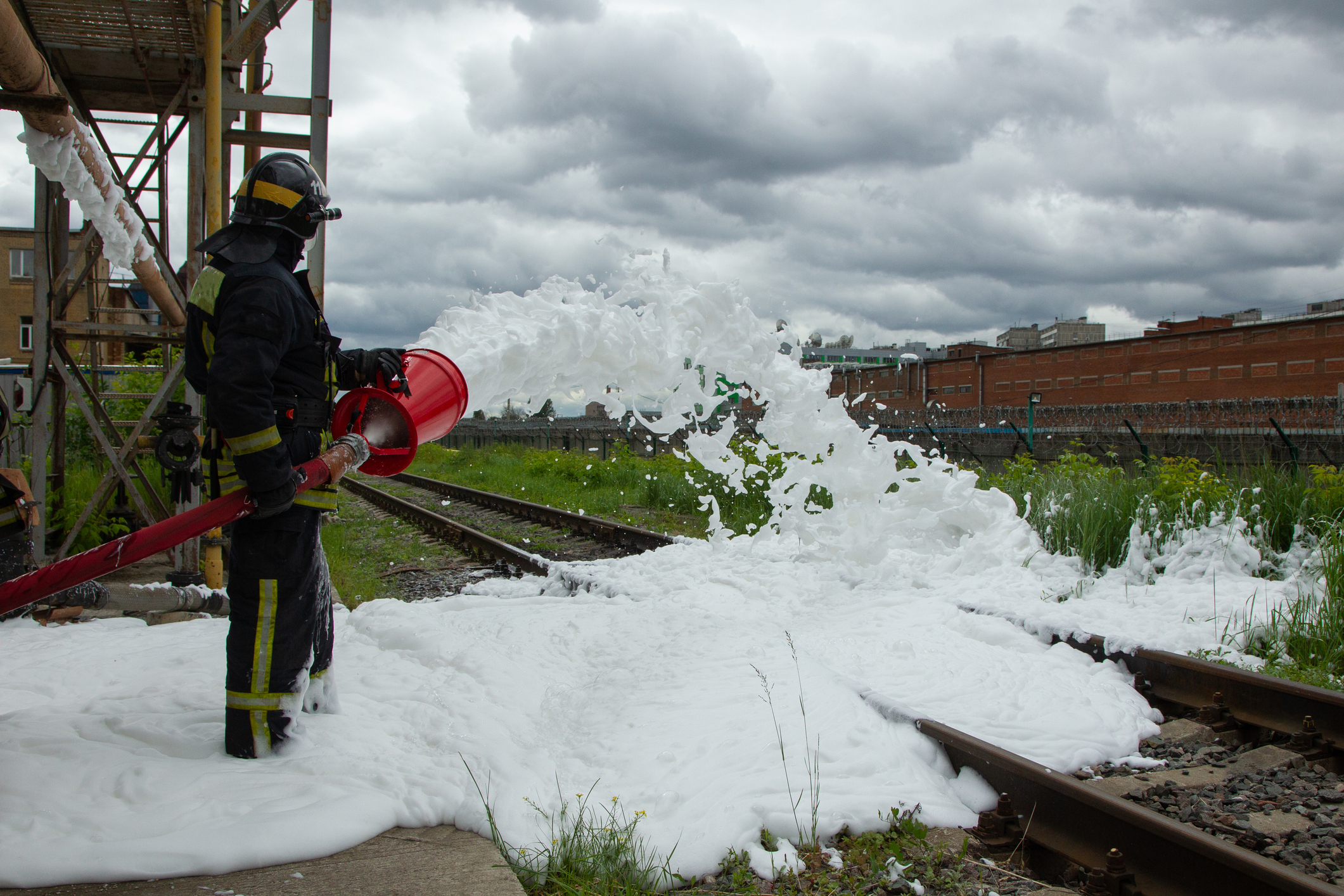
Per- and polyfluorinated alkyl compounds (PFAS) have remarkable properties. What makes them so interesting but also so controversial?
with exceptional properties that make them attractive for numerous applications. They are used, for example, in nonstick coatings, waterproof clothing, and firefighting foams. But it is precisely these properties—their thermal and chemical resistance—that pose a problem: once released into the environment, they are extremely difficult to break down.
Where are perfluorinated and polyfluorinated alkyl compounds found, and what effects do they have on us?
Schmitt: PFAS have now become widespread. They have been detected in the most remote regions of the world, regularly appear in blood samples from humans and wildlife, and are linked to a wide range of adverse health effects, such as a weakened immune system or liver damage.
In the new 71st Nanotrust Dossier, you use the headline “A Global Crisis for the Environment and Health.” Which aspects did you examine in detail?
Schmitt: The new NanoTrust dossier sheds light on this complex issue. Together with my colleague Gudrun Lettner, we explain how PFAS affect the environment and our health, the pathways of exposure, the current regulatory framework, and the societal costs resulting from illness and remediation. They make it clear how urgent it is to phase out the use of PFAS in order to prevent further emissions and develop alternatives.
With regard to potential regulation: what challenges have you encountered?
Schmitt: PFAS harm our environment and our health. At the same time, however, PFAS play an important role in critical sectors such as medicine and energy, as there are currently no suitable alternatives for some applications. When it comes to future materials and chemicals, this highlights how important it is to take environmental and health considerations into account from the very earliest stages of development and to anticipate potential long-term consequences for society.