


Larvae as plant protection? Collisions in space? – new ITA report for Parliament published
16.06.2026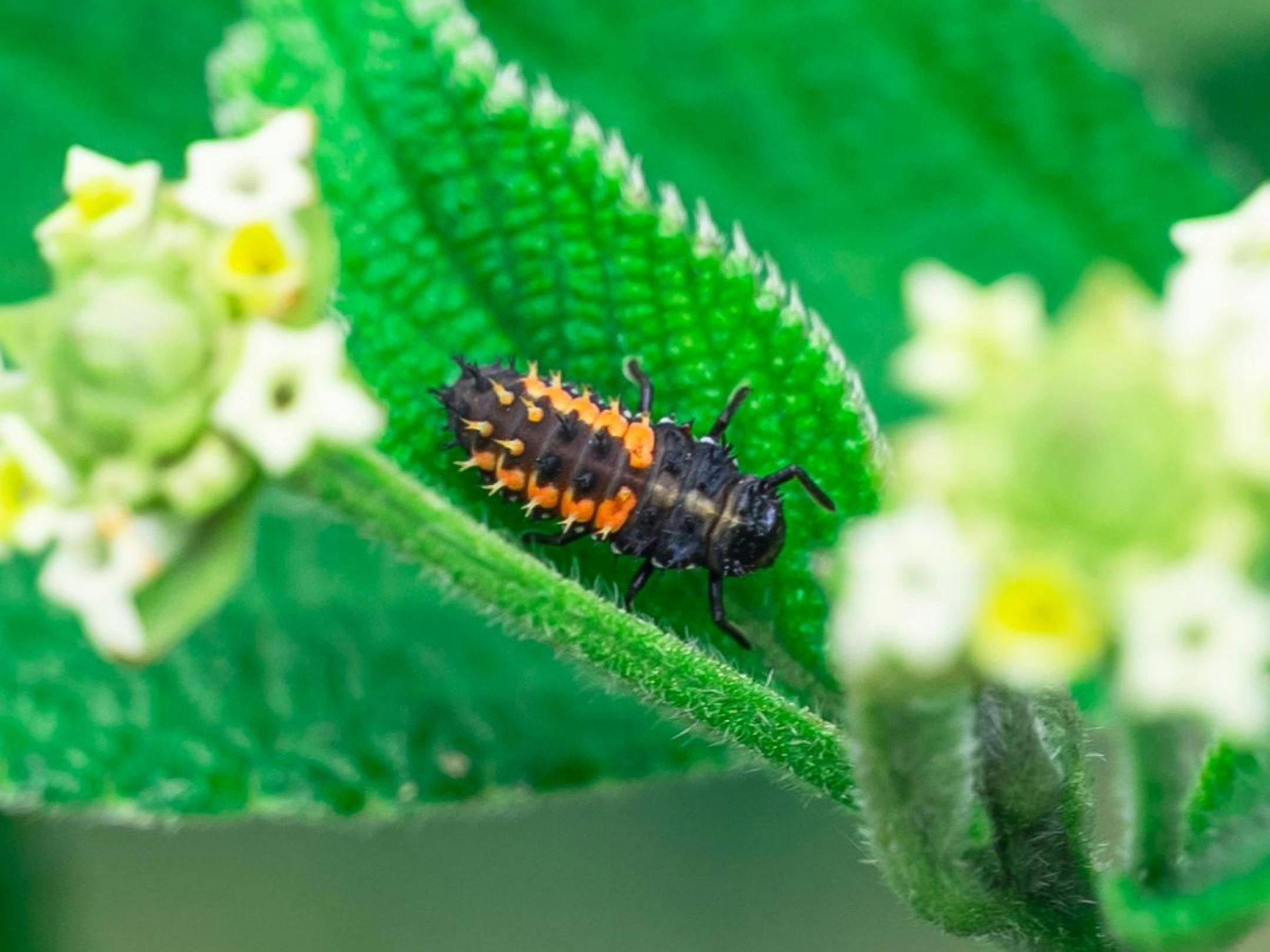
Natural plant protection through biopesticides
The widespread use of synthetic pesticides protects crops from pests. However, this often comes at the expense of the environment. Reduced biodiversity and increased health risks for the population are serious consequences for this development. Safe and sustainable alternatives such as biopesticides derived from natural substances from animals, plants, microorganisms or minerals, are urgently needed. They target specific pests more effectively, are less toxic and more readily biodegradable. In combination with other measures, such as mechanical methods, resistant varieties, and the protection and promotion of beneficial organisms, biopesticides represent a sustainable alternative that warrants further development.
The Challenge of Dementia
Dementia is a collective term for various conditions that impair memory, cognitive function and the ability to perform everyday tasks. Across Austria, around 170,000 people are currently affected by dementia, and due to demographic trends, this figure is expected to rise to around 230,000 by 2050. These numbers also represent an economic burden for the state. New technical and pharmacological developments promise improvements, for example, in risk assessment and (early) diagnosis using blood biomarkers, artificial intelligence or data collected via smartphones. New drugs are still in development or are suitable only for small groups. This makes technology assessment on this topic all the more necessary.
Overcrowded orbit
The sharp increase in satellites is causing growing problems in the most heavily used section of Earth’s orbit. It is already almost too full of satellites and space debris, and trouble-free use is becoming increasingly difficult. Further innovations, such as solar power stations or AI data centres in orbit, will exacerbate the problem. Overcrowding is already causing harmful light pollution and costly evasive manoeuvres. Asteroid impacts, even far from Earth, and cyberattacks could trigger a chain reaction of collisions. These could fail vital observation and control systems. Although the emerging use of very low Earth orbits initially involves less space debris, it does not solve the fundamental problem. Therefore, comprehensive international cooperation and regulation, particularly involving commercial actors, are urgently needed.
Quantum sensors
Quantum sensors use quantum phenomena to improve navigation, Earth observation and cell research. They could also enable new forms of surveillance. Their geopolitical and military significance call for a public debate. For whoever can exploit these capabilities could have a significant advantage over other actors – the so-called ‘quantum advantage’.
These and all other future-oriented topics inform parliamentarians about current socio-technical developments and provide independent expertise. The latest monitoring report proposes topics for further studies.
Links
For the Spring 2026 report, the following six socio-technical topics were identified as particularly relevant to Austria and the Austrian Parliament (all articles are available in German only):
1. Quantum sensors
2. The challenge of dementia
3. Biopesticides
4. AI and the labour market: deskilling and career entry
5. New technologies for chronic pain
6. Overcrowded orbit
The contents of the latest monitoring report are available as a PDF on the Austrian Parliament’s website: Foresight & Technology Assessment: Monitoring May 2026.
All of the nearly 200 future topics from previous years can also be searched for on the Parliament’s website under the heading ‘Future Topics’.
All topics from 2023 until Mai 2025 are available in English here