


AI in Europe
18.10.2023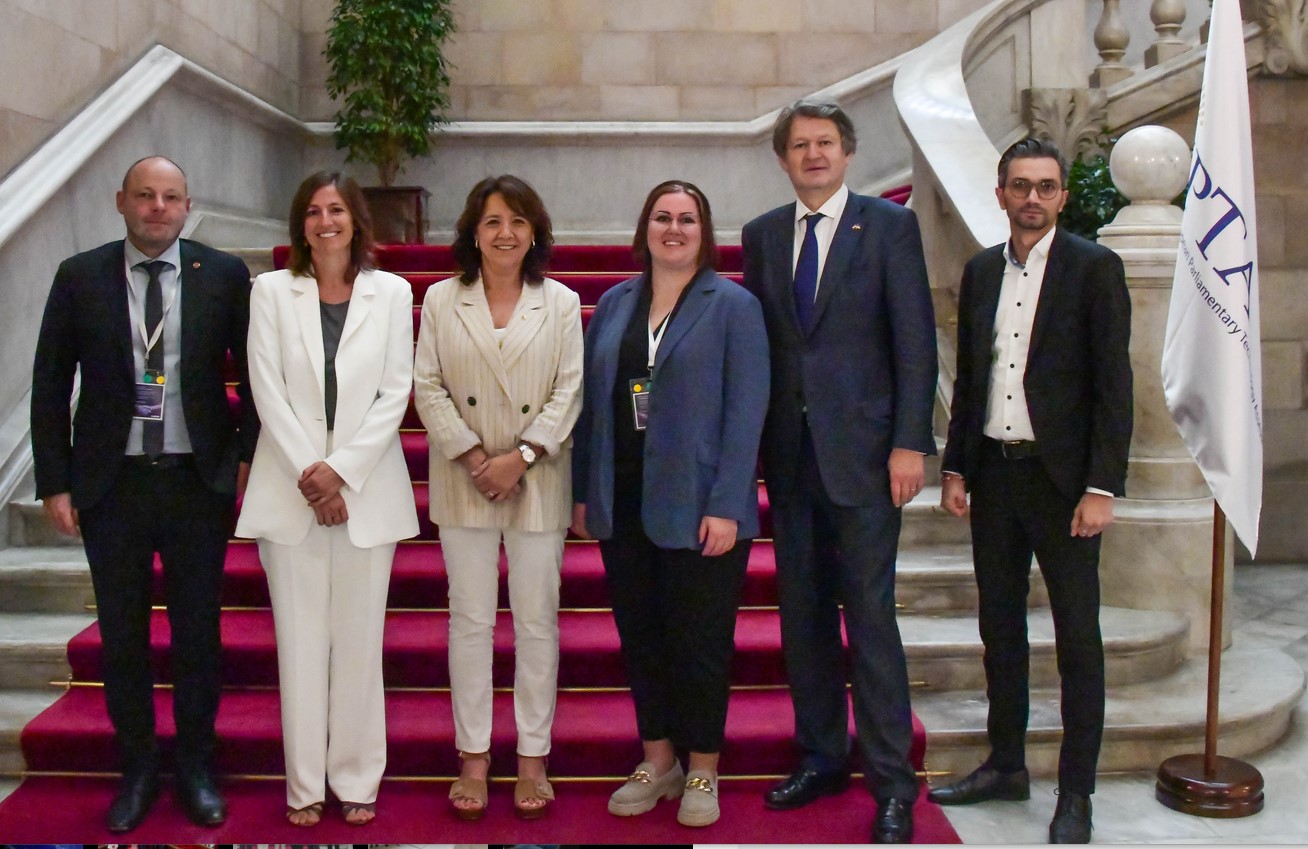
How does the use of Artificial Intelligence impact democratic societies? This important question was analysed in depth by representatives from science and politics at the annual meeting of the network "European Parliamentary Technology Assessment" (EPTA) in Barcelona on October 9.
NEOS, OEVP, FPOE and Greens present
With Helmut Brandstätter (NEOS), Carina Reiter (OEVP), Thomas Spalt (FPOE) and Süleyman Zorba (Greens), more Austrian parliamentarians than ever before joined the meeting: "ITA has been a member of EPTA since 1993, and since 2017 we have regularly advised the Austrian Parliament. Therefore, we are particularly proud that this year representatives of four parties were on site to learn about the impact of artificial intelligence on democratic societies," says Michael Nentwich, Director of the Institute of Technology Assessment (ITA) at the Austrian Academy of Sciences. "Technology assessment sees itself not only as a valuable source of advice for policymakers, but also as a source of input for the discourse of democratic societies on how to deal with new technologies," says Nentwich.
Dealing with AI requires joint action
This time, the meeting focused on the growing use of Artificial Intelligence, as seen, among other things, in the use of ChatGPT, which is spreading at breakneck speed. "AI is a transformative force with profound implications for democracies and civil society," the organizers said. This makes the importance of European collaboration in tackling complex global problems all the more important.
As part of the meeting, EPTA presented its latest report "Generative Artificial Intelligence. Opportunities, Risks and Policy Challenges". It provides policymakers and the public with knowledge and expertise in order to responsibly shape the use of AI in Europe and to develop awareness for its limitations.