


Spaces to defend the use of Tibetan languages have been shrinking in Tibetan areas of China, as officials busily pursue Xi Jinping’s “Chinese Dream”. State-led education fosters pervasive use of written, spoken and signed Chinese and in the process Tibetans and their languages are said to become ra ma lug (“neither-goat-nor-sheep”). This talk foregrounds the experience of ra ma lug through an intimate, ethnographic portrayal of deaf Tibetans living in Lhasa city, through the lens of sign language, locally referred to as lakda, or handsigns. In lakda, ra ma lug is conceptualised in more positive terms and not as a largely negatively connoted, neither-nor situation. I show how young Tibetan signers defiantly occupy mixed and “in-between” spaces, thrive on and stitch together a new generation of being and of living, of writing and of signing, a creative, generative new space.
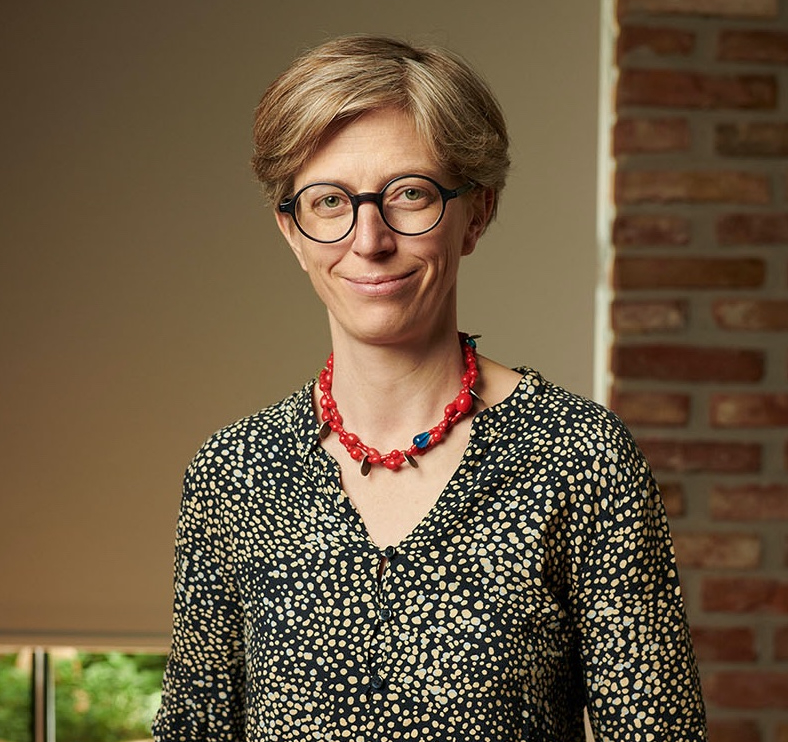
Theresia Hofer is Associate Professor of Social Anthropology at the Department of Anthropology and Archaeology, University of Bristol. Her research and teaching spans social, medical and linguistic anthropology and she has a long-standing regional focus on the Greater Himalaya, especially Tibetan areas of China. Hofer’s publications include Bodies in Balance – The Art of Tibetan Medicine (2014), Medicine and Memory in Tibet: Amchi Physicians in an Age of Reform (2018), both with University of Washington Press, as well as numerous journal articles and book chapters. Hofer curates museum exhibitions, co-creates video-based language collections for the online Endangered Languages Archive (ELAR) and is working on her next monograph, Handsigns from Lhasa: An Urban Deafnography from Tibet.