


Since late 2023, many scholars in Germany have reported experiencing self-censorship as a form of moral injury. They speak of a violation of deeply held values and a loss of dignity, and of a growing difficulty in inhabiting the role of the scholar to which they have committed themselves. In addition to being unable to express certain opinions, they find it difficult to speak openly about the anger, guilt, frustration, and disillusionment that self-censorship itself produces. Such double silencing leaves scholars isolated and self-doubting. Unable to share their vulnerability, scholars feel a loss of belonging. This situation is in part an effect of institutional self-censorship: academic institutions discourage socially and politically engaged discussion among staff in an effort to avoid controversy, protect funding opportunities, and preserve their image as a “safe space.” In these circumstances, confronting and addressing one’s moral injury can be a starting point for scholars to rebuild the immediate working environment and restore their capacity to act and speak.
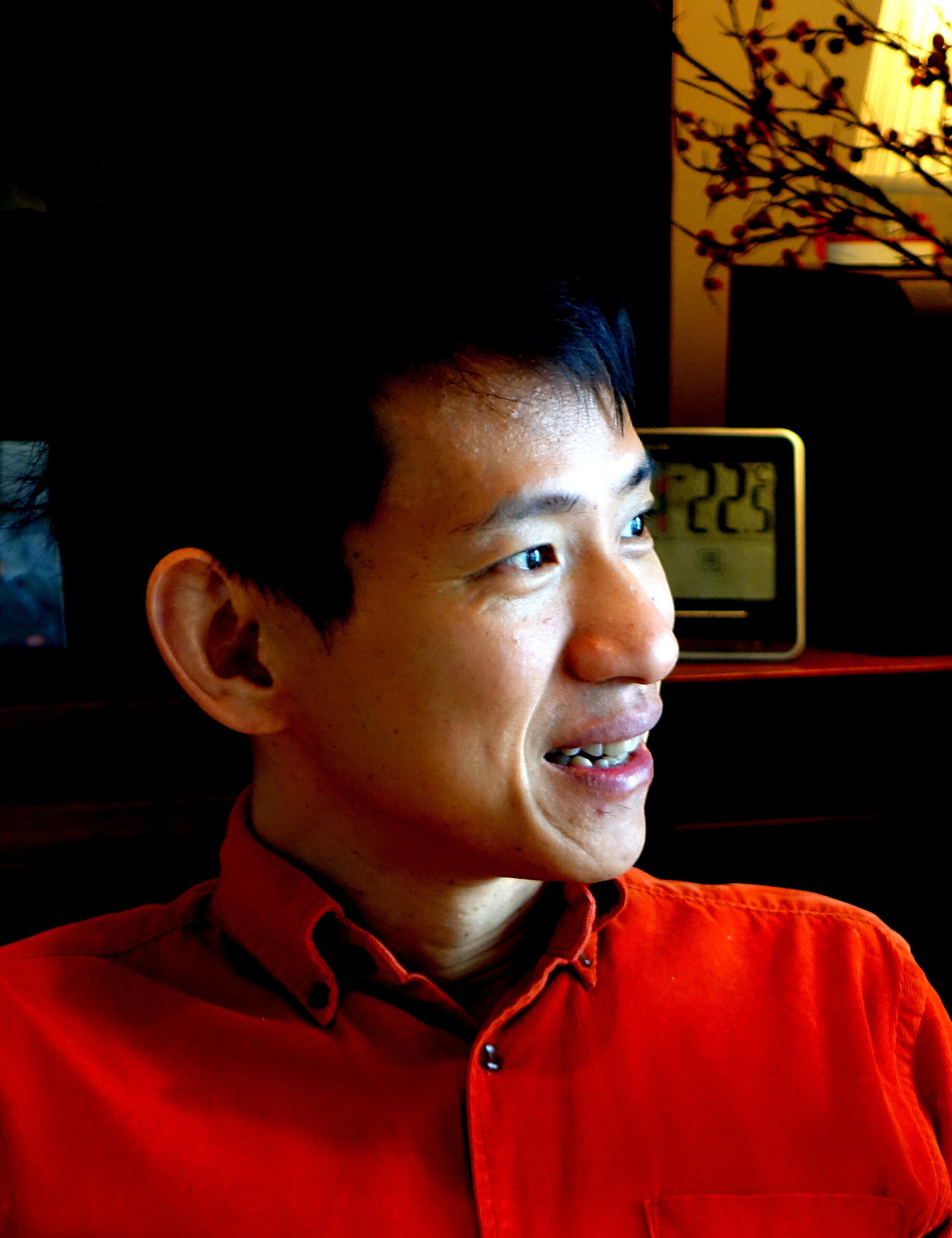
Born (1972) and raised in China, Xiang Biao is currently a director of the Max Planck Institute for Social Anthropology in Germany, and was a Professor at the University of Oxford before that. He has worked on migration and social changes in China, India and other parts of Asia. He is now exploring a “common concerns” approach in social research.