


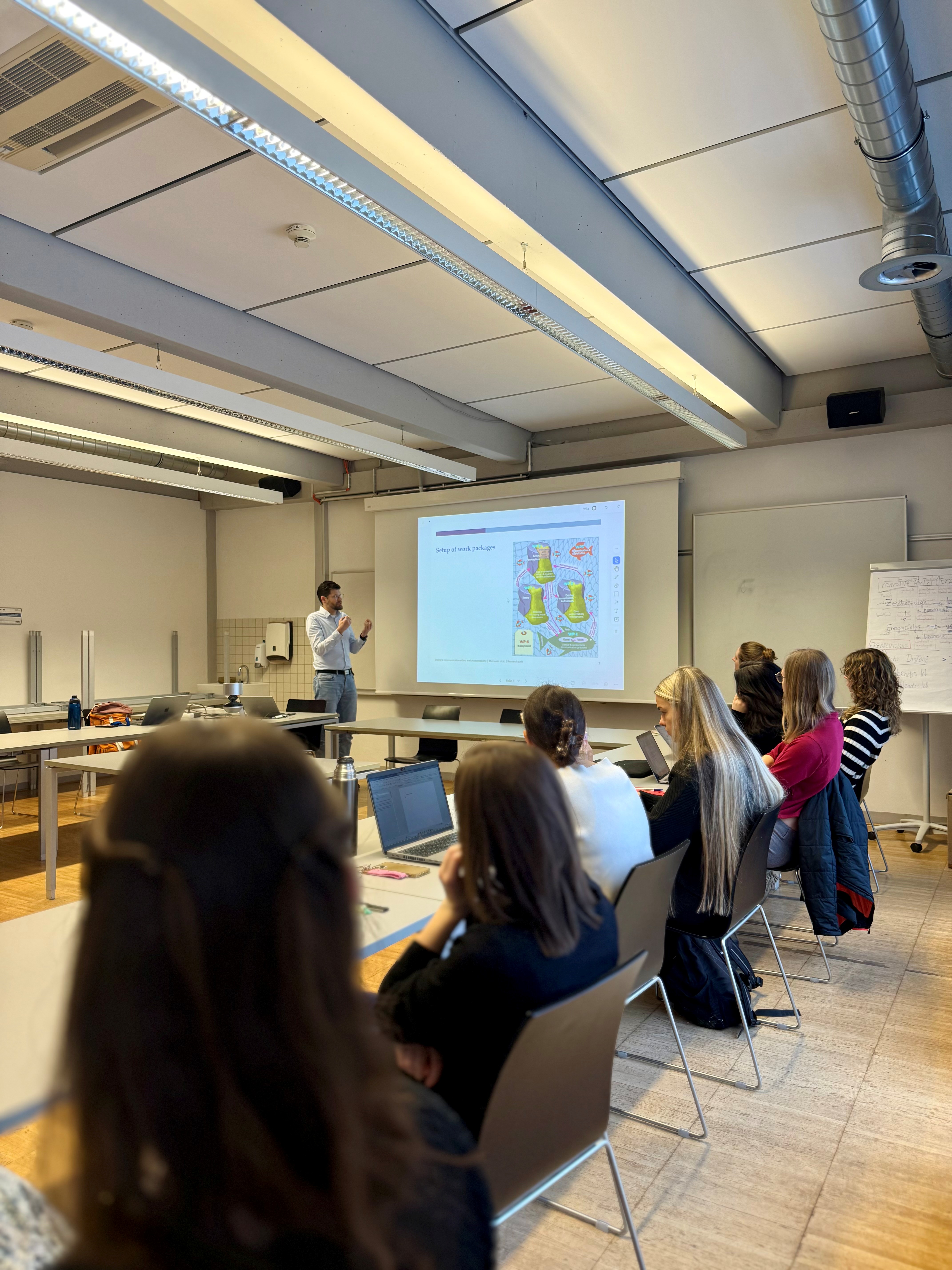
Digital communication has multiplied opportunities for interaction and participation. At the same time, it has intensified destructive communication practices carried out by actors who are not bound by professional standards or ethical obligations. Citizens often lack effective ways to hold media institutions and communicators accountable. DIACOMET addresses this gap by fostering civic resilience against information distortions and promoting civic accountability across Europe.
The agenda introduced the DIACOMET research approach and theoretical framework, followed by two main result blocks:
The discussion concluded with an outlook on how research results can be translated into practical implementation.
The presentation shows that accountability is still largely framed in professional and economic terms, while civil society perspectives remain marginal. DIACOMET’s outputs range from principles of good communication conduct and a database of ethical guidelines to educational materials, interactive learning tools and policy recommendations.
Das CMC veröffentlicht ab jetzt einige Texte auch in leichter Sprache (Deutsch):
Am 14. Januar 2026 haben Forscherinnen und Forsscher des CMC am Research Café an der Universität Klagenfurt teilgenommen. Arbeitsgruppenleiter Tobias Eberwein stellte Ergebnisse aus dem EU-Forschungsprojekt DIACOMET vor. Digitale Medien bieten viele Möglichkeiten zum Mitreden, führen aber auch zu Hass, Desinformation und unfairer Kommunikation. Viele Bürgerinnen und Bürger können Medien nur schwer zur Verantwortung ziehen. DIACOMET will das ändern und die Gesellschaft in ganz Europa stärken. Die Ergebnisse zeigen, dass bisher vor allem professionelle und wirtschaftliche Interessen zählen, während die Perspektive der Zivilgesellschaft oft fehlt. DIACOMET entwickelt deshalb klare Kommunikationsregeln, Lernmaterialien, interaktive Tools und Empfehlungen für Politik und Praxis.