


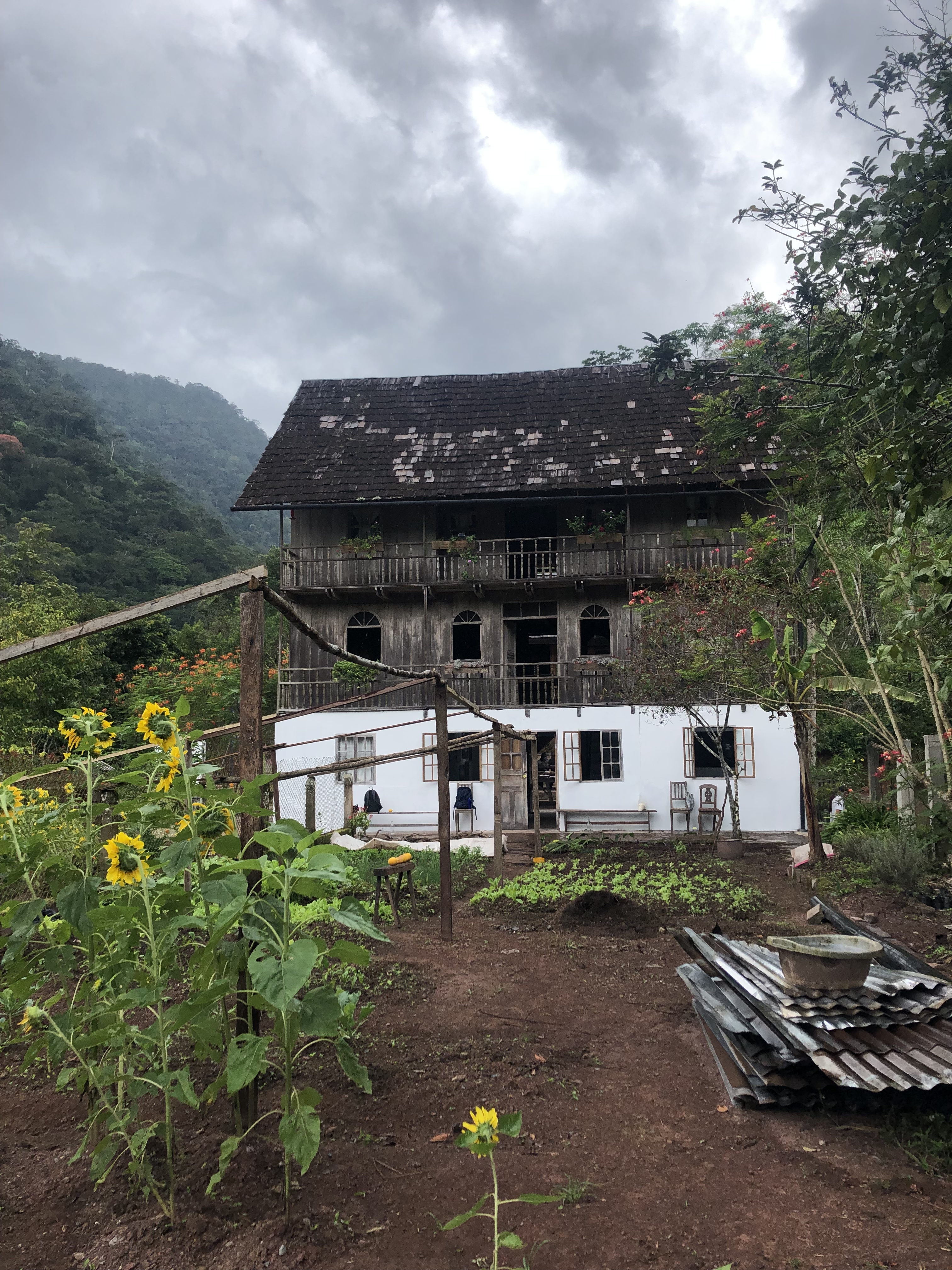
‘Migrant colonialism’ is an ERC-funded project which aims to compare settler colonies founded by Italian, German, and Japanese migrants across several South American states between the 1840s and the 1940s. It examines the political and economic designs behind these communities, on the part of both the sending and the receiving states, alongside the conditions of migrant life and agricultural work within the colonies. For the South American states, migrant colonies formed part of a racialised process of nation-state formation, serving as a tool of frontier conquest meant to replace Indigenous groups with settler families and commercial agriculture. For Italy, Germany, and Japan, they were part of a push to create zones of trade and political preference, explicitly conceived to extend each country's imperial reach. The wider aim of the project is to treat imperialism as a many-sided and often informal process, and to use it as a way of understanding the complex and violent restructuring of global power in this period. By spotlighting these informal dynamics, migrant colonialism can complicate established interpretations of colonialism and imperialism, and it can shed light on their legacies in South American societies and beyond.
Date
24 November 2026 | 4 PM
Venue
Campus ÖAW | Collegium
Seminarräume 1 und 2
Bäckerstraße 13
10 10 Vienna
Contact and Registration:
Pieter Judson