


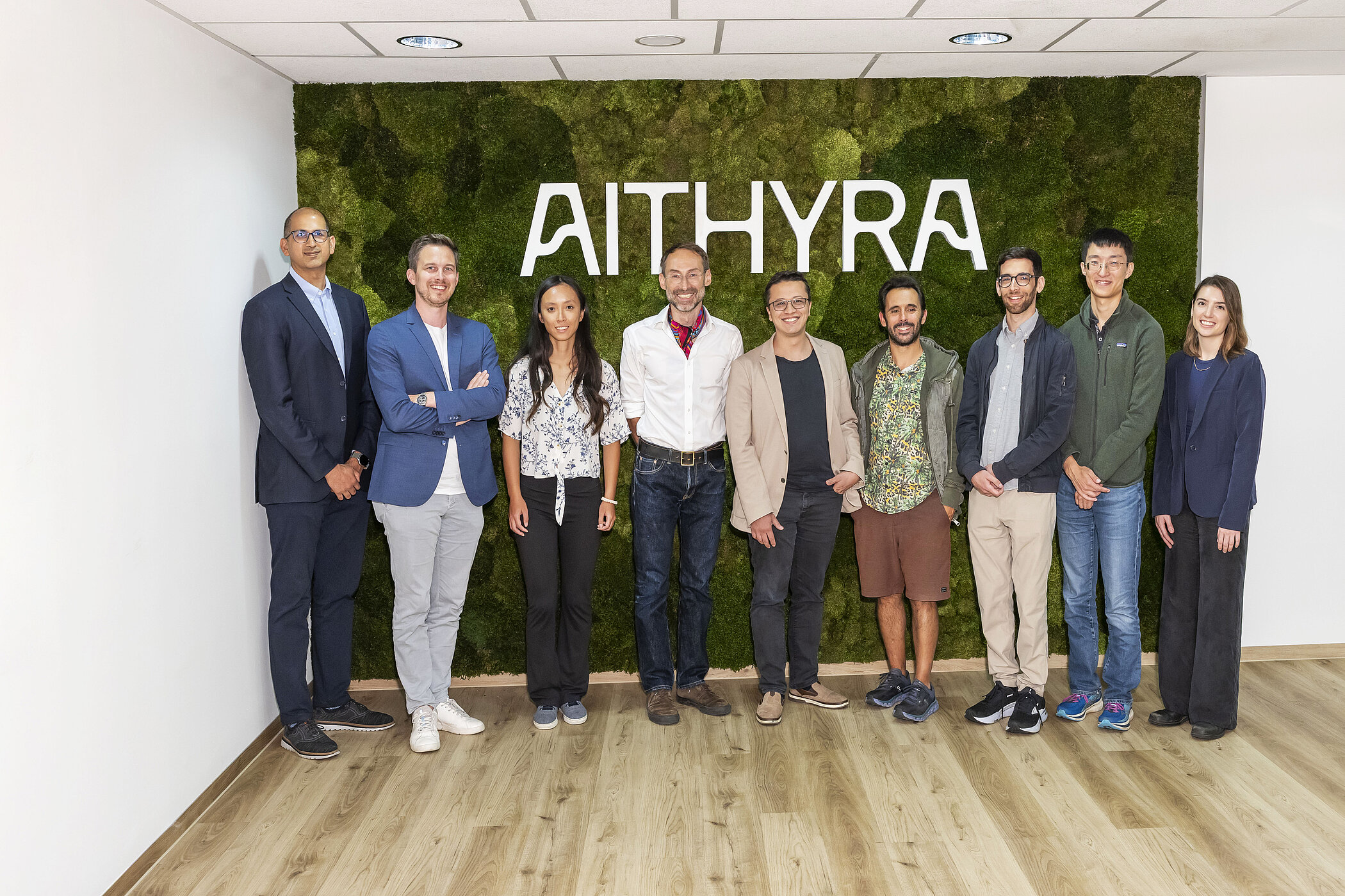
MICHAEL BRONSTEIN, Scientific Director AI and Principal Investigator
Michael Bronstein is the founding Scientific Director of Aithyra, Google DeepMind Professor of AI at the University of Oxford, and Honorary Professor at the TU Vienna and the University of Vienna. He previously served as Head of Graph Learning Research at Twitter and as a professor at Imperial College London, and held visiting appointments at Stanford, MIT, and Harvard.
Michael received his PhD in Computer Science from the Technion in 2007 with a thesis on geometric approaches to pattern recognition, which sparked his admiration for geometry and shaped his scientific worldview. He has developed some of the first geometric deep learning methods and applied them to problems in biochemistry and structural biology, such as protein and small molecule design.
Michael's honours include the EPSRC Turing AI World-Leading Research Fellowship, the Royal Society Wolfson Research Merit Award, and the Royal Academy of Engineering Silver Medal, as well as multiple ERC grants, Google Faculty Research Awards, and Amazon Research Awards. He is a member of Academia Europaea; a Fellow of the IEEE, IAPR, and BCS, an ELLIS Fellow, an ACM Distinguished Speaker, and a World Economic Forum Young Scientist.
Beyond academia, Michael is a serial entrepreneur and founder of several startups, including Novafora, Invision (acquired by Intel in 2012), Videocites, and Fabula AI (acquired by Twitter in 2019). He is Chief Scientist-in-Residence at VantAI and serves on the advisory boards of multiple biotech companies, including Relation Therapeutics and Recursion Pharmaceuticals. When off duty, Michael can often be found on a horse or at the opera theater.
Michael Bronstein = Make geometry great (again) in ML
Orchid number: https://orcid.org/0000-0002-1262-252
LinkedIn: https://www.linkedin.com/in/mbronstein
Bluesky: https://bsky.app/profile/mmbronstein.bsky.social
Website: https://www.cs.ox.ac.uk/people/michael.bronstein/
GEOMETRIC AND PHYSICS-INSPIRED MACHINE LEARNING FOR MOLECULAR DESIGN
Our research spans theory, computational methods, and applications. The primary theoretical objective is to understand the behavior and limitations of current machine learning models through the prism of geometry. This informs the computational objective to develop new, efficient, and better-interpretable models (including graph neural networks, equivariant architectures, neural differential equations, and geometric generative models) with performance guarantees derived from their geometric structure, providing predictions that are not just accurate but also physically plausible. Our applications are mainly in AI for science, with a particular focus on problems in biochemistry and structural biology, such as molecular simulations, protein design, and drug discovery. With our life-sciences collaborators, we take the next step in our machine-learning research by testing designed molecules in the wet lab, aiming to uncover new insights into fundamental biology and to help create new medicines.
Selected publications
Anthony Marchand, Stephen Buckley, Arne Schneuing, Martin Pacesa, Maddalena Elia, Pablo Gainza, Evgenia Elizarova, Rebecca M Neeser, Pao-Wan Lee, Luc Reymond, Yangyang Miao, Leo Scheller, Sandrine Georgeon, Joseph Schmidt, Philippe Schwaller, Sebastian J Maerkl, Michael Bronstein, Bruno E Correia, Targeting protein–ligand neosurfaces with a generalizable deep learning tool, Nature 639(8054):522—531, 2023.
Arne Schneuing, Charles Harris, Yuanqi Du, Kieran Didi, Arian Jamasb, Ilia Igashov, Weitao Du, Carla Gomes, Tom L Blundell, Pietro Liò, Max Welling, Michael Bronstein, Bruno E Correia, Structure-based drug design with equivariant diffusion models, Nature Computational Science 4(12):899—909, 2024.
Pablo Gainza, Sarah Wehrle, Alexandra Van Hall-Beauvais, Anthony Marchand, Andreas Scheck, Zander Harteveld, Stephen Buckley, Dongchun Ni, Shuguang Tan, Freyr Sverrisson, Casper Goverde, Priscilla Turelli, Charlène Raclot, Alexandra Teslenko, Martin Pacesa, Stéphane Rosset, Sandrine Georgeon, Jane Marsden, Aaron Petruzzella, Kefang Liu, Zepeng Xu, Yan Chai, Pu Han, George F Gao, Elisa Oricchio, Beat Fierz, Didier Trono, Henning Stahlberg, Michael Bronstein, Bruno E Correia, De novo design of protein interactions with learned surface fingerprints, Nature 617(7959):176-184, 2023.
Francesco Di Giovanni, James Rowbottom, Benjamin P. Chamberlain, Thomas Markovich, Michael M. Bronstein, Understanding convolutions on graphs via energies, TMLR 2023.
Michael M Bronstein, Joan Bruna, Taco Cohen, Petar Veličković, Geometric deep learning: Grids, groups, graphs, geodesics, and gauges, arXiv:2104.13478, 2021.
Open Positions
Michael Bronstein will also participate as Faculty member in the AITHYRA-CeMM International PhD Program in AI/ML, Molecular Technologies and Systems Medicine https://www.oeaw.ac.at/aithyra/phd-program
----------------------------------------------------------------------
ISMAIL ILKAN CEYLAN, AITHYRA Adjunct Principal Investigator and TU Vienna CS Faculty
İsmail İlkan Ceylan will join TU Wien as a Faculty Member and serve as an Adjunct Principal Investigator at AITHYRA. He also holds an academic affiliation with the University of Oxford, where he previously was an Assistant Professor (Departmental Lecturer) in Computer Science. He earned his Ph.D. in Computer Science from TU Dresden in 2017, with a dissertation that received several distinctions, including the E.W. Beth Dissertation Prize.
Dr. Ceylan’s research focuses on AI and ML, particularly graph machine learning, which explores learning from complex relational structures such as graphs and knowledge bases. His long-term goal is to develop reliable and robust learning systems capable of reasoning over relational patterns across diverse domains. This research draws on techniques from machine learning (e.g., foundation models, graph neural networks, geometric deep learning) and theoretical computer science (e.g., logic, probability, graph theory, descriptive complexity).
He has published extensively in top-tier venues including NeurIPS, ICML, ICLR, AAAI, IJCAI, KR, and Artificial Intelligence, earning best paper awards (KR, ICDT) and reviewer honors (NeurIPS, ICLR, IJCAI). He is active in the research community as an area chair and senior program committee member for leading conferences. At Oxford, he co-organized the Learning on Graphs and Geometry (LoGG) seminar series and supervised numerous doctoral and master’s students. He received a Teaching Commendation for his course on Graph Representation Learning.
At AITHYRA, Ismail Ceylan will focus on developing trustworthy, interpretable, and scalable geometric deep learning methods, emphasizing applications in biomedicine and scientific discovery.
Ismail İlkan Ceylan = curious + analytical + collaborative + precise + driven
Orchid number: https://orcid.org/0000-0003-4118-4689
LinkedIn: https://www.linkedin.com/in/ismaililkan
Website: https://www.cs.ox.ac.uk/people/ismaililkan.ceylan
RELATIONAL DEEP LEARNING FOR SCIENTIFIC DISCOVERY (“Foundations, Theory, and Applications”)
What is the solubility of a molecule? How do certain genes interact with diseases? What movies might users prefer based on their profiles? How do proteins fold into their native 3D structures? How can we accurately estimate arrival times on road networks? In what ways can AI improve weather forecasting? Can we efficiently simulate complex phenomena like fluid dynamics?
These diverse and challenging questions share a common thread: they all require machine learning on structured, relational data—including graphs (e.g., conventional or geometric), knowledge bases (e.g., knowledge graphs, databases), or other relational representations. Such data is deeply embedded across domains—including the life sciences—and forms the backbone of many high-impact real-world systems.
The research of Ismail Ceylan focuses on advancing machine learning methods for relational data. Traditionally, this has involved developing and analyzing models such as Graph Neural Networks or Graph Transformers. More recently, his work has shifted towards foundation models for relational data—large-scale, pre-trained models that aim to replicate the success of Large Language Models (LLMs) in the graph domain. Unlike task-specific methods, these models are designed to generalize across tasks and domains, making them more suitable for real-world scientific and industrial applications.
A central goal of my research is to theoretically characterize the capabilities and limitations of existing methods—particularly in terms of expressiveness, generalization, and transferability—and use these insights to guide the design of novel architectures from first principles. This theory-driven approach helps us better understand the boundaries of current techniques and where innovation is most needed.
The ultimate goal of this agenda is to apply these next-generation models to high-impact scientific challenges, with a strong emphasis on accelerating scientific discovery by enhancing the interpretability, scalability, and reliability of graph-based machine learning systems—especially in domains such as biology, chemistry, and physics.
Selected Conference Publications
Xingyue Huang, Pablo Barceló, Michael M. Bronstein, İsmail İlkan Ceylan, Michael Galkin, Juan L. Reutter, and Miguel R. Orth. How expressive are knowledge graph foundation models? ICML 2025.
Linus Bao, Emily Jin, Michael Bronstein, İsmail İlkan Ceylan, Matthias Lanzinger. Homomorphism counts as structural encodings for graph learning. ICLR 2025.
Sam Adam-Day, Michael Benedikt, İsmail İlkan Ceylan, and Ben Finkelshtein. Almost Surely Asymptotically Constant Graph Neural Networks. NeurIPS 2024.
Xingyue Huang, Miguel R. Orth, İsmail İlkan Ceylan, Pablo Barceló. A Theory of Link Prediction via Relational Weisfeiler-Leman on Knowledge Graphs. NeurIPS 2023.
Ralph Abboud, İsmail İlkan Ceylan, Martin Grohe, and Thomas Lukasiewicz. The Surprising Power of Graph Neural Networks with Random Node Initialization. IJCAI 2020.
Open Positions
İsmail İlkan Ceylan will also participate as Faculty member in the AITHYRA-CeMM International PhD Program in AI/ML, Molecular Technologies and Systems Medicine https://www.oeaw.ac.at/aithyra/phd-program
----------------------------------------------------------------------
BRUNO CORREIA, AITHYRA Global Adjunct Principal Investigator and EPFL Faculty
Throughout the PhD and postdoctoral training, Bruno Correia worked in leading laboratories in the United States, including the University of Washington and The Scripps Research Institute. These formative years taught him to approach scientific problems broadly and creatively while collaborating with exceptional scientists. Early on, he developed a fascination with protein structure and function. His PhD focused on immunogen design and vaccine engineering, sparking a lasting interest in vaccinology and translational research. Bruno pioneered computational, structure-guided strategies to create immunogens with enhanced immunogenicity, demonstrating for the first time that rationally designed antigens can elicit potent neutralizing antibodies.
Seeking to broaden his expertise, he joined a chemical biology laboratory at Scripps for his postdoctoral studies, where he became a proficient experimentalist and developed chemoproteomics methods to map protein–small molecule interactions in complex proteomes.
In 2015, Bruno Correia was appointed tenure-track associate professor at the École Polytechnique Fédérale de Lausanne (EPFL). His group develops computational tools for protein design, with an emphasis on immunoengineering for vaccines and cancer immunotherapy. They integrate method development with the biochemical and biophysical characterization of designed proteins.
Bruno Correia = passionate + dreamer + spontaneous + emotional + obsessed
Orchid number: https://orcid.org/0000-0002-7377-8636
LinkedIn: https://www.linkedin.com/in/bruno-correia-23a1aa4/
COMPUTATIONAL PROTEIN DESIGN
A central focus of the research of Bruno Correia is the development of computational strategies that exploit structural information to design functional proteins. Much of this work has centered on immunogen design, but the same principles extend to other challenges, including the creation of protein inhibitors. His early efforts involved algorithms that searched structural databases for scaffolds with backbone conformations similar to epitopes of interest. Once identified, the epitope’s side chains were transplanted onto the scaffold (side-chain grafting). Although effective in some cases, this approach was limited because suitable scaffolds were unavailable for many targets. To address this, Bruno devised an algorithm that folds new proteins around an epitope using local loops as anchors. This innovation produced the most successful synthetic immunogens for respiratory syncytial virus (RSV) vaccines.
The Correia laboratory has expanded these methods through tools such as AlphaFold-inspired frameworks for designing de novo globular proteins and high-affinity protein interfaces.
The Correia lab has also applied rational design to cellular therapies. Chimeric antigen receptor T cells (CAR-Ts) achieve durable responses against B-cell malignancies but carry severe risks, including cytokine release syndrome. To address this, they created the STOP-CAR, a control system in which antigen recognition and signaling are encoded on two chains linked by a computationally designed heterodimer. A small molecule disrupts this dimer, transiently reducing T-cell activity without eliminating the therapy, unlike suicide switches. To advance clinical translation, the team developed chemically disruptable heterodimers (CDHs) from human proteins with minimal mutations, chosen for compatibility with well-tolerated drugs of long half-life. STOP-CARs responded dynamically to drug administration in cellular assays and tumor models, underscoring how structure-based design can improve safety and function in cell therapies.
A further research direction addresses how to predict protein interactions directly from structure. Protein molecular surfaces encode patterns of chemical and geometric features that act as “fingerprints” of binding behavior, but these are difficult to discern by inspection. The Correia lab therefore introduced MaSIF (Molecular Surface Interaction Fingerprinting), a geometric deep-learning framework that decomposes a surface into overlapping patches and learns descriptors capturing their interaction signatures. This interdisciplinary project exemplifies the group’s strength in combining expertise from disparate fields to innovate in protein science. MaSIF has since been extended to the de novo design of protein–protein and ligand-mediated interactions, addressing long-standing challenges in computational modeling.
Together, these contributions chart a trajectory from scaffold-based grafting to generative algorithms, from immunogen discovery to controllable cell therapies, and from visual inspection to deep-learning representations of molecular surfaces. They illustrate how rational, structure-guided design can broaden the repertoire of tools available for vaccines, therapeutics, and synthetic biology.
Selected Publications
1. BindCraft: one-shot design of functional protein binders. Pacesa M*, Nickel L*, Schellhaas C*, Schmidt J, Pyatova E, Kissling L, Barendse P, Choudhury J, Kapoor S, Alcaraz-Serna A, Cho Y, Ghamary KH, Vinué L, Yachnin BJ, Wollacott AM, Buckley S, Westphal AH, Lindhoud S, Georgeon S, Goverde CA, Hatzopoulos GN, Gönczy P, Muller YD, Schwank G, Swarts DC, Vecchio AJ, Schneider BL, Ovchinnikov S*, Correia BE*. Nature 2025. doi: 10.1038/s41586-025-09429-6
2. De novo design of protein interactions with learned surface fingerprints. Gainza P, Wehrle S, Van Hall-Beauvais A, Marchand A, Scheck A, Harteveld Z, Buckley S, Ni D, Tan S, Sverrisson F, Goverde C, Turelli P, Raclot C, Teslenko A, Pacesa M, Rosset S, Georgeon S, Marsden J, Petruzzella A, Liu K, Xu Z, Chai Y, Han P, Gao GF, Oricchio E, Fierz B, Trono D, Stahlberg H, Bronstein M*, Correia BE*. Nature. 2023, 176, doi: 10.1038/s41586-023-05993-x
3. Deciphering interaction fingerprints from protein molecular surfaces using geometric deep learning. Gainza P, Sverrisson F, Monti F, Rodolà E, Boscaini D, Bronstein MM, Correia BE. Nat Methods. 2020, 184, doi: 10.1038/s41592-019-0666-6
----------------------------------------------------------------------
WALI MALIK, Head of AI Driven Lab Robotics
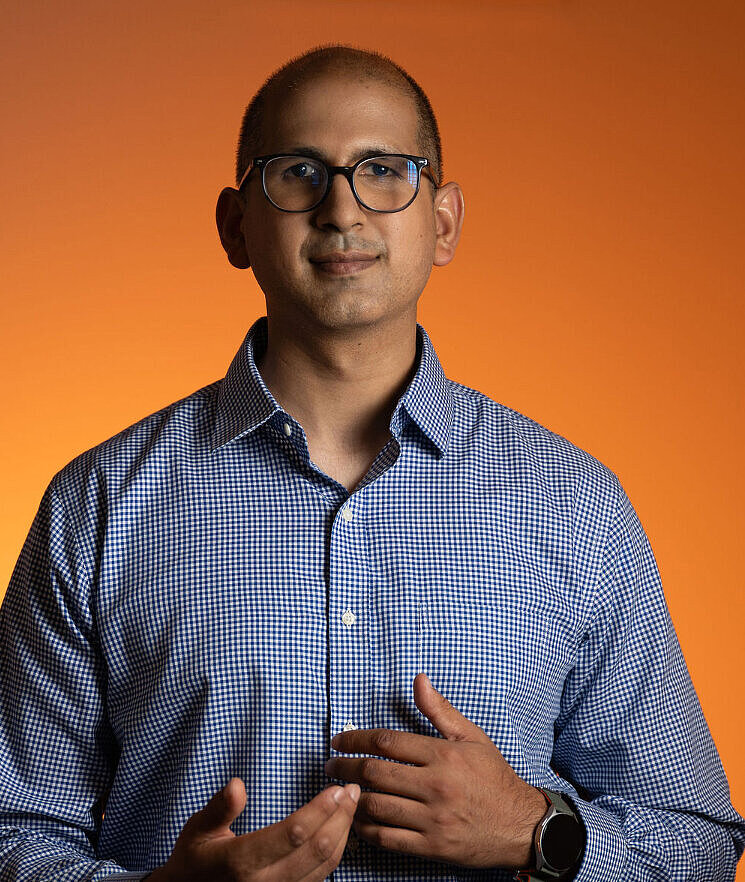
Wali Malik is a specialist in lab robotics, high throughput science, and informatics focused on building integrated and autonomous platforms to fundamentally transform biomedical science. As the Head of AI Driven Lab Robotics at AITHYRA, Wali is leading the development of the institute’s robotics infrastructure, a critical component of its mission. His group is dedicated to creating the high-throughput, automated experimental systems necessary to generate the vast, high-quality datasets that power AITHYRA’s vision of closed loop science. This work will directly enable the physical and digital integration of AI across biological scales—from experimental design to therapeutic innovation.
With 17 years of experience driving strategic lab automation, high throughput screening, and data solutions in biotech and pharma, Wali Malik has a proven track record of building and scaling scientific experimentation. Most recently, as Partner at InvolveData, he led the lab automation practice, transforming labs for AI/ML readiness and deploying closed loop NGS and cell therapy platforms. As Senior Director of Lab Automation at Tessera Therapeutics, he managed oversaw the deployment of digitally integrated automated platforms for every step of the ‘’Gene Writing’ screening process, from genomic foundries, to high throughput screening, NGS sequencing, and processs development/analytics. Earlier, as Director of Automation at Sana Biotechnology, Wali established automation strategies across multiple sites and implementing integrated platforms for cell therapy and genomics. His extensive career also includes significant contributions at GlaxoSmithKline, Merck & Co. And AstraZeneca, where he developed novel biologics, vaccine, and small molecule high throughput screening capabilities to drive scale, innovation, and cost savings.
Wali Malik holds an MS in Molecular Targets of Diseases and High Throughput Drug Discovery from Johns Hopkins University and a B.S. in Cell Biology and Genetics from the University of Maryland, College Park. His experience interfaces high throughput science, lab automation, digital, and strategic capability build outs.
Wali Malik = builder + collaborative + integrator + blue sky ideas + optimizer
LinkedIn: https://www.linkedin.com/in/wali-malik-835874b/
AI-DRIVEN AUTONOMOUS SCIENTIFIC DISCOVERY
The research group of Wali is dedicated to fundamentally transforming biomedical science by building and deploying a fully autonomous, AI-driven laboratory ecosystem. This encompasses the strategic buildout of advanced robotics and lab automation infrastructure, the collaborative development of scalable high-throughput scientific workflows, and the seamless integration of intelligent digital platforms with AI Agents. The core mission is to empower AITHYRA's scientists to accelerate discovery, generate unprecedented data volumes, and answer complex biological questions previously intractable due to technological limitations, scale, or robustness with closed roop robotic experimentation.
Robotics and Automation Infrastructure
This pillar focuses on establishing a robust, adaptable robotic infrastructure crucial for high-throughput scientific execution. We will deploy cutting-edge lab automation technologies, including liquid handlers, advanced analytical instruments, and versatile robotic arms, to create walk-up and fully integrated platforms for flexible experimental design. Leveraging extensive expertise in building modular automation platforms for diverse applications like oligo synthesis and optimization, ML driven small molecule screening, cell and gene therapy, and CMC process development, the lab will prioritize modularity and scalability. Furthermore, we will pioneer the development of novel robotic hardware solutions specifically tailored to overcome current scientific bottlenecks, including the integration of innovative mobile robots for flexible instrument access, custom interfaces to complex instrumentation, and the utilization computer vision for autonomous lab execution.
Scalable High-Throughput Science Experimentation
Central to our work is a deep collaboration with AITHYRA's principal investigators to design and implement highly flexible and robustly scalable high-throughput workflows. Drawing upon extensive experience in spearheading high-throughput screening campaigns across vaccine, biologics, and cell/gene therapy, as well as in developing advanced analytical technologies, we specialize in translating complex biological questions into efficient, automated, and miniaturized experimental formats. This capability will enable scientists to tackle problems previously hindered by limitations in manual effort, required scale, or consistency. The resulting high-quality data will be crucial for training AI/ML models and Agents. Our efforts encompass but are not limited to automating next generation small molecule screening, cell-based screening and imaging workflows, developing integrated analytical platforms, proteomics, and building out advanced cell culture capabilities.
Intelligent Digital Integration and AI Agents
This pillar focuses on creating the comprehensive digital backbone that will evolve our automated laboratories into intelligent, closed-loop discovery engines. Our strategy involves deploying AI Agents designed to automate scientific workflows from end-to-end. These agents will generate 'Lab as Code' directly from SOPs, ensuring autonomous execution, while simultaneously providing real-time workflow monitoring and stringent quality control by integrating data from all lab assets, including cameras, IoT devices, and instruments. These agents will orchestrate complex experiments, analyze incoming results, and iteratively propose subsequent research directions, all seamlessly integrated with ELN, LIMS, and inventory management systems. Furthermore, through close collaboration with AITHYRA's Scientific Computing team, we will develop and integrate software and informatics tools—encompassing schedulers, lab orchestrators, and advanced data extraction, visualization, and process monitoring capabilities—to effectively manage vast datasets, unlock critical insights, and ultimately power the adaptive, closed-loop scientific paradigm necessary for pioneering therapeutic innovation.
----------------------------------------------------------------------
ARIANE MORA, Principal Investigator
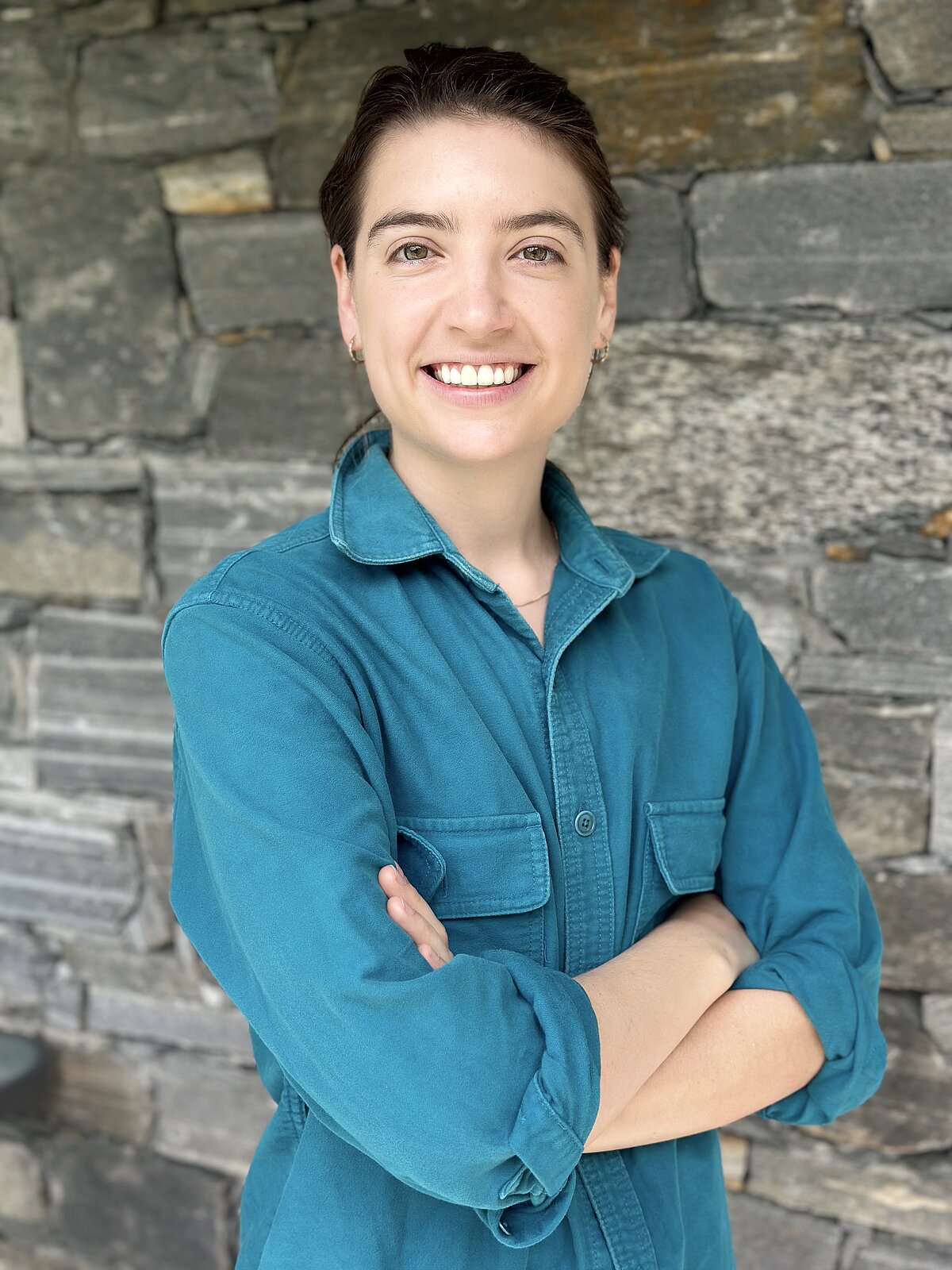
Dr. Ariane Mora is a computational biologist and machine learning researcher specializing in the development of AI-driven methods for enzyme engineering. Her interdisciplinary career integrates synthetic biology, open-source software development, and high-throughput experimentation to uncover and reprogram biological function across diverse systems. As a Schmidt Science Fellow at the California Institute of Technology, her research focused on harnessing machine learning to accelerate enzyme discovery and design for bioremediation. As a PI at AITHYRA, she combines her PhD work using unsupervised models to understand development and disease with her postdoctoral work in enzyme engineering to build an interdisciplinary research group at the interface of ML and biology.
Dr. Mora completed her Ph.D. at The University of Queensland (UQ), Australia, in 2023. Her thesis developed machine learning frameworks to model the dynamics of chromatin state and cell fate transitions, including a research collaboration with the MRC Cancer Unit at the University of Cambridge. She holds a First-Class Honours degree in Electrical and Computer Engineering (B.E., UQ) and completed an exchange at the National University of Singapore. Her training bridges molecular biology, AI, and software engineering.
Ariane Mora = impact-driven + climber + Australian + open-source enthusiast + collaborative
Orchid number: https://orcid.org/0000-0003-1331-8192
LinkedIn: https://www.linkedin.com/in/ariane-mora-786894b3/
Github: https://github.com/ArianeMora
AI DRIVEN ENZYME DISCOVERY
The research group of Ariane Mora aims to understand how enzymes function and thus how to design and engineer them for maximum health/environmental impact. Specifically 1) Can we predict which enzymes will interact with a new drug or chemical? 2) Can we use this knowledge to accelerate the design of new antibiotics? While motivated by the biomedical question, the team will solve problems through the creation of large datasets, open-source software, ML models, AI agents, and robotics feedback loops.
Functional classification: To build reliable predictive models of enzyme function, systematic, reproducible, and high-quality experimental data are needed. The initial focus will be to extend functional knowledge about natural enzymes, starting with quantifying the promiscuity of enzymes in E.coli. While manually reproducing known reactions (accounting for cofactors, buffers, and other conditions) would be prohibitively laborious, the Mora group will automate the process by combining literature-mining agents, targeted analytical methods, and robotic systems for reaction setups. This approach allows us to test a wide range of enzymes across many substrates and conditions, generating a dataset that includes positive and negative results. Such balanced, high-quality experimental data are currently missing from most databases, these data are critical for training accurate ML models. Once established, this approach can be scaled across systems or adapted for new-to-nature chemistries.
Mechanism elucidation: Building from broad functional classification, the Mora group will extend enzyme ML models to mechanistic prediction. They will begin by collecting data on enzyme classes that rely on well-defined catalytic residues, e.g., where a catalytic dyad or triad residue is essential for activity. By developing a robotics setup they will systematically mutate predicted catalytic residues and test for loss of function across both divergent natural sequences and de novo designs and hence validate mechanistic roles at scale. This platform will be expanded to increasingly complex reaction types in collaboration with biochemists to target chemically diverse mechanisms. With predicted structures and high confidence residue-level functional data, they can use these data to build new generative models that are sensitive to single amino-acid mutations. This work will provide new perspectives in understanding the intricate relationships of amino acid residues within a protein scaffold, enabling scientists to improve the execution of directed evolution strategies and the design of de novo enzymes.
Automated optimization: Directed evolution is a powerful engineering strategy to optimize enzymes, however, it is laborious taking months to years. The group of Ariane Mora will automate this process by using AI agents to autonomously conduct directed evolution campaigns to optimize. In each iteration, agents will integrate tools via APIs, including structure prediction, literature mining, functional annotation, and mechanistic predictions to design the next generation of variants. By leveraging these capabilities agents will not only generate protein designs but also simulate and assess their system-level consequences. Over time, these agents will evolve from optimizing single objectives (e.g., catalytic activity) to handling multi-objective goals (e.g., stability, selectivity, and scalability), allowing directed evolution to address increasingly complex biological contexts, from human health to environmental systems.
Recent Publications
Squidly (under review, Elife 2025): Developed a ML approach to predict catalytic residues in enzyme sequences.
Rieger, W. J., Boden, M., Arnold, F. H., & Mora, A. (2025). Squidly: Enzyme Catalytic Residue Prediction Harnessing a Biology-Informed Contrastive Learning Framework. bioRxiv, 2025–06. https://doi.org/10.1101/2025.06.13.659624
LevSeq (ACS Synthetic Biology, 2025): Introduced a high-throughput method for generating sequence-function data for ML in enzyme evolution.
Long, Y.*; Mora, A*.; Li, F.-Z.; Gürsoy, E.; Johnston, K. E.; Arnold, F. H. LevSeq: Rapid Generation of Sequence-Function Data for Directed Evolution and Machine Learning. ACS Synth. Biol.2025, 14 (1), 230–238. https://doi.org/10.1021/acssynbio.4c00625.
SiRCle (Genome Medicine, 2024): Developed a clustering model to infer phenotype-regulatory programs in renal cancer.
Mora, A.*; Schmidt, C.*; Balderson, B.; Frezza, C.; Bodén, M. SiRCle (Signature Regulatory Clustering) Model Integration Reveals Mechanisms of Phenotype Regulation in Renal Cancer. Genome Med2024, 16 (1), 144. https://doi.org/10.1186/s13073-024-01415-3.
Open Positions
Ariane Mora will participate as Faculty member in the AITHYRA-CeMM International PhD Program in AI/ML, Molecular Technologies and Systems Medicine https://www.oeaw.ac.at/aithyra/phd-program
The Starting Principal Investigators at AITHYRA invite outstanding candidates to apply for several postdoctoral research positions in the field of AI/ML and Life Sciences. https://www.oeaw.ac.at/aithyra/postdoc-search
----------------------------------------------------------------------
JASON NOMBURG, Principal Investigator
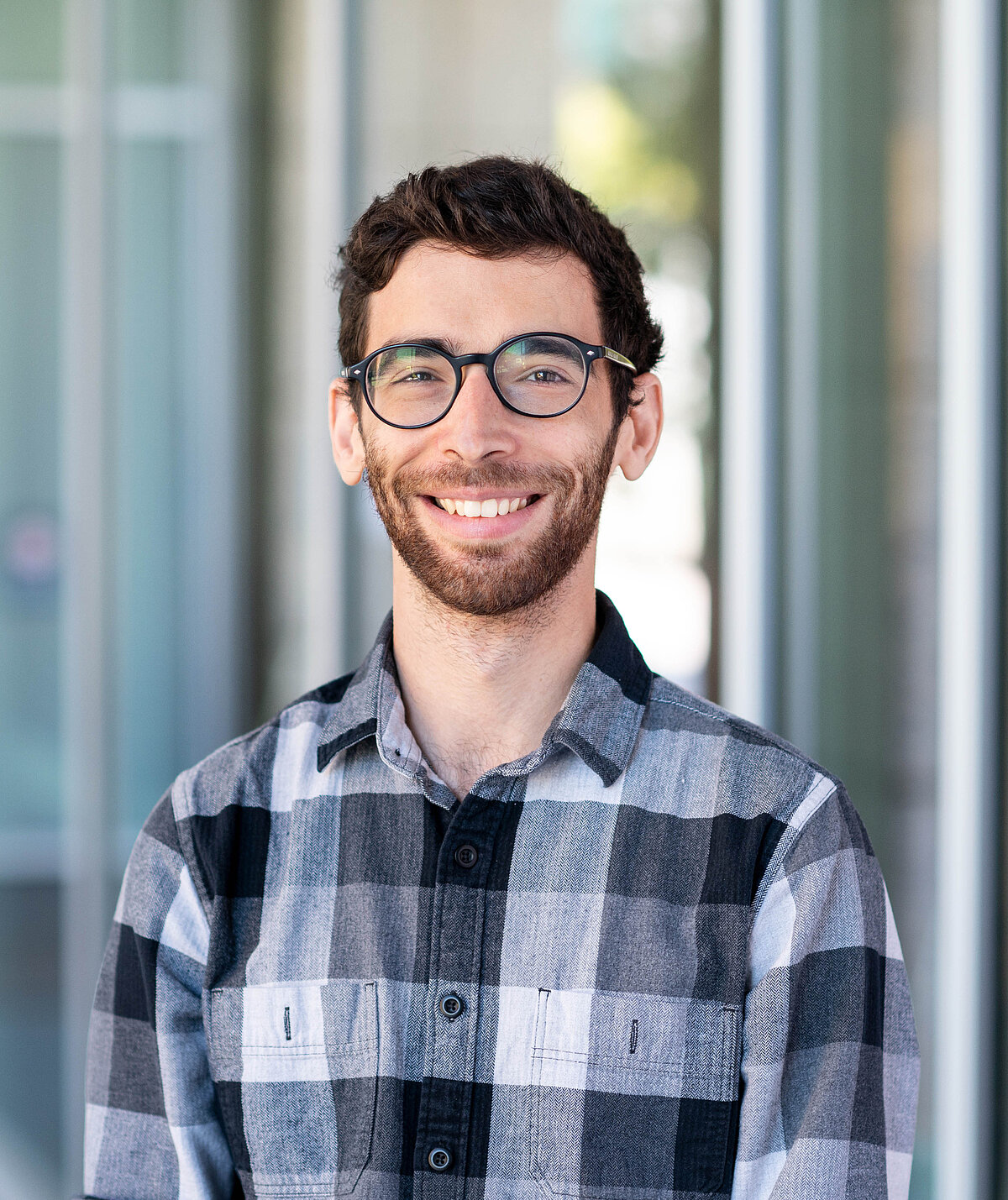
Jason Nomburg did his undergraduate degree at the University of California, Santa Barbara where he studied the interplay between measles virus and proteins involved in histone methylation. He received his PhD in Virology from Harvard in 2022. As a PhD student he conducted research in the labs of James DeCaprio and Matthew Meyerson, where he led studies on diverse topics, including the role of oral bacteria in esophageal cancers, viral discovery efforts in human cancers, and the transcriptional dynamics of SARS-CoV-2 and polyomaviruses. Jason went on to do a postdoctoral fellowship in the lab of Jennifer Doudna at the Gladstone Institutes in San Francisco. As a postdoc, Jason Nomburg used AI-guided structure prediction to investigate the function and evolution of viral proteins. As part of this work, Jason discovered a pan-viral mechanism of immune antagonism shared by viruses that infect animals and those that infect bacteria.
His research group at AITHYRA will lead efforts to systematically understand the function of proteins in the virome. Jason’s lab pairs computational and experimental methods to study viruses, with a special emphasis on (1) using protein structure to understand viral protein function and evolution, (2) understanding the interplay between viral proteins and cellular immunity, and (3) using functional genomics to explore the behavior of viral proteins.
Jason Nomburg = Science-lover + enthusiastic + driven + sarcastic + positive
Orchid number: https://orcid.org/0000-0001-7807-8658
LinkedIn: https://www.linkedin.com/in/jason-nomburg/
STRUCTURAL SYSTEMS VIROLOGY
Viruses evolve more rapidly than any other biological entity, leading to the emergence of hundreds of millions of viral proteins with no known function. Understanding the function of these proteins is essential to understanding how viruses infect and cause disease in their hosts.
The Nomburg Lab combines computational inference, high-throughput experimental methods, and artificial intelligence to understand what viral proteins do and how they work. Their overall goal is to use this knowledge to uncover how viruses cause disease, how viral proteins evolve, and how divergent viruses use common strategies to overcome cellular immunity.
Principles of immune antagonism: Cells encode immune sensors responsible for detecting and initiating a response to viral infection. Viruses in turn encode immune antagonists that shut down these cellular pathways, enabling infection. Understanding the strategies viruses use to shut down cellular immunity is essential for the development of anti-viral countermeasures. Furthermore, many cellular immune sensing pathways are conserved across the tree of life. This means that the strategies and principles of viral immune antagonism are broadly applicable across viruses and relevant to immune regulation by other types of pathogens.
The laboratory of Jason Nomburg is interested in questions that include:
- How do viruses subvert cellular immunity?
- How widespread are these strategies, and how do they evolve?
- What conserved mechanisms of immune regulation exist between viruses, other pathogens, and cells themselves?
- How do viral immune antagonists evolve in the context of viral spillover?
Structure and evolution of viral proteins: Proteins are often compared at the sequence level, where sequence similarity can be used to learn about their function and evolution. However, the speed of viral evolution leads to sequence divergence that can make sequence comparisons challenging. Protein structure is one way to address this limitation, as structure is often constrained to preserve protein function. The Nomburg group uses protein structure prediction and sensitive structural alignments to explore viral protein function and evolution.
- What proteins are shared by divergent viruses across the tree of life, and how have these proteins evolved?
- What are the patterns of gene transfer throughout viral and cellular species?
- How do proteins and protein domains cooperate to mediate complex functions?
Functional genomics of viral protein behavior: Protein sequence plays a substantial role in how proteins behave. For example, protein-protein interactions and subcellular localization are often driven by short, disordered amino acid motifs. Understanding how protein sequences contribute to protein function is essential for understanding the function of viral proteins. The lab of Jason Nomburg develops functional genomics assays to understand the contribution of protein sequence to protein function, with an initial focus on the sequence determinants of viral protein localization.
- What sequence motifs target viral proteins to distinct compartments of the cell?
- How does this behavior contribute to viral infection?
- How do host factors control these behaviors?
Recent Publications
Nomburg J, Doherty EE, Price N, Bellieny-Rabelo D, Zhu YK, Doudna JA. Birth of protein folds and functions in the virome. Nature. 2024 Sep 19;633(8030):710-7. https://www.nature.com/articles/s41586-024-07809-y
Hobbs SJ, Nomburg J, Doudna JA, Kranzusch PJ. Animal and bacterial viruses share conserved mechanisms of immune evasion. Cell. 2024 Oct 3;187(20):5530-9. https://www.cell.com/cell/abstract/S0092-8674(24)00889-4
Nomburg J, Zou W, Frost TC, Datta C, Vasudevan S, Starrett GJ, Imperiale MJ, Meyerson M, DeCaprio JA. Long-read sequencing reveals complex patterns of wraparound transcription in polyomaviruses. PLoS pathogens. 2022 Apr 1;18(4):e1010401. https://journals.plos.org/plospathogens/article?id=10.1371/journal.ppat.1010401
Open Positions
Jason Nomburg will participate as Faculty member in the AITHYRA-CeMM International PhD Program in AI/ML, Molecular Technologies and Systems Medicine https://www.oeaw.ac.at/aithyra/phd-program
The Nomburg lab invites outstanding candidates to apply for a Research Technician Position https://www.oeaw.ac.at/aithyra/open-positions
The Starting Principal Investigators at AITHYRA invite outstanding candidates to apply for several postdoctoral research positions in the field of AI/ML and Life Sciences. https://www.oeaw.ac.at/aithyra/postdoc-search
----------------------------------------------------------------------
ALEXANDER TONG, Principal Investigator
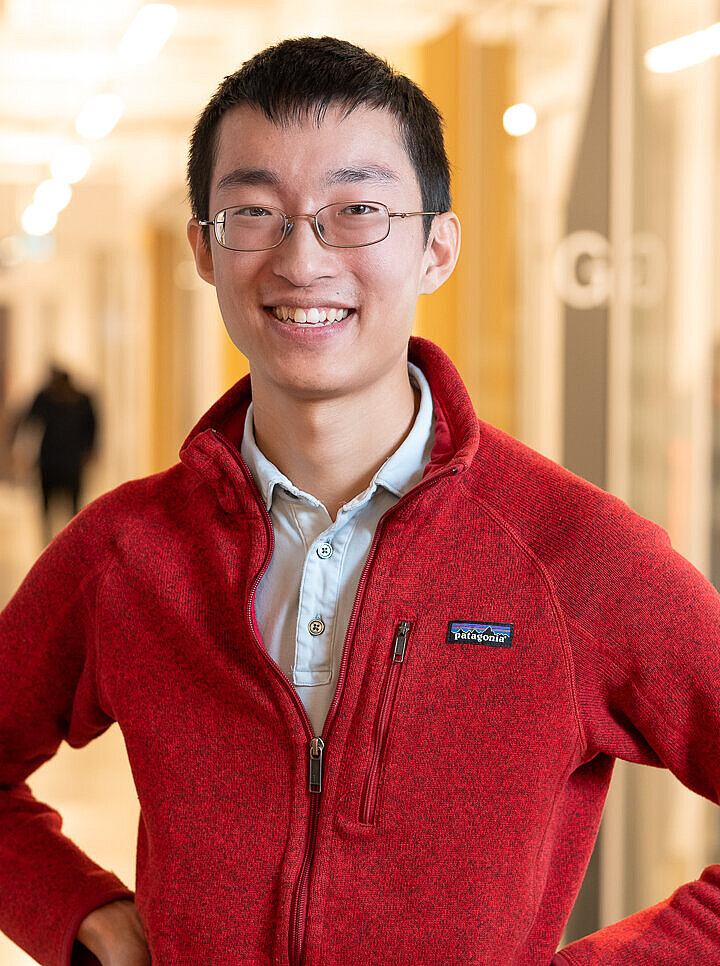
Dr. Alexander Tong is a Starting Principal Investigator at AITHYRA, where his research group develops next-generation machine learning methods to model and engineer biological systems. His work focuses on creating generative AI that understands the fundamental geometry and dynamics of life, with applications in single-cell biology and therapeutic protein design.
He completed his PhD in Computer Science at Yale University, where his thesis, advised by Smita Krishnaswamy, established novel techniques for biomedical discovery using graph signal processing and optimal transport. As a postdoctoral researcher at Mila, he was mentored by Turing Award laureate Yoshua Bengio, pioneering the development of large-scale generative models—including diffusion and flow matching—to solve critical challenges in computational biology.
Dr. Tong's research has been published in top-tier machine learning conferences and scientific journals and has led to new insights into cancer biology and a state-of-the-art framework for generative protein design. Underscoring his commitment to translational impact, he co-founded Dreamfold, a protein design company using generative AI. At AITHYRA, his lab will continue to bridge fundamental AI theory and high-impact biological application, aiming to create the computational tools that will push our understanding of biology.
Alex Tong = Engineering biology with generative ML
Google Scholar: https://scholar.google.com/citations?user=CS80pt4AAAAJ&hl=en
Orcid: https://orcid.org/0000-0002-2031-4096
Website: https://www.alextong.net/
Github: https://github.com/atong01
LinkedIn: https://www.linkedin.com/in/atong01/
GENERATIVE AND GEOMETRIC ML FOR PROGRAMMABLE BIOLOGY
The central challenge of modern biology is to understand and predict the behavior of complex, dynamic living systems. From the intricate dance of molecules that determines a protein's function to the developmental trajectories that guide a single cell toward its ultimate fate, these processes are governed by fundamental principles that remain largely hidden within vast and high-dimensional data. The research group of Alexander Tong aims to uncover these principles by developing a new class of machine learning methods designed specifically for the unique challenges of biological data.
Their core thesis is that the next leap in biomedical discovery requires machine learning models that are inherently aware of the underlying geometry, physics, and causal structures of biology. To this end, they invent and apply novel methods at the intersection of three cutting-edge fields: generative modeling, optimal transport, and geometric deep learning. By pioneering new frameworks efficient frameworks like conditional flow matching and simulation-free sampling, the team creates algorithms that are not only more powerful but also more efficient and interpretable than off-the-shelf solutions. This allows to move beyond static snapshots to model dynamic processes in a continuous and predictive manner.
The research program of Alexander Tong advances along two primary directions. The first is the generative design of functional proteins. Here, they move from analysis to synthesis, using specialized geometric deep learning models to design entirely new proteins from scratch. By learning the rules of protein structure and function, they aim to create an engine for the computational design of next-generation biologics and therapeutics.
The second is decoding and directing cellular dynamics. Using data from technologies like single-cell RNA sequencing, they build computational "movies" of cellular life that reveal how cells respond to drugs, progress through disease, or develop over time. Our goal is to create causal models of cellular fate that can predict how to intervene to achieve desired therapeutic outcomes.
At AITHYRA, the Tong group will integrate these thrusts towards a unified vision: in silico biology where they can not only predict but also program biological systems for human health. By building foundational AI tools to solve high-impact problems in medicine, they aim to develop the computational platforms that will define the future of biomedical research and drug discovery.
Recent Publications
Alexander Tong, Kilian Fatras, Nikolay Malkin, Guillaume Huguet, Yanlei Zhang, Jarrid Rector-Brooks, Guy Wolf, and Yoshua Bengio. "Improving and generalizing flow-based generative models with minibatch optimal transport.” TMLR (2024). https://arxiv.org/abs/2302.00482
Avishek Joey Bose, Tara Akhound-Sadegh, Guillaume Huguet, Kilian Fatras, Jarrid Rector-Brooks, Cheng-Hao Liu, Andrei Cristian Nica, Maksym Korablyov, Michael Bronstein, and Alexander Tong. "Se (3)-stochastic flow matching for protein backbone generation.” ICLR (spotlight) (2024). https://arxiv.org/abs/2310.02391
María Ramos Zapatero*, Alexander Tong*, James W Opzoomer, Rhianna O’Sullivan, Ferran Cardoso Rodriguez, Jahangir Sufi, Petra Vlckova, Callum Nattress, Xiao Qin, Jeroen Claus, Daniel Hochhauser, Smita Krishnaswamy, and Christopher J Tape "Trellis tree-based analysis reveals stromal regulation of patient-derived organoid drug responses.” Cell (2023). https://www.cell.com/cell/fulltext/S0092-8674%2823%2901220-5?uuid=uuid%3A87f7397d-d098-4f70-975a-a71a83dd213f
Open Positions
Alexander Tong will participate as Faculty member in the AITHYRA-CeMM International PhD Program in AI/ML, Molecular Technologies and Systems Medicine https://www.oeaw.ac.at/aithyra/phd-program
The Starting Principal Investigators at AITHYRA invite outstanding candidates to apply for several postdoctoral research positions in the field of AI/ML and Life Sciences. https://www.oeaw.ac.at/aithyra/postdoc-search
----------------------------------------------------------------------
GEORG WINTER, Scientific Director LS and Principal Investigator
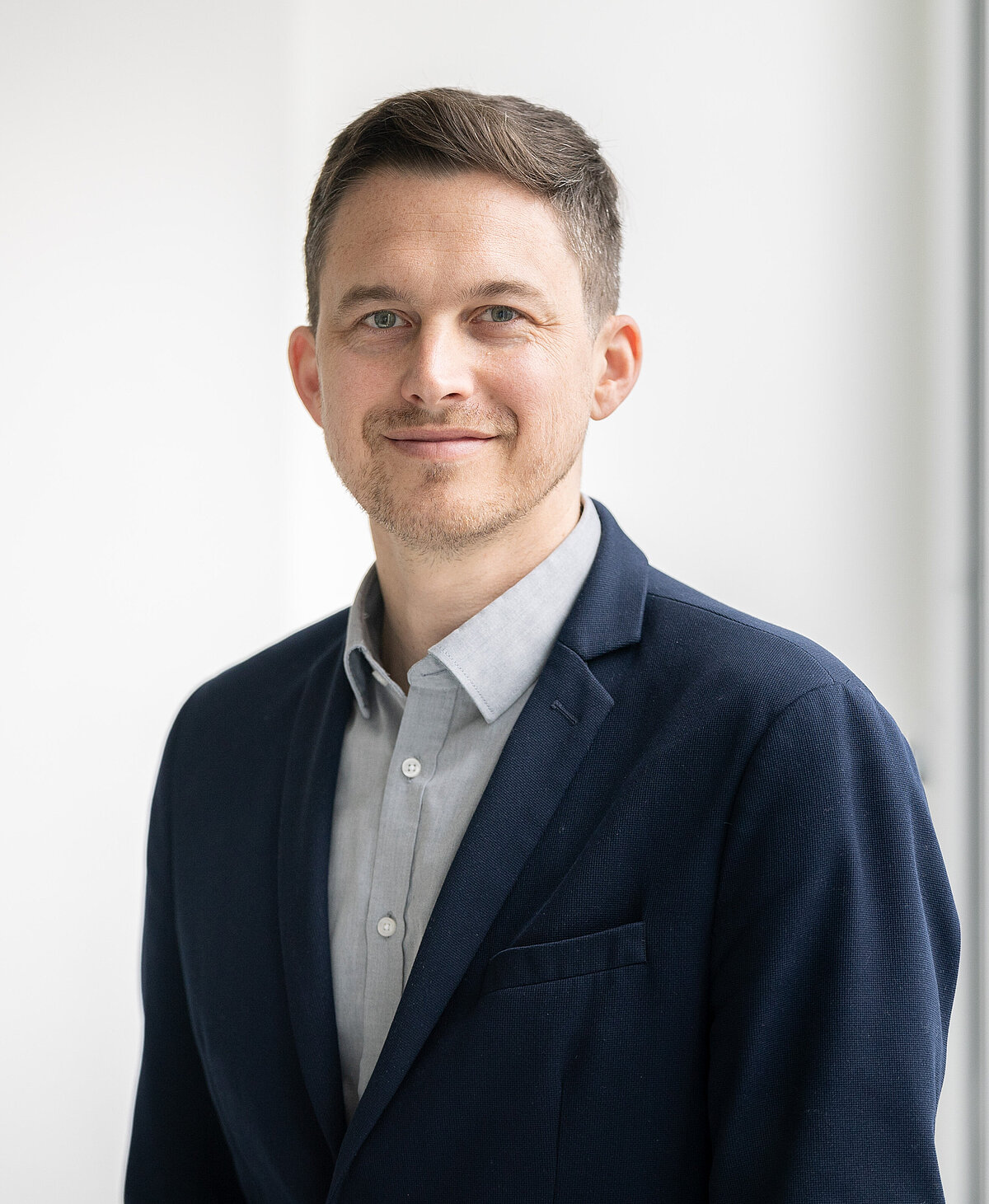
Georg Winter performed his graduate studies at CeMM in Vienna, working on elucidating the mechanism of action of cancer drugs with a specific emphasis on proteomics- as well as chemical genetics approaches. He continued his training in chemical biology, working as a postdoctoral fellow with Dr. James Bradner the Dana Farber Cancer Institute where he published the first paper reporting on in vivo target protein degradation and co-developed degron-tagging approaches that leverage the E3 ligase CRBN (dTAG approach) to understand the mechanistic involvement of gene control factors in oncogenic transcriptional circuits. He was recruited as a CeMM Principal Investigator in June 2016, continuing his work on targeted protein degradation with a particular emphasis on the phenotypic identification and mechanistic characterization of molecular glue degraders. In April 2025, Georg has been appointed as the Life Science Director at AITHYRA.
The Winter lab has been funded via several national and international third-party grants, including two ERC Grants (Starting and Consolidator), an Aspire Award (Mark Foundation) and a Cancer Grand Challenge Award.
Georg has authored more than 60 peer-reviewed papers and his contributions to the field of chemical biology in general, as well as targeted protein in particular, have been recognized via several international awards including the Eppendorf Award for Young European Investigators, the Wilson S. Stone Memorial Award from the MD Anderson, the Tetrahedron Young Investigator Award and the EFMC Price for Young Chemical Biologists.
Georg Winter = curious, optimistic, impatient, empathic, ambitious
Orchid number: https://orcid.org/0000-0001-6606-1437
LinkedIn: https://www.linkedin.com/in/georg-winter-a2145358/
Website: https://www.winter-lab.com/
UNDERSTANDING AND REPROGRAMMING BIOLOGICAL CIRCUITS WITH CHEMISTRY
Thematically, we work at the interface of chemical biology, proteostasis, and gene control. We aim to innovate novel chemical strategies that allow us to better understand fundamental principles of small-molecule action on transcription regulation and the ubiquitin-proteasome system. In particular, we are fascinated by the concept of chemical neomorphs: small molecules that can endow proteins with novel functions to ultimately rewire cellular circuits. Our current focus is on small-molecule degraders, which induce proximity between a target protein of interest and an E3 ubiquitin ligase to prompt ubiquitination and proteasomal degradation of the target protein. In addition, we are keen to expand this concept towards other cellular functions, particularly focusing on small molecules that can functionally hijack transcriptional circuits, signaling or the DNA damage response. In order to discover chemical neomorphs, we frequently conduct phenotypic screens followed by mechanistic workup. We are thus excited about innovating and implementing cutting-edge technology that informs on principles of how small molecules interact with native biological systems. These studies are frequently driven by high-throughput and unbiased technologies such as quantitative proteomics, transcriptomics and particularly functional genomics. We are further excited to augment the interpretability of these large-scale datasets via artificial intelligence and machine learning methods. Connecting the derived insights with synthetic chemistry enables us to understand the mechanism of action of proteins, protein complexes or small molecules both on a holistic but also mechanistic level. In addition, we plan to leverage AI/ML to systematically move from phenotypic discovery to purposeful design of chemical neomorphs.
Our ultimate vision is that the fundamental insights that our work uncovers will contribute to therapeutic innovation that is built on the thesis of rewiring or (re-)programming of biological circuits.
Targeted Protein Degradation and other proximity-inducing approaches
The innovation of pharmacologic strategies to prompt degradation of target proteins has been a long-standing challenge in the field. Towards a scalable, and rational strategy for ligand-induced destabilization of proteins, we developed heterobifunctional small-molecules by conjugating a phthalimide moiety to competitive antagonists of BET bromodomain proteins via a short, aliphatic linker. These compounds were the first PROTACs to show efficacy in vivo and prompted a widespread interest in the biopharmaceutical industry (Winter, Science 2015). Over the last years (supported by an ERC Starting Grant), research in my lab has been focused on developing methods to identify and mechanistically characterize monovalent and drug-like molecular glue degraders. This has led to the identification of degraders against otherwise undruggable proteins, such as Cyclin K (Mayor-Ruiz, Nature Chemical Biology 2020), has allowed us to functionally hijack a range of different E3 ligases, including DCAF11 and FBOX22 (Xue, Nature Communications, 2023; Kagiou, Nature Communications, 2024), and has also revealed a new modality in targeted protein degradation: intramolecular, bivalent glue degraders (Hsia, Hinterndorfer, Cowan, Nature 2024). Most recently, we have been interested in decoding how (and how often) inhibitors can induce target degradation (Scholes, Nature 2025). Moving ahead (supported by an ERC Consolidator Grant), my group seeks to apply our know-how in protein degradation to identify pharmacologic approaches to re-wire additional biological circuits.
Recent Publications
Large-scale chemoproteomics expedites ligand discovery and predicts ligand behaviour in cells. Offensperger F, Tin G, Duran-Frigola M, Hahn E, Dobner S, am Ende CW, Strohbach JW, Rukavina A, Brennsteiner V, Ogilvie K, Marella N, Kladnik K, Ciuffa R, Majmudar JD, Field SD, Bensimon A, Ferrari L, Ferrada E, Ng A, Zhang Z, Degliesposti G, Boeszoermenyi A, Martens S, Stanton R, Mueller A, Hannich JT, Hepworth D, Superti-Furga G, Kubicek S, Schenone M, Winter GE. Science 2024 Apr 26;384(6694):eadk5864. doi: 10.1126/science.adk5864
Targeted protein degradation via intramolecular bivalent glues. Hsia O, Hinterndorfer M, Cowan AD, Iso K, Ishida T, Sundaramoorthy R, Nakasone MA, Imrichova H, Schätz C, Rukavina A, Husnjak K, Wegner M, Correa-Sáez A, Craigon C, Casement R, Maniaci C, Testa A, Kaulich M, Dikic I, Winter GE*, Ciulli A*. Nature. 2024 Mar;627(8002):204-211. doi: 10.1038/s41586-024-07089-6
Phthalimide conjugation as a strategy for in vivo target protein degradation. Winter GE, Buckley DL, Paulk J, Roberts JM, Souza A, Dhe-Paganon S, Bradner JE. DRUG DEVELOPMENT. Science. 2015 Jun 19;348(6241):1376-81. doi:10.1126/science.aab1433
Open Positions
Georg Winter will participate as Faculty member in the AITHYRA-CeMM International PhD Program in AI/ML, Molecular Technologies and Systems Medicine https://www.oeaw.ac.at/aithyra/phd-program
The Winter lab invites outstanding candidates to apply for a Scientific Coordinator, and a Research Technician Position https://www.oeaw.ac.at/aithyra/open-positions
----------------------------------------------------------------------
XINYI ZHANG, Principal Investigator
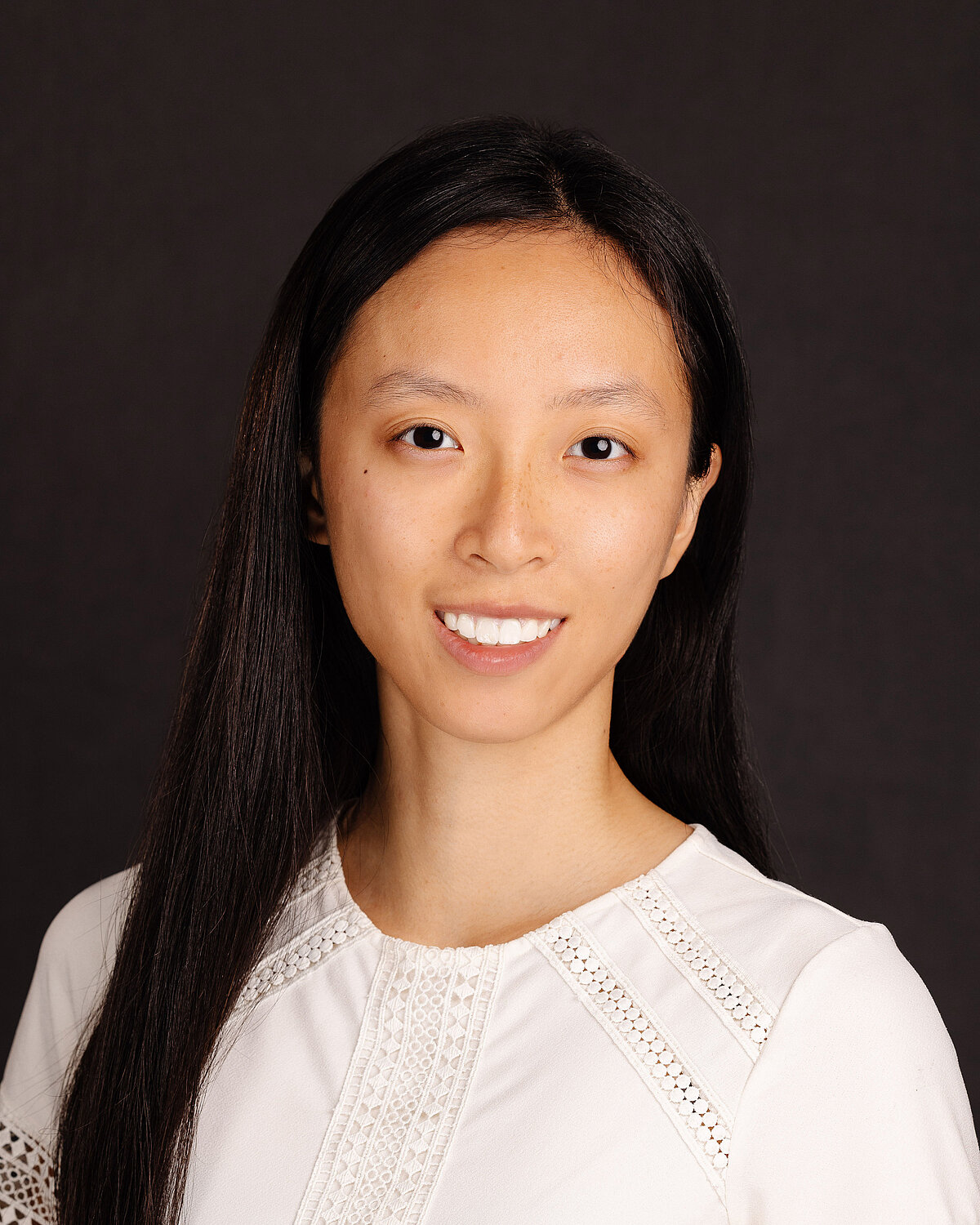
Xinyi Zhang will develop machine learning models to both advance the understanding of biological mechanisms and facilitate the discovery of therapeutic targets in diseases, building on theoretical and empirical advances in machine learning and causal inference.
Xinyi studied Bioengineering and Computer Science at the University of California, Berkeley, and earned her PhD in Computer Science at the Massachusetts Institute of Technology, where she was advised by Prof. Caroline Uhler and supported by a graduate fellowship from the Eric and Wendy Schmidt Center at the Broad Institute.
During her PhD, she developed computational frameworks that integrate diverse modalities—including spatial transcriptomics, chromatin and protein staining—to achieve a comprehensive view of cell state and tissue organization in diseases. Her work identified region-specific progression patterns, chromatin biomarkers, and gene expression changes in Alzheimer’s disease, and revealed shared spatial re-organization across multiple neurodegenerative disorders. To scale to large clinical cohorts, she developed representation learning methods that extract rich morphological information from simple and cost-effective imaging assays. Her models also enable prediction of missing modalities, such as the subcellular localization of unmeasured proteins at single-cell resolution. Most recently, she has worked on disentangling the shared and modality-specific information across multiple modalities to better understand the underlying regulatory mechanisms and inform experimental design.
Xinyi Zhang = curious + adventurous + collaborative + nature-loving + pilot
Orchid number: https://orcid.org/0000-0003-4996-4698
LinkedIn: https://www.linkedin.com/in/zhang-xinyi/
Website: www.xinyizhang.com
MACHINE LEARNING FOR CELL AND TISSUE BIOLOGY: FROM MULTIMODAL INTEGRATION TO BIOMARKER AND FUNCTION
The group of Xinyi Zhang will develop machine learning models that integrate multimodal and spatiotemporal data to achieve a holistic understanding of cell states, tissue microenvironments, and perturbation effects. Her goal is to gain mechanistic insights into cellular and tissue regulation across scales— from protein localization and interaction in single cells to cell fate decisions in organoids and tissues. By modeling the cellular dynamics and interactions in the tissue context, the team aims to enable virtual profiling of genetic and chemical perturbations to identify potential therapeutic targets for disease-associated changes in protein localization, cell states, and tissue architecture.
1. Tissue-specific protein localization and interaction. Protein-protein interactions and protein localization are essential to many biological processes and are tightly regulated by cell and tissue states. However, current experimental approaches are limited in their ability to measure these properties at single-cell resolution and within tissue. The Zhang group will develop computational models that predicts protein localization and interactions with single-cell and tissue specificity. These models enable predictions of how disease-associated genetic mutations or changes in cell state alter protein localization and interactions, ultimately supporting therapeutic discovery.
2. Modeling the dynamics and interactions in tissue microenvironment to study cell fate. The Zhang group develops computational frameworks to model the tissue microenvironment and study how genetic and chemical perturbations influence cell states in tissue over time. While pooled perturbation screens with spatial transcriptomic or multiplexed imaging readouts and the development of organoid systems offer exciting opportunities, new computational methods are needed to model tissue dynamics and learn how cellular neighborhoods and tissue architecture affect perturbation outcomes. By integrating perturbation modeling with temporal dynamics, feature learning, physical principles, and disentanglement of multimodal information, the goal is to understand the interplay between the molecular and mechanical signaling underlying cell fate decisions in tissue. This understanding could enable virtual profiling of gene expression, morphology, and molecular phenotypes under unseen conditions. The approaches are applicable across developmental and disease contexts and may ultimately guide the design of perturbations to restore both pathological cell states and tissue organization.
3. Clinical applications in metabolic disease, cancer, and neurodegeneration. The methods are designed to be broadly applicable to large-scale patient and drug-screening datasets. The Zhang group aims to extend this to study the effect of patient-specific genetic variants on cell state using imaging, spatial omics, and histopathology data, which could enable functional interpretation of risk variants in metabolic disease, cancer, neurodegeneration. By developing robust, interpretable, and generalizable models, the goal is to link mechanistic insights of cellular regulation to therapeutic target discovery.
Recent Publications
Prediction of protein subcellular localization in single cells. Zhang X, Tseo Y, Bai Y, Chen F & Uhler C. Nat Methods. 2025 Jun;22(6):1265-1275. doi: 10.1038/s41592-025-02696-1. https://www.nature.com/articles/s41592-025-02696-1
Partially Shared Multi-Modal Embedding Learns Holistic Representation of Cell State. Zhang X, Shivashankar GV, Uhler C. https://www.biorxiv.org/content/10.1101/2024.10.01.615977v1
Graph-based autoencoder integrates spatial transcriptomics with chromatin images and identifies joint biomarkers for Alzheimer's disease. Zhang X, Wang X, Shivashankar GV, Uhler C. Nat Comm. 2022 Dec 3;13(1):7480. doi: 10.1038/s41467-022-35233-1. https://www.nature.com/articles/s41467-022-35233-1
Open Positions
Xinyi Zhang will participate as Faculty member in the AITHYRA-CeMM International PhD Program in AI/ML, Molecular Technologies and Systems Medicine https://www.oeaw.ac.at/aithyra/phd-program
The Starting Principal Investigators at AITHYRA invite outstanding candidates to apply for several postdoctoral research positions in the field of AI/ML and Life Sciences. https://www.oeaw.ac.at/aithyra/postdoc-search
----------------------------------------------------------------------