


Team
Anna Dolganov, PI
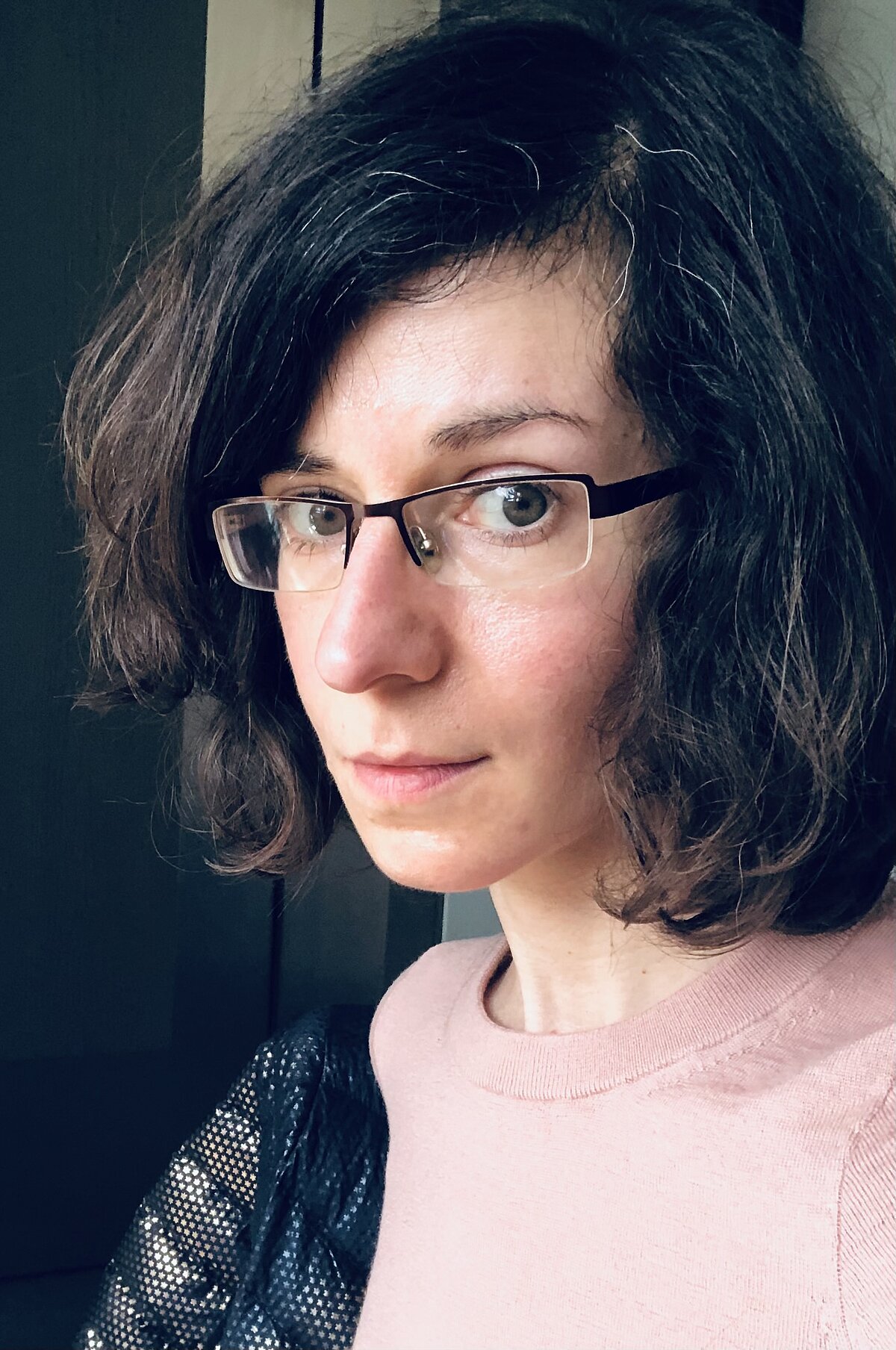
Academy Scientist in Papyrology and Ancient Legal History, Austrian Archaeological Institute, Austrian Academy of Sciences
Anna Dolganov is a Roman historian and papyrologist with combined expertise in Classical Philology, Roman legal history, and the critical edition of ancient documentary sources (inscriptions, papyri). In addition to deciphering and interpreting ancient documents, her research investigates the impact of the Roman judicial system on provincial societies and the agency of archival institutions in the Roman world. Together with Mistral AI, Dimitris Vlitas and David Smith, Dolganov launched the Decoding Antiquity Initiative and the creation of the Apollo family of specialized LLMs for historical languages and the study of handwritten historical documents.
Dimitris Vlitas, Co-PI
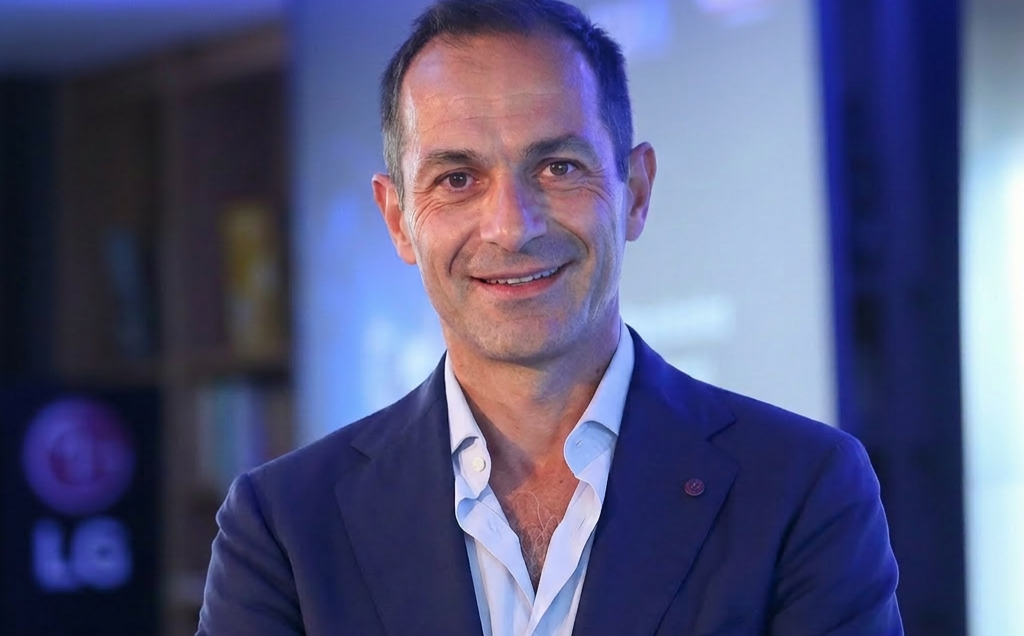
CEO, SAIL Reply
Dimitris Vlitas is a leading expert in generative AI and a strategic partner of Mistral. After having held academic positions at Cornell University and the University of Toronto, which is often credited with the deep learning revolution of the 2010s, he joined Accenture in the UK as the AI lead. In 2024, he moved to Reply Ltd, where, by identifying the need for sovereign AI, he created the Sovereign AI Lab (SAIL). The mission of the company is to empower organizations with bespoke LLMs that master domain knowledge and build a strong competitive advantage. Dimitris Vlitas holds a PhD in mathematics and foundations of computer science.
Martin Korenjak, Co-PI
Professor of Latin and Neo-Latin, Institute for Classical Philology and Neo-Latin Studies, University of Innsbruck
Martin Korenjak studied Classical Philology and Linguistics at Innsbruck and Heidelberg, worked as research assistant at Innsbruck and was full professor of Classical Philology at Bern before returning to Innsbruck in 2009. There, he co-founded the Ludwig Boltzmann Institute for Neo-Latin Studies (2011–24) and the Special Research Area Neo-Latin in the Modern World (2026–33). His areas of expertise include Greek and Latin poetry, rhetoric, literary theory and criticism, the reception of classical antiquity, and especially early modern Latin literature.
Micha Teufel, Team member
PhD candidate in Ancient History and Papyrology, Institute of Ancient History, Papyrology and Epigraphy, University of Vienna
Micha Teufel holds B.Ed. and MA degrees in Latin and Ancient History, with additional training in Digital Humanities. His research investigates social mobility and patronage networks in Roman Egypt within the broader political framework of the Principate, working with both literary and documentary sources.
Lev Shadrin, Team Member
PhD candidate, Institute for Classical Philology and Neo-Latin Studies, University of Innsbruck
Lev Shadrin is a Classical Philologist, Historian, and Digital Humanist with work experience in the fields of NLP methods, distant reading, historical document HTR, and LLM-HTR hybrid transcription pipelines.
Advisory Board:
Thibault Clérice, Inria
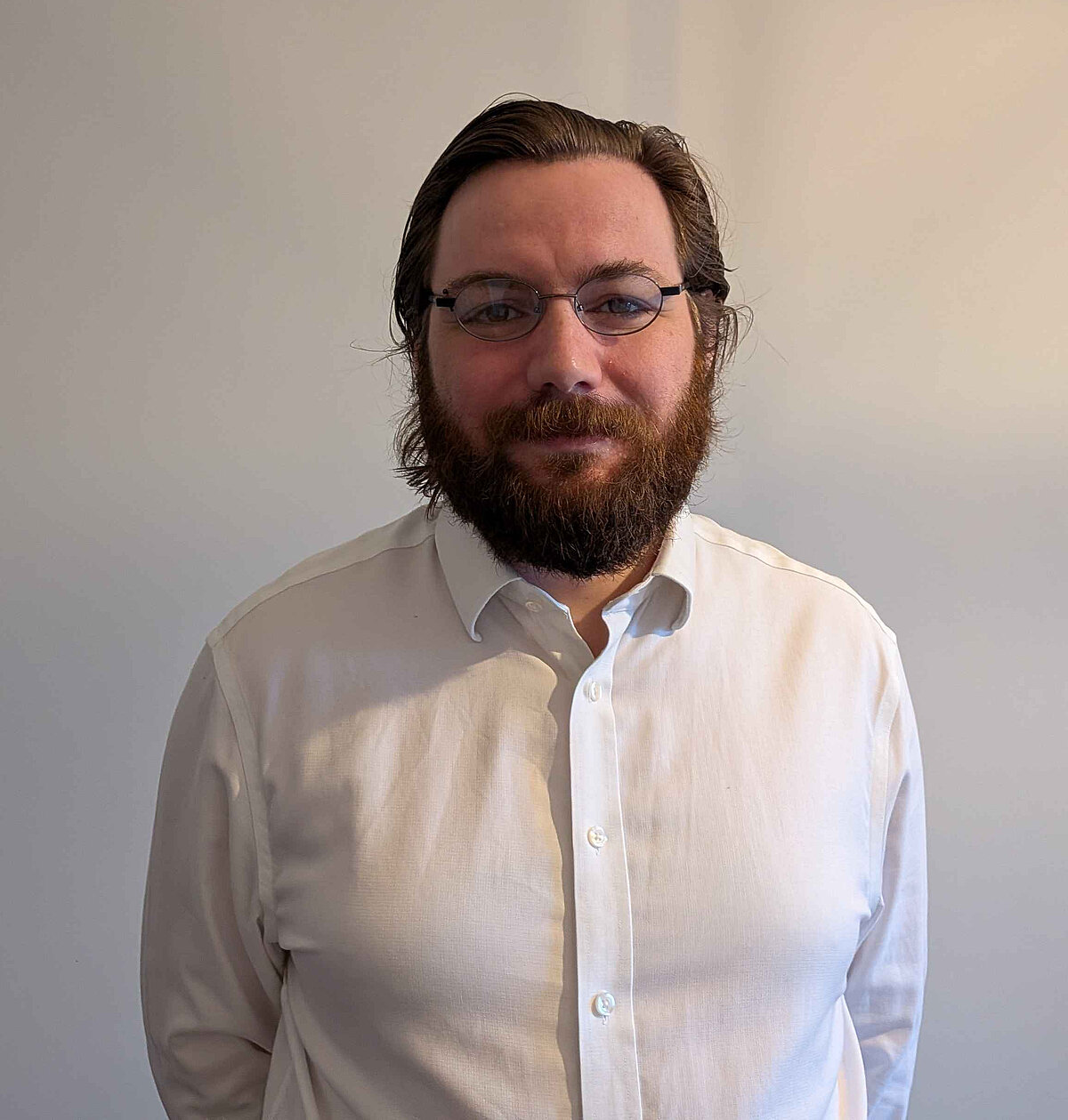
Thibault Clérice is a permanent researcher at Inria and a member of the ALMAnaCH research team. A scholar of Digital Humanities and Classical and Medieval Studies, his research explores how computational methods and artificial intelligence can be adapted to study ancient and historical texts, with particular attention to Greek and Latin. His work brings together philology and computational approaches to the digitization, analysis, and interpretation of manuscripts and textual corpora. He is also involved in developing open digital infrastructures and resources that support the computational study of the ancient and medieval textual heritage.
Gregory Crane, Tufts University

Gregory Crane is Professor of Classical Studies and Computer Science and Winnick Family Chair in Technology and Entrepreneurship at Tufts University. His research sits at the intersection of Classical Philology and Computer Science, pioneering the field of Digital Humanities. His work focuses on creating "Smart Editions" that utilize machine learning, optical character recognition (OCR), Natural Language Processing (NLP), and dense syntactic treebanking to open up historical corpora to deep cultural and linguistic reading. He has successfully overseen the development of comprehensive, openly licensed textual infrastructure across multiple premodern scripts—spanning Ancient Greek, Latin, Classical Persian, and Classical Arabic—advocating for a model of "Augmented Intelligence" that empowers non-specialists and researchers globally to engage directly with source texts without relying solely on static translations.
Jean-Luc Fournet, Collège de France

Jean-Luc Fournet is a papyrologist specializing in the Late Antique and Proto-Byzantine periods (4th–7th centuries). He is Professor at the Collège de France, where he holds the chair of Written Culture in Late Antiquity and Byzantine Papyrology, and Director of Studies in Greek Papyrology at the École Pratique des Hautes Études (EPHE). His research examines papyri as sources for the social, cultural, and intellectual history of Late Antiquity, with emphasis on Greek and Egyptian multilingualism and the relationship between literary and documentary texts.
Benjamin Kiessling, École Pratique des Hautes Études
Christina Kokkinia, National Hellenic Research Foundation
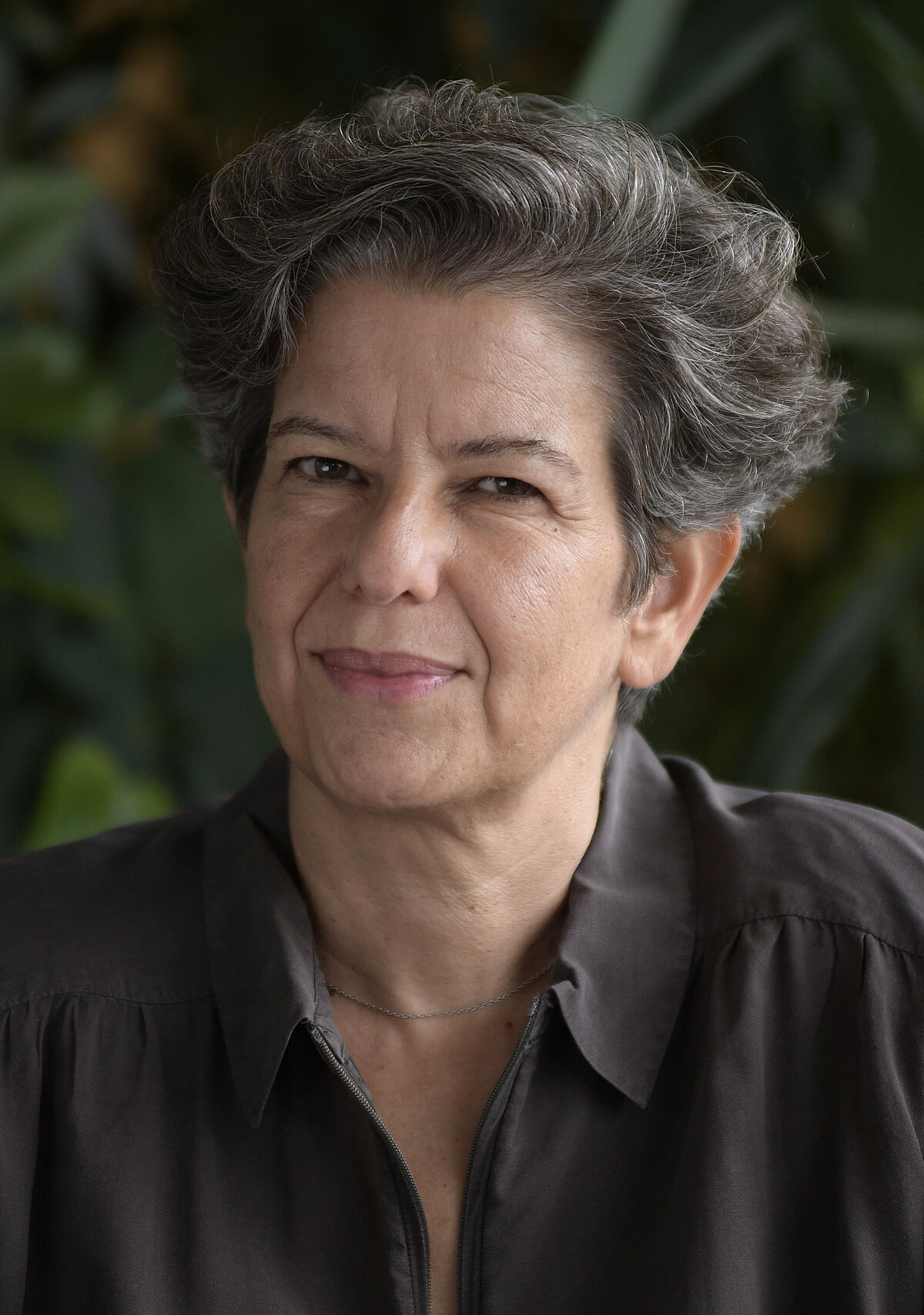
Christina Kokkinia is a historian specializing in Roman history and the epigraphy of the Eastern provinces of the Roman Empire. She is a researcher (“Director of Research”) at the Institute of Historical Research of the National Hellenic Research Foundation (NHRF). She holds a PhD in Ancient History from the University of Tübingen (1997) and has held teaching and research positions at the Universities of Heidelberg, Zurich, and Athens. Her work focuses on the epigraphy of the Roman East and the social and cultural history of the Roman Empire, with particular attention to large epigraphic dossiers as evidence for the mechanisms of imperial power and the strategies of local elites, an approach most recently developed in her monograph Cities and Governors: The Rhetoric of Inscribed Letters and Edicts in the Greek East (1st c. BCE – 3rd c. CE) (Athens, 2025). She has conducted epigraphic and archaeological fieldwork in Greece, Turkey, and Cyprus, and coordinates the editorial board of the journal Tekmeria.